Creatify Team
SHARE


IN THIS ARTICLE
D-ID has been in the AI video space since 2017. It's generated over 200 million avatar videos, built a developer community of 280,000+, and counts enterprise names like PepsiCo and Deloitte among its customers. That's some real traction.
And yet the search demand for D-ID alternatives has grown steadily, which tells you something. The reasons are specific: lip sync that feels mechanical, limited video formatting beyond talking heads, pricing that gets expensive at scale, and a product that tries to serve everyone from developers to marketers to L&D teams, which means it's optimized for none of them in particular.
This guide breaks that down by use case, covers 8 alternatives honestly, and tells you which tool fits which job.
What D-ID actually does in 2026
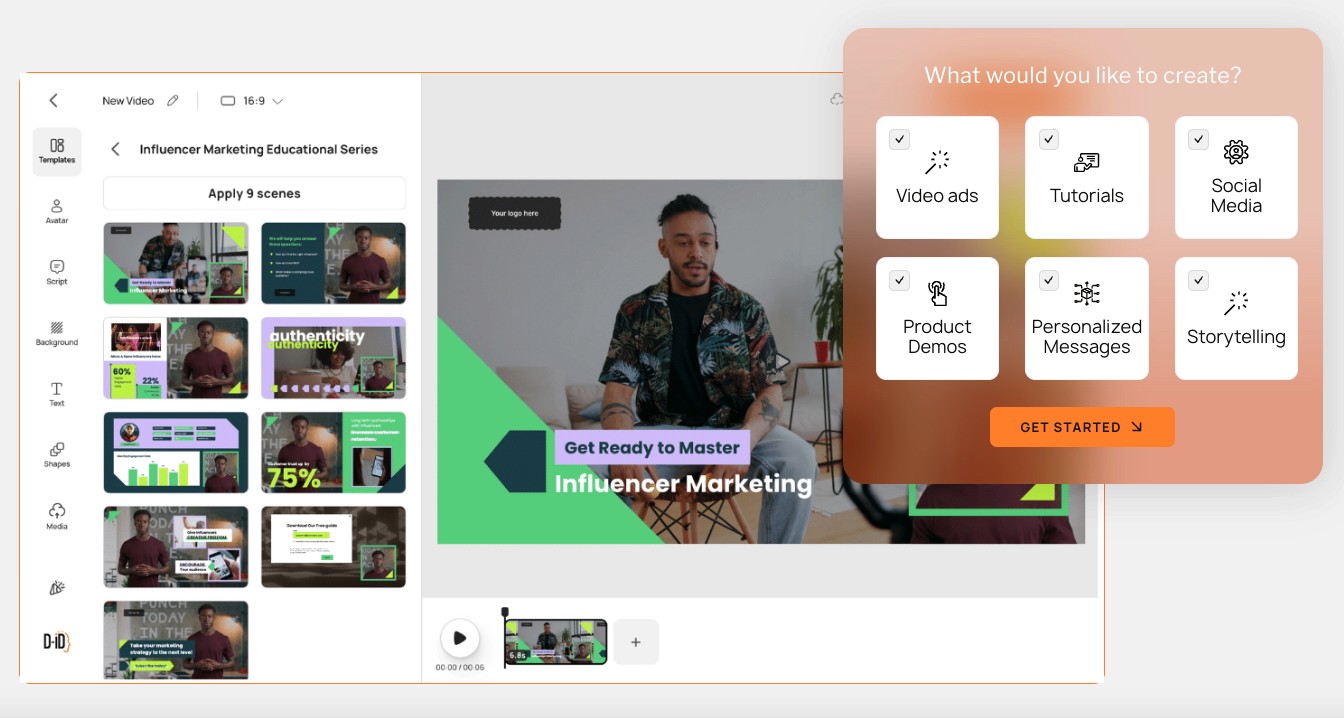
D-ID's flagship product is Creative Reality Studio, a self-service web app that converts text, audio, or images into talking avatar videos. Beyond the core studio, the platform has expanded into:
Visual AI Agents: branded digital humans for customer experience and training workflows
Video Translate: multilingual dubbing with lip sync
Video Campaigns: personalized video messages at scale, delivered via API
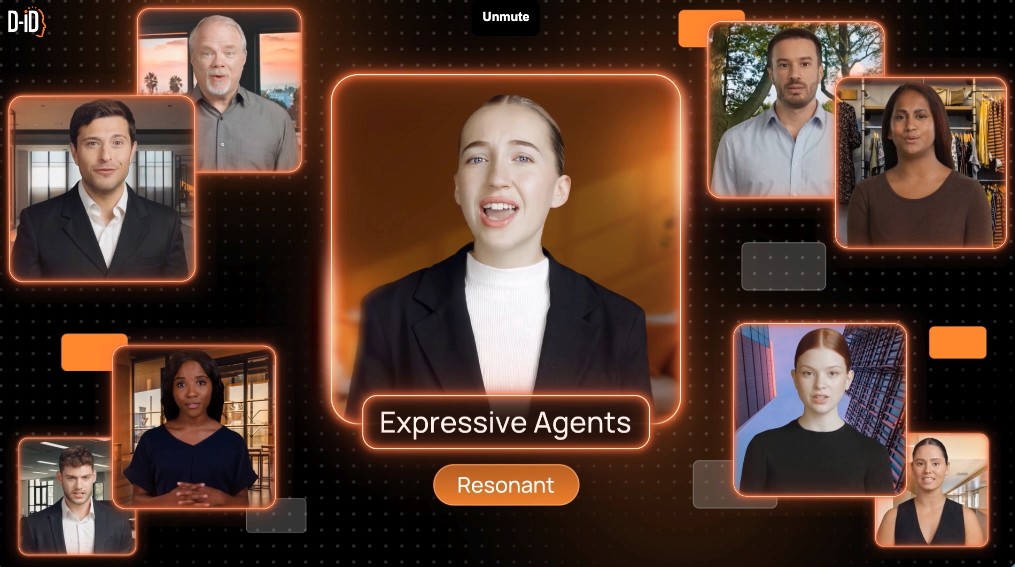
The platform targets marketers, L&D teams, customer experience leads, content creators, and developers building AI-driven products. It's explicitly API-first, with separate usage-based pricing for programmatic access.
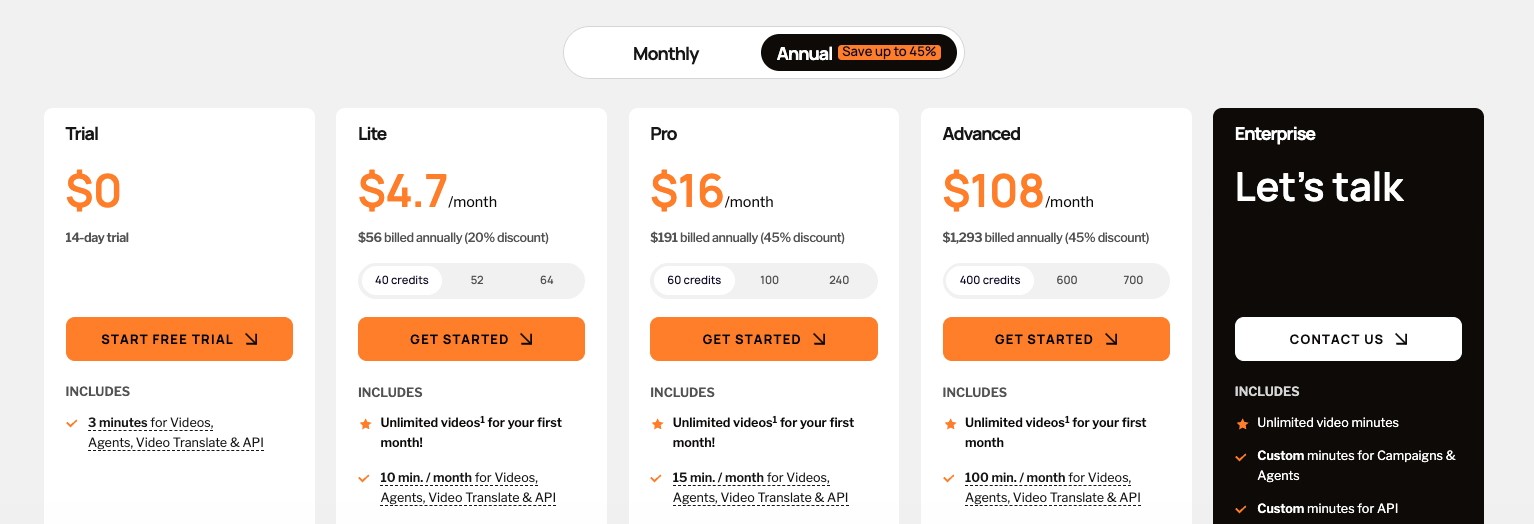
Pricing follows a tiered model with per-minute or per-credit options, plus a limited free trial.
Why people search for D-ID alternatives
Lip sync quality. The animation can feel mechanical, particularly with fast speech or nuanced expressions.
Narrow video format. D-ID is strong on talking-head output but thin on B-roll, stock footage integration, editing tools, and template-driven workflows.
Price-to-volume ratio. Credit-based pricing scales awkwardly for teams producing at volume.
Use case mismatch. D-ID was built for a broad audience. Teams with specific needs (ads, L&D, social content) often find a focused tool does the job better.
How to evaluate D-ID alternatives
Run any candidate against these dimensions before committing:
Output type. Talking-head only, or full video workflow with B-roll, slides, and editing?
Avatar quality. Realism, micro-gestures, custom avatar options, lip sync accuracy.
Languages and voices. How many languages, what voice quality looks like in practice, whether voice cloning is available.
Workflow depth. Does it write scripts, suggest hooks, auto-cut B-roll, or hand you a blank canvas?
API and integrations. API maturity, LMS and CRM connectors, SSO, security compliance (SOC 2).
Governance. Data storage policies, likeness consent, deepfake safeguards, commercial rights on exports.
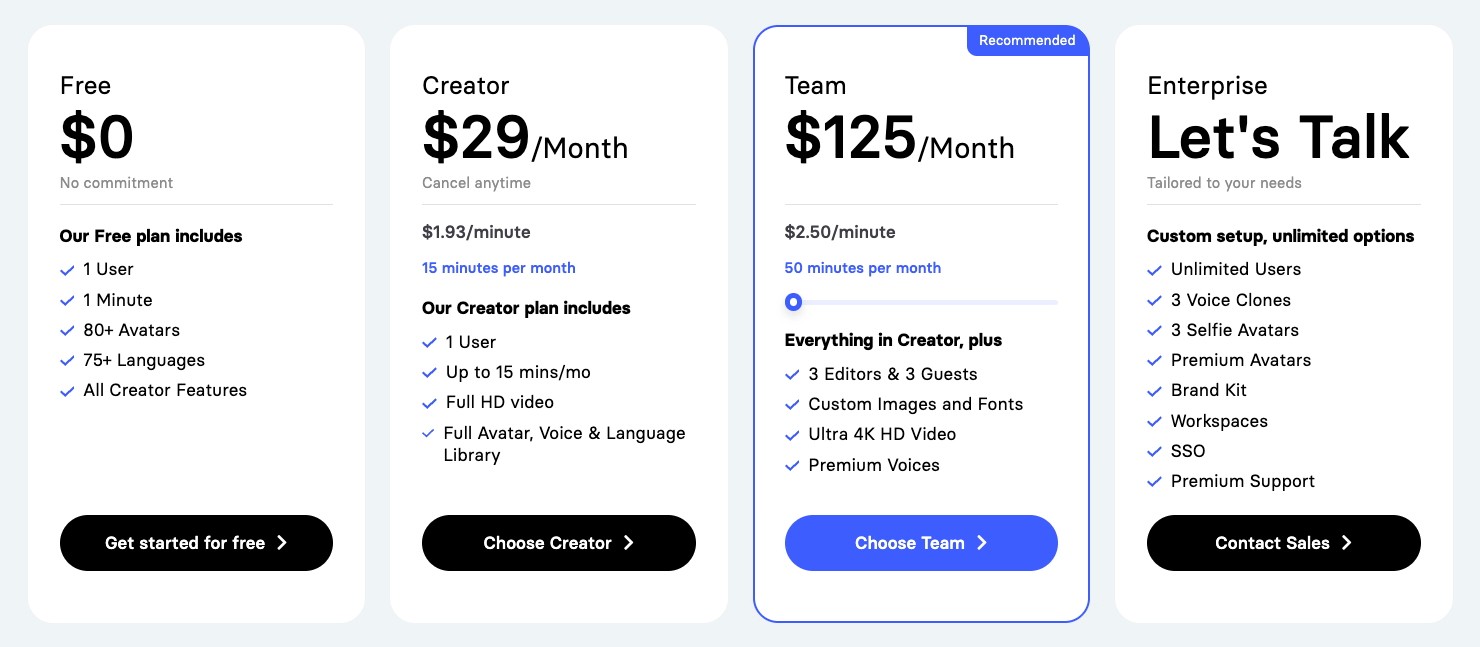
Pricing structure. Free tiers, per-video vs per-minute billing, team features, and actual monthly cost at your volume.
The four categories of D-ID alternatives
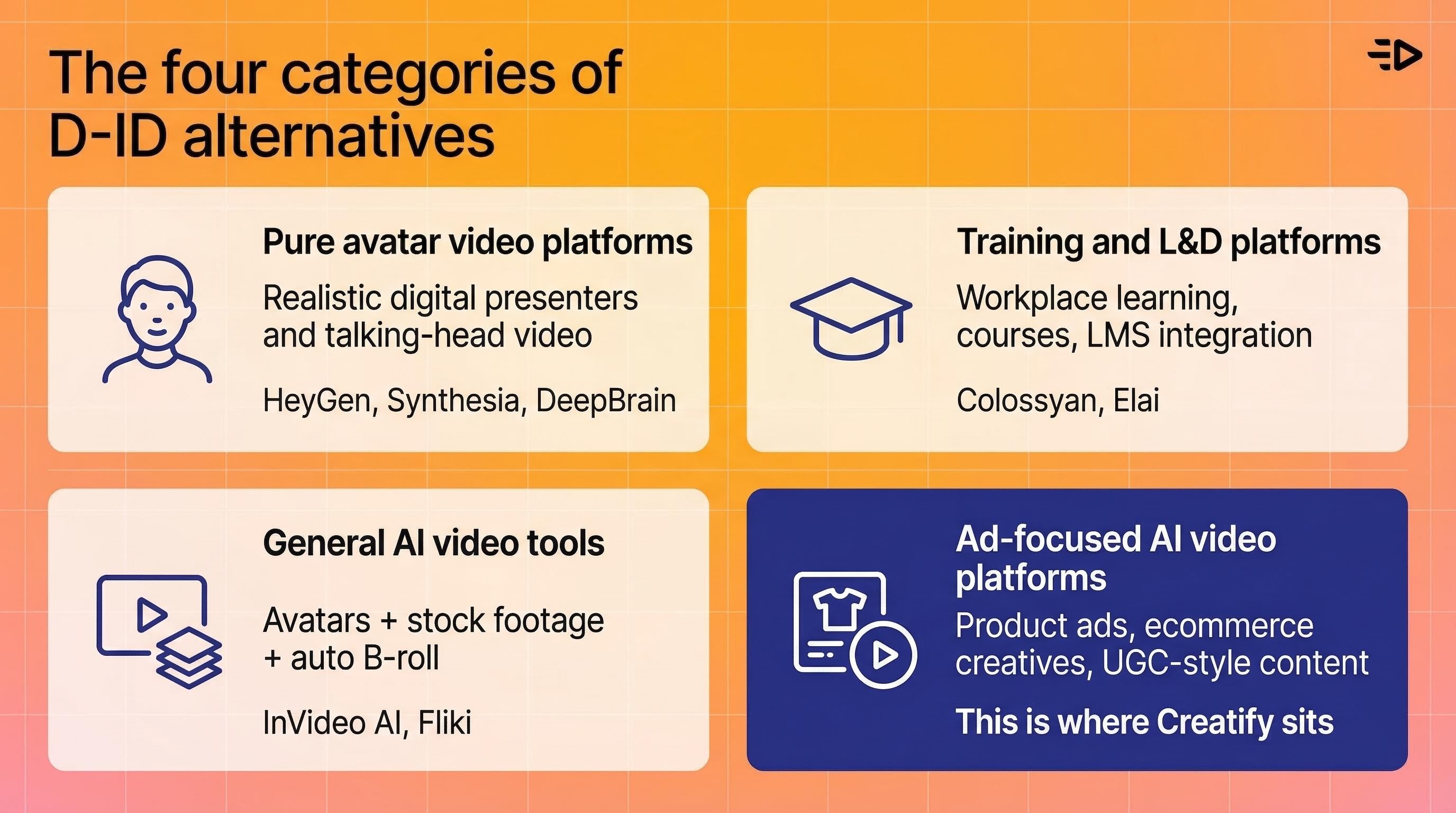
The market has broken into four distinct segments. Knowing which one fits your workflow cuts testing time significantly.
Pure avatar video platforms focus on realistic digital presenters and talking-head video (HeyGen, Synthesia, DeepBrain). These are D-ID's closest head-to-head competitors.
Training and L&D platforms are optimized for workplace learning, SCORM output, and LMS integration (Colossyan, Elai.io). Built for courses and compliance, not ads.
General AI video tools combine avatars with stock footage, auto B-roll, and editing for social and YouTube content (InVideo AI, Fliki).
Ad-focused AI video platforms are purpose-built for performance marketing: product ads, ecommerce creatives, and UGC-style content at volume. This is a genuinely different category from the others, and it's where Creatify sits.
8 top D-ID alternatives in 2026
1. HeyGen
Best for: marketing teams needing high-quality avatar video at scale
HeyGen is D-ID's most direct competitor, the first alternative most people try. It has built significant scale (15M+ users) on the back of avatar realism and multilingual video.
Strengths over D-ID:
230+ avatars with natural micro-gestures and broader expression range
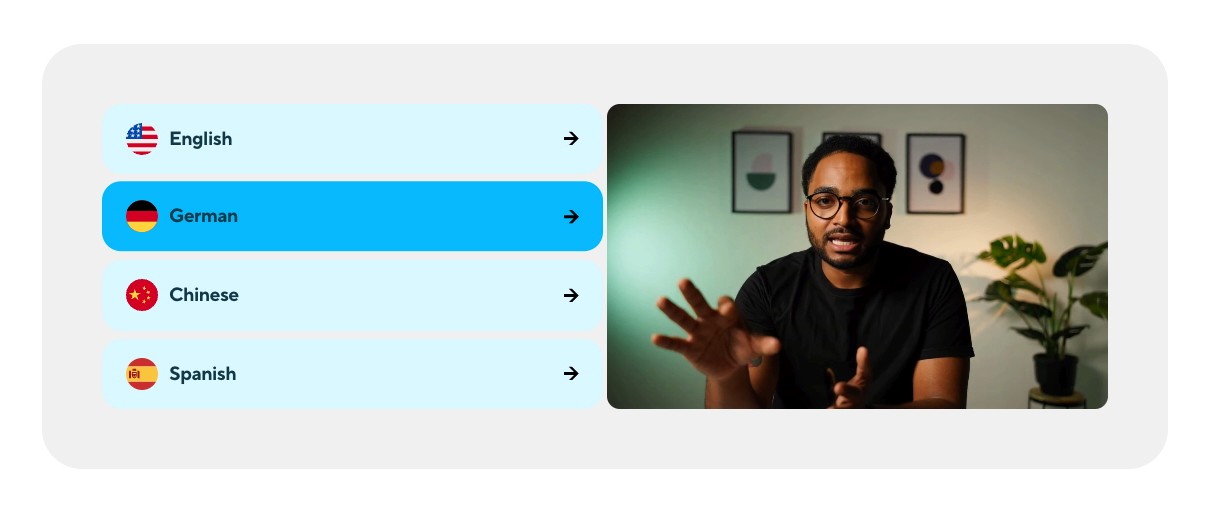
140+ languages with one-click translation
Interactive video with quizzes and branching paths
Enterprise security: SOC 2, SSO, admin controls
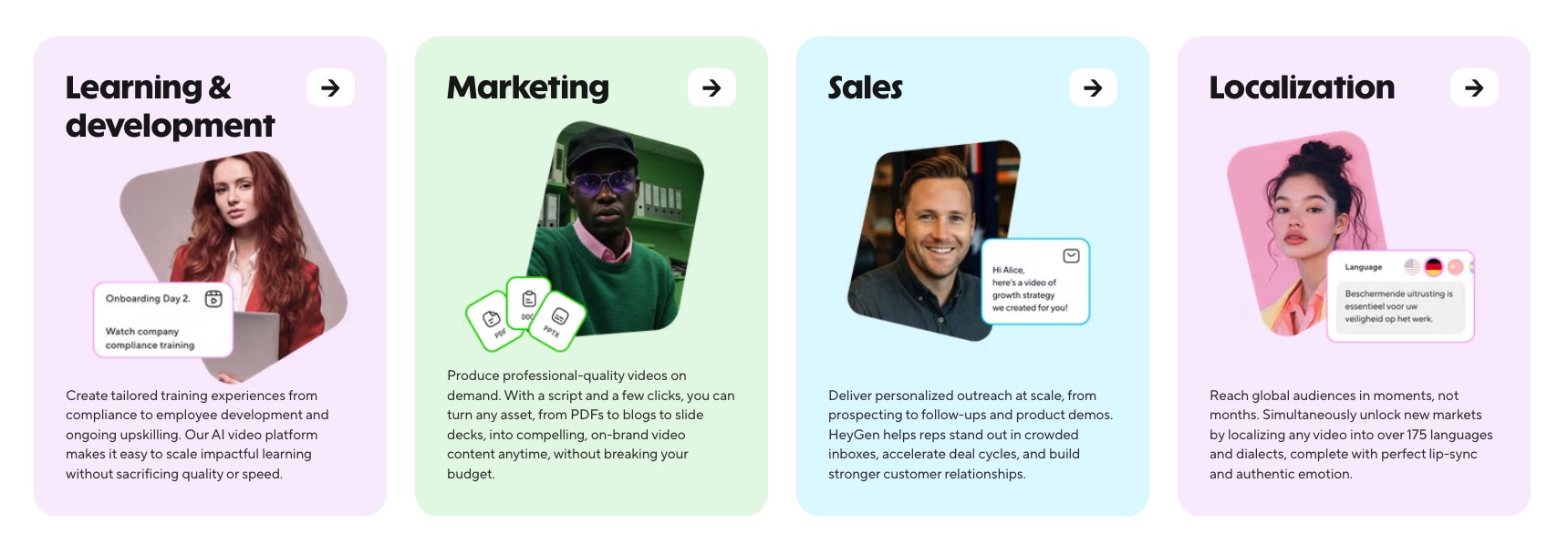
LMS integration for training workflows
Pricing: Creator plan from around $24/month. Limited free tier available.
Best fit: Marketing teams and enterprises needing polished avatar video across multiple languages. Also works for internal comms and training localization.
Where it falls short vs Creatify: HeyGen is a general avatar video tool. It doesn't offer URL-to-ad conversion, batch ad production, or performance marketing workflows. For ad creation specifically, it's not designed for that job.
2. Creatify
Best for: performance marketers, ecommerce brands, and ad agencies
If the reason you're looking past D-ID is ad performance, not avatar quality in general, Creatify is a different kind of product. D-ID generates talking-head video for general use cases. Creatify was built specifically for ad creation: turning product URLs into ready-to-run video ads in minutes, at a fraction of traditional production costs.
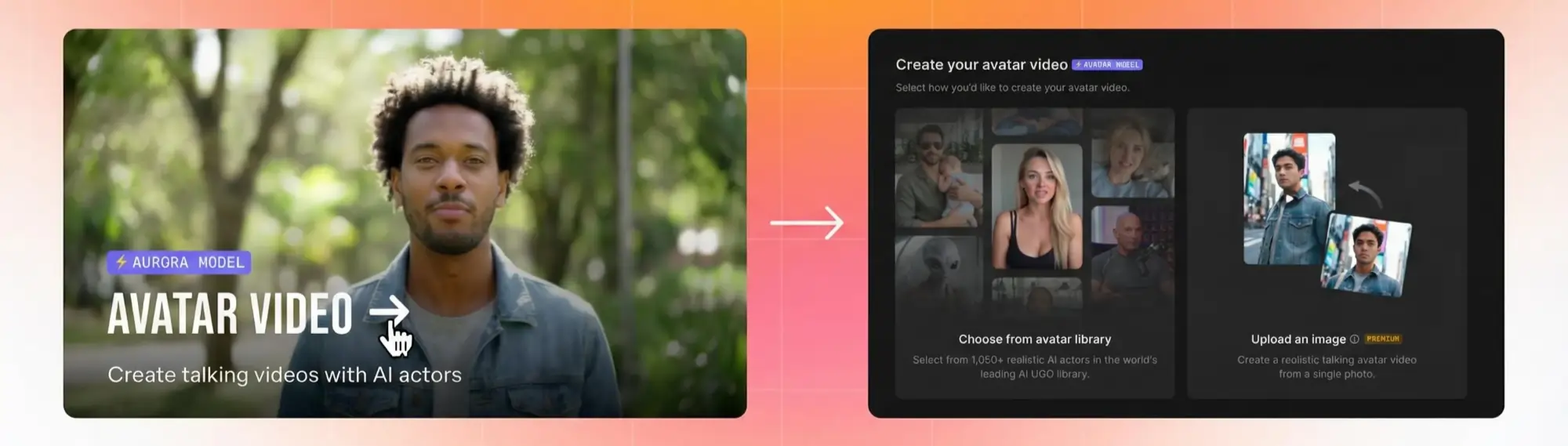
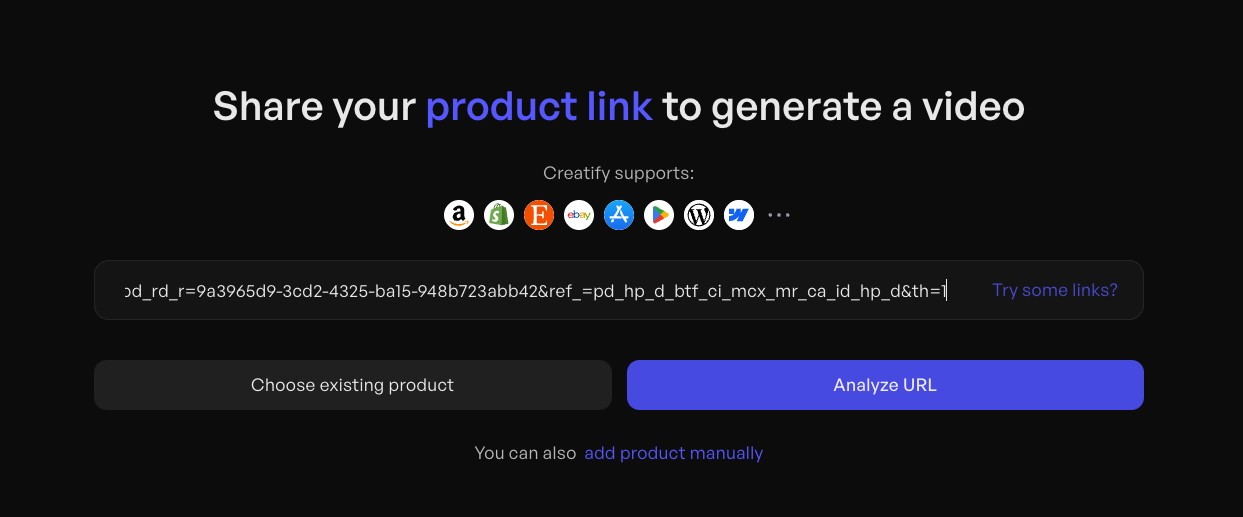
How it works: Paste a product link from Shopify, Amazon, App Store, or Google Play. Creatify's AI scans the listing, extracts product details and images, generates multiple script variations optimized for your platform (TikTok, Meta, YouTube), and renders complete video ads. Start to finished ad in under 10 minutes vs weeks of agency back-and-forth.
What separates it:
1,500+ AI avatars powered by Aurora, Creatify's proprietary diffusion transformer model, with 24fps lip sync
29 languages with 210+ voices on Pro
UGC-style ad creation without filming: AI avatars simulate creator content at scale
Asset Generator with 23+ AI models including Sora 2 Pro, Veo 3.1, and Minimax for generative visuals
Batch mode for generating dozens of campaign variations daily
Direct ad launch to Meta and TikTok from within the platform
AdClone to replicate top-performing ad formats automatically
Pricing: Free plan (10 credits/month, watermarked), Starter at $19/month, Pro at $49/month. Enterprise on request.
Real-world result: Unicorn Marketers took over a Designrr ad account spending $5,000/day with a 0.77 ROAS and a depleted creative library. Using Creatify's Asset Generator, they produced 150+ video ad variations in 2 weeks. CPA dropped 45%, ROAS improved from 0.77 to 1.33, and the account unlocked a 15% budget increase.
Skip it if: you need L&D content, customer support agents, or API-driven digital human experiences. Creatify isn't built for those use cases.
Creatify vs. D-ID isn’t as straightforward as it seems, read the full article to see why.
3. Synthesia
Best for: corporate training and L&D teams
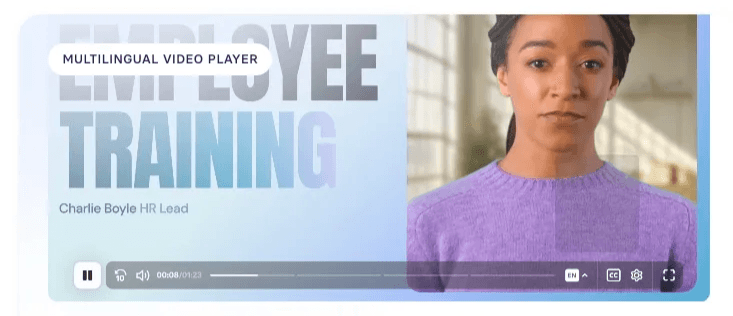
Synthesia is the most established name in enterprise avatar video for internal communications and training. It's where most large L&D teams land when they need professional avatar content at scale.
Strengths:
Polished templates for onboarding, compliance, and product walkthroughs
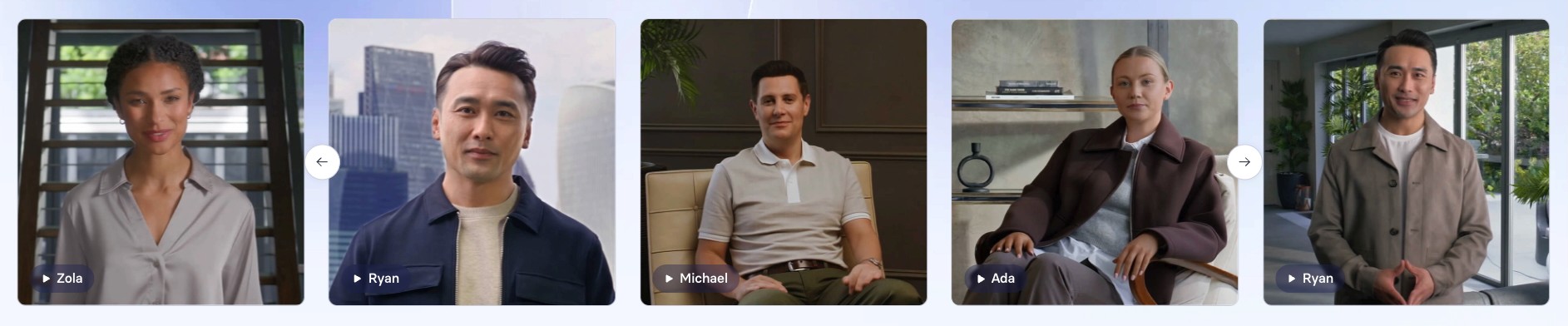
Curated avatar catalog built for professional settings
Clean, non-technical editing interface
Limitations: API is less central to the product vs D-ID's developer-first positioning. Less flexible for programmatic or ad-driven use cases.
Best fit: L&D teams and internal comms departments building structured training libraries. Not the right tool for ad creation or social content.
Read also: What is Synthesia AI and how does it work? Full 2026 guide
4. Colossyan
Best for: L&D teams with LMS integration requirements
Colossyan targets workplace learning specifically. It's built around SCORM output and LMS delivery, which makes it a better fit than D-ID or Synthesia for teams that need structured course infrastructure.

Strengths:
Deep LMS integrations
Interactive learning features built into the workflow
Optimized for course creation and localized training content
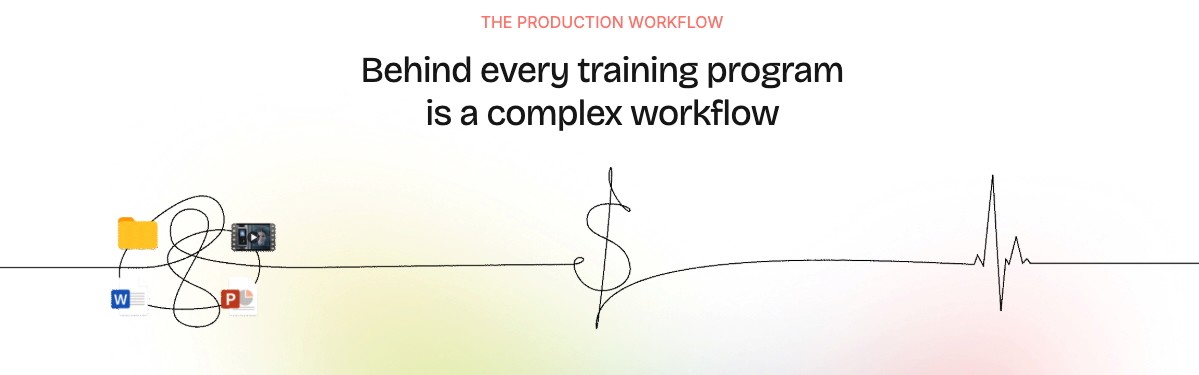
Best fit: Teams building formal training programs that need LMS delivery and interactive branching. Less suitable for social content, ads, or anything outside structured L&D.

5. InVideo
Best for: content creators who need more than talking heads

InVideo is a broader video creation platform with script-to-video automation, automatic B-roll, templates, and editing tools. It includes some avatar capabilities, though avatar realism is less central to the product than in D-ID, HeyGen, or Synthesia.
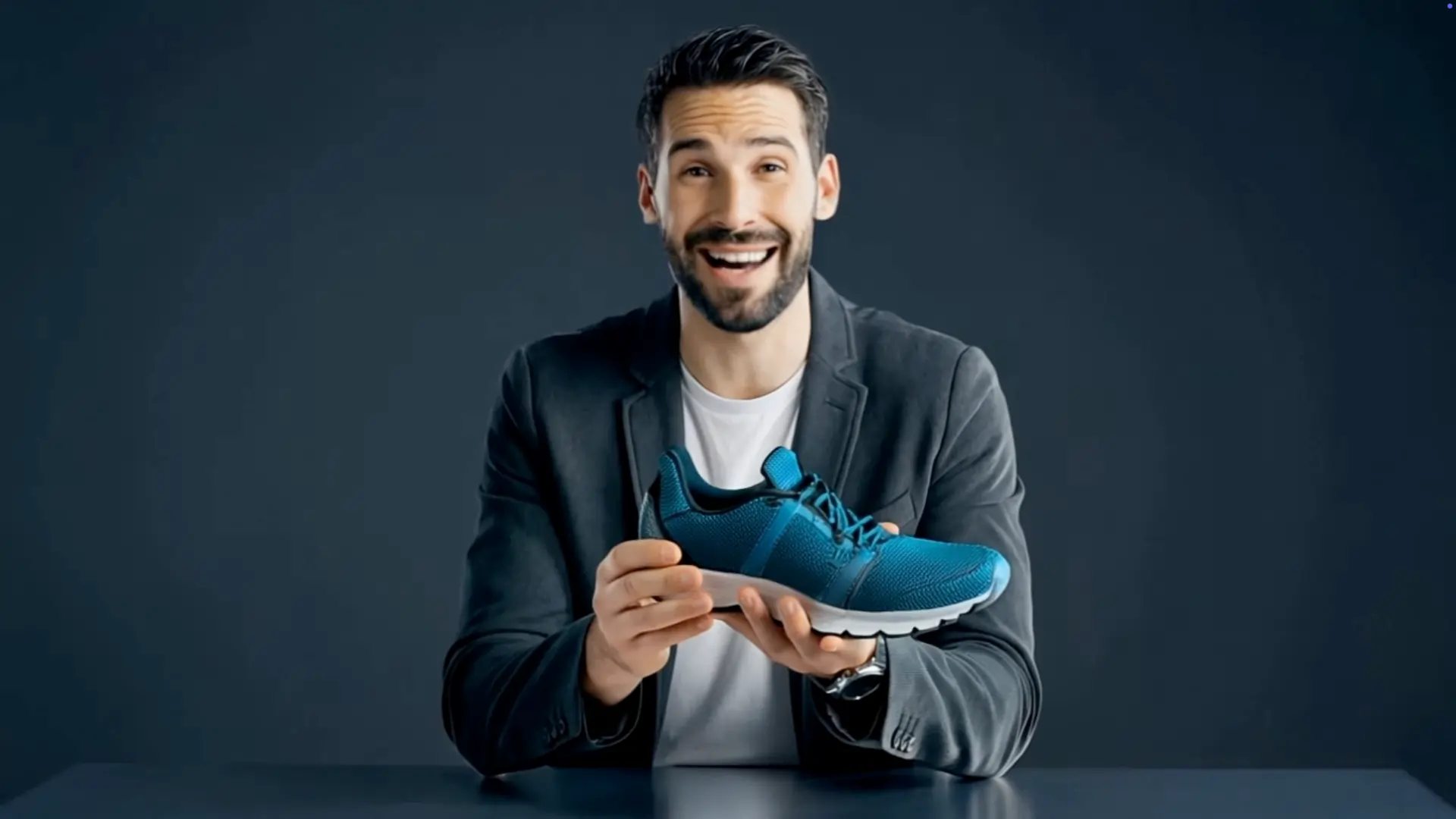
Strengths over D-ID:
Full script-to-video workflow with automatic B-roll sourcing
Broader editing flexibility beyond talking-head output
More accessible pricing for individual creators
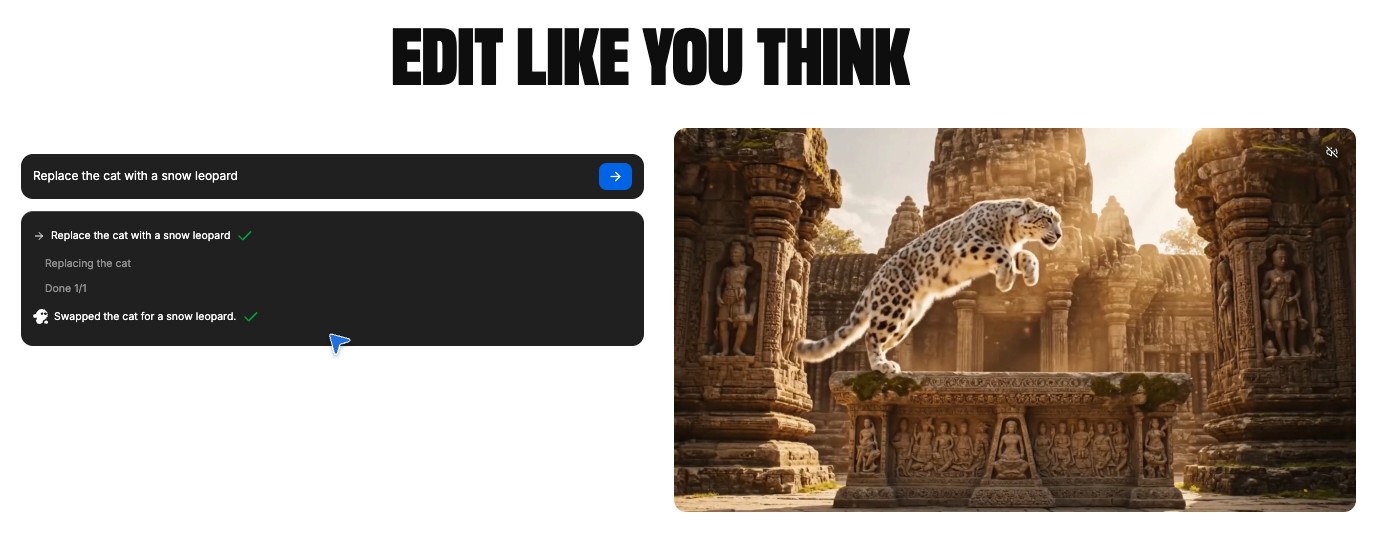
Limitations: Avatar quality and lip sync lag behind the purpose-built avatar platforms.
Best fit: Content creators and social media managers who want a flexible AI video tool at an approachable price and don't need enterprise-grade avatar realism.
6. Fliki
Best for: budget-conscious creators focused on content repurposing
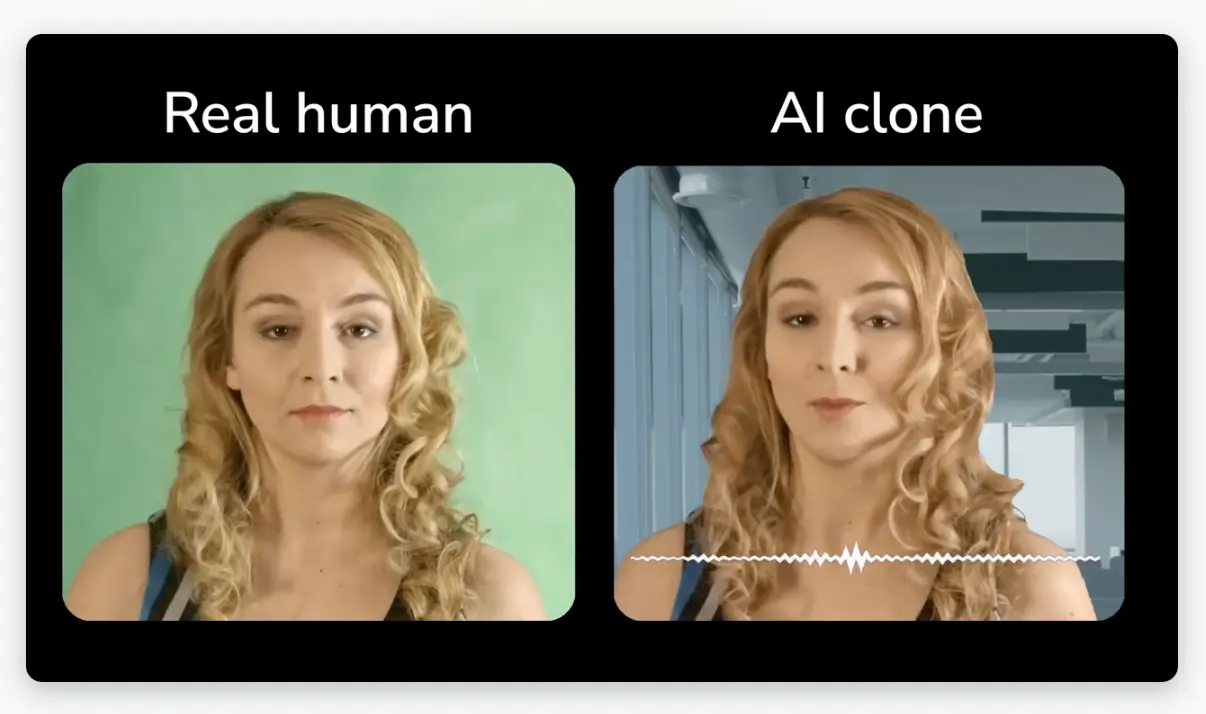
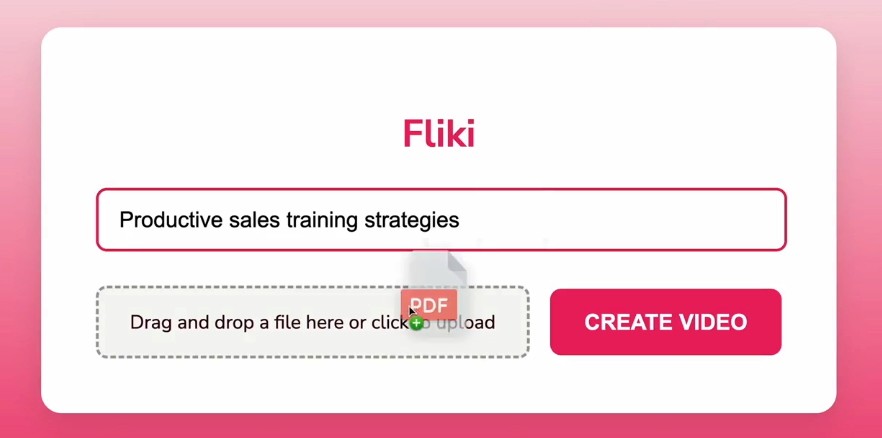
Fliki sits at the affordable end of the AI video market: text-to-video with stock footage, multi-language voiceover, and auto subtitles. It's aimed at solo creators and small teams who want solid output without paying enterprise prices.
Strengths:
Text-to-video with stock footage integration
Auto subtitles and multilingual voiceover
Good value at lower price points
Where it differs from D-ID: Less emphasis on photo-based talking avatars. Stronger on content repurposing workflows (blog to video, podcast to video).
Best fit: Individual creators who need affordable AI video with voice and stock footage. Not built for ad performance or enterprise training.
7. Elai
Best for: e-learning teams that find Synthesia too rigid

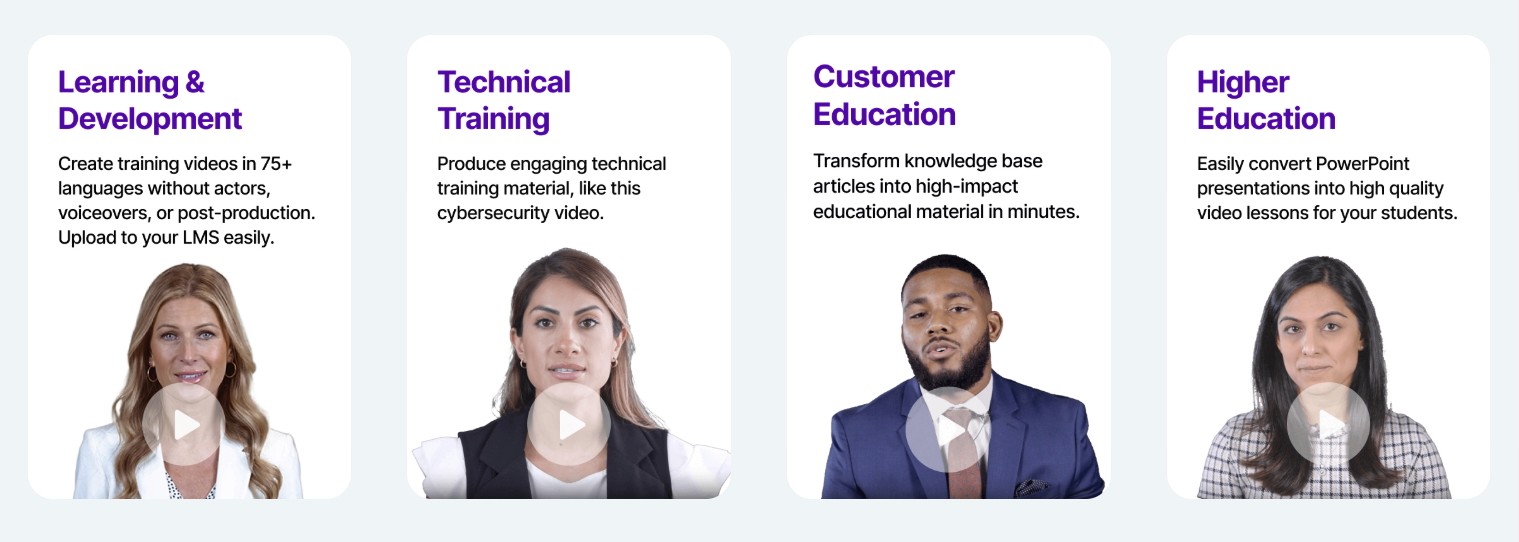
Elai occupies the same general space as Synthesia and Colossyan: avatar video for e-learning and training content. Worth considering for teams that want custom avatar creation within a structured template system at a more flexible price point.
Strengths:
Custom avatar creation
Templates optimized for e-learning and product explainer content
Best fit: Training and education teams that need custom avatars with a template-driven workflow. Similar positioning to Synthesia but with more flexibility on avatar customization.
8. VideoGen
Best for: small teams that need a full-featured video tool on a budget
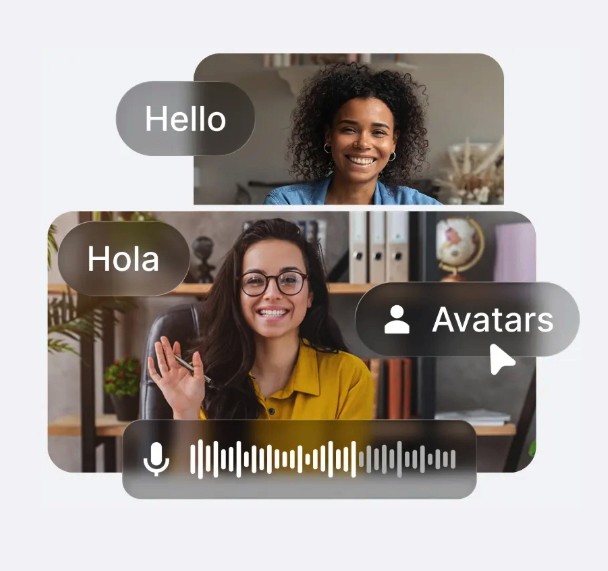
VideoGen positions itself as a broader D-ID alternative with a wider feature set per dollar: script-to-video, AI voiceover, auto B-roll, captions, translation, and team collaboration in a single tool.
Strengths:
Multi-feature workflow in one platform
Team collaboration and brand kit features
More approachable pricing than enterprise avatar tools
Best fit: Small teams that want broad video production capability without committing to a premium avatar-focused platform.
Read also: 17 best AI avatar generators and tools we tested in 2026
Quick comparison
Tool | Best for | Avatar quality | Free tier | Starting price |
|---|---|---|---|---|
HeyGen | Marketing, enterprise | High | Limited | ~$24/month |
Creatify | Video ads, ecommerce | High (Aurora) | Yes | $19/month |
Synthesia | Corporate training | High | No | Higher |
Colossyan | L&D with LMS | Good | Limited | Varies |
InVideo | Social content | Moderate | Yes | Freemium |
Fliki | Content repurposing | Basic | Yes | Lower |
Elai | E-learning | Good | Limited | Varies |
VideoGen | Team video workflows | Moderate | Yes | Lower |
D-ID | Agents, API campaigns | Good | Trial only | ~$6+/month |
What "free D-ID alternative" actually means for you
Most tools marketed as free D-ID alternatives fall into one of two buckets.
Restricted free tiers: watermarked exports, limited credits, lower-resolution output, fewer avatars. Creatify's free plan gives you 10 credits/month (about 2 video ads), full access to the AI scriptwriter, and watermarked exports. HeyGen has a restricted free tier. InVideo AI and Fliki run freemium models with caps.
Time-limited trials: full access for a short window before payment kicks in. D-ID's own Studio falls here.
The honest trade-off: free tiers work for testing a tool's quality. For anything you'll actually publish, plan on at least $19-$24/month to get clean exports and a meaningful credit volume.
Privacy, consent, and the ethics of AI avatars
Every tool in this space, D-ID included, touches on some non-trivial considerations worth thinking through before you commit.
Where is your data stored? Ask specifically about avatar and voice data, who can access it, and whether you can request deletion.
Likeness consent. Using real people's faces in AI-generated video requires documented consent. Every reputable platform restricts unauthorized likeness use in their terms.
Deepfake safeguards. Check acceptable-use policies before signing. Legitimate platforms block political deepfakes, non-consensual content, and impersonation.
Security compliance for enterprise teams. Confirm SOC 2 certification, SSO support, and DPA agreements before you're mid-implementation. Creatify is SOC 2 Type II certified.
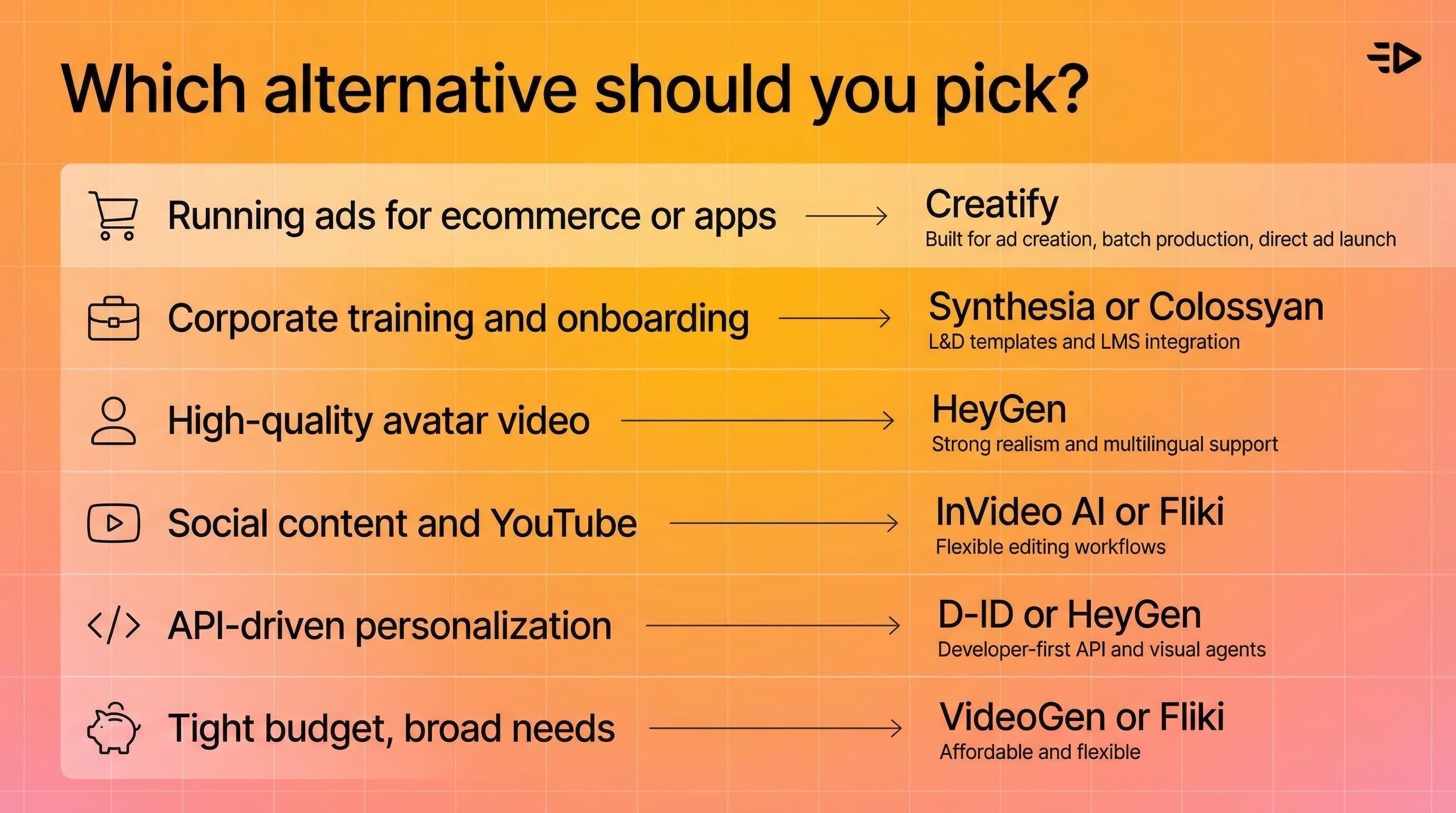
Which alternative should you pick?
Running video ads for ecommerce, DTC, or apps: Creatify. It's the only tool on this list purpose-built for ad creation. URL-to-video, batch production, and direct ad launch to Axon by Applovin, Meta, and TikTok make it a different category from general avatar platforms.
Corporate training and onboarding: Synthesia or Colossyan. Both are purpose-built for L&D with templates and LMS integration.
High-quality avatar video for marketing: HeyGen. Best avatar realism among D-ID's direct competitors, with strong enterprise controls and multilingual capabilities.
Social content and YouTube at a lower price point: InVideo AI or Fliki. More flexible editing workflows vs D-ID's talking-head focus.
API-driven personalization and visual agents: D-ID remains strong here, with its developer-first API model and Visual AI Agents product. HeyGen is also a solid option for enterprise API builds.
Tight budget, broad video needs: VideoGen or Fliki offer reasonable feature sets without premium avatar pricing.
Tips for switching tools (before you commit)
Test the same script through 2-3 tools before you decide. Avatar realism, lip sync quality, and voice accuracy vary more than pricing pages suggest. What looks good in a product demo screenshot can feel different once you're rendering your actual product and language.
Write your script before opening any tool. Hook, value prop, CTA. Tools that auto-generate scripts often default to generic phrasing that needs a rewrite anyway.
Check export quality on your actual distribution platform. Compression from TikTok and Meta can expose quality gaps that aren't visible on a desktop preview.
If you're evaluating API access, check rate limits, webhook support, and documentation depth before you're mid-integration. API quality varies a lot across this category.
The bottom line
D-ID built something real in the digital human space. But "best D-ID alternative" is a use-case question, not a single-answer ranking. Training content, video ad creation, social video, and API-driven personalization are different jobs that need different tools.
For performance marketers and ecommerce brands who need video creative at scale, the comparison with D-ID isn't really close. D-ID is a digital human platform. Creatify is an ad machine. They're solving different problems.
Try Creatify free and generate your first video ad from a product URL. No agency, no shoot, no waiting.
Frequently asked questions
What are the top D-ID competitors in 2026?
The strongest D-ID competitors vary by use case. For high-quality avatar video and marketing content, HeyGen and Synthesia are the most direct alternatives. For video ad creation and ecommerce, Creatify is purpose-built in a way D-ID isn't. For training and L&D, Colossyan and Elai.io are more specialized. For budget-friendly social content, InVideo AI and Fliki are solid options.
What is a good free alternative to D-ID?
Creatify offers a permanent free plan with 10 credits/month (enough for about 2 short video ads), full AI scriptwriter access, and watermarked exports. HeyGen has a restricted free tier. InVideo AI and Fliki both offer freemium plans with caps on exports or resolution. Most free tiers add watermarks, so plan to upgrade if you're publishing commercially.
What is D-ID AI used for?
D-ID is primarily used to create talking avatar videos from photos or text, run multilingual video dubbing, and build Visual AI Agents for customer experience and training. Main use cases are marketing content, corporate training, customer support, and developer-built AI experiences via API.
Is there a D-ID alternative specifically for video ads?
Yes. Creatify is built for ad creation, which is a different use case from D-ID's general avatar video platform. Paste a product URL and Creatify generates multiple platform-optimized video ads in minutes, with direct launch to Meta and TikTok. D-ID doesn't offer this workflow.
How does D-ID pricing compare to alternatives?
D-ID starts around $6+/month with per-minute or credit-based pricing. Alternatives range from free (with watermarks) to $49/month and up. Creatify's Pro plan at $49/month includes 2,400 credits/year, 1,500+ avatars, batch production, and direct ad platform integration. HeyGen's Creator plan starts around $24/month. Most tools offer free tiers with meaningful restrictions.
What should I check before switching from D-ID?
Run the same script through 2-3 tools and compare avatar realism, lip sync quality, voice accuracy, and export resolution. Also check: data storage and deletion policies, likeness consent terms, commercial rights on exports, and whether the tool integrates with your stack (LMS, CRM, Meta/TikTok).
Can I make AI avatar videos without D-ID?
Yes, and most of the tools in this guide do it well. HeyGen and Synthesia are the strongest general-purpose alternatives. For ad-focused avatar content (UGC-style, presenter ads, product demos), Creatify's 1,500+ avatar library with Aurora-powered lip sync generates ready-to-run ad creatives optimized for paid social performance.
What does "did ai" refer to?
"DID AI" typically refers to D-ID's AI platform, which includes Creative Reality Studio for talking avatar video, Visual AI Agents for branded digital humans, and a developer API for programmatic personalization. It's sometimes also used as a shorthand search for the broader category of AI avatar and digital human tools.
D-ID has been in the AI video space since 2017. It's generated over 200 million avatar videos, built a developer community of 280,000+, and counts enterprise names like PepsiCo and Deloitte among its customers. That's some real traction.
And yet the search demand for D-ID alternatives has grown steadily, which tells you something. The reasons are specific: lip sync that feels mechanical, limited video formatting beyond talking heads, pricing that gets expensive at scale, and a product that tries to serve everyone from developers to marketers to L&D teams, which means it's optimized for none of them in particular.
This guide breaks that down by use case, covers 8 alternatives honestly, and tells you which tool fits which job.
What D-ID actually does in 2026
D-ID's flagship product is Creative Reality Studio, a self-service web app that converts text, audio, or images into talking avatar videos. Beyond the core studio, the platform has expanded into:
Visual AI Agents: branded digital humans for customer experience and training workflows
Video Translate: multilingual dubbing with lip sync
Video Campaigns: personalized video messages at scale, delivered via API
The platform targets marketers, L&D teams, customer experience leads, content creators, and developers building AI-driven products. It's explicitly API-first, with separate usage-based pricing for programmatic access.
Pricing follows a tiered model with per-minute or per-credit options, plus a limited free trial.
Why people search for D-ID alternatives
Lip sync quality. The animation can feel mechanical, particularly with fast speech or nuanced expressions.
Narrow video format. D-ID is strong on talking-head output but thin on B-roll, stock footage integration, editing tools, and template-driven workflows.
Price-to-volume ratio. Credit-based pricing scales awkwardly for teams producing at volume.
Use case mismatch. D-ID was built for a broad audience. Teams with specific needs (ads, L&D, social content) often find a focused tool does the job better.
How to evaluate D-ID alternatives
Run any candidate against these dimensions before committing:
Output type. Talking-head only, or full video workflow with B-roll, slides, and editing?
Avatar quality. Realism, micro-gestures, custom avatar options, lip sync accuracy.
Languages and voices. How many languages, what voice quality looks like in practice, whether voice cloning is available.
Workflow depth. Does it write scripts, suggest hooks, auto-cut B-roll, or hand you a blank canvas?
API and integrations. API maturity, LMS and CRM connectors, SSO, security compliance (SOC 2).
Governance. Data storage policies, likeness consent, deepfake safeguards, commercial rights on exports.
Pricing structure. Free tiers, per-video vs per-minute billing, team features, and actual monthly cost at your volume.
The four categories of D-ID alternatives
The market has broken into four distinct segments. Knowing which one fits your workflow cuts testing time significantly.
Pure avatar video platforms focus on realistic digital presenters and talking-head video (HeyGen, Synthesia, DeepBrain). These are D-ID's closest head-to-head competitors.
Training and L&D platforms are optimized for workplace learning, SCORM output, and LMS integration (Colossyan, Elai.io). Built for courses and compliance, not ads.
General AI video tools combine avatars with stock footage, auto B-roll, and editing for social and YouTube content (InVideo AI, Fliki).
Ad-focused AI video platforms are purpose-built for performance marketing: product ads, ecommerce creatives, and UGC-style content at volume. This is a genuinely different category from the others, and it's where Creatify sits.
8 top D-ID alternatives in 2026
1. HeyGen
Best for: marketing teams needing high-quality avatar video at scale
HeyGen is D-ID's most direct competitor, the first alternative most people try. It has built significant scale (15M+ users) on the back of avatar realism and multilingual video.
Strengths over D-ID:
230+ avatars with natural micro-gestures and broader expression range
140+ languages with one-click translation
Interactive video with quizzes and branching paths
Enterprise security: SOC 2, SSO, admin controls
LMS integration for training workflows
Pricing: Creator plan from around $24/month. Limited free tier available.
Best fit: Marketing teams and enterprises needing polished avatar video across multiple languages. Also works for internal comms and training localization.
Where it falls short vs Creatify: HeyGen is a general avatar video tool. It doesn't offer URL-to-ad conversion, batch ad production, or performance marketing workflows. For ad creation specifically, it's not designed for that job.
2. Creatify
Best for: performance marketers, ecommerce brands, and ad agencies
If the reason you're looking past D-ID is ad performance, not avatar quality in general, Creatify is a different kind of product. D-ID generates talking-head video for general use cases. Creatify was built specifically for ad creation: turning product URLs into ready-to-run video ads in minutes, at a fraction of traditional production costs.
How it works: Paste a product link from Shopify, Amazon, App Store, or Google Play. Creatify's AI scans the listing, extracts product details and images, generates multiple script variations optimized for your platform (TikTok, Meta, YouTube), and renders complete video ads. Start to finished ad in under 10 minutes vs weeks of agency back-and-forth.
What separates it:
1,500+ AI avatars powered by Aurora, Creatify's proprietary diffusion transformer model, with 24fps lip sync
29 languages with 210+ voices on Pro
UGC-style ad creation without filming: AI avatars simulate creator content at scale
Asset Generator with 23+ AI models including Sora 2 Pro, Veo 3.1, and Minimax for generative visuals
Batch mode for generating dozens of campaign variations daily
Direct ad launch to Meta and TikTok from within the platform
AdClone to replicate top-performing ad formats automatically
Pricing: Free plan (10 credits/month, watermarked), Starter at $19/month, Pro at $49/month. Enterprise on request.
Real-world result: Unicorn Marketers took over a Designrr ad account spending $5,000/day with a 0.77 ROAS and a depleted creative library. Using Creatify's Asset Generator, they produced 150+ video ad variations in 2 weeks. CPA dropped 45%, ROAS improved from 0.77 to 1.33, and the account unlocked a 15% budget increase.
Skip it if: you need L&D content, customer support agents, or API-driven digital human experiences. Creatify isn't built for those use cases.
Creatify vs. D-ID isn’t as straightforward as it seems, read the full article to see why.
3. Synthesia
Best for: corporate training and L&D teams
Synthesia is the most established name in enterprise avatar video for internal communications and training. It's where most large L&D teams land when they need professional avatar content at scale.
Strengths:
Polished templates for onboarding, compliance, and product walkthroughs
Curated avatar catalog built for professional settings
Clean, non-technical editing interface
Limitations: API is less central to the product vs D-ID's developer-first positioning. Less flexible for programmatic or ad-driven use cases.
Best fit: L&D teams and internal comms departments building structured training libraries. Not the right tool for ad creation or social content.
Read also: What is Synthesia AI and how does it work? Full 2026 guide
4. Colossyan
Best for: L&D teams with LMS integration requirements
Colossyan targets workplace learning specifically. It's built around SCORM output and LMS delivery, which makes it a better fit than D-ID or Synthesia for teams that need structured course infrastructure.
Strengths:
Deep LMS integrations
Interactive learning features built into the workflow
Optimized for course creation and localized training content
Best fit: Teams building formal training programs that need LMS delivery and interactive branching. Less suitable for social content, ads, or anything outside structured L&D.
5. InVideo
Best for: content creators who need more than talking heads
InVideo is a broader video creation platform with script-to-video automation, automatic B-roll, templates, and editing tools. It includes some avatar capabilities, though avatar realism is less central to the product than in D-ID, HeyGen, or Synthesia.
Strengths over D-ID:
Full script-to-video workflow with automatic B-roll sourcing
Broader editing flexibility beyond talking-head output
More accessible pricing for individual creators
Limitations: Avatar quality and lip sync lag behind the purpose-built avatar platforms.
Best fit: Content creators and social media managers who want a flexible AI video tool at an approachable price and don't need enterprise-grade avatar realism.
6. Fliki
Best for: budget-conscious creators focused on content repurposing
Fliki sits at the affordable end of the AI video market: text-to-video with stock footage, multi-language voiceover, and auto subtitles. It's aimed at solo creators and small teams who want solid output without paying enterprise prices.
Strengths:
Text-to-video with stock footage integration
Auto subtitles and multilingual voiceover
Good value at lower price points
Where it differs from D-ID: Less emphasis on photo-based talking avatars. Stronger on content repurposing workflows (blog to video, podcast to video).
Best fit: Individual creators who need affordable AI video with voice and stock footage. Not built for ad performance or enterprise training.
7. Elai
Best for: e-learning teams that find Synthesia too rigid
Elai occupies the same general space as Synthesia and Colossyan: avatar video for e-learning and training content. Worth considering for teams that want custom avatar creation within a structured template system at a more flexible price point.
Strengths:
Custom avatar creation
Templates optimized for e-learning and product explainer content
Best fit: Training and education teams that need custom avatars with a template-driven workflow. Similar positioning to Synthesia but with more flexibility on avatar customization.
8. VideoGen
Best for: small teams that need a full-featured video tool on a budget
VideoGen positions itself as a broader D-ID alternative with a wider feature set per dollar: script-to-video, AI voiceover, auto B-roll, captions, translation, and team collaboration in a single tool.
Strengths:
Multi-feature workflow in one platform
Team collaboration and brand kit features
More approachable pricing than enterprise avatar tools
Best fit: Small teams that want broad video production capability without committing to a premium avatar-focused platform.
Read also: 17 best AI avatar generators and tools we tested in 2026
Quick comparison
Tool | Best for | Avatar quality | Free tier | Starting price |
|---|---|---|---|---|
HeyGen | Marketing, enterprise | High | Limited | ~$24/month |
Creatify | Video ads, ecommerce | High (Aurora) | Yes | $19/month |
Synthesia | Corporate training | High | No | Higher |
Colossyan | L&D with LMS | Good | Limited | Varies |
InVideo | Social content | Moderate | Yes | Freemium |
Fliki | Content repurposing | Basic | Yes | Lower |
Elai | E-learning | Good | Limited | Varies |
VideoGen | Team video workflows | Moderate | Yes | Lower |
D-ID | Agents, API campaigns | Good | Trial only | ~$6+/month |
What "free D-ID alternative" actually means for you
Most tools marketed as free D-ID alternatives fall into one of two buckets.
Restricted free tiers: watermarked exports, limited credits, lower-resolution output, fewer avatars. Creatify's free plan gives you 10 credits/month (about 2 video ads), full access to the AI scriptwriter, and watermarked exports. HeyGen has a restricted free tier. InVideo AI and Fliki run freemium models with caps.
Time-limited trials: full access for a short window before payment kicks in. D-ID's own Studio falls here.
The honest trade-off: free tiers work for testing a tool's quality. For anything you'll actually publish, plan on at least $19-$24/month to get clean exports and a meaningful credit volume.
Privacy, consent, and the ethics of AI avatars
Every tool in this space, D-ID included, touches on some non-trivial considerations worth thinking through before you commit.
Where is your data stored? Ask specifically about avatar and voice data, who can access it, and whether you can request deletion.
Likeness consent. Using real people's faces in AI-generated video requires documented consent. Every reputable platform restricts unauthorized likeness use in their terms.
Deepfake safeguards. Check acceptable-use policies before signing. Legitimate platforms block political deepfakes, non-consensual content, and impersonation.
Security compliance for enterprise teams. Confirm SOC 2 certification, SSO support, and DPA agreements before you're mid-implementation. Creatify is SOC 2 Type II certified.
Which alternative should you pick?
Running video ads for ecommerce, DTC, or apps: Creatify. It's the only tool on this list purpose-built for ad creation. URL-to-video, batch production, and direct ad launch to Axon by Applovin, Meta, and TikTok make it a different category from general avatar platforms.
Corporate training and onboarding: Synthesia or Colossyan. Both are purpose-built for L&D with templates and LMS integration.
High-quality avatar video for marketing: HeyGen. Best avatar realism among D-ID's direct competitors, with strong enterprise controls and multilingual capabilities.
Social content and YouTube at a lower price point: InVideo AI or Fliki. More flexible editing workflows vs D-ID's talking-head focus.
API-driven personalization and visual agents: D-ID remains strong here, with its developer-first API model and Visual AI Agents product. HeyGen is also a solid option for enterprise API builds.
Tight budget, broad video needs: VideoGen or Fliki offer reasonable feature sets without premium avatar pricing.
Tips for switching tools (before you commit)
Test the same script through 2-3 tools before you decide. Avatar realism, lip sync quality, and voice accuracy vary more than pricing pages suggest. What looks good in a product demo screenshot can feel different once you're rendering your actual product and language.
Write your script before opening any tool. Hook, value prop, CTA. Tools that auto-generate scripts often default to generic phrasing that needs a rewrite anyway.
Check export quality on your actual distribution platform. Compression from TikTok and Meta can expose quality gaps that aren't visible on a desktop preview.
If you're evaluating API access, check rate limits, webhook support, and documentation depth before you're mid-integration. API quality varies a lot across this category.
The bottom line
D-ID built something real in the digital human space. But "best D-ID alternative" is a use-case question, not a single-answer ranking. Training content, video ad creation, social video, and API-driven personalization are different jobs that need different tools.
For performance marketers and ecommerce brands who need video creative at scale, the comparison with D-ID isn't really close. D-ID is a digital human platform. Creatify is an ad machine. They're solving different problems.
Try Creatify free and generate your first video ad from a product URL. No agency, no shoot, no waiting.
Frequently asked questions
What are the top D-ID competitors in 2026?
The strongest D-ID competitors vary by use case. For high-quality avatar video and marketing content, HeyGen and Synthesia are the most direct alternatives. For video ad creation and ecommerce, Creatify is purpose-built in a way D-ID isn't. For training and L&D, Colossyan and Elai.io are more specialized. For budget-friendly social content, InVideo AI and Fliki are solid options.
What is a good free alternative to D-ID?
Creatify offers a permanent free plan with 10 credits/month (enough for about 2 short video ads), full AI scriptwriter access, and watermarked exports. HeyGen has a restricted free tier. InVideo AI and Fliki both offer freemium plans with caps on exports or resolution. Most free tiers add watermarks, so plan to upgrade if you're publishing commercially.
What is D-ID AI used for?
D-ID is primarily used to create talking avatar videos from photos or text, run multilingual video dubbing, and build Visual AI Agents for customer experience and training. Main use cases are marketing content, corporate training, customer support, and developer-built AI experiences via API.
Is there a D-ID alternative specifically for video ads?
Yes. Creatify is built for ad creation, which is a different use case from D-ID's general avatar video platform. Paste a product URL and Creatify generates multiple platform-optimized video ads in minutes, with direct launch to Meta and TikTok. D-ID doesn't offer this workflow.
How does D-ID pricing compare to alternatives?
D-ID starts around $6+/month with per-minute or credit-based pricing. Alternatives range from free (with watermarks) to $49/month and up. Creatify's Pro plan at $49/month includes 2,400 credits/year, 1,500+ avatars, batch production, and direct ad platform integration. HeyGen's Creator plan starts around $24/month. Most tools offer free tiers with meaningful restrictions.
What should I check before switching from D-ID?
Run the same script through 2-3 tools and compare avatar realism, lip sync quality, voice accuracy, and export resolution. Also check: data storage and deletion policies, likeness consent terms, commercial rights on exports, and whether the tool integrates with your stack (LMS, CRM, Meta/TikTok).
Can I make AI avatar videos without D-ID?
Yes, and most of the tools in this guide do it well. HeyGen and Synthesia are the strongest general-purpose alternatives. For ad-focused avatar content (UGC-style, presenter ads, product demos), Creatify's 1,500+ avatar library with Aurora-powered lip sync generates ready-to-run ad creatives optimized for paid social performance.
What does "did ai" refer to?
"DID AI" typically refers to D-ID's AI platform, which includes Creative Reality Studio for talking avatar video, Visual AI Agents for branded digital humans, and a developer API for programmatic personalization. It's sometimes also used as a shorthand search for the broader category of AI avatar and digital human tools.