
17 best AI avatar generators and tools we tested in 2026

17 best AI avatar generators and tools we tested in 2026

Feb 12, 2026

Best AI avatar generators and tools
Creatify logo
Creatify logo

Creatify Team

February 12, 2026

SHARE

LinkedIn icon
X icon
Facebook icon

IN THIS ARTICLE

Traditional video production can easily cost several thousand dollars per video and take weeks from brief to final edit, especially for corporate shoots. AI avatar generators cut that to minutes and significantly lower costs.

The explosion of AI avatars in 2024-2026 stems from three converging forces: cheaper video production through generative AI, demand for multilingual content at scale, and the dominance of short-form video across TikTok, Reels, and YouTube Shorts. What used to require cameras, actors, and studios now happens through text prompts and pre-trained models.

This guide compares the best AI avatar video generators across business training, performance marketing, and content creation. Whether you need the best AI avatar app for quick social posts or an AI avatar software for enterprise training, we'll cover how they work, what makes them different, and which tools fit specific use cases - not just a generic ranked list.

How AI avatar generators work

AI avatar generators combine three core technologies to turn text scripts into talking presenters.

Generative models create faces, bodies, and animation using diffusion transformers—the same architecture powering tools like Sora and Midjourney. These models learn realistic human features and motion from massive video datasets.

Text-to-speech and voice cloning handle natural narration. Modern systems use neural voice synthesis that captures prosody, emotion, and accent rather than robotic speech patterns. Some platforms offer 100+ voice options across 70+ languages.

Lip-sync and facial motion models match mouth movements to audio with frame-level precision. Advanced systems like Creatify's Aurora model generate full-body expressiveness including gestures, eye contact, head tilts, and natural breathing - not just moving lips.

The industry splits into three categories: script-to-video platforms with stock avatar libraries for corporate use, digital twin tools that clone real people's likeness and voice, and lightweight avatar apps for social content creation.
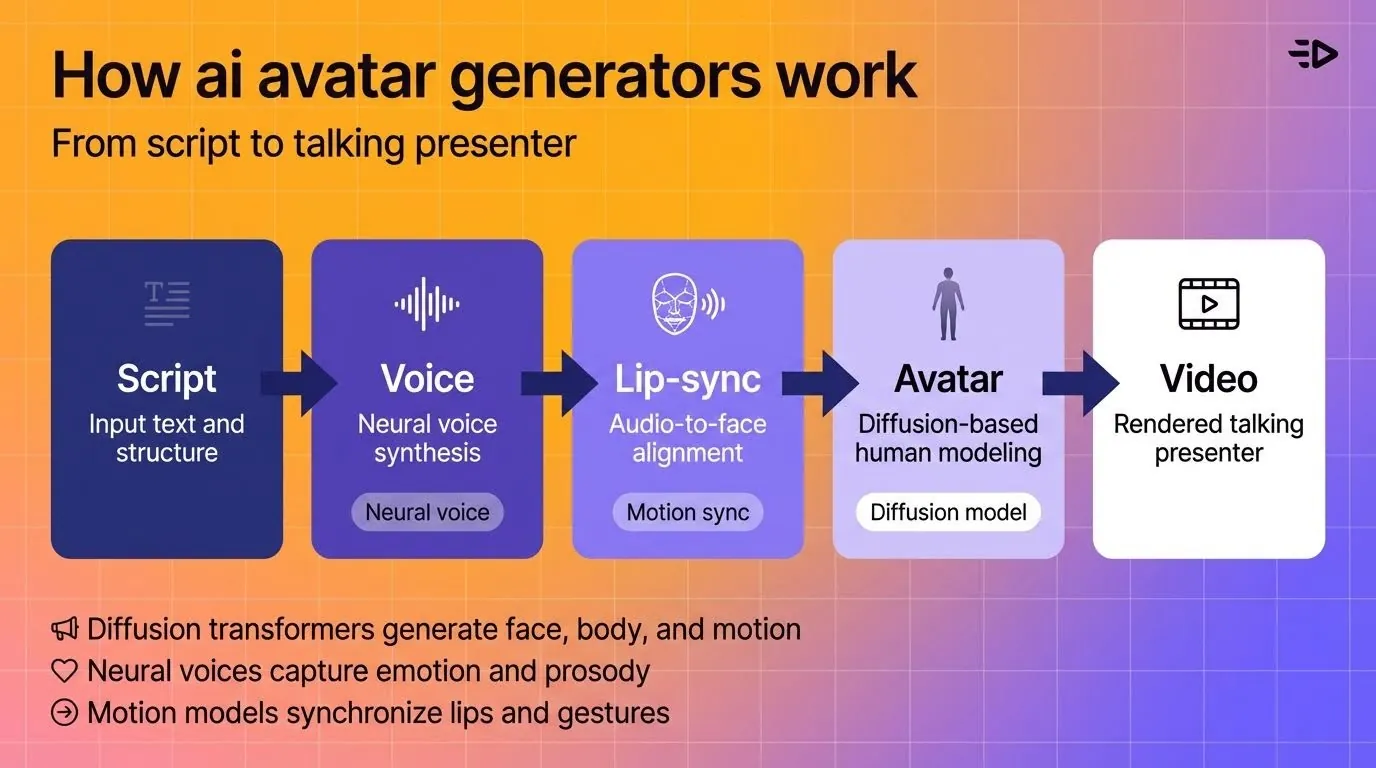
How ai avatar generators work

Comparison table: Top AI avatar platforms for 2026 (our picks)

Platform

Category

Key differentiator

Languages (approx.)

Custom avatars

Creatify

Performance ads

URL-to-Video, Aurora model, batch testing

75+

Yes (instant)

Synthesia

Corporate training

Mature platform, template library

140+

Yes

HeyGen

Marketing & explainers

Translation with lip-sync

175+

Yes

Colossyan

E-learning

Interactivity, SCORM, quizzes

70+

Yes (instant)

Arcads

Performance ads

1000+ AI actors, emotion control

~20-40

Yes

D-ID

Quick content

Still image animation

100+

Via photo upload

Elai

Corporate learning

Structured templates

75+

Yes

Higgsfield

Product ads

Product-to-video workflow

~40-60

Yes

Pictory

Content creation

Full editing suite

~60-80

Via integration

Veed.io

Social content

Beginner-friendly editor

~50-70

Basic

This table focuses on platforms with proven avatar capabilities. Advanced generative video models like Runway, Luma, and Kling offer stunning visual quality but require more technical skill and post-production work.

For marketers and L&D teams: Start with the business-oriented platforms above and treat Runway, Luma, and Kling as experimental options for standout campaigns, not as your primary stack.
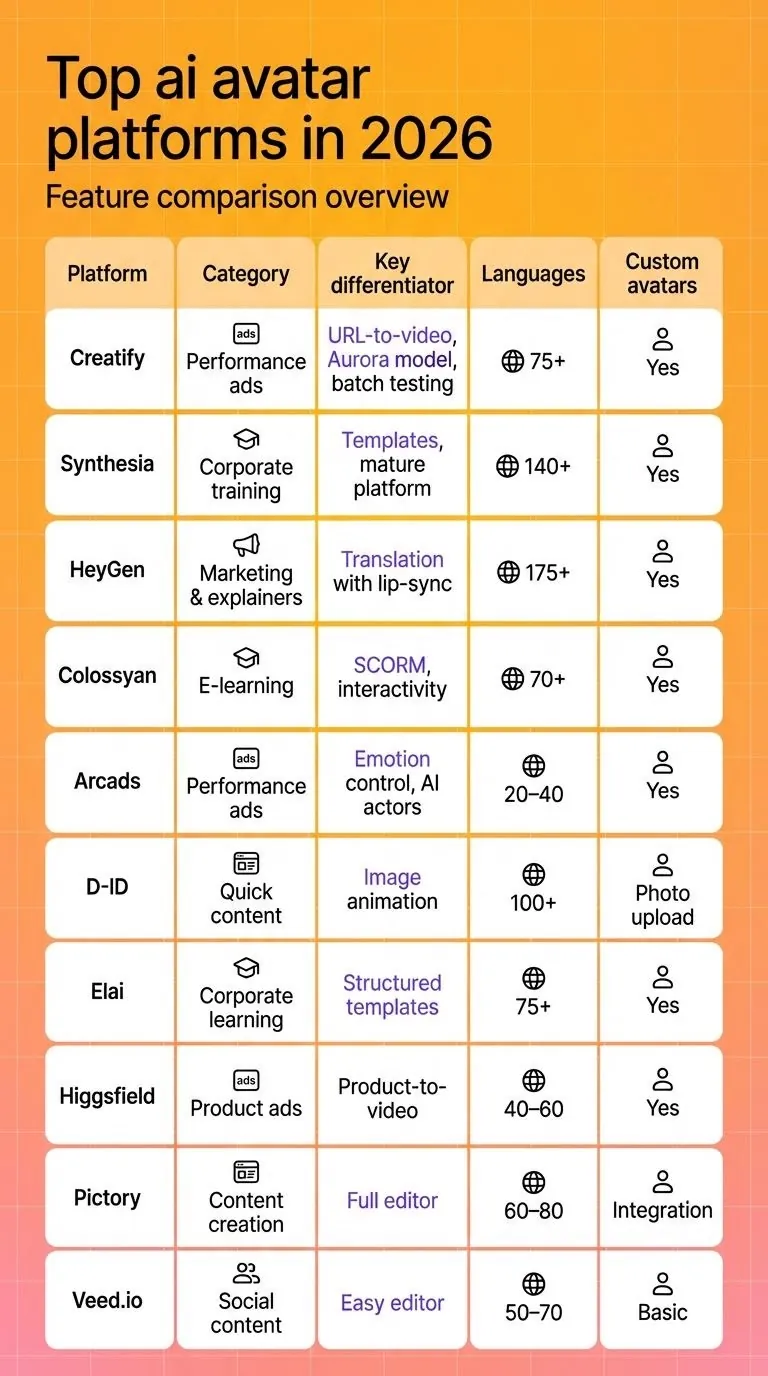
Top AI avatar platforms Table

17 Best AI avatar generators by use case: Detailed reviews

Top generators for performance ads

1. Creatify

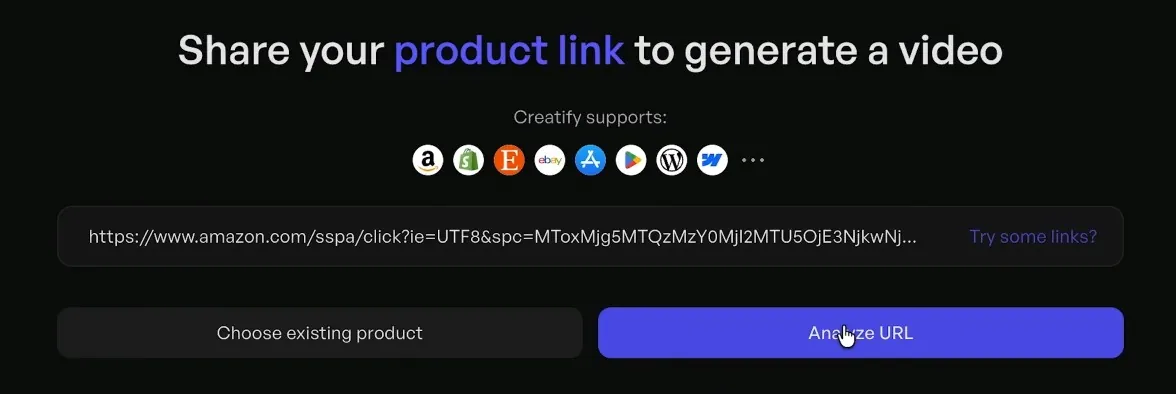
Creatify converts product URLs into multiple UGC-style video ads with AI avatars automatically. The platform targets DTC brands and performance marketers who need high-volume creative testing for Meta, TikTok, and YouTube ads.

The URL-to-Video workflow analyzes product pages to generate scripts, select relevant visuals, and build complete ad concepts in minutes. You get 10-20 variations from one URL without manual editing.

Creatify url to video SS

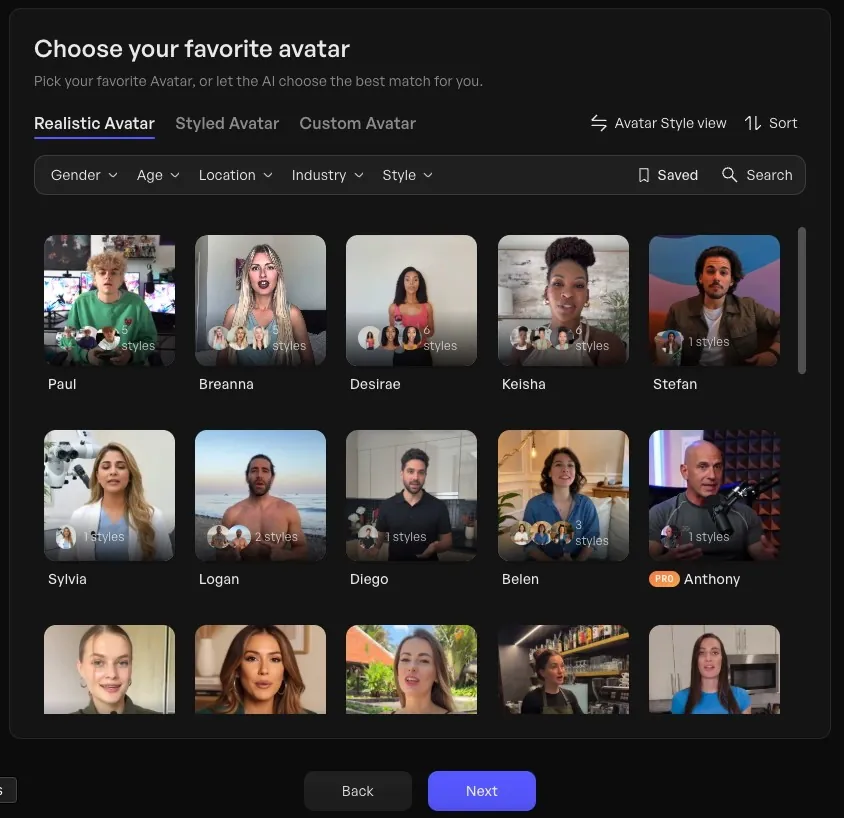
Creatify's Aurora diffusion transformer model delivers ultra-realistic lip-sync, full-body expressiveness including hand gestures and natural eye contact, and emotional range that matches voice tone. The platform offers 1500+ realistic AI avatars plus instant custom avatar creation—upload a photo or video, get a digital twin in minutes.

Creatify Avatar SS

Batch Mode generates dozens of ads simultaneously testing different hooks, avatars, languages, and CTAs. AI-powered insights suggest which creative elements perform best based on platform algorithms.

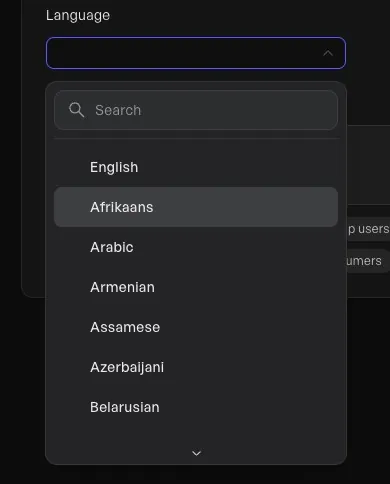
75+ language support with automatic localization lets you adapt winning ads for global markets without reshoots. The platform integrates with major ad platforms for direct publishing.

Creafity Languages

Pricing starts with a free plan and scales to paid tiers designed for different volumes of ad testing. Visit Creatify's website for current plan details.

Best for: Ecommerce brands, agencies, and app marketers who need to test 50-100+ ad variations monthly at a fraction of traditional production costs.

2. Arcads

Arcads focuses on hyper-realistic UGC ads with 1000+ controllable AI actors. The platform stands out for emotion control via text prompts—you can specify "excited," "skeptical," "calm," or other performance styles to match your brand voice.

Avatars can hold products, showcase apps on screen, and interact with props. This makes product demos more tangible than simple talking heads.
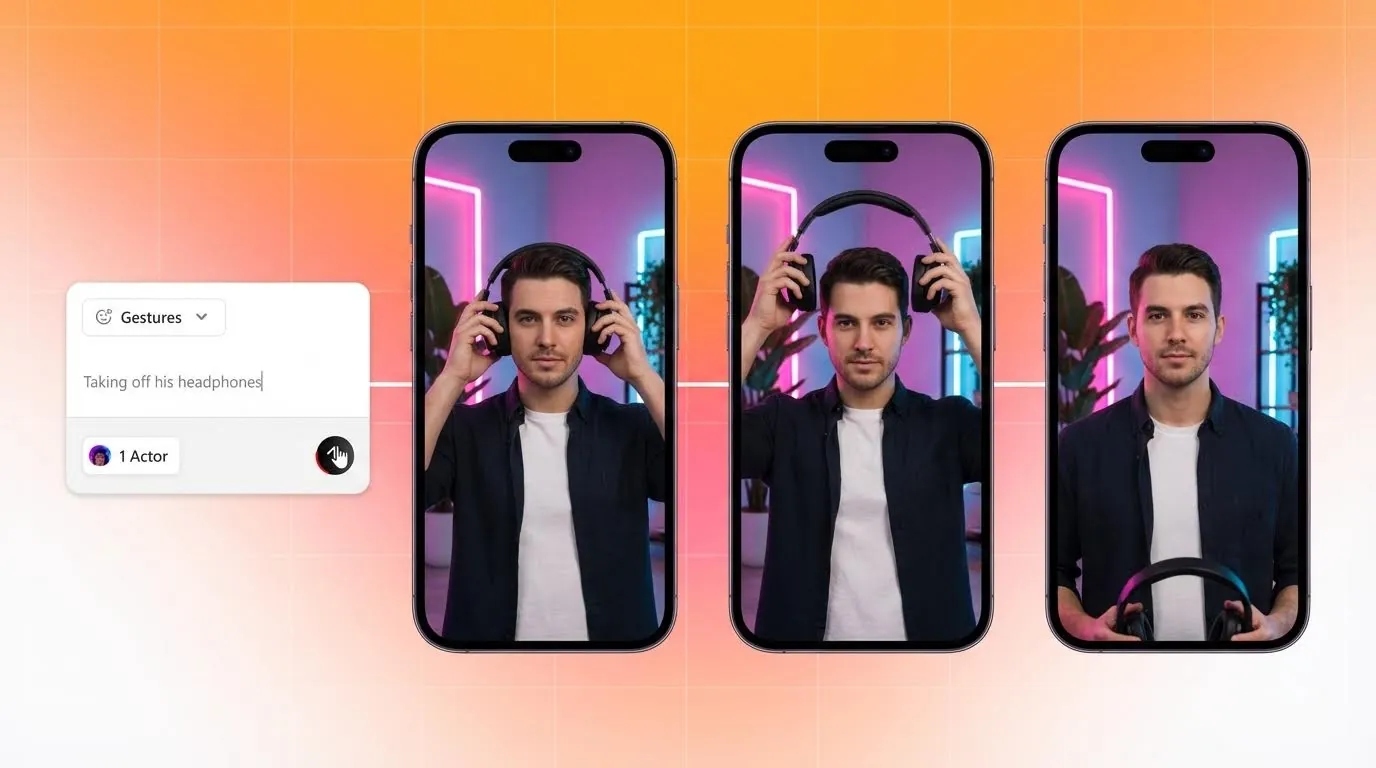
Arcads SS

Built-in AI video editing handles B-rolls, music, captions, transitions, and upscaling without separate tools. The workflow optimizes for creators and media buyers who want influencer-style content without hiring talent.

Avatar realism is strong for social media use cases, though the platform offers fewer languages and automation features than broader tools like Creatify or HeyGen.

Pricing starts at $110/month for the Starter plan, $220/month for Creator, and custom pricing for Pro - significantly higher than most AI avatar software platforms but potentially justified by the realism and control for high-budget campaigns.

Best for: Media buyers and performance marketers with larger budgets who prioritize maximum realism and creative control over volume testing and automation.

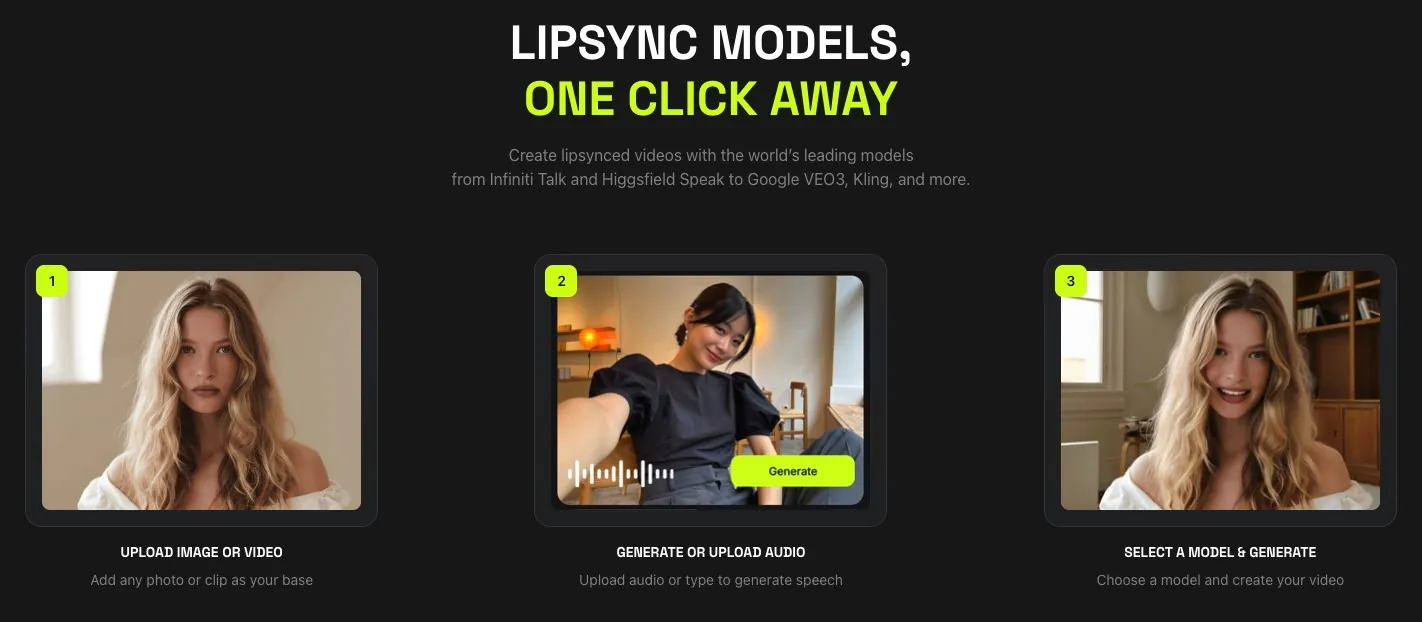
3. Higgsfield

Higgsfield converts product URLs and images into social-ready video ads with avatars. The platform targets SaaS companies and app marketers who need consistent "brand ambassador" avatars across help pages, landing pages, and paid ads.

Template library tunes for paid social and product explainers. Localized content scales efficiently—one avatar speaking multiple languages with consistent tone and pacing.

Higgsfield Avatar

The product-to-video workflow suits "how it works" sections and persistent spokesperson content better than rapid-fire ad testing. Avatar quality and motion are professional but not cutting-edge compared to Aurora or Arcads.

Higgsfield offers four plans: Basic at $9/month (150 credits, selected models), Pro at $29/month (600 credits, all models), Ultimate at $39/month (1,200 credits + 365 unlimited Nano Banana Pro, most popular), and Creator at $149/month (6,000 credits + unlimited Nano Banana Pro, includes exclusive Kling 3.0 access).

Best for: SaaS and app companies wanting a recognizable avatar spokesperson across marketing touchpoints.

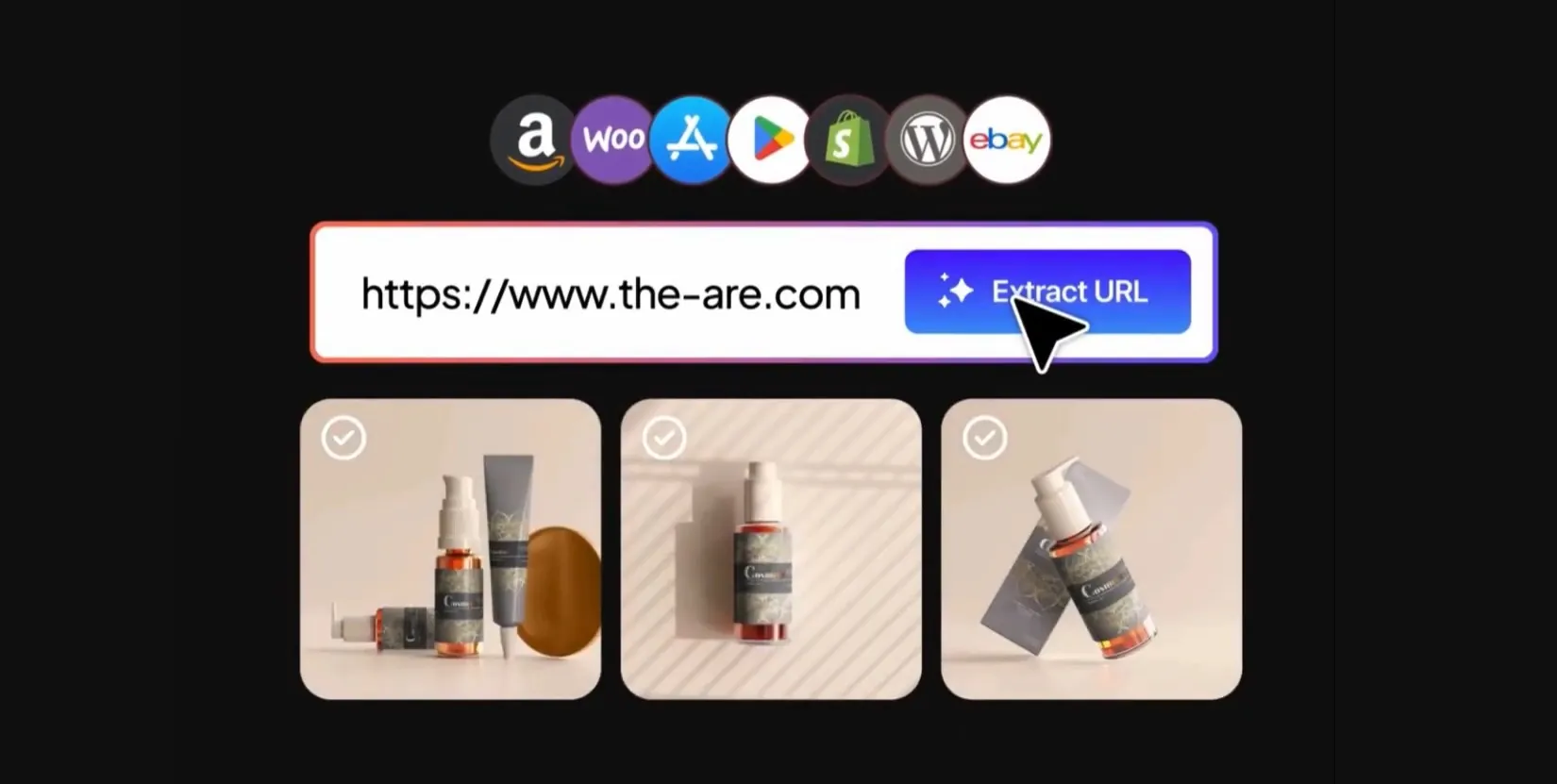
4. Tagshop

Tagshop generates AI video ads from e-commerce product URLs with 100+ hyper-realistic avatars. The platform emphasizes speed—instant product-to-video conversion for testing styles and tones

Tagshop SS

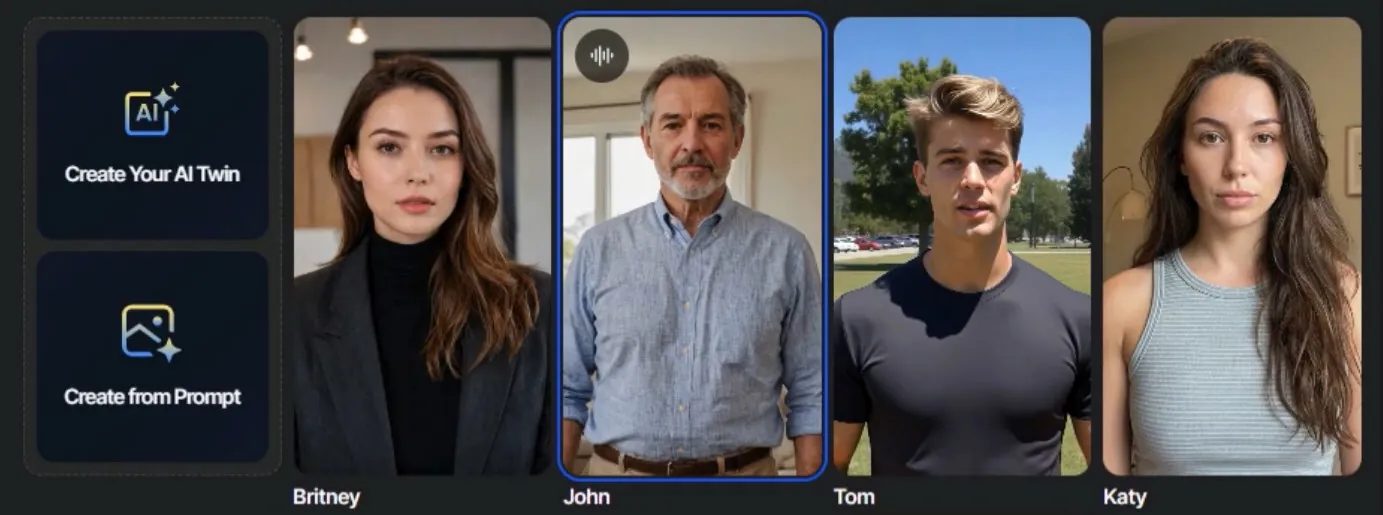
AI twin creation clones founders' or creators' faces and voices for consistent branding. This works well for DTC brands building personality-driven marketing.

Creatify Tagshop SS

The tool optimizes for e-commerce and dropshipping use cases specifically. Avatar quality is strong but the platform offers fewer advanced features than Creatify or HeyGen.

Tagshop offers a free plan with 15 credits for testing. Paid plans include Starter at $11/month (60 videos, up to 2 minutes, 20+ avatars, AI twin), Growth at $39/month (240 videos, up to 5 minutes, 100+ avatars), and Scale at $99/month (600 videos, up to 10 minutes, 300+ avatars, 4K export, dedicated account manager).

Best for: E-commerce sellers and dropshippers needing scalable AI avatar content for social ads and product detail page videos.

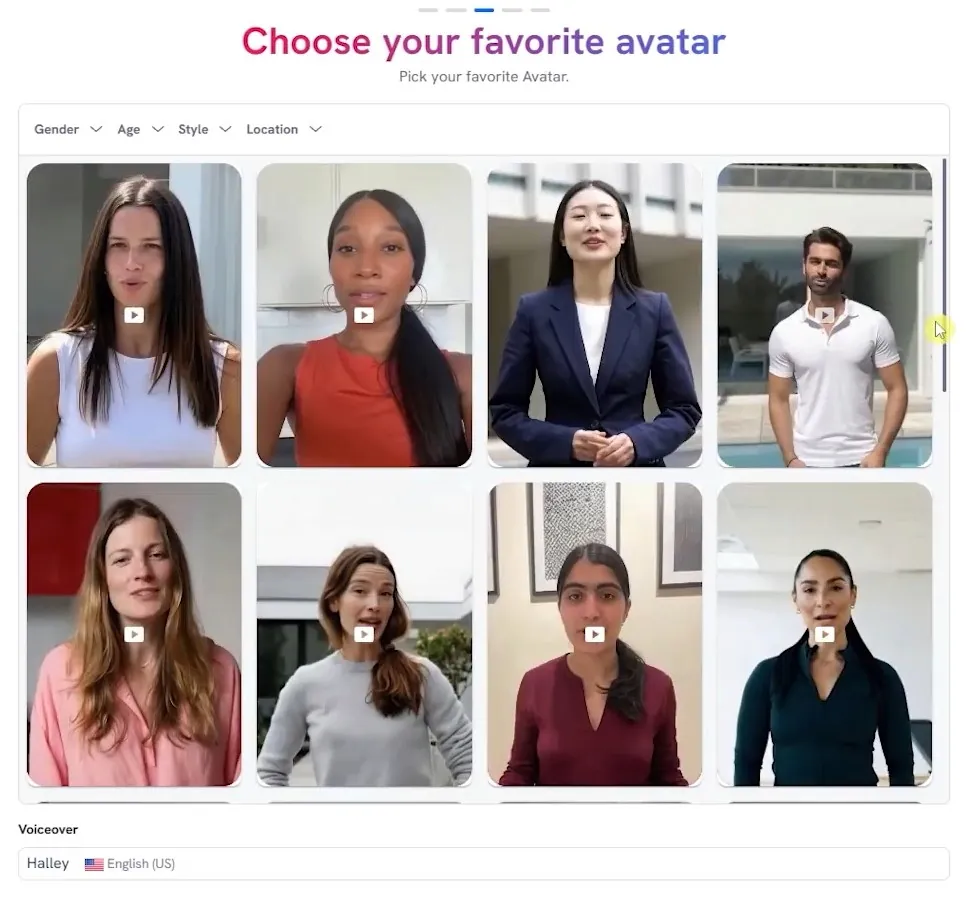
5. Predis.ai

Predis.ai converts product images and catalog data into short social videos. The platform integrates with Shopify, WooCommerce, and other e-commerce platforms for automated product video generation.

Predis ai SS

Templates and stock media target social media and product listing videos. Image-to-video workflows with character consistency work for basic avatar-style showcases.

The tool focuses more on product catalog automation than sophisticated avatar performance. Good for volume over quality when you need simple product videos at scale.

Predis.ai offers a free tier and paid plans typically starting around $20-30/month for creators, with business plans scaling up for more credits and video minutes. Check their current pricing for latest details.

Best for: Small e-commerce sellers and social media managers wanting simple avatar workflows without heavy editing.

Top AI avatar generators for corporate training

6. Synthesia

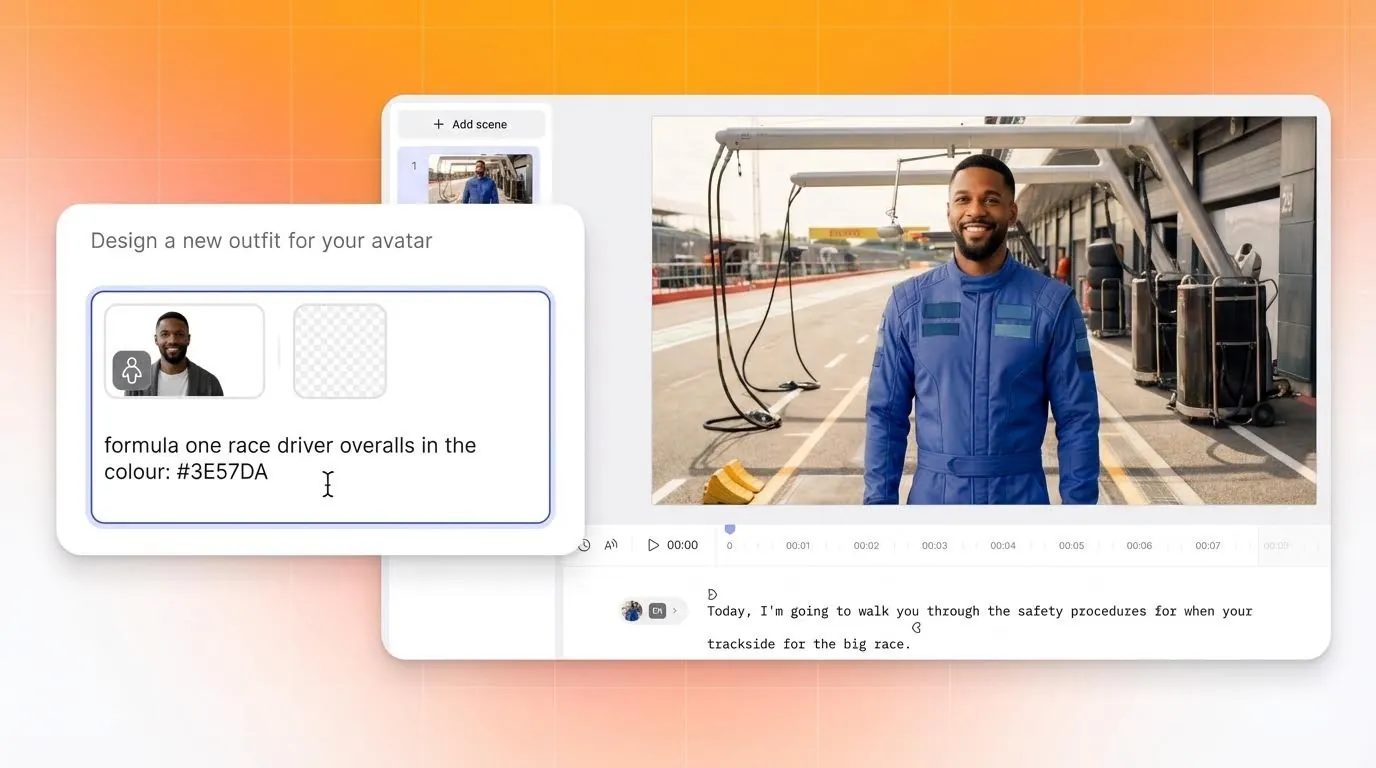
Synthesia pioneered enterprise AI avatar video for training, onboarding, and corporate communications. The mature platform offers extensive stock avatar libraries, custom avatar creation, and script-to-video workflows with automatic translation into 140+ languages.

Template integrations optimize for training content and help documentation. The platform handles complex projects with multiple collaborators and approval workflows.

Limitations include the emotional range of avatars and occasional robotic speech quality reported in reviews. The platform prioritizes reliability and compliance over cutting-edge realism.

SyntesiaSS

SOC 2 and GDPR compliance plus extensive documentation make enterprise adoption straightforward. Pricing targets teams and departments rather than individual creators.

As of early 2026, Synthesia's Starter plan typically runs $18-29/month on annual billing for individuals with limited minutes. Creator plans range around $64-89/month with higher minutes and personal avatar options. Enterprise pricing is custom based on seats, minutes, and security requirements.

Best for: Large organizations creating structured training content and corporate communications at scale.

7. HeyGen

HeyGen balances versatility with accessibility. The platform handles explainers, marketing content, and multilingual translation with lip-sync across 175+ languages.

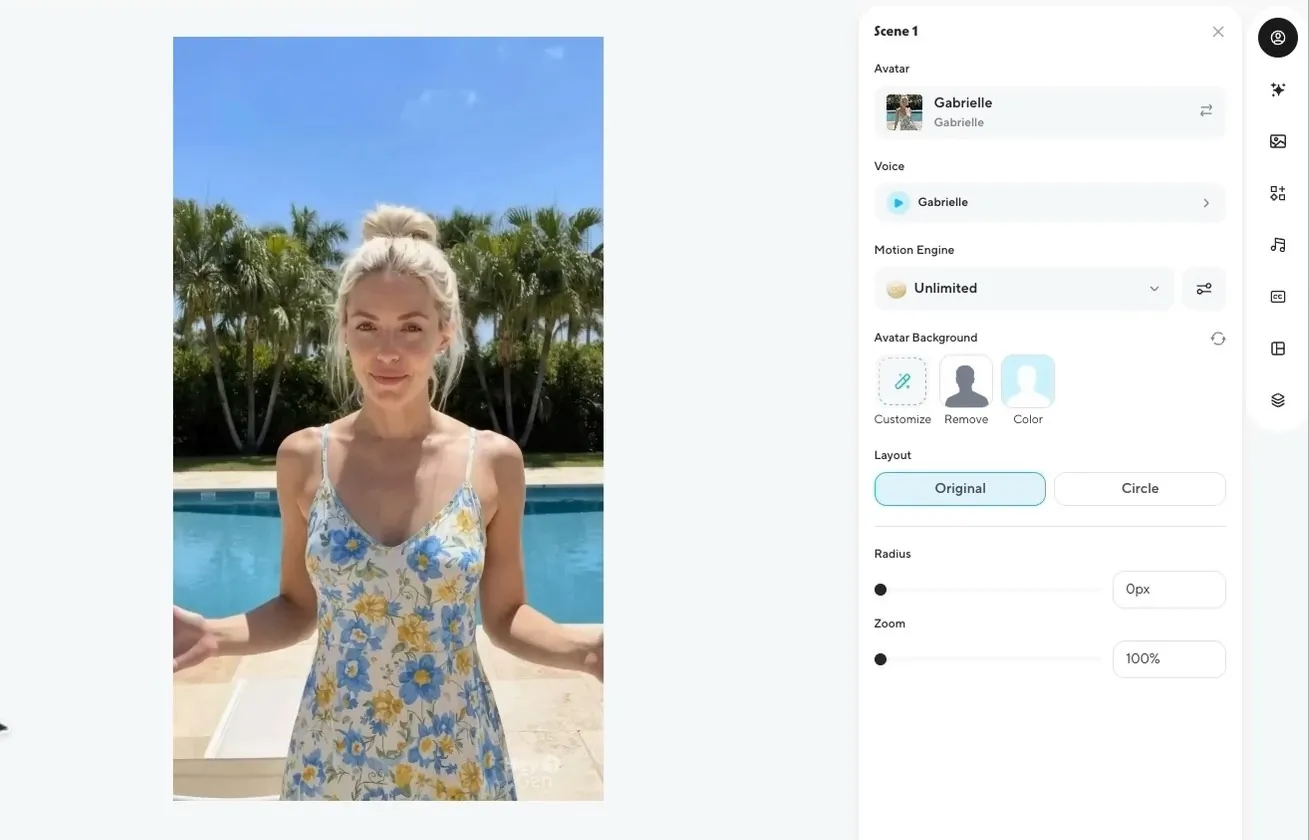
Custom avatar support includes outfits and text-to-speech with premium voices through ElevenLabs integration. The workflow suits short marketing and social media content well.

Video translation with automatic lip-sync stands out as a key differentiator. Upload a video in English, get versions in 20 languages with mouths matching the new audio.

HeyGen SS

API and advanced features require higher-tier plans. Emotional expression remains limited compared to performance-ad-focused tools.

HeyGen offers a free tier with watermarks for testing, Creator plans around $24-29/month for solo users, and Business/Pro plans at roughly $99-149/month with per-seat fees for teams. Enterprise plans start in the $500-2,000+/month range for large organizations.

Best for: Marketing teams and agencies creating multilingual explainers and social content without separate localization workflows.

8. Colossyan

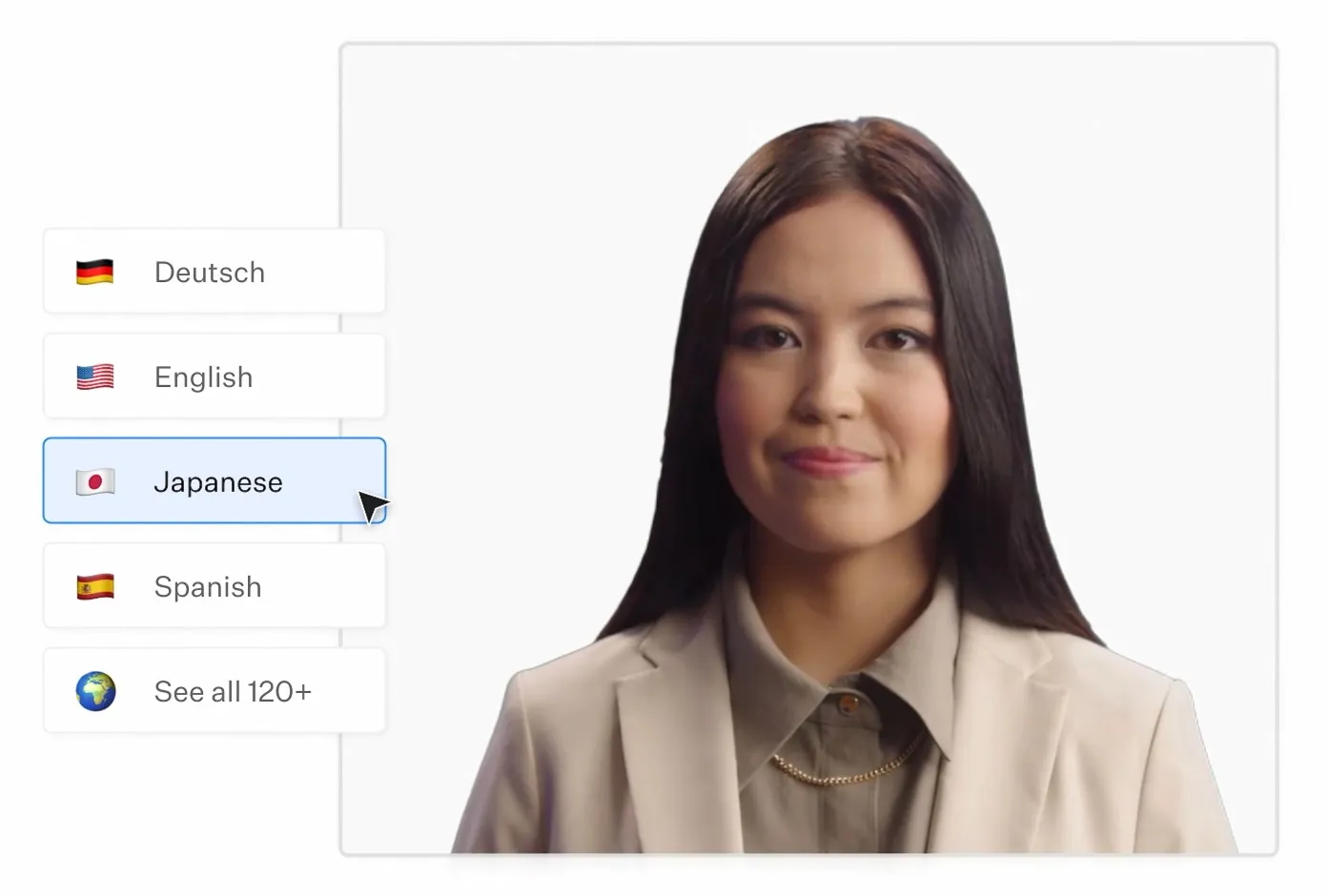
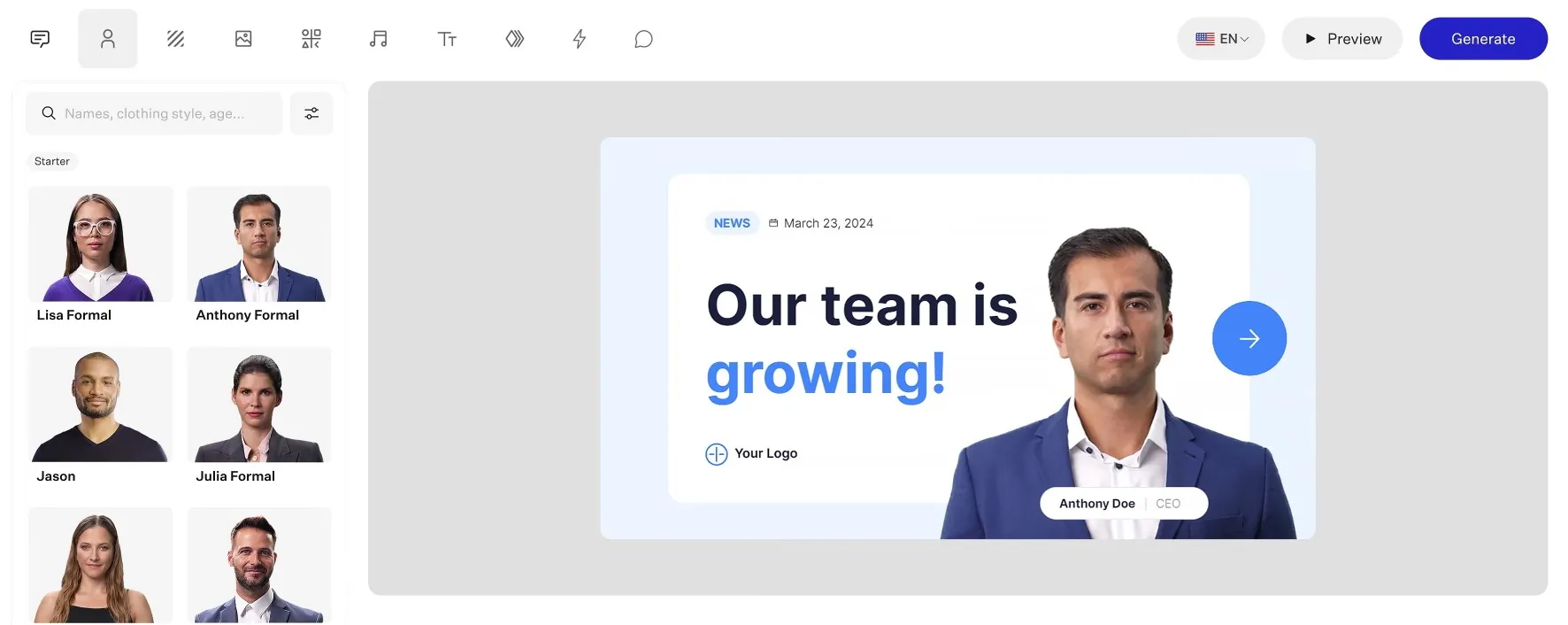
Colossyan tunes specifically for e-learning, compliance, and interactive training. The platform offers 150-200+ avatars, 600+ voices, and 70+ languages with built-in interactivity including quizzes, branching scenarios, and video analytics.

Chosing languagne

SCORM export and LMS-friendly workflows integrate with existing training infrastructure. Enterprise-grade security (SOC 2, GDPR) and custom instant avatar creation in minutes serve corporate buyers.

Avatar realism and emotional nuance lag behind consumer-oriented tools. The platform prioritizes reliability, interactivity, and workflow efficiency over cinematic quality.

Colossyan SS

Pricing targets teams rather than casual users. The learning-focused feature set justifies the cost for training departments but offers limited value for performance marketing.

Colossyan's Starter plan typically runs around $27-35/month for one editor with limited minutes. Pro/Business plans range roughly $80-120+/month per seat with more avatars, credits, and features. Enterprise plans offer custom pricing for large teams.

Best for: Corporate L&D teams creating interactive training courses and compliance content with analytics and LMS integration.

9. Elai

Elai serves corporate learning and internal communications with structured templates and slide-like video composition. The platform emphasizes clarity and consistency over expressive motion.

Templates for courses and onboarding streamline production for non-video professionals. The workflow suits teams creating regular training updates and policy communications.

Avatars and motion are less expressive than consumer-oriented tools. The tradeoff favors repeatability and brand consistency over emotional engagement.

Elai SS

Elai's Creator plan starts around $23-29/month for roughly 15 minutes of video per month on annual billing. Team plans run approximately $100/month+ for multiple editors and higher minute buckets (50+ minutes). Enterprise pricing is custom based on usage.

Best for: Internal communications teams and HR departments creating structured training content on regular schedules.

10. Tavus

Tavus creates AI digital twins for personalized sales and outreach videos. The platform generates unique videos for each recipient - same avatar, customized script mentioning their company, role, or challenges.

Tavus SS

Personalized videos at scale suit B2B sales teams conducting outbound sequences. Each prospect receives a video that feels individually recorded.

Higher cost and complexity limit use cases. The platform works best when personalization drives meaningful lift in response rates—high-ticket B2B sales, not mass marketing.

Tavus pricing typically starts around $39-59/month for starter or developer tiers, with Growth plans running roughly $300-600/month for larger teams and CRM integration. Enterprise plans offer custom pricing for high-volume usage.

Best for: B2B sales teams needing scalable video personalization for outbound campaigns.

Top AI avatar apps for content creators

11. D-ID

D-ID animates still images into talking avatars with lip-sync. Upload any photo—real person, AI-generated face, or illustrated character—and add voice-over.

The workflow optimizes for quick marketing explainers and social content without full studio production. Text-to-speech support and templates speed up creation.

D-ID SS

The platform focuses on head-and-shoulders visuals rather than full-body motion. Not a learning platform or ads-at-scale tool, but excellent for one-off content pieces.

D-ID offers Studio self-serve tiers starting from low-teens USD/month for Lite plans up through tens of dollars for Pro, depending on minutes and features. API pricing operates separately with usage-based tiers.

Best for: Marketers and creators making quick explainer videos from existing images or brand mascots.

12. Pictory

Pictory positions as a complete AI video solution with avatar support layered into a broader editing toolbox. The platform transforms scripts, blogs, or rough copy into edited videos with scenes, voiceovers, and avatars.

Pictory SS

AI helps structure content into scenes and select relevant stock footage. Avatar features complement the editing workflow rather than serving as the primary focus.

Avatar capabilities are less advanced than specialist tools. The value comes from the integrated editing environment for creators who need multiple video formats.

Pictory's Starter/Standard plans typically run $19-25/month for individual creators. Professional/Premium plans are around $39-49/month. Teams plans cost roughly $99-119/month for collaboration, with custom enterprise pricing available.

Best for: Content creators and small marketing teams wanting one platform for multiple video types beyond just avatars.

13. Veed

Veed offers an online video editor with AI tools and basic avatar features for beginners and small teams. The easy interface handles trimming, captions, social formats, and simple talking avatars.

The platform suits creators and small teams making social content without specialized video skills. Avatar features are functional but less robust than enterprise tools.

Limited interactivity features and less sophisticated avatars compared to platforms built specifically for avatar generation. Good for quick social posts, not training courses or high-volume ad testing.

VeedSS

Veed.io offers a free tier with watermarks. Lite/Basic plans run roughly $9-19/month per editor for watermark-free 1080p exports. Pro plans cost around $24-49/month per editor with 4K, more AI features, translations, and avatars. Enterprise pricing is custom.

Best for: Solo creators and small teams making social content on modest budgets.

14. Vidnoz

Vidnoz creates lifelike AI avatars from images for marketing and course content. Full-body avatars with gestures, lip-sync, and templates target creators and small businesses.

Vidnoz SS

Slideshow-style and course videos suit the platform's capabilities. Templates speed up production for common formats like tutorials and product showcases.

Advanced editing and integrations may be limited compared to flagship enterprise tools. Good middle ground between basic and premium platforms.

Vidnoz SS

Vidnoz offers a free tier with limited daily minutes. Starter plans run about $13.50-30/month for individuals creating short-form videos. Business plans cost roughly $56-75/month with higher limits and team features. Enterprise pricing is custom.

Best for: Small businesses and educators creating structured course content and marketing videos.

Advanced AI video generators with avatar capabilities

15. Runway

Runway serves visual artists and filmmakers with high-end AI video generation including strong character and scene capabilities. The platform generates humans and stylized characters for creative and cinematic work.

Cutting-edge visual quality comes with steeper learning curves. Not a turnkey script-to-avatar solution for corporate videos—more of a creative toolbox for artists.

The platform suits narrative projects and branded content that require unique looks. Expect to experiment and iterate rather than clicking "generate" once.

Runaway SS

Runway offers a free tier (8 videos in draft mode with watermarks), Lite at $9.99/month (50 videos, 3,200 credits), Plus at $29.99/month (160 videos, 10,000 credits, commercial use, no watermark), Unlimited at $94.99/month (10,000 credits plus unlimited relaxed mode), and Enterprise with custom pricing (20,000 credits, highest priority processing).

Best for: Creative professionals and filmmakers creating distinctive visual content with AI assistance.

16. Luma Dream Machine

Luma's text-to-video model produces highly detailed human characters and realistic motion in generative clips. Visual quality rivals or exceeds most dedicated avatar platforms.

Not a plug-and-play corporate avatar generator. The tool requires prompt engineering, multiple generations, and post-production to get usable results.

Best for creators comfortable with generative AI workflows who want maximum creative control. Think concept work and unique branded content rather than repeatable business processes.

Luma Dream Machine

Luma Dream Machine offers free and low-cost entry tiers with usage-based paid plans. Pricing typically ranges from free testing to tens of dollars per month for regular use, scaling with credit consumption. Check their website for current rates as the pricing model continues evolving.

Best for: Visual creators and brands creating unique, high-production-value content with time for iteration.

17. Kling AI

Kling AI produces photorealistic human movement with best-in-class realism according to independent tests. The generative video model handles complex motion and character interactions.

Kling AI SS

Similar to Runway and Luma - more creative engine than packaged SaaS. Requires technical comfort and iteration to achieve specific results.

The cutting-edge quality makes it worth exploring for brands with creative resources. Not suited for teams needing repeatable, automated workflows.

Kling AI offers a free Basic plan, Standard at $6.99/month (660 credits), Pro at $25.99/month (3,000 credits with Kling 3.0 early access), Premier at $64.99/month (8,000 credits), and Ultra at $127.99/month (26,000 credits). Pro tier and above unlock web access to the Kling 3.0 model.

Best for: Advanced users creating premium visual content with technical resources for experimentation.

How to choose the best AI avatar generator

Not all AI avatar platforms serve the same goals. Use this framework to evaluate tools against your specific needs.

Avatar realism and motion quality

Facial stability, expression range, and motion consistency determine whether viewers trust your avatar or dismiss it as fake. Corporate training can tolerate slightly less realism than performance ads where authenticity drives conversions.

Look for full-body expressiveness, including hand gestures, head movements, and eye contact shifts. Head-and-shoulders-only avatars feel more robotic and limit creative options.

Voice quality and language support

Natural prosody and low robotic artifacts separate professional tools from basic generators. Top platforms support 70-175+ languages with proper pronunciation and cultural nuance.

Check if the platform offers voice cloning for brand consistency, emotional range controls (excited, calm, professional), and integration with premium voice providers like ElevenLabs.

Editing workflow and automation

Integrated script editors, templates, media libraries, and brand kits speed up production. Advanced automation like URL-to-video (paste a product link, get video ads) or API access enables true scale.

For ads and marketing, batch generation matters more than precise frame-by-frame editing. For training, SCORM export and LMS integrations are non-negotiable.

Security and compliance

SOC 2 certification, GDPR compliance, and safe handling of biometric data protect your organization—especially when creating digital twins of real people. Enterprise buyers should verify these credentials before committing.

Pricing and usage limits

Most platforms charge per minute of video output with monthly credit limits. Seats, collaboration features, and API access typically require higher-tier plans.

Compare total cost of ownership: minutes included, overage pricing, required minimum seats, and whether unused credits roll over. Pricing changes frequently, so verify current rates before signing contracts.

Ethical and legal considerations

AI avatars raise consent, disclosure, and trust issues that affect adoption and effectiveness.

Using a real person's likeness requires explicit consent with clear terms about usage rights and duration. Deepfake concerns have prompted regulations in several jurisdictions requiring disclosure when synthetic media is used commercially.

Best practices suggest clearly labeling AI-generated content in contexts where authenticity matters—ads, educational content, and customer communications. Some audiences accept AI avatars readily while others view them skeptically, so A/B test disclosure approaches.

Accessibility benefits are real: AI avatars enable consistent multilingual explanations and remove barriers for audiences with hearing impairments through accurate captions. However, poorly designed avatars can reduce emotional nuance and empathy compared to real presenters.

Key use cases for AI avatars

Different AI avatar generators optimize for different workflows. Identifying your primary use case narrows the field fast.

  • Business training and onboarding: Companies use AI video avatars to replace live presenters in compliance training, product demos, and employee onboarding. These videos need consistency, localization support, and often SCORM export for learning management systems.

  • Performance marketing and ads: Marketers generate UGC-style talking head ads for Meta, TikTok, and YouTube without hiring creators. Speed and volume testing matter more than perfection—you need 20-50 variations weekly, not one polished spot per quarter.

  • Education and healthcare: Patient education, classroom content, and language learning benefit from consistent explanations across languages. Accessibility features like captions and clear articulation are critical.

  • Content creators: Individual creators use AI avatars for faceless content, multilingual videos, and personal brand videos without appearing on camera themselves.

Read also: How to create an AI influencer: Step-by-step guide

Practical workflows: from idea to AI avatar video

Corporate training module workflow

Using Synthesia or Colossyan for a compliance course:

Start with script outline covering required topics and learning objectives. Import to platform and assign sections to different avatars for variety. Add interactivity like quizzes and knowledge checks at key points. Generate videos with automatic captions and translations for global teams. Export SCORM package and upload to LMS with completion tracking.

The workflow takes hours instead of weeks compared to traditional video production. Updates happen by editing scripts and regenerating rather than reshooting everything.

Performance ad workflow

Converting a product page into multiple ad variations with Creatify:

Paste product URL into Creatify's URL-to-Video tool. Platform analyzes page and generates multiple ad concepts with different hooks, avatars, and scripts. Review concepts and select promising directions for batch generation. Customize avatars, adjust scripts, and generate variations testing different elements. Download all variations and upload to Meta Ads Manager for split testing. Monitor performance for 48-72 hours and identify winning patterns. Generate new variations based on insights and continue testing cycle.

The workflow produces significantly more creative variations in one day than traditional production delivers in weeks. Testing velocity drives performance improvements.

Multilingual explainer workflow

Creating product videos for global markets with HeyGen:

Record or script original English version showing product features and benefits. Upload to HeyGen and select target languages for translation. Platform generates translated scripts, matches lip movements to new audio, and renders videos in each language. Review translations for accuracy and cultural relevance, adjusting scripts as needed. Regenerate refined versions and publish across regional channels.

The workflow eliminates the need for multiple shoots or voice-over sessions. One source video becomes 10-20 localized versions in hours.

Future trends for AI avatars beyond 2026

Realism and presence will continue improving as models like Sora, Runway Gen-4.5, Kling, and Luma advance. Current limitations in emotional range and motion consistency will fade as training datasets grow and architectures improve.

Convergence with interactive agents and chatbots will transform avatars from pre-rendered videos into real-time interfaces. Imagine customer service avatars that respond to questions with appropriate expressions and gestures rather than playing canned clips.

Regulatory and ethical developments will shape disclosure norms and usage restrictions. Some jurisdictions already require labeling synthetic media in commercial contexts. Expect more regulation around deepfakes and unauthorized use of likeness.

The gap between "good enough for training" and "indistinguishable from real" will narrow. Avatar generators that once served internal use cases will meet standards for external marketing and customer-facing content.

How to choose your AI avatar stack

Don't commit to a single platform based on marketing claims. Run small pilots with your actual use cases.

Shortlist 2-3 tools based on your primary need: performance ads, corporate training, or content creation. Generate the same script across all platforms and compare avatar realism, voice quality, workflow speed, and final output quality.

Track metrics that matter for your use case. Advertisers monitor CTR, video completion rates, and ROAS. Training teams track quiz scores, completion rates, and time-to-proficiency. Content creators watch engagement, watch time, and audience feedback.

Revisit your stack every 6-12 months. The field evolves fast—tools that lead today may fall behind tomorrow, and new platforms launch constantly with better capabilities or pricing.

Note on pricing and features: All pricing information and feature details in this article are accurate as of February 2026. AI avatar platforms frequently update their pricing tiers, credit systems, and feature sets. We recommend visiting each platform's official pricing page to verify current rates and capabilities before making purchase decisions.

FAQ

What is the best AI avatar generator right now?

There's no single best AI avatar generator—the right choice depends on your use case. For corporate training, Synthesia and Colossyan are among the most proven options with SCORM export and interactivity. For performance ads and UGC-style content, Creatify, Arcads, Tagshop, and Higgsfield stand out with URL-to-video workflows and batch testing. HeyGen excels at multilingual translation with lip-sync. D-ID and Pictory suit lightweight content creation. Runway and Luma offer cutting-edge realism for visual creators with technical skills.

Which AI avatar video generator is best for marketing?

For performance marketing and ads, Creatify, Arcads, and Tagshop offer some of the most complete workflows, especially if you value URL-to-video automation and batch generation for volume testing. Arcads provides strong realism with emotion control for UGC-style content. HeyGen excels at multilingual campaigns. D-ID works well for quick one-off pieces. The best choice depends on whether you prioritize automation and scale (Creatify, Tagshop), maximum realism (Arcads), or translation capabilities (HeyGen).

Are AI avatar videos safe and legal?

AI avatar videos are legal when used properly with consent and disclosure. Using a real person's likeness requires explicit consent with clear usage terms. Many jurisdictions require disclosure when synthetic media is used commercially. Platforms like Creatify, Synthesia, and Colossyan implement security measures (SOC 2, GDPR compliance) to protect biometric data. Follow platform guidelines, obtain necessary permissions, and disclose AI-generated content when authenticity matters.

Can I use AI avatar videos for YouTube and TikTok ads?

Yes, AI avatar videos work well for YouTube and TikTok ads when created properly. Both platforms allow AI-generated content in advertising. Focus on authenticity—UGC-style avatars with natural expressions and realistic motion perform better than obviously synthetic presenters. Test multiple variations to find what resonates with your audience. Follow platform ad policies regarding disclosure and prohibited content.

How much do AI avatar generators cost?

Pricing varies widely by platform and use case, and changes frequently as the market evolves. Entry-level tools like Veed.io start around $20-30/month for basic features. Mid-tier platforms like Creatify, HeyGen, and D-ID typically range from $50-200/month depending on video minutes and features. Enterprise tools like Synthesia and Colossyan often run $200-1000+/month for team seats, custom avatars, and advanced features. Most platforms charge based on video minutes generated with monthly credit limits. Compare total cost of ownership including minutes, seats, and overage pricing. Always verify current pricing on platform websites before committing.

What's the difference between AI avatar generators and AI video generators?

AI avatar generators specifically create talking human presenters from text scripts. They focus on realistic faces, lip-sync, and presenter-style content. AI video generators are broader tools that create any video content from text prompts - scenes, animations, product showcases, stock footage compilations - with or without human avatars. Tools like Runway, Luma, and Kling are powerful AI video generators but require more skill to create specific avatar content. Dedicated avatar platforms like Creatify, Synthesia, and HeyGen optimize the entire workflow for presenter-style videos.

Can I create a custom AI avatar of myself?

Yes, most major AI avatar platforms support custom avatar creation. Creatify offers instant custom avatars - upload a photo or short video and get a digital twin in minutes. Synthesia, HeyGen, Colossyan, and others provide custom avatar services typically requiring video recording sessions. Quality varies by platform and the amount of source material provided. Custom avatars cost more than stock avatars but enable consistent brand presentation and personalization. Ensure you have proper rights and consent before creating avatars of other people.

How realistic are AI avatars in 2026?

AI avatar realism has improved dramatically from 2023-2026. Top platforms like Creatify's Aurora model, Arcads, and HeyGen produce highly realistic avatars that perform well in marketing and training contexts. Key quality markers include natural lip-sync, full-body expressiveness with gestures and eye contact, consistent lighting and skin texture, and emotional range matching voice tone. Enterprise training tools like Synthesia and Colossyan prioritize consistency and reliability over cutting-edge realism. Advanced generative models like Luma and Kling achieve photorealistic motion but require more technical skill. Avatar quality continues improving as models and training data advance.

Traditional video production can easily cost several thousand dollars per video and take weeks from brief to final edit, especially for corporate shoots. AI avatar generators cut that to minutes and significantly lower costs.

The explosion of AI avatars in 2024-2026 stems from three converging forces: cheaper video production through generative AI, demand for multilingual content at scale, and the dominance of short-form video across TikTok, Reels, and YouTube Shorts. What used to require cameras, actors, and studios now happens through text prompts and pre-trained models.

This guide compares the best AI avatar video generators across business training, performance marketing, and content creation. Whether you need the best AI avatar app for quick social posts or an AI avatar software for enterprise training, we'll cover how they work, what makes them different, and which tools fit specific use cases - not just a generic ranked list.

How AI avatar generators work

AI avatar generators combine three core technologies to turn text scripts into talking presenters.

Generative models create faces, bodies, and animation using diffusion transformers—the same architecture powering tools like Sora and Midjourney. These models learn realistic human features and motion from massive video datasets.

Text-to-speech and voice cloning handle natural narration. Modern systems use neural voice synthesis that captures prosody, emotion, and accent rather than robotic speech patterns. Some platforms offer 100+ voice options across 70+ languages.

Lip-sync and facial motion models match mouth movements to audio with frame-level precision. Advanced systems like Creatify's Aurora model generate full-body expressiveness including gestures, eye contact, head tilts, and natural breathing - not just moving lips.

The industry splits into three categories: script-to-video platforms with stock avatar libraries for corporate use, digital twin tools that clone real people's likeness and voice, and lightweight avatar apps for social content creation.

How ai avatar generators work

Comparison table: Top AI avatar platforms for 2026 (our picks)

Platform

Category

Key differentiator

Languages (approx.)

Custom avatars

Creatify

Performance ads

URL-to-Video, Aurora model, batch testing

75+

Yes (instant)

Synthesia

Corporate training

Mature platform, template library

140+

Yes

HeyGen

Marketing & explainers

Translation with lip-sync

175+

Yes

Colossyan

E-learning

Interactivity, SCORM, quizzes

70+

Yes (instant)

Arcads

Performance ads

1000+ AI actors, emotion control

~20-40

Yes

D-ID

Quick content

Still image animation

100+

Via photo upload

Elai

Corporate learning

Structured templates

75+

Yes

Higgsfield

Product ads

Product-to-video workflow

~40-60

Yes

Pictory

Content creation

Full editing suite

~60-80

Via integration

Veed.io

Social content

Beginner-friendly editor

~50-70

Basic

This table focuses on platforms with proven avatar capabilities. Advanced generative video models like Runway, Luma, and Kling offer stunning visual quality but require more technical skill and post-production work.

For marketers and L&D teams: Start with the business-oriented platforms above and treat Runway, Luma, and Kling as experimental options for standout campaigns, not as your primary stack.

Top AI avatar platforms Table

17 Best AI avatar generators by use case: Detailed reviews

Top generators for performance ads

1. Creatify

Creatify converts product URLs into multiple UGC-style video ads with AI avatars automatically. The platform targets DTC brands and performance marketers who need high-volume creative testing for Meta, TikTok, and YouTube ads.

The URL-to-Video workflow analyzes product pages to generate scripts, select relevant visuals, and build complete ad concepts in minutes. You get 10-20 variations from one URL without manual editing.
Creatify url to video SS

Creatify's Aurora diffusion transformer model delivers ultra-realistic lip-sync, full-body expressiveness including hand gestures and natural eye contact, and emotional range that matches voice tone. The platform offers 1500+ realistic AI avatars plus instant custom avatar creation—upload a photo or video, get a digital twin in minutes.
Creatify Avatar SS

Batch Mode generates dozens of ads simultaneously testing different hooks, avatars, languages, and CTAs. AI-powered insights suggest which creative elements perform best based on platform algorithms.

75+ language support with automatic localization lets you adapt winning ads for global markets without reshoots. The platform integrates with major ad platforms for direct publishing.
Creafity Languages

Pricing starts with a free plan and scales to paid tiers designed for different volumes of ad testing. Visit Creatify's website for current plan details.

Best for: Ecommerce brands, agencies, and app marketers who need to test 50-100+ ad variations monthly at a fraction of traditional production costs.

2. Arcads

Arcads focuses on hyper-realistic UGC ads with 1000+ controllable AI actors. The platform stands out for emotion control via text prompts—you can specify "excited," "skeptical," "calm," or other performance styles to match your brand voice.

Avatars can hold products, showcase apps on screen, and interact with props. This makes product demos more tangible than simple talking heads.

Arcads SS

Built-in AI video editing handles B-rolls, music, captions, transitions, and upscaling without separate tools. The workflow optimizes for creators and media buyers who want influencer-style content without hiring talent.

Avatar realism is strong for social media use cases, though the platform offers fewer languages and automation features than broader tools like Creatify or HeyGen.

Pricing starts at $110/month for the Starter plan, $220/month for Creator, and custom pricing for Pro - significantly higher than most AI avatar software platforms but potentially justified by the realism and control for high-budget campaigns.

Best for: Media buyers and performance marketers with larger budgets who prioritize maximum realism and creative control over volume testing and automation.

3. Higgsfield

Higgsfield converts product URLs and images into social-ready video ads with avatars. The platform targets SaaS companies and app marketers who need consistent "brand ambassador" avatars across help pages, landing pages, and paid ads.

Template library tunes for paid social and product explainers. Localized content scales efficiently—one avatar speaking multiple languages with consistent tone and pacing.
Higgsfield Avatar

The product-to-video workflow suits "how it works" sections and persistent spokesperson content better than rapid-fire ad testing. Avatar quality and motion are professional but not cutting-edge compared to Aurora or Arcads.

Higgsfield offers four plans: Basic at $9/month (150 credits, selected models), Pro at $29/month (600 credits, all models), Ultimate at $39/month (1,200 credits + 365 unlimited Nano Banana Pro, most popular), and Creator at $149/month (6,000 credits + unlimited Nano Banana Pro, includes exclusive Kling 3.0 access).

Best for: SaaS and app companies wanting a recognizable avatar spokesperson across marketing touchpoints.

4. Tagshop

Tagshop generates AI video ads from e-commerce product URLs with 100+ hyper-realistic avatars. The platform emphasizes speed—instant product-to-video conversion for testing styles and tones
Tagshop SS

AI twin creation clones founders' or creators' faces and voices for consistent branding. This works well for DTC brands building personality-driven marketing.
Creatify Tagshop SS

The tool optimizes for e-commerce and dropshipping use cases specifically. Avatar quality is strong but the platform offers fewer advanced features than Creatify or HeyGen.

Tagshop offers a free plan with 15 credits for testing. Paid plans include Starter at $11/month (60 videos, up to 2 minutes, 20+ avatars, AI twin), Growth at $39/month (240 videos, up to 5 minutes, 100+ avatars), and Scale at $99/month (600 videos, up to 10 minutes, 300+ avatars, 4K export, dedicated account manager).

Best for: E-commerce sellers and dropshippers needing scalable AI avatar content for social ads and product detail page videos.

5. Predis.ai

Predis.ai converts product images and catalog data into short social videos. The platform integrates with Shopify, WooCommerce, and other e-commerce platforms for automated product video generation.
Predis ai SS

Templates and stock media target social media and product listing videos. Image-to-video workflows with character consistency work for basic avatar-style showcases.

The tool focuses more on product catalog automation than sophisticated avatar performance. Good for volume over quality when you need simple product videos at scale.

Predis.ai offers a free tier and paid plans typically starting around $20-30/month for creators, with business plans scaling up for more credits and video minutes. Check their current pricing for latest details.

Best for: Small e-commerce sellers and social media managers wanting simple avatar workflows without heavy editing.

Top AI avatar generators for corporate training

6. Synthesia

Synthesia pioneered enterprise AI avatar video for training, onboarding, and corporate communications. The mature platform offers extensive stock avatar libraries, custom avatar creation, and script-to-video workflows with automatic translation into 140+ languages.

Template integrations optimize for training content and help documentation. The platform handles complex projects with multiple collaborators and approval workflows.

Limitations include the emotional range of avatars and occasional robotic speech quality reported in reviews. The platform prioritizes reliability and compliance over cutting-edge realism.
SyntesiaSS

SOC 2 and GDPR compliance plus extensive documentation make enterprise adoption straightforward. Pricing targets teams and departments rather than individual creators.

As of early 2026, Synthesia's Starter plan typically runs $18-29/month on annual billing for individuals with limited minutes. Creator plans range around $64-89/month with higher minutes and personal avatar options. Enterprise pricing is custom based on seats, minutes, and security requirements.

Best for: Large organizations creating structured training content and corporate communications at scale.

7. HeyGen

HeyGen balances versatility with accessibility. The platform handles explainers, marketing content, and multilingual translation with lip-sync across 175+ languages.

Custom avatar support includes outfits and text-to-speech with premium voices through ElevenLabs integration. The workflow suits short marketing and social media content well.

Video translation with automatic lip-sync stands out as a key differentiator. Upload a video in English, get versions in 20 languages with mouths matching the new audio.
HeyGen SS

API and advanced features require higher-tier plans. Emotional expression remains limited compared to performance-ad-focused tools.

HeyGen offers a free tier with watermarks for testing, Creator plans around $24-29/month for solo users, and Business/Pro plans at roughly $99-149/month with per-seat fees for teams. Enterprise plans start in the $500-2,000+/month range for large organizations.

Best for: Marketing teams and agencies creating multilingual explainers and social content without separate localization workflows.

8. Colossyan

Colossyan tunes specifically for e-learning, compliance, and interactive training. The platform offers 150-200+ avatars, 600+ voices, and 70+ languages with built-in interactivity including quizzes, branching scenarios, and video analytics.
Chosing languagne

SCORM export and LMS-friendly workflows integrate with existing training infrastructure. Enterprise-grade security (SOC 2, GDPR) and custom instant avatar creation in minutes serve corporate buyers.

Avatar realism and emotional nuance lag behind consumer-oriented tools. The platform prioritizes reliability, interactivity, and workflow efficiency over cinematic quality.
Colossyan SS

Pricing targets teams rather than casual users. The learning-focused feature set justifies the cost for training departments but offers limited value for performance marketing.

Colossyan's Starter plan typically runs around $27-35/month for one editor with limited minutes. Pro/Business plans range roughly $80-120+/month per seat with more avatars, credits, and features. Enterprise plans offer custom pricing for large teams.

Best for: Corporate L&D teams creating interactive training courses and compliance content with analytics and LMS integration.

9. Elai

Elai serves corporate learning and internal communications with structured templates and slide-like video composition. The platform emphasizes clarity and consistency over expressive motion.

Templates for courses and onboarding streamline production for non-video professionals. The workflow suits teams creating regular training updates and policy communications.

Avatars and motion are less expressive than consumer-oriented tools. The tradeoff favors repeatability and brand consistency over emotional engagement.
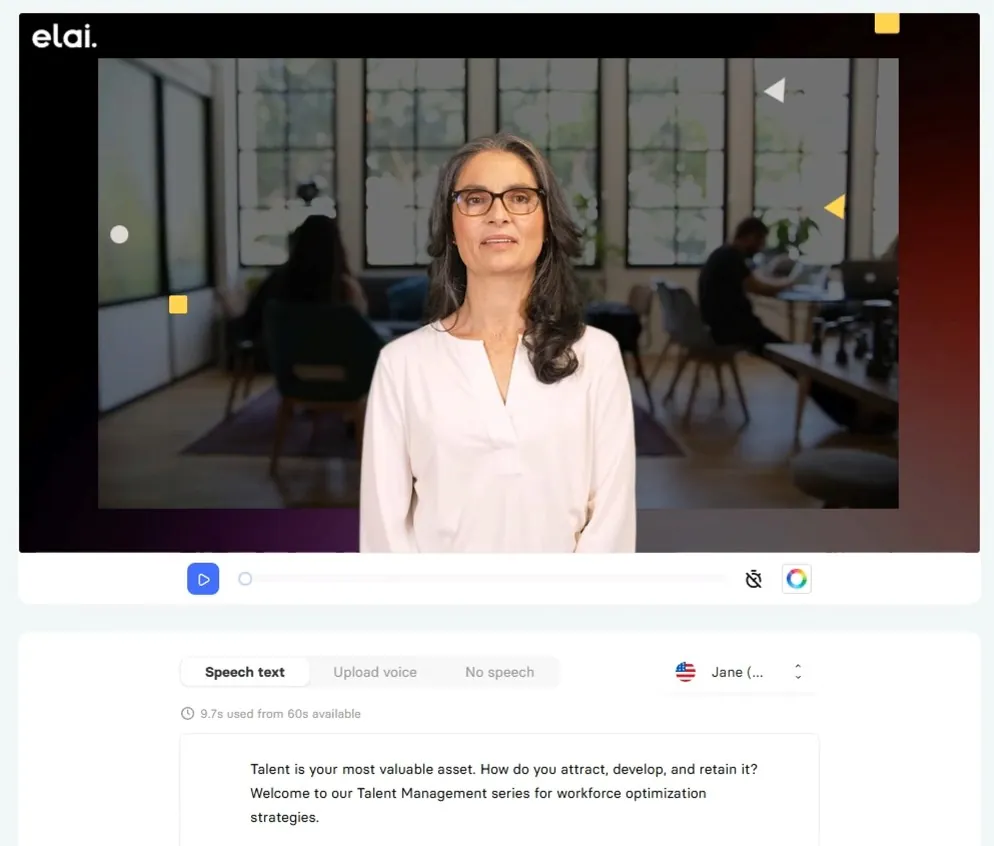
Elai SS

Elai's Creator plan starts around $23-29/month for roughly 15 minutes of video per month on annual billing. Team plans run approximately $100/month+ for multiple editors and higher minute buckets (50+ minutes). Enterprise pricing is custom based on usage.

Best for: Internal communications teams and HR departments creating structured training content on regular schedules.

10. Tavus

Tavus creates AI digital twins for personalized sales and outreach videos. The platform generates unique videos for each recipient - same avatar, customized script mentioning their company, role, or challenges.
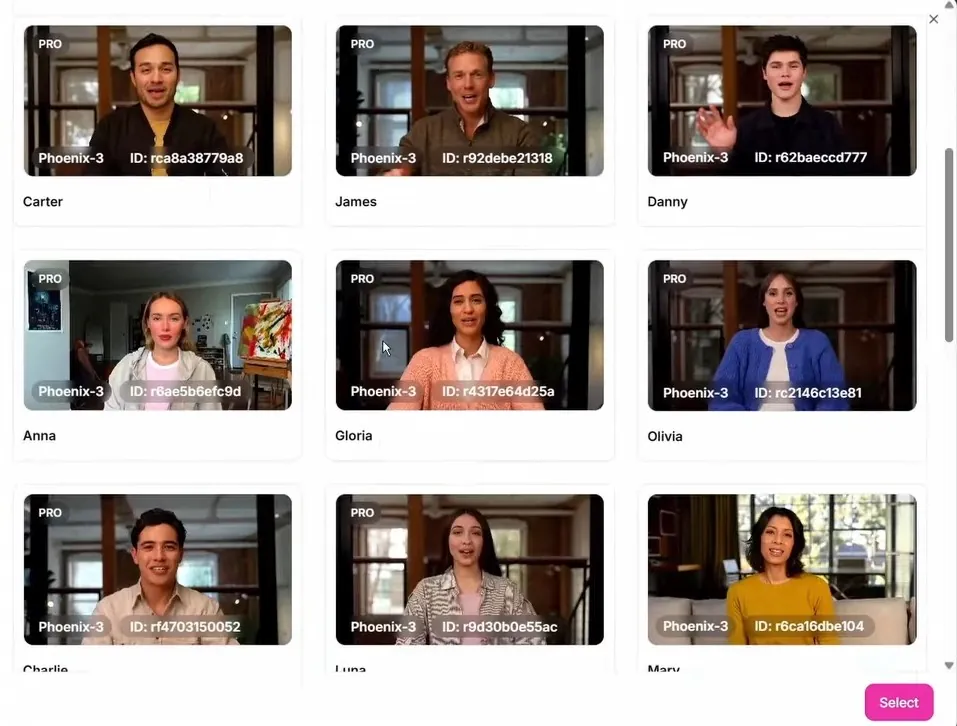
Tavus SS

Personalized videos at scale suit B2B sales teams conducting outbound sequences. Each prospect receives a video that feels individually recorded.

Higher cost and complexity limit use cases. The platform works best when personalization drives meaningful lift in response rates—high-ticket B2B sales, not mass marketing.

Tavus pricing typically starts around $39-59/month for starter or developer tiers, with Growth plans running roughly $300-600/month for larger teams and CRM integration. Enterprise plans offer custom pricing for high-volume usage.

Best for: B2B sales teams needing scalable video personalization for outbound campaigns.

Top AI avatar apps for content creators

11. D-ID

D-ID animates still images into talking avatars with lip-sync. Upload any photo—real person, AI-generated face, or illustrated character—and add voice-over.

The workflow optimizes for quick marketing explainers and social content without full studio production. Text-to-speech support and templates speed up creation.
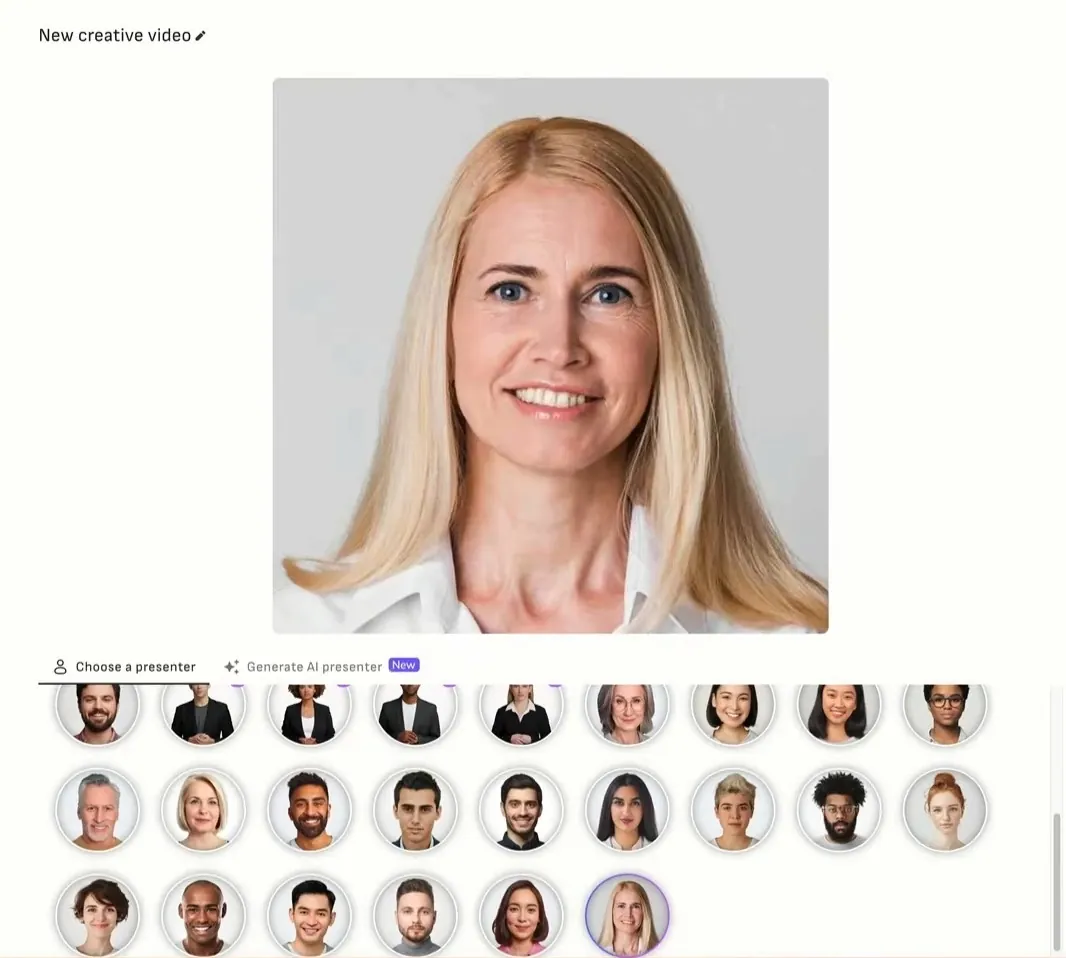
D-ID SS

The platform focuses on head-and-shoulders visuals rather than full-body motion. Not a learning platform or ads-at-scale tool, but excellent for one-off content pieces.

D-ID offers Studio self-serve tiers starting from low-teens USD/month for Lite plans up through tens of dollars for Pro, depending on minutes and features. API pricing operates separately with usage-based tiers.

Best for: Marketers and creators making quick explainer videos from existing images or brand mascots.

12. Pictory

Pictory positions as a complete AI video solution with avatar support layered into a broader editing toolbox. The platform transforms scripts, blogs, or rough copy into edited videos with scenes, voiceovers, and avatars.
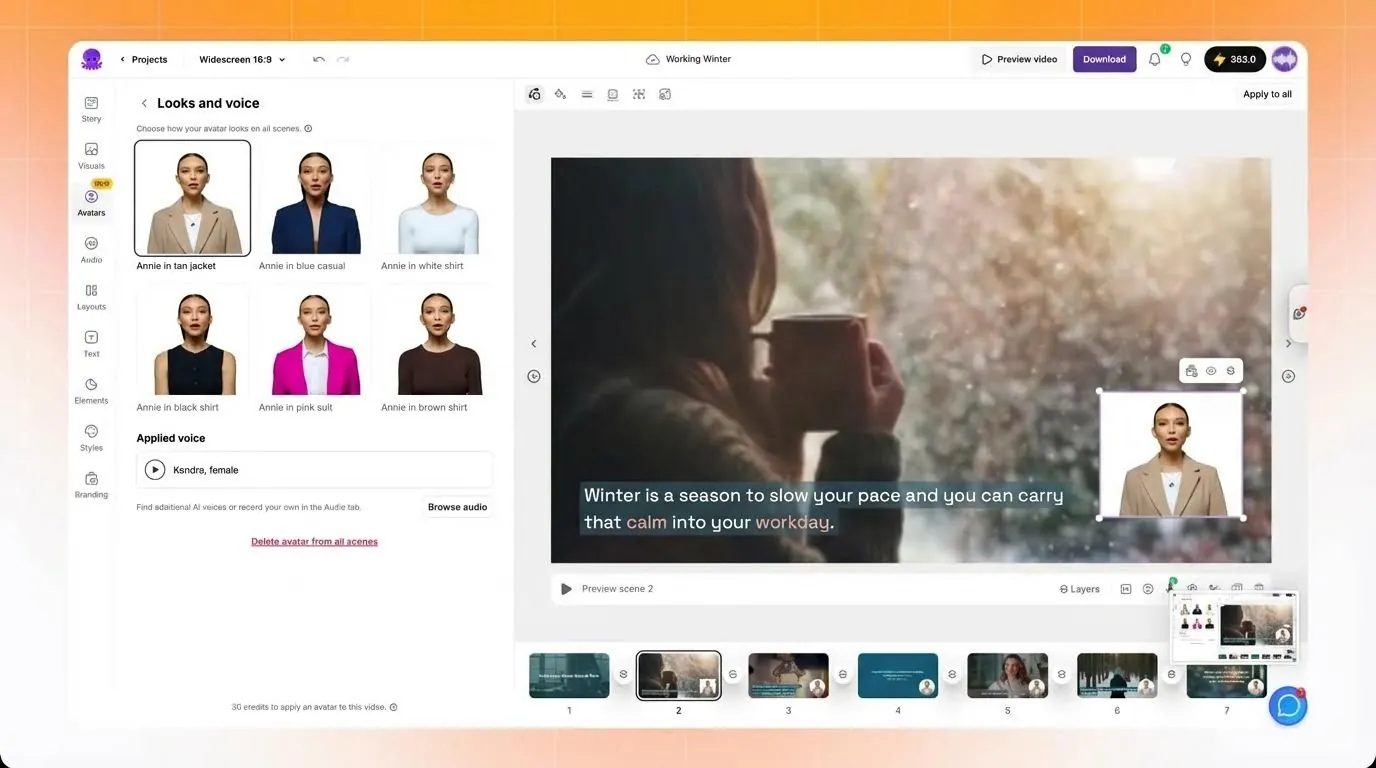
Pictory SS

AI helps structure content into scenes and select relevant stock footage. Avatar features complement the editing workflow rather than serving as the primary focus.

Avatar capabilities are less advanced than specialist tools. The value comes from the integrated editing environment for creators who need multiple video formats.

Pictory's Starter/Standard plans typically run $19-25/month for individual creators. Professional/Premium plans are around $39-49/month. Teams plans cost roughly $99-119/month for collaboration, with custom enterprise pricing available.

Best for: Content creators and small marketing teams wanting one platform for multiple video types beyond just avatars.

13. Veed

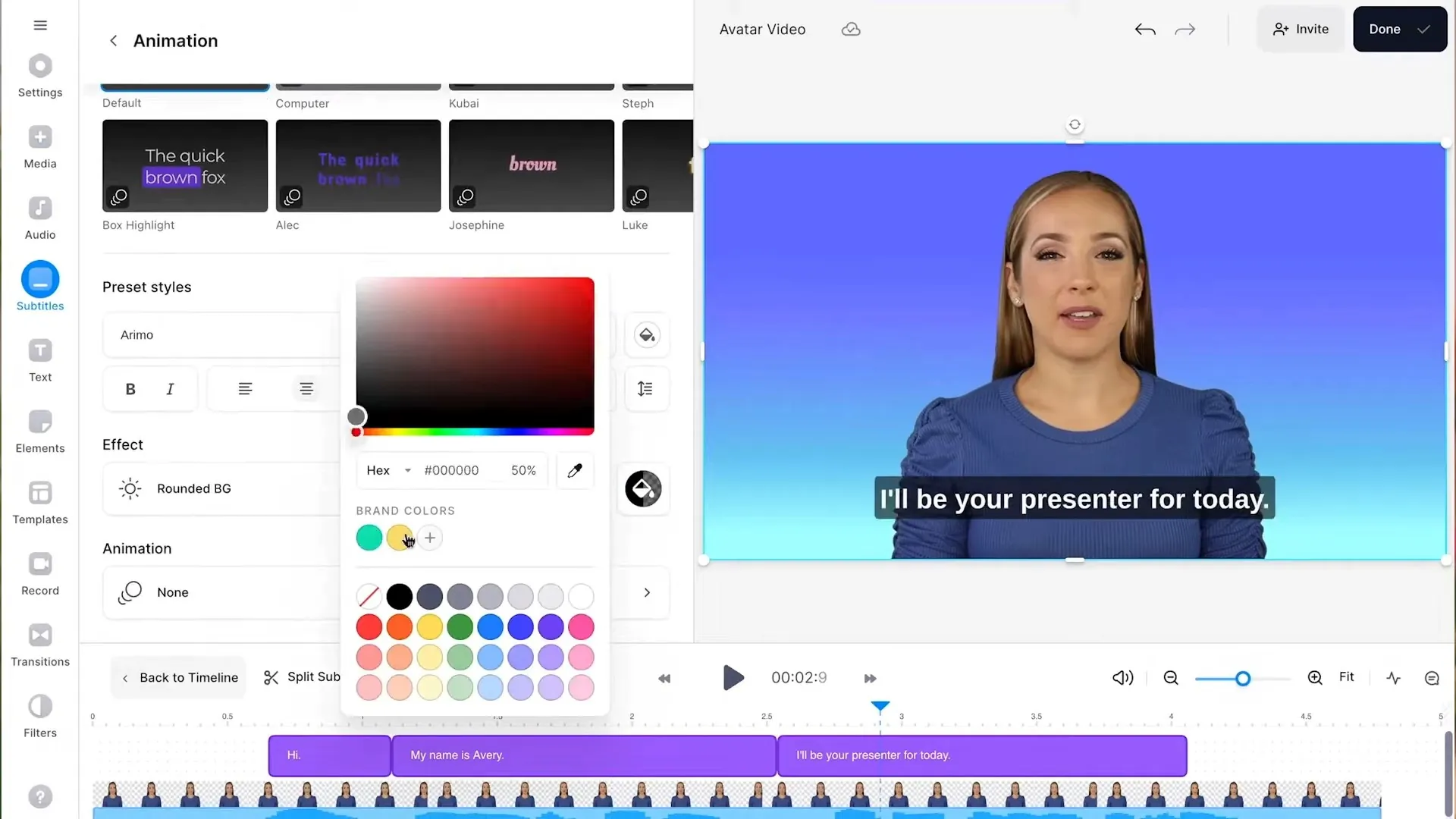
Veed offers an online video editor with AI tools and basic avatar features for beginners and small teams. The easy interface handles trimming, captions, social formats, and simple talking avatars.

The platform suits creators and small teams making social content without specialized video skills. Avatar features are functional but less robust than enterprise tools.

Limited interactivity features and less sophisticated avatars compared to platforms built specifically for avatar generation. Good for quick social posts, not training courses or high-volume ad testing.
VeedSS

Veed.io offers a free tier with watermarks. Lite/Basic plans run roughly $9-19/month per editor for watermark-free 1080p exports. Pro plans cost around $24-49/month per editor with 4K, more AI features, translations, and avatars. Enterprise pricing is custom.

Best for: Solo creators and small teams making social content on modest budgets.

14. Vidnoz

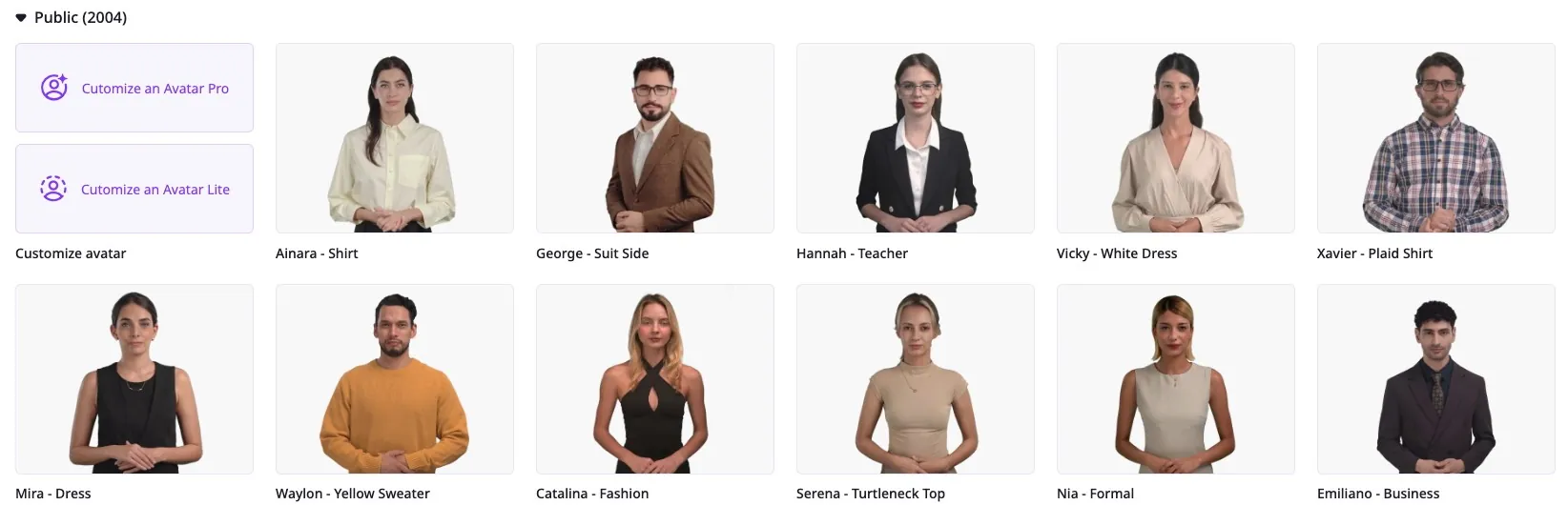
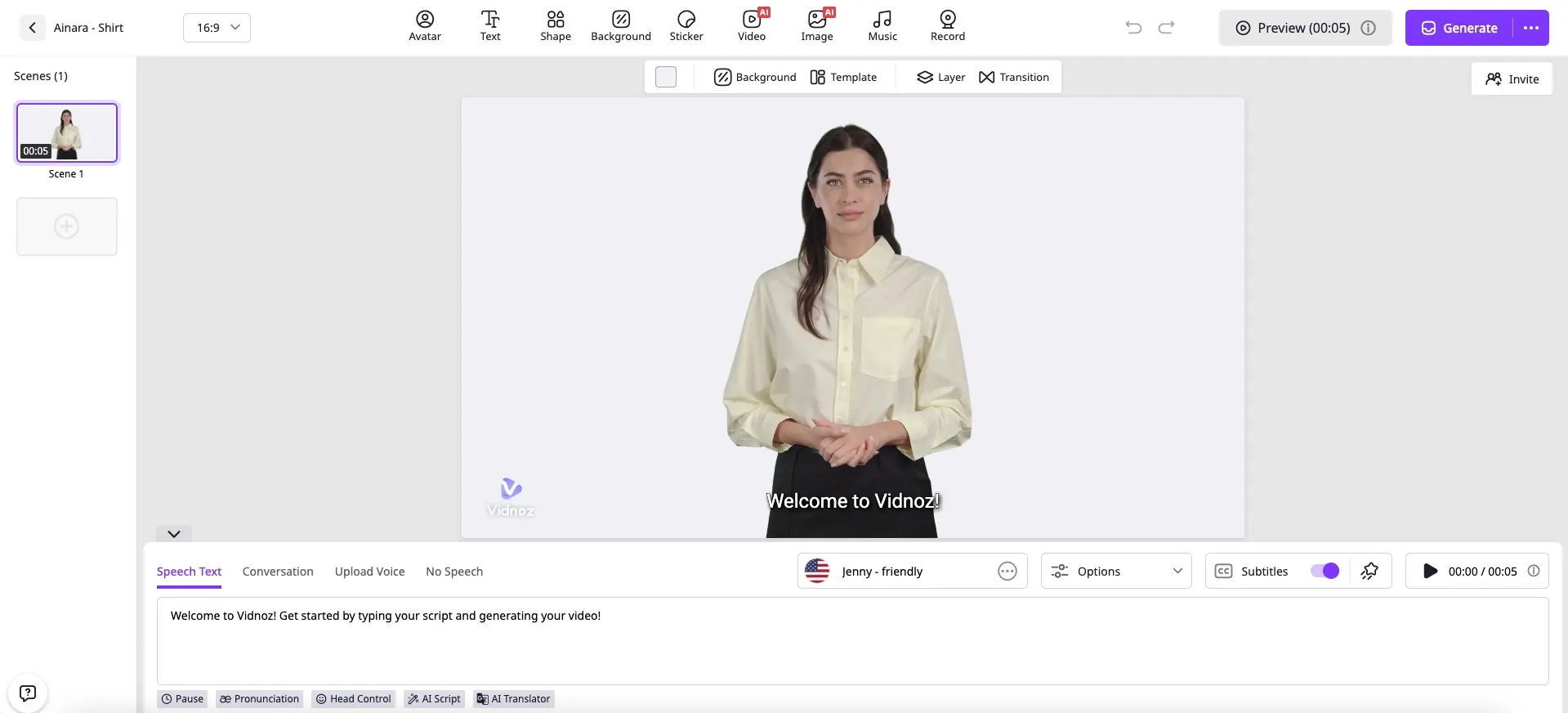
Vidnoz creates lifelike AI avatars from images for marketing and course content. Full-body avatars with gestures, lip-sync, and templates target creators and small businesses.
Vidnoz SS

Slideshow-style and course videos suit the platform's capabilities. Templates speed up production for common formats like tutorials and product showcases.

Advanced editing and integrations may be limited compared to flagship enterprise tools. Good middle ground between basic and premium platforms.
Vidnoz SS

Vidnoz offers a free tier with limited daily minutes. Starter plans run about $13.50-30/month for individuals creating short-form videos. Business plans cost roughly $56-75/month with higher limits and team features. Enterprise pricing is custom.

Best for: Small businesses and educators creating structured course content and marketing videos.

Advanced AI video generators with avatar capabilities

15. Runway

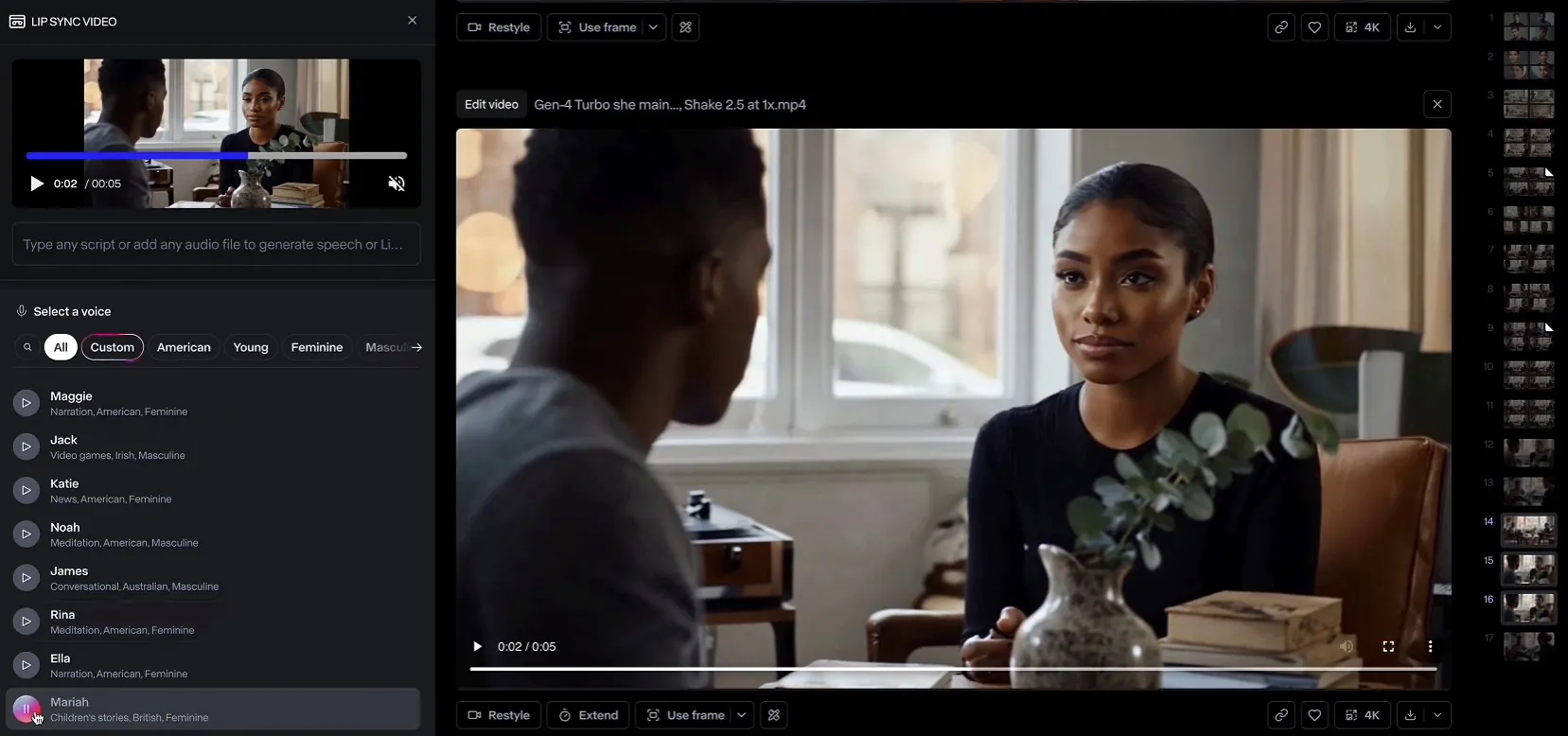
Runway serves visual artists and filmmakers with high-end AI video generation including strong character and scene capabilities. The platform generates humans and stylized characters for creative and cinematic work.

Cutting-edge visual quality comes with steeper learning curves. Not a turnkey script-to-avatar solution for corporate videos—more of a creative toolbox for artists.

The platform suits narrative projects and branded content that require unique looks. Expect to experiment and iterate rather than clicking "generate" once.
Runaway SS

Runway offers a free tier (8 videos in draft mode with watermarks), Lite at $9.99/month (50 videos, 3,200 credits), Plus at $29.99/month (160 videos, 10,000 credits, commercial use, no watermark), Unlimited at $94.99/month (10,000 credits plus unlimited relaxed mode), and Enterprise with custom pricing (20,000 credits, highest priority processing).

Best for: Creative professionals and filmmakers creating distinctive visual content with AI assistance.

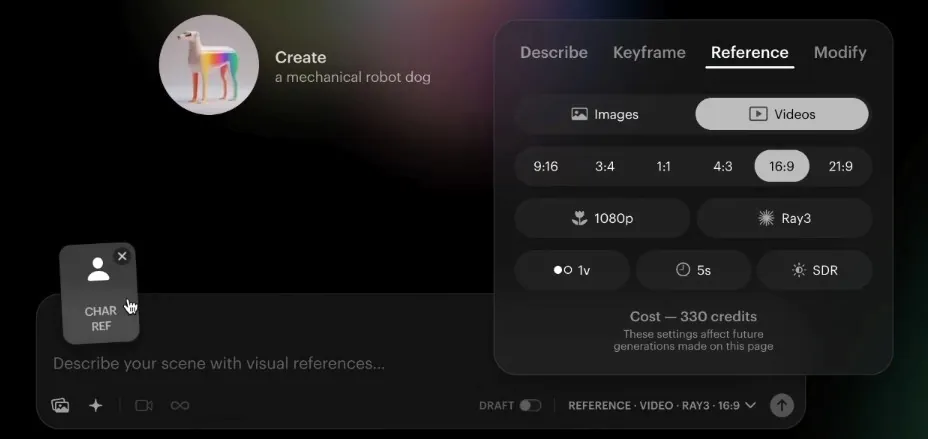
16. Luma Dream Machine

Luma's text-to-video model produces highly detailed human characters and realistic motion in generative clips. Visual quality rivals or exceeds most dedicated avatar platforms.

Not a plug-and-play corporate avatar generator. The tool requires prompt engineering, multiple generations, and post-production to get usable results.

Best for creators comfortable with generative AI workflows who want maximum creative control. Think concept work and unique branded content rather than repeatable business processes.
Luma Dream Machine

Luma Dream Machine offers free and low-cost entry tiers with usage-based paid plans. Pricing typically ranges from free testing to tens of dollars per month for regular use, scaling with credit consumption. Check their website for current rates as the pricing model continues evolving.

Best for: Visual creators and brands creating unique, high-production-value content with time for iteration.

17. Kling AI

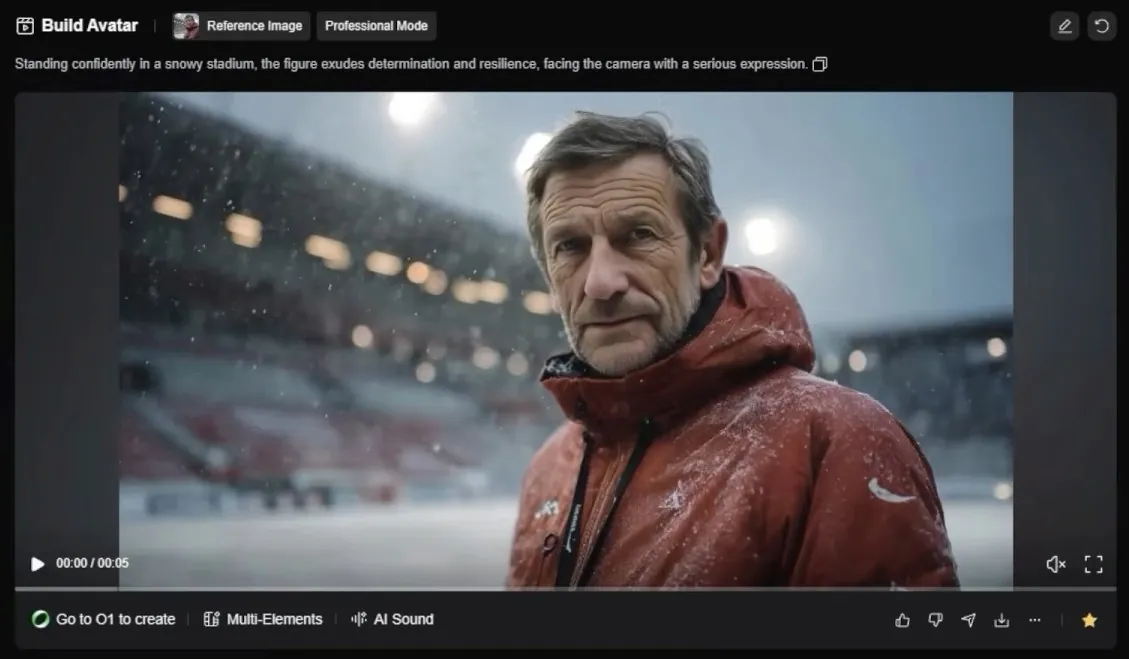
Kling AI produces photorealistic human movement with best-in-class realism according to independent tests. The generative video model handles complex motion and character interactions.
Kling AI SS

Similar to Runway and Luma - more creative engine than packaged SaaS. Requires technical comfort and iteration to achieve specific results.

The cutting-edge quality makes it worth exploring for brands with creative resources. Not suited for teams needing repeatable, automated workflows.

Kling AI offers a free Basic plan, Standard at $6.99/month (660 credits), Pro at $25.99/month (3,000 credits with Kling 3.0 early access), Premier at $64.99/month (8,000 credits), and Ultra at $127.99/month (26,000 credits). Pro tier and above unlock web access to the Kling 3.0 model.

Best for: Advanced users creating premium visual content with technical resources for experimentation.

How to choose the best AI avatar generator

Not all AI avatar platforms serve the same goals. Use this framework to evaluate tools against your specific needs.

Avatar realism and motion quality

Facial stability, expression range, and motion consistency determine whether viewers trust your avatar or dismiss it as fake. Corporate training can tolerate slightly less realism than performance ads where authenticity drives conversions.

Look for full-body expressiveness, including hand gestures, head movements, and eye contact shifts. Head-and-shoulders-only avatars feel more robotic and limit creative options.

Voice quality and language support

Natural prosody and low robotic artifacts separate professional tools from basic generators. Top platforms support 70-175+ languages with proper pronunciation and cultural nuance.

Check if the platform offers voice cloning for brand consistency, emotional range controls (excited, calm, professional), and integration with premium voice providers like ElevenLabs.

Editing workflow and automation

Integrated script editors, templates, media libraries, and brand kits speed up production. Advanced automation like URL-to-video (paste a product link, get video ads) or API access enables true scale.

For ads and marketing, batch generation matters more than precise frame-by-frame editing. For training, SCORM export and LMS integrations are non-negotiable.

Security and compliance

SOC 2 certification, GDPR compliance, and safe handling of biometric data protect your organization—especially when creating digital twins of real people. Enterprise buyers should verify these credentials before committing.

Pricing and usage limits

Most platforms charge per minute of video output with monthly credit limits. Seats, collaboration features, and API access typically require higher-tier plans.

Compare total cost of ownership: minutes included, overage pricing, required minimum seats, and whether unused credits roll over. Pricing changes frequently, so verify current rates before signing contracts.

Ethical and legal considerations

AI avatars raise consent, disclosure, and trust issues that affect adoption and effectiveness.

Using a real person's likeness requires explicit consent with clear terms about usage rights and duration. Deepfake concerns have prompted regulations in several jurisdictions requiring disclosure when synthetic media is used commercially.

Best practices suggest clearly labeling AI-generated content in contexts where authenticity matters—ads, educational content, and customer communications. Some audiences accept AI avatars readily while others view them skeptically, so A/B test disclosure approaches.

Accessibility benefits are real: AI avatars enable consistent multilingual explanations and remove barriers for audiences with hearing impairments through accurate captions. However, poorly designed avatars can reduce emotional nuance and empathy compared to real presenters.

Key use cases for AI avatars

Different AI avatar generators optimize for different workflows. Identifying your primary use case narrows the field fast.

  • Business training and onboarding: Companies use AI video avatars to replace live presenters in compliance training, product demos, and employee onboarding. These videos need consistency, localization support, and often SCORM export for learning management systems.

  • Performance marketing and ads: Marketers generate UGC-style talking head ads for Meta, TikTok, and YouTube without hiring creators. Speed and volume testing matter more than perfection—you need 20-50 variations weekly, not one polished spot per quarter.

  • Education and healthcare: Patient education, classroom content, and language learning benefit from consistent explanations across languages. Accessibility features like captions and clear articulation are critical.

  • Content creators: Individual creators use AI avatars for faceless content, multilingual videos, and personal brand videos without appearing on camera themselves.

Read also: How to create an AI influencer: Step-by-step guide

Practical workflows: from idea to AI avatar video

Corporate training module workflow

Using Synthesia or Colossyan for a compliance course:

Start with script outline covering required topics and learning objectives. Import to platform and assign sections to different avatars for variety. Add interactivity like quizzes and knowledge checks at key points. Generate videos with automatic captions and translations for global teams. Export SCORM package and upload to LMS with completion tracking.

The workflow takes hours instead of weeks compared to traditional video production. Updates happen by editing scripts and regenerating rather than reshooting everything.

Performance ad workflow

Converting a product page into multiple ad variations with Creatify:

Paste product URL into Creatify's URL-to-Video tool. Platform analyzes page and generates multiple ad concepts with different hooks, avatars, and scripts. Review concepts and select promising directions for batch generation. Customize avatars, adjust scripts, and generate variations testing different elements. Download all variations and upload to Meta Ads Manager for split testing. Monitor performance for 48-72 hours and identify winning patterns. Generate new variations based on insights and continue testing cycle.

The workflow produces significantly more creative variations in one day than traditional production delivers in weeks. Testing velocity drives performance improvements.

Multilingual explainer workflow

Creating product videos for global markets with HeyGen:

Record or script original English version showing product features and benefits. Upload to HeyGen and select target languages for translation. Platform generates translated scripts, matches lip movements to new audio, and renders videos in each language. Review translations for accuracy and cultural relevance, adjusting scripts as needed. Regenerate refined versions and publish across regional channels.

The workflow eliminates the need for multiple shoots or voice-over sessions. One source video becomes 10-20 localized versions in hours.

Future trends for AI avatars beyond 2026

Realism and presence will continue improving as models like Sora, Runway Gen-4.5, Kling, and Luma advance. Current limitations in emotional range and motion consistency will fade as training datasets grow and architectures improve.

Convergence with interactive agents and chatbots will transform avatars from pre-rendered videos into real-time interfaces. Imagine customer service avatars that respond to questions with appropriate expressions and gestures rather than playing canned clips.

Regulatory and ethical developments will shape disclosure norms and usage restrictions. Some jurisdictions already require labeling synthetic media in commercial contexts. Expect more regulation around deepfakes and unauthorized use of likeness.

The gap between "good enough for training" and "indistinguishable from real" will narrow. Avatar generators that once served internal use cases will meet standards for external marketing and customer-facing content.

How to choose your AI avatar stack

Don't commit to a single platform based on marketing claims. Run small pilots with your actual use cases.

Shortlist 2-3 tools based on your primary need: performance ads, corporate training, or content creation. Generate the same script across all platforms and compare avatar realism, voice quality, workflow speed, and final output quality.

Track metrics that matter for your use case. Advertisers monitor CTR, video completion rates, and ROAS. Training teams track quiz scores, completion rates, and time-to-proficiency. Content creators watch engagement, watch time, and audience feedback.

Revisit your stack every 6-12 months. The field evolves fast—tools that lead today may fall behind tomorrow, and new platforms launch constantly with better capabilities or pricing.

Note on pricing and features: All pricing information and feature details in this article are accurate as of February 2026. AI avatar platforms frequently update their pricing tiers, credit systems, and feature sets. We recommend visiting each platform's official pricing page to verify current rates and capabilities before making purchase decisions.

FAQ

What is the best AI avatar generator right now?

There's no single best AI avatar generator—the right choice depends on your use case. For corporate training, Synthesia and Colossyan are among the most proven options with SCORM export and interactivity. For performance ads and UGC-style content, Creatify, Arcads, Tagshop, and Higgsfield stand out with URL-to-video workflows and batch testing. HeyGen excels at multilingual translation with lip-sync. D-ID and Pictory suit lightweight content creation. Runway and Luma offer cutting-edge realism for visual creators with technical skills.

Which AI avatar video generator is best for marketing?

For performance marketing and ads, Creatify, Arcads, and Tagshop offer some of the most complete workflows, especially if you value URL-to-video automation and batch generation for volume testing. Arcads provides strong realism with emotion control for UGC-style content. HeyGen excels at multilingual campaigns. D-ID works well for quick one-off pieces. The best choice depends on whether you prioritize automation and scale (Creatify, Tagshop), maximum realism (Arcads), or translation capabilities (HeyGen).

Are AI avatar videos safe and legal?

AI avatar videos are legal when used properly with consent and disclosure. Using a real person's likeness requires explicit consent with clear usage terms. Many jurisdictions require disclosure when synthetic media is used commercially. Platforms like Creatify, Synthesia, and Colossyan implement security measures (SOC 2, GDPR compliance) to protect biometric data. Follow platform guidelines, obtain necessary permissions, and disclose AI-generated content when authenticity matters.

Can I use AI avatar videos for YouTube and TikTok ads?

Yes, AI avatar videos work well for YouTube and TikTok ads when created properly. Both platforms allow AI-generated content in advertising. Focus on authenticity—UGC-style avatars with natural expressions and realistic motion perform better than obviously synthetic presenters. Test multiple variations to find what resonates with your audience. Follow platform ad policies regarding disclosure and prohibited content.

How much do AI avatar generators cost?

Pricing varies widely by platform and use case, and changes frequently as the market evolves. Entry-level tools like Veed.io start around $20-30/month for basic features. Mid-tier platforms like Creatify, HeyGen, and D-ID typically range from $50-200/month depending on video minutes and features. Enterprise tools like Synthesia and Colossyan often run $200-1000+/month for team seats, custom avatars, and advanced features. Most platforms charge based on video minutes generated with monthly credit limits. Compare total cost of ownership including minutes, seats, and overage pricing. Always verify current pricing on platform websites before committing.

What's the difference between AI avatar generators and AI video generators?

AI avatar generators specifically create talking human presenters from text scripts. They focus on realistic faces, lip-sync, and presenter-style content. AI video generators are broader tools that create any video content from text prompts - scenes, animations, product showcases, stock footage compilations - with or without human avatars. Tools like Runway, Luma, and Kling are powerful AI video generators but require more skill to create specific avatar content. Dedicated avatar platforms like Creatify, Synthesia, and HeyGen optimize the entire workflow for presenter-style videos.

Can I create a custom AI avatar of myself?

Yes, most major AI avatar platforms support custom avatar creation. Creatify offers instant custom avatars - upload a photo or short video and get a digital twin in minutes. Synthesia, HeyGen, Colossyan, and others provide custom avatar services typically requiring video recording sessions. Quality varies by platform and the amount of source material provided. Custom avatars cost more than stock avatars but enable consistent brand presentation and personalization. Ensure you have proper rights and consent before creating avatars of other people.

How realistic are AI avatars in 2026?

AI avatar realism has improved dramatically from 2023-2026. Top platforms like Creatify's Aurora model, Arcads, and HeyGen produce highly realistic avatars that perform well in marketing and training contexts. Key quality markers include natural lip-sync, full-body expressiveness with gestures and eye contact, consistent lighting and skin texture, and emotional range matching voice tone. Enterprise training tools like Synthesia and Colossyan prioritize consistency and reliability over cutting-edge realism. Advanced generative models like Luma and Kling achieve photorealistic motion but require more technical skill. Avatar quality continues improving as models and training data advance.
Icon
Icon
Icon

Ready to turn your product into an engaging video?

Ready to speed up your marketing?

Test your new product ideas in minutes with AI-generated video ads

Arrow icon.
Gradient

Ready to speed up your marketing?

Test your new product ideas in minutes with AI-generated video ads

Arrow icon.
Gradient

Ready to speed up your marketing?

Test your new product ideas in minutes with AI-generated video ads

Arrow icon.
Gradient

Ready to speed up your marketing?

Test your new product ideas in minutes with AI-generated video ads

Arrow icon.
Gradient
Gradient