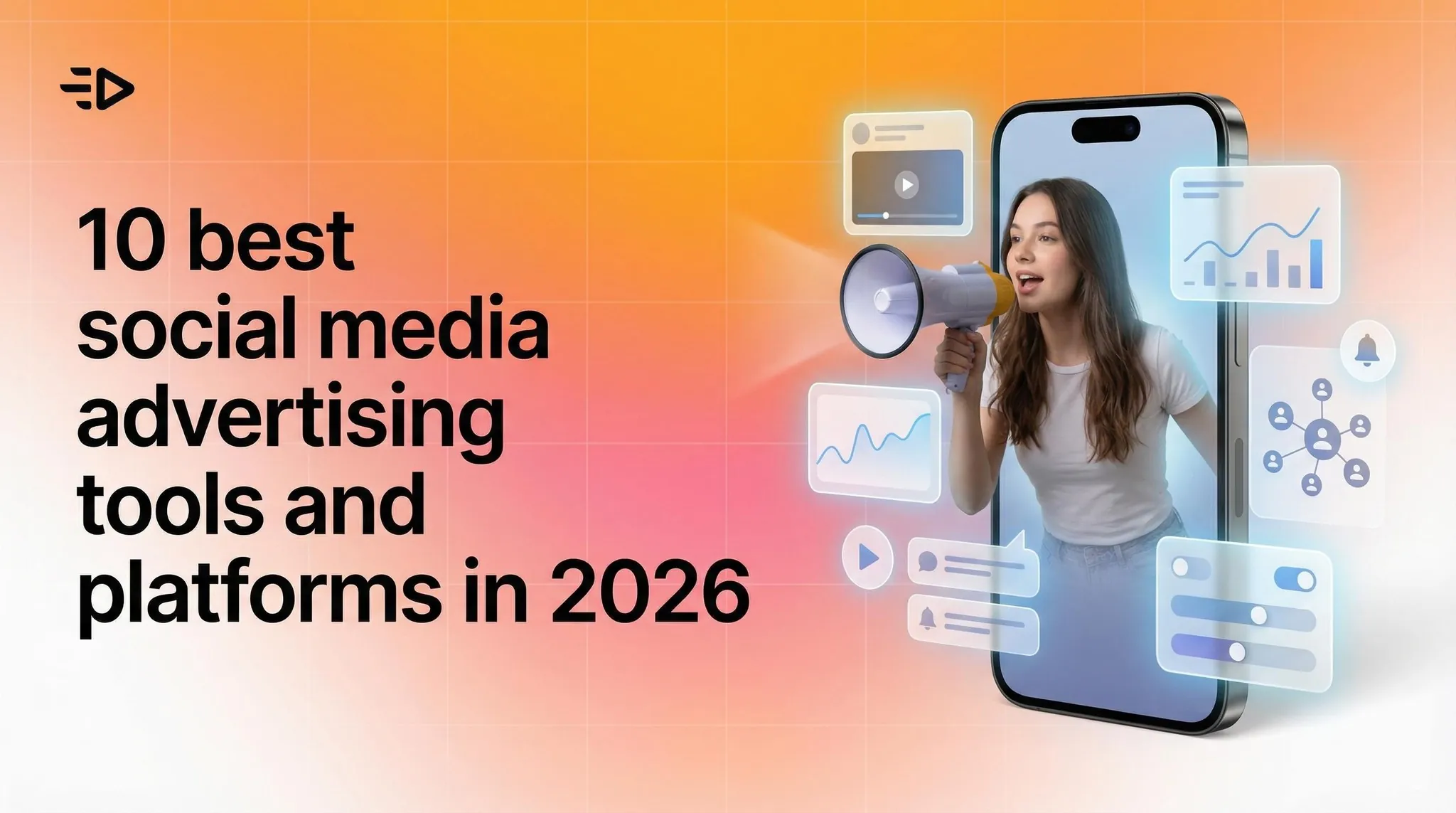

10 best social media advertising tools and platforms in 2026

10 best social media advertising tools and platforms in 2026

Written by

Creatify Team

10 best social media adv tools
Creatify logo

Creatify Team

SHARE

LinkedIn icon
X icon
Facebook icon

IN THIS ARTICLE

Creative is often the biggest performance lever once targeting and budget mechanics are in place. But the tools used to produce and manage ads can either enable proper testing or quietly cap how much is possible.

In 2026, many social ads stacks have three layers: the native ad platform where campaigns are built and delivered, a creative production system that generates ad content at the volume needed for proper testing, and a management layer for teams running across multiple channels. This article covers all three, plus two adjacent performance platforms worth knowing about. Picking the right combination depends on your channels, your team size, and where the actual bottleneck is.

Making social media advertising

What this article covers

Native ad platforms are where campaigns are created, targeted, budgeted, and delivered. Meta Ads Manager, TikTok Ads Manager, LinkedIn Campaign Manager, and others fall here. These are foundational regardless of what else is in your stack.

AI creative production tools generate the ad content itself: video ads, image ads, UGC-style creative, and format variations. Creative production speed has become a real campaign constraint as platforms push video-first formats and A/B testing requirements grow.

Cross-platform management tools help teams plan, schedule, collaborate, and report across channels without logging into multiple dashboards separately.

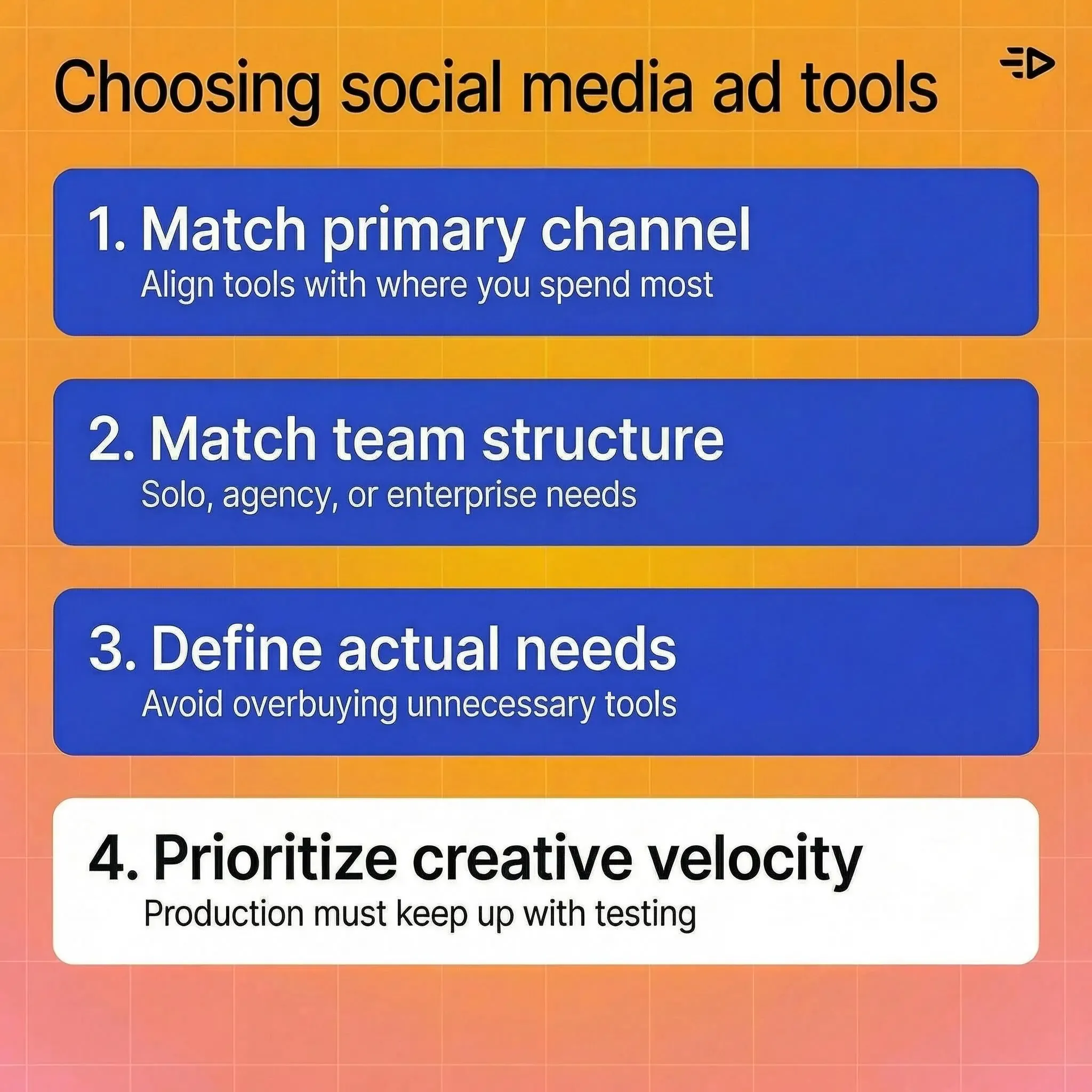
How to choose the right social media advertising tools

A few practical filters before the list:

Match to your primary channel first. A brand running 80% of its budget on Meta doesn't need the same stack as an agency managing TikTok, LinkedIn, and Pinterest simultaneously.

Match to your team structure. A solo operator needs simplicity. An agency with client reporting requirements needs permissions, approvals, and exportable dashboards. An enterprise team needs SSO, audit logs, and multi-brand controls.

Decide what you actually need. LinkedIn's campaign documentation covers how to manage permissions and workflow for teams of different sizes. A brand running two channels with three campaigns doesn't need an enterprise management platform.

Think about creative velocity early. TikTok's ad guidance treats creative fatigue as one of the fastest performance killers on the platform, and recommends frequent refreshes as standard practice. If creative production can't keep up with testing requirements, media spend will underperform regardless of what platform or management tool is used.
Choosing social media ad tool

Native ad platforms

1. Meta Ads Manager

Best for: Facebook and Instagram advertising, broad audience reach, retargeting

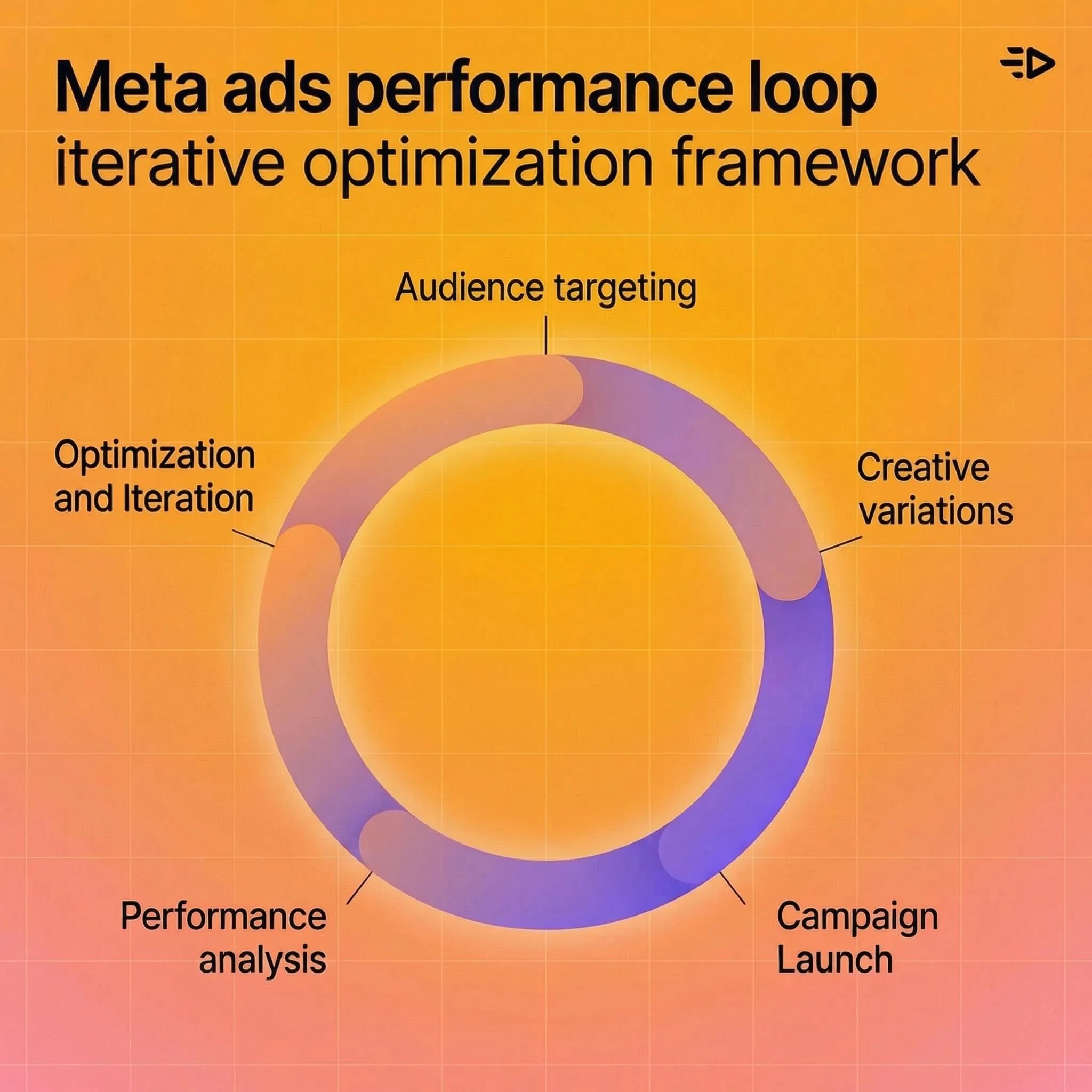
Meta Ads Manager covers campaign creation, audience targeting, budget control, real-time optimization, and performance reporting across Facebook and Instagram. Targeting options include custom audiences, lookalikes, interest stacking, and retargeting by video view percentage. Creative performance breakdowns by format, placement, and demographic are built in, and A/B testing is handled at the campaign level.
Meta Ads performance loop

Meta's targeting depth is, editorially, among the strongest in social advertising. That said, targeting sophistication only delivers value if there are enough creative variations to actually test. Brands running the same 3 creatives for 6 weeks won't get much from the targeting controls.

Who it's for: E-commerce brands, DTC businesses, and any brand with a broad consumer audience.

2. TikTok Ads Manager

Best for: Vertical video, short-form creative, younger consumer audiences

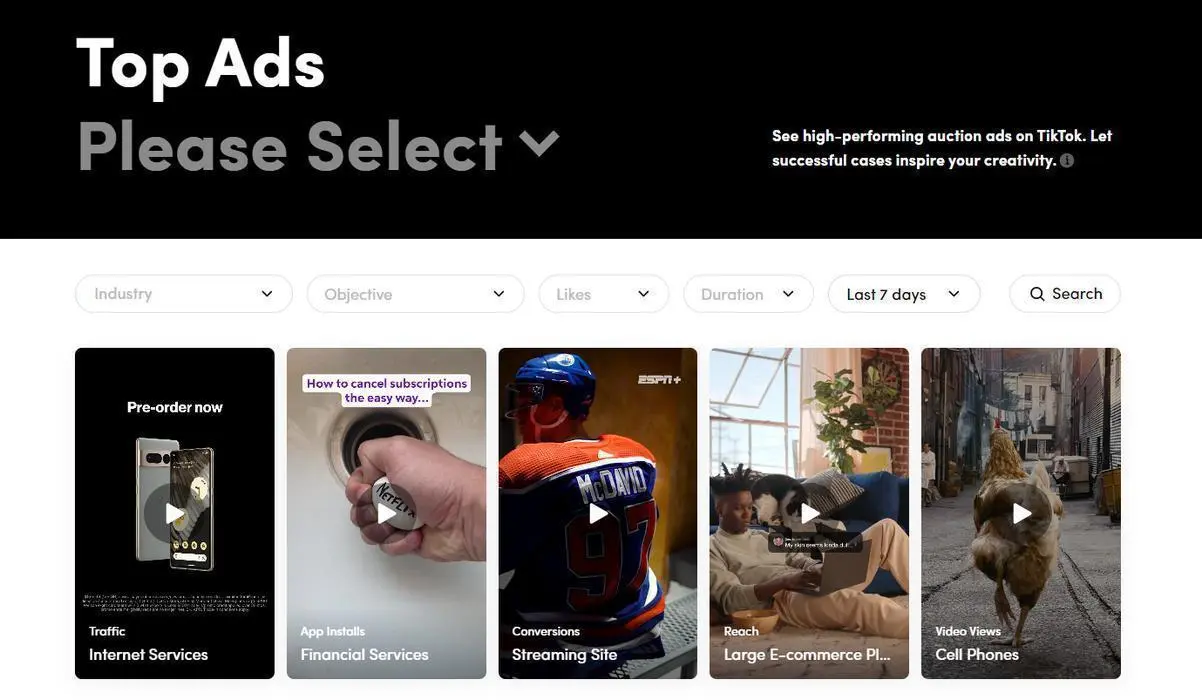
TikTok Ads Manager covers end-to-end campaign creation: audience targeting by interest, behavior, and device; budget and bid controls; creative testing; and performance measurement. The platform also includes a Creative Center with trend data and top-performing ad examples by category.

What makes TikTok's ad environment different is the creative bar. TikTok's own guidance is explicit: vertical mobile-first video with fast hooks and authentic presentation generally outperforms polished commercial production. That puts ongoing pressure on creative production. Brands generating 10-20 variations per week can test their way to winners. Brands producing 2-3 will plateau.
Tik tok top ads

Who it's for: Consumer brands, e-commerce, app marketers, and any brand with a video-first creative strategy.

3. LinkedIn Campaign Manager

Best for: B2B advertising, professional audience targeting, lead generation

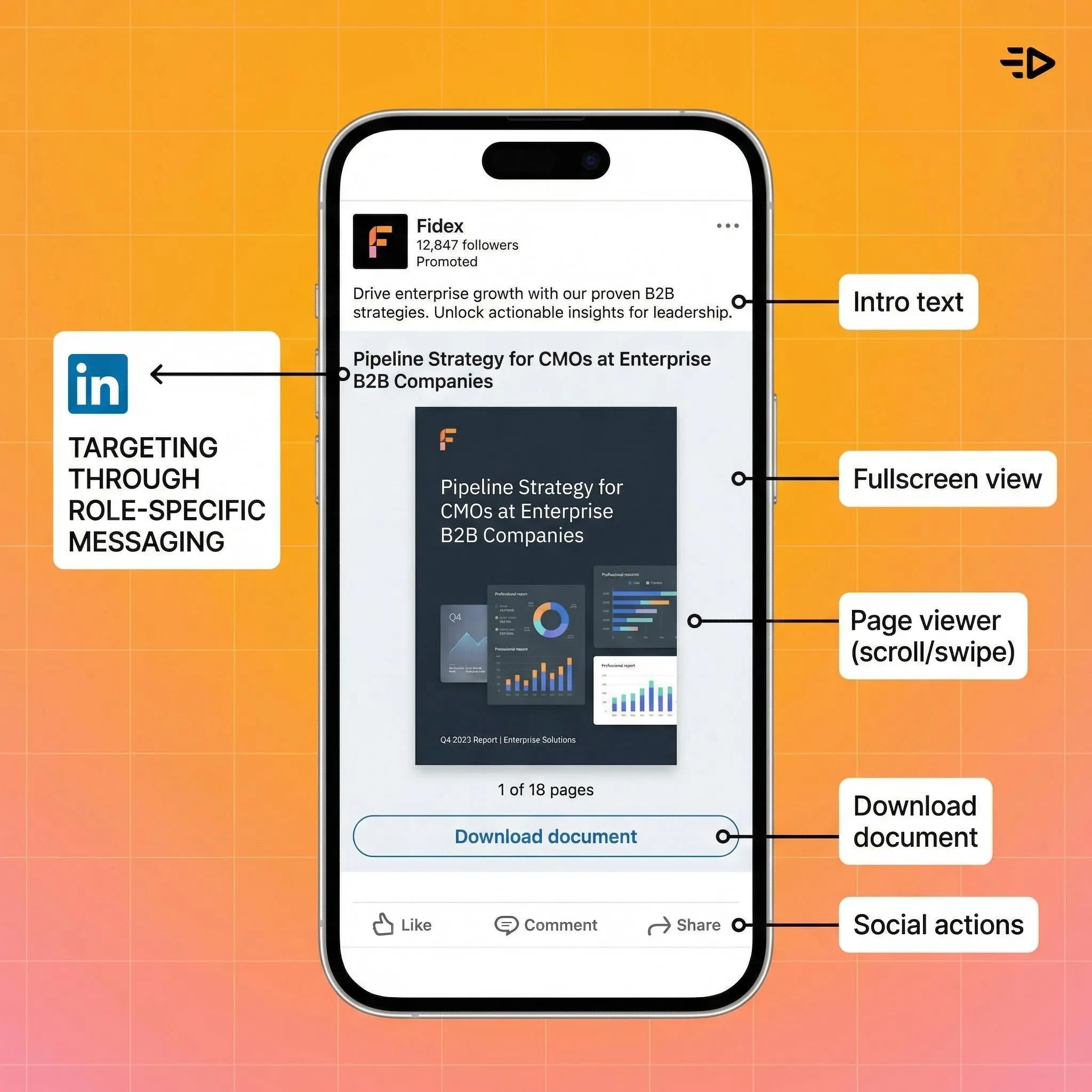
LinkedIn Campaign Manager runs Sponsored Content, Message Ads, Document Ads, Lead Gen Forms, and text-based placements. Targeting is built around professional data: job title, seniority, company size, industry, skills, and group membership.
Linkeding targeting ads

LinkedIn is one of the most precise platforms for B2B audience targeting, particularly for professional roles and company characteristics. CPCs run higher than Meta or TikTok, but the audience quality for professional intent is harder to replicate elsewhere. LinkedIn's documentation covers permissions, content review workflows, and lead form setup in detail, which matters for teams managing campaigns across multiple clients or business units.

Who it's for: B2B brands, SaaS companies, professional services, and enterprise sales teams.

4. Pinterest Ads

Best for: Visual discovery, purchase-intent audiences, lifestyle categories

Pinterest's ad platform runs Promoted Pins, Shopping Ads, video placements, and collection formats. What distinguishes Pinterest is user intent: people use it to plan purchases and discover products they're actively considering. Content on Pinterest also tends to have longer shelf life than on feed-based platforms, with promoted pins continuing to drive traffic after campaigns end.

The audience skews toward specific categories (home decor, fashion, beauty, food), and for brands in these verticals it often delivers strong conversion intent relative to CPM.
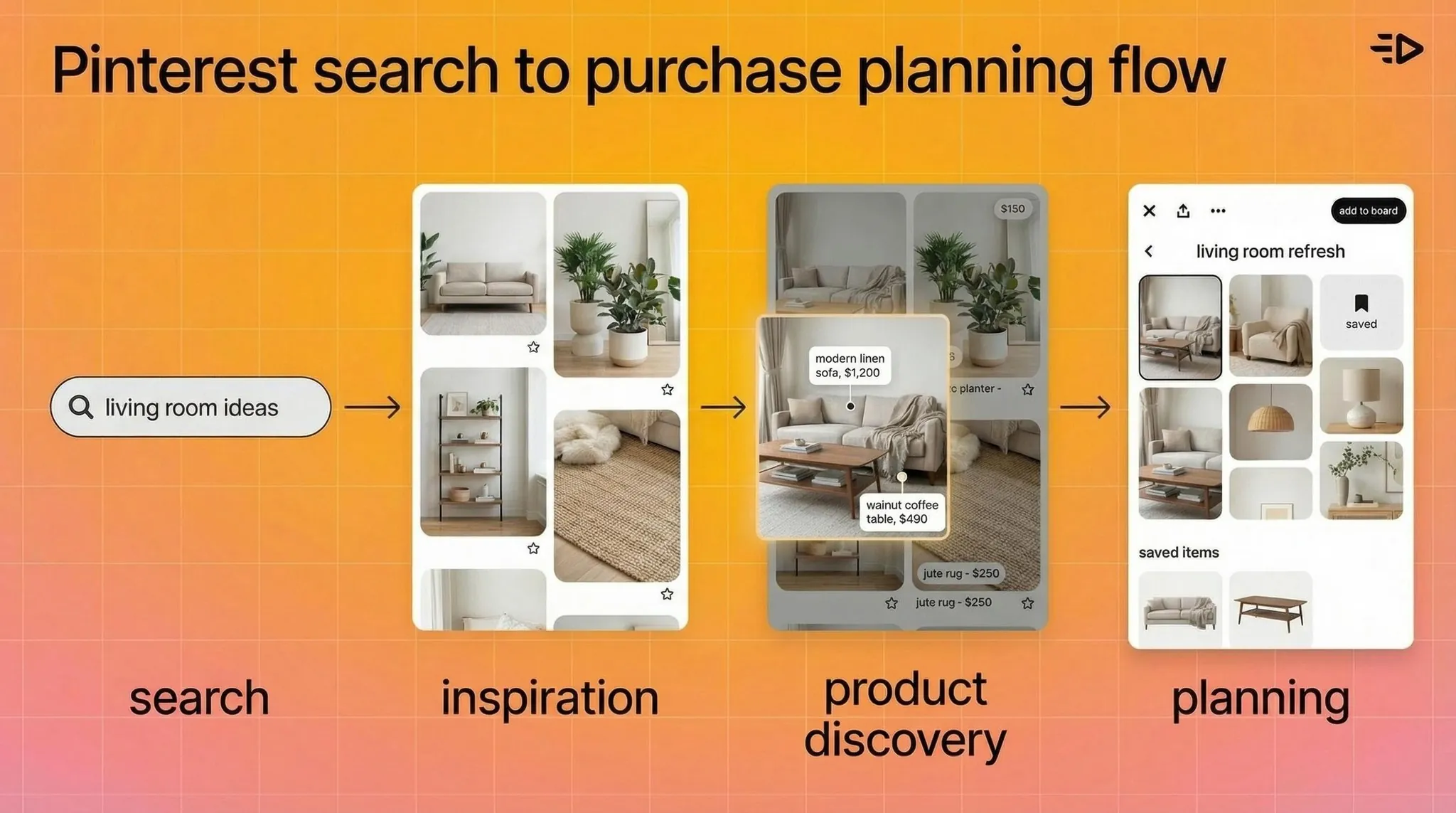
Pinterast search to purchase planning flow

Who it's for: Home goods, fashion, beauty, food, and lifestyle brands targeting purchase-intent audiences.

5. Snapchat Ads

Best for: Younger audiences, vertical video, AR formats

Snapchat's ad manager handles full-screen vertical video, Story Ads, Collection Ads, and augmented reality lenses. AR lens ads are a genuinely differentiated format: interactive try-on or brand experiences that users engage with directly. The platform's reach is smaller than Meta or TikTok, but the audience concentration in younger demographics makes it useful for brands where that's the primary target.
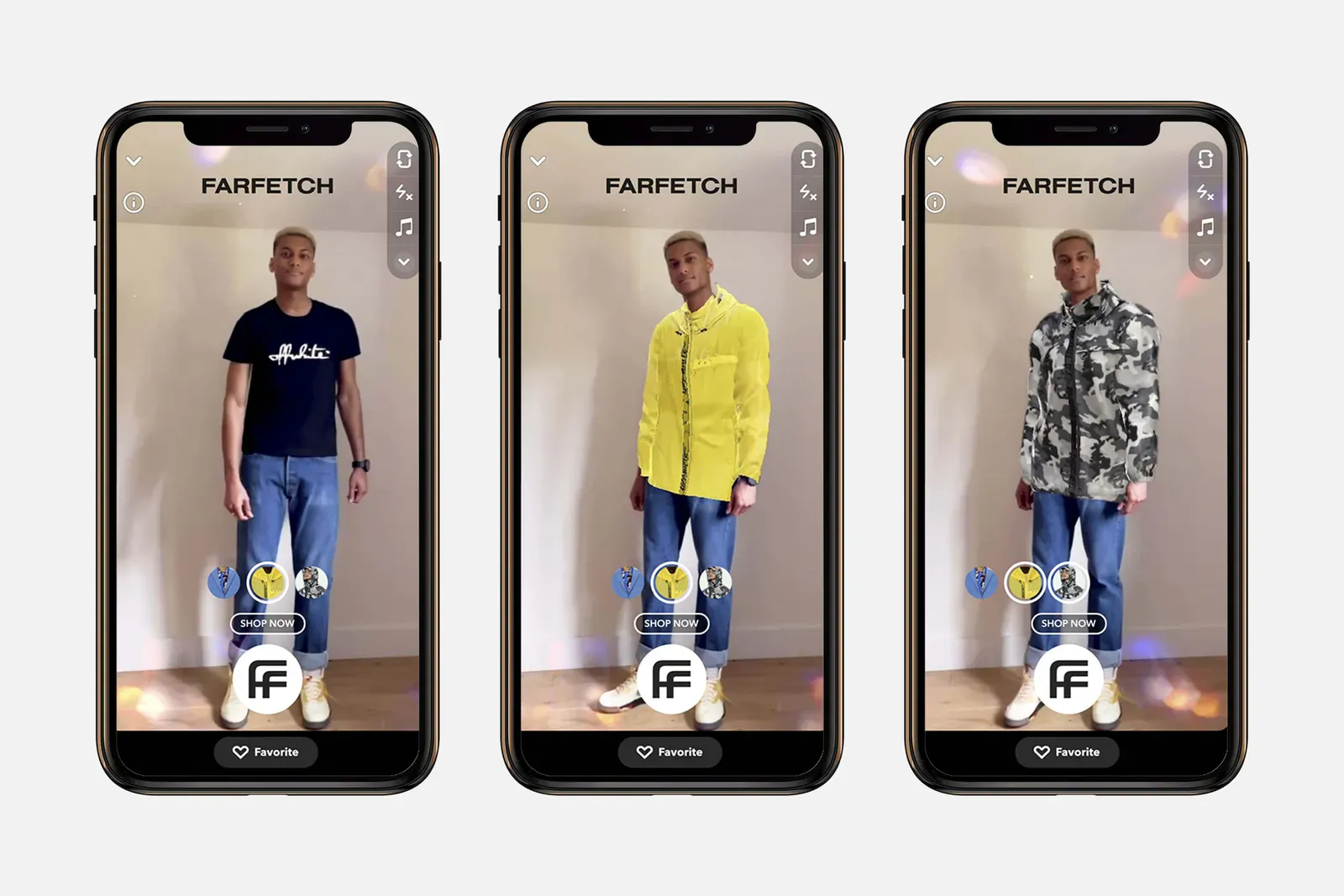
Pinterast Ad example

Who it's for: Youth-focused consumer brands, beauty, fashion, and entertainment.

6. X (Twitter) Ads

Best for: Real-time events, news-adjacent brands, conversation-context placements

X Ads runs promoted posts and video ads. Targeting works around keywords, interest categories, and follower lookalikes, with the ability to reach users engaging with specific topics or accounts. The platform's primary use case is real-time relevance: brands that want to be present during live events or cultural moments. The conversational format also makes it a different environment from image- or video-first platforms.

Who it's for: Media, entertainment, news-adjacent brands, and event-driven campaign moments.

AI creative production tools

7. Creatify

Best for: AI video ad production across all social platforms

Creatify is not an ad platform. It's where ads get made before they're uploaded to Meta, TikTok, LinkedIn, or anywhere else, and it belongs in any serious social advertising stack for one specific reason: creative production speed.

The core workflow is straightforward. Paste a product URL or upload images,
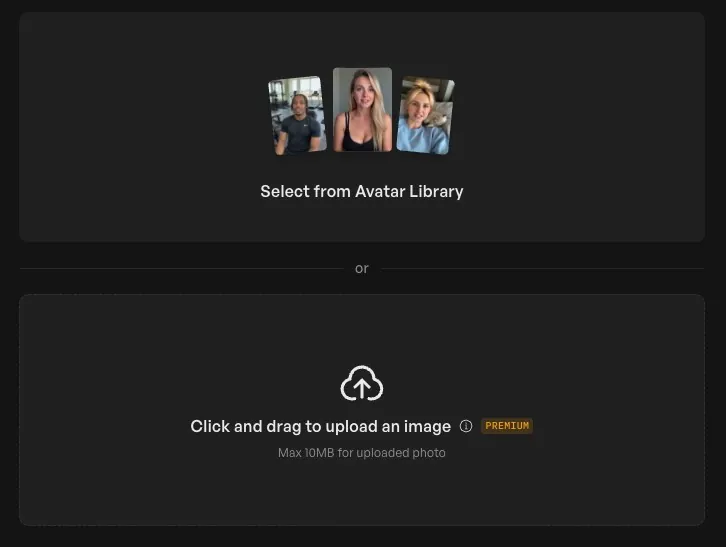
Creatify Paste product URL

select from 1,500+ AI avatars, and generate a ready-to-run video ad in minutes. The AI scriptwriter produces multiple hook variations per product, and Batch Mode creates dozens of creative variations simultaneously. Output formats cover 9:16 for TikTok and Instagram Reels, 16:9 for YouTube and Facebook feed, and 1:1 for square placements.
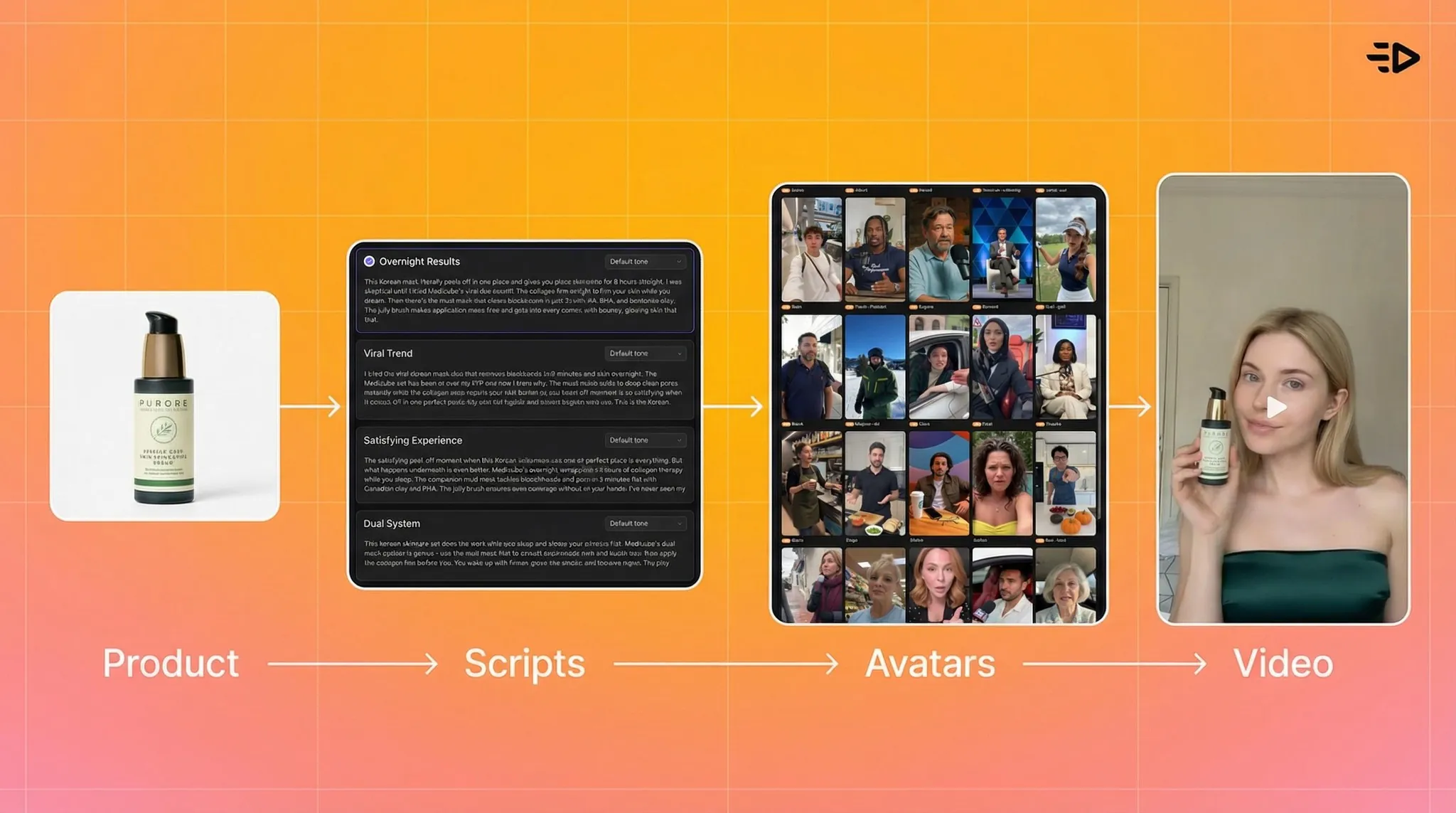
Product Script Avatars Video

Traditional video production takes weeks and costs $3,000 to $15,000 per video (per Creatify's reported benchmarks). At that cost, most brands can test 2-3 concepts before committing budget. With Creatify, the same team can generate 50-100 variations and let performance data decide what scales.

Results from Creatify's published case studies: 1MORE (a U.S. audio brand) reported a 200% increase in purchases and 158% more link clicks after switching from influencer production. Twist Digital (an affiliate marketing agency) reported CTR doubling from 4-5% to 9-10%. Unicorn Marketers generated 150+ creative variations in two weeks and reported a 45% CPA reduction and 73% ROAS improvement on a failing ad account.

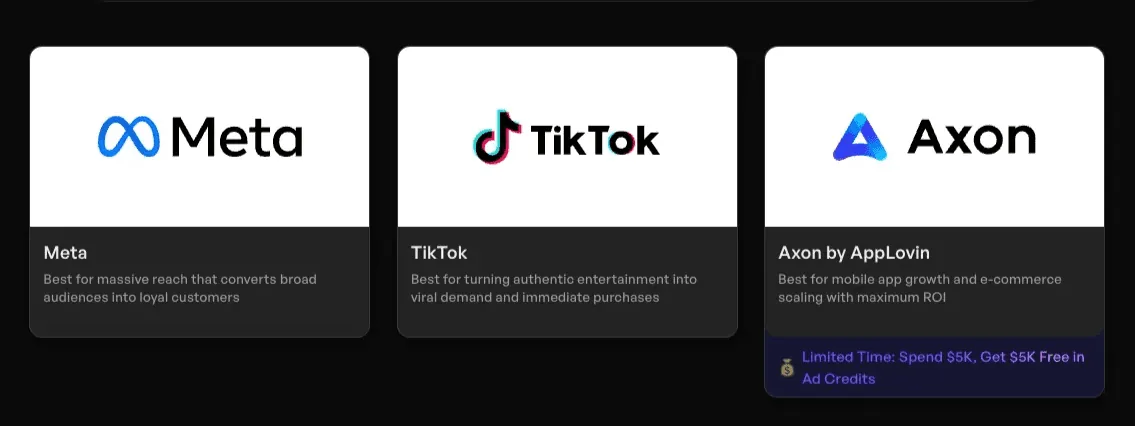
Creatify integrates directly with Meta and TikTok for ad launching, and with AppLovin Axon on Enterprise plans.
Creatify intergrations

Who it's for: E-commerce brands, DTC businesses, marketing agencies, and any team where creative production speed is the limiting factor.

Cross-platform management tools

8. Cross-platform social ads management tools

Best for: Teams managing multiple channels, clients, or brands simultaneously

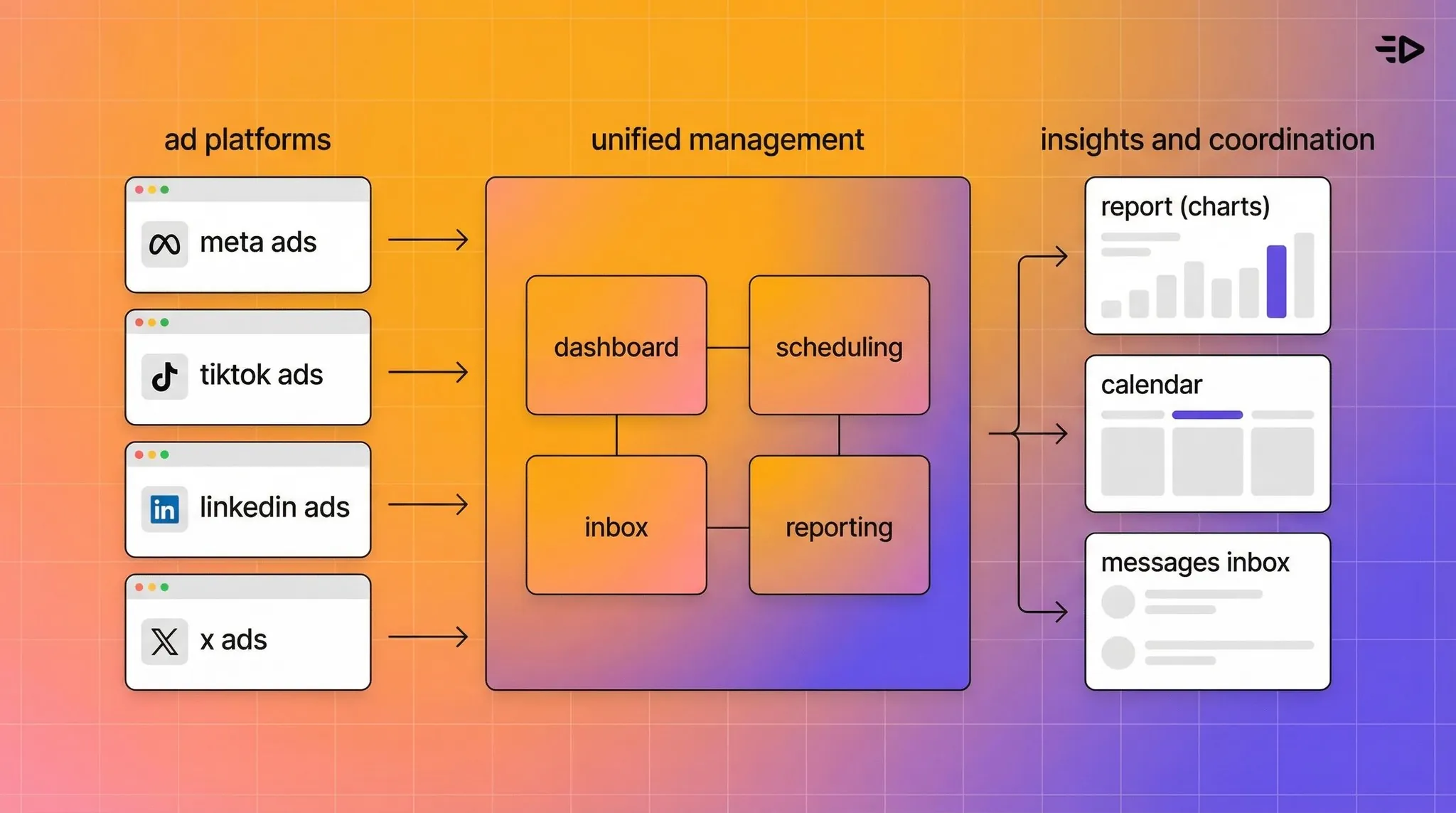
Once campaigns are running across 3 or more platforms, the operational overhead is real: separate logins, inconsistent reporting formats, and no unified view of performance. Cross-platform management tools (Sprout Social, Hootsuite, Metricool, and others in this category) address this.

These tools provide unified dashboards for publishing, scheduling, inbox management, and cross-channel reporting. They sit above native ad platforms, not in place of them. Campaigns are still built and optimized in Meta Ads Manager or TikTok Ads Manager. Reporting and collaboration happen in the management layer.

What to evaluate: permission levels and approval workflows for teams, cross-channel reporting quality, scheduling and content calendar functionality, and how well the tool surfaces performance data without requiring manual exports. For agencies, client-facing reporting and role-based access tend to matter most. For in-house teams, unified inbox and social listening are usually higher priorities.
Cross plaftorm management tool

Who it's for: Marketing agencies, enterprise teams, and any brand managing more than 2 active social ad channels

Adjacent platforms worth knowing

Social Media users

These two platforms don't belong in the "social media advertising" category strictly, but they matter enough for brands running paid social to deserve mention.

9. Google Ads

Google Ads covers search, display, YouTube video, Performance Max, and Shopping campaigns. For social advertising purposes, YouTube is the most relevant surface: 16:9 video ads, skippable and non-skippable pre-rolls, and Shorts placements. Google's platform also handles conversion tracking and attribution across paid channels, making it a connective layer even when it's not the primary social buy.

Relevant for: Brands with YouTube presence, existing search budgets, or multi-channel attribution setups.

10. AppLovin Axon

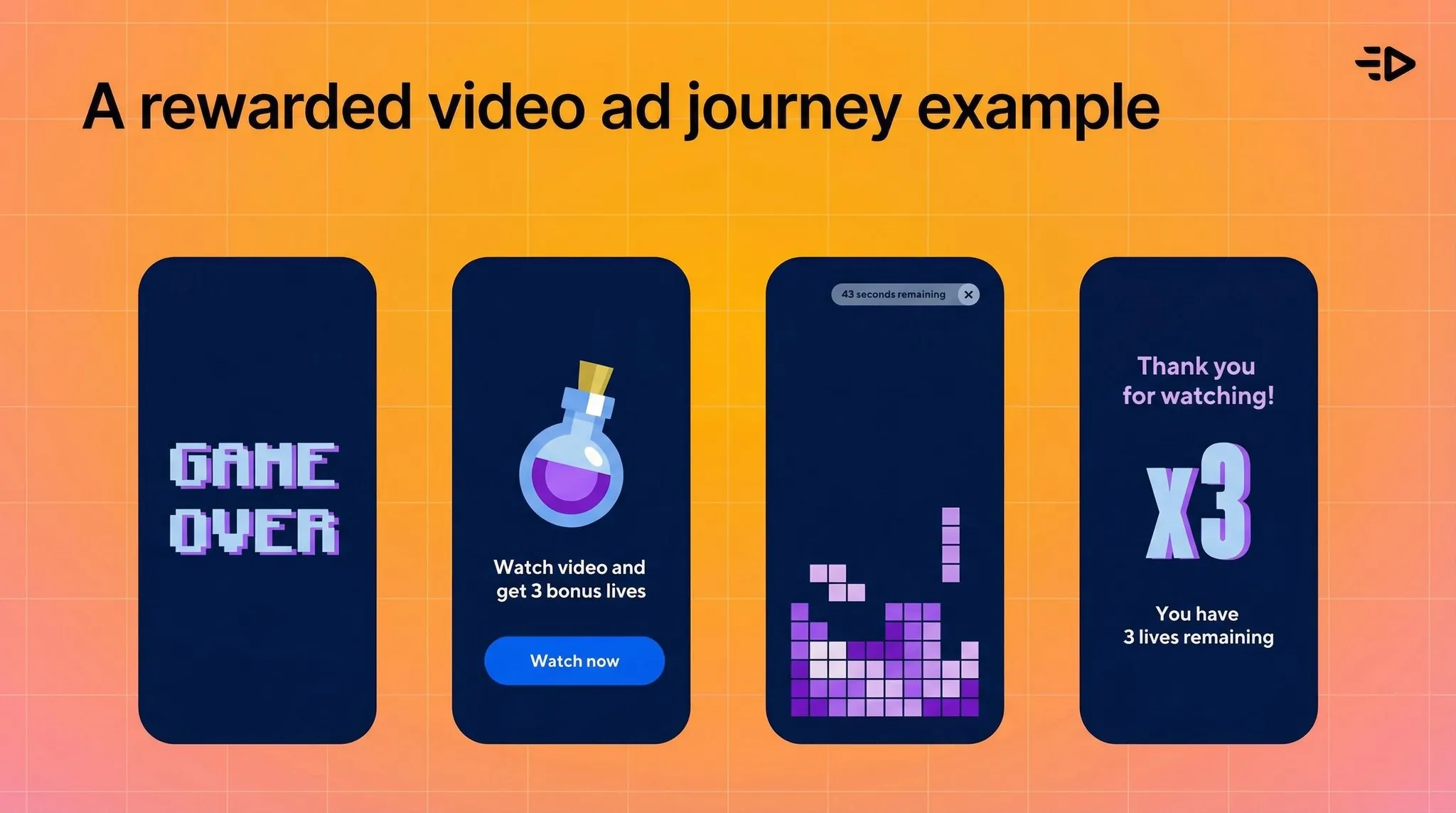
Axon is an AI-powered programmatic ad system that optimizes across mobile app inventory and connected TV placements, not social feeds. It's worth knowing because it targets different inventory than Meta or TikTok and can extend reach to audiences not accessible on social-first platforms. Axon's optimization model needs significant creative variation to work effectively, which is why brands entering it need a production system that can supply volume. Creatify's Enterprise plan includes AppLovin Axon integration;
AppLoving Axon

Axon's optimization model needs significant creative variation to work effectively, which is why brands entering it need a production system that can supply volume. Creatify's Enterprise plan includes AppLovin Axon integration;
Axon by Applovin

Flamingo Shop (a fashion e-commerce brand) reported generating 100+ monthly video variations with Creatify for Axon campaigns alongside their Meta and Instagram spend.

Relevant for: E-commerce brands with established social campaigns looking to extend into mobile app and CTV inventory.

Building a stack that works

A practical structure for most teams:

Campaign execution: Native ad manager for your primary platform. This is always the core.

Creative production: A system for generating ad creative at the volume your testing strategy requires. This is the most under-invested layer in most stacks.

Management and reporting: A cross-platform tool for teams running multiple channels or managing client reporting. Solo operators running one platform usually don't need this.

Most teams over-invest in management tools and under-invest in creative production. The best targeting and the most efficient bid strategy won't rescue campaigns running exhausted creative.

Common mistakes worth avoiding

Using one platform for every objective. Meta is strong for reach and retargeting. LinkedIn is strong for B2B intent. TikTok is strong for native-feeling video. Running everything through one channel caps performance.

Choosing tools before defining success metrics. A reporting dashboard is only as useful as the conversion tracking behind it. Set up measurement before adding management tools.

Treating creative testing as optional. As TikTok's guidance makes clear, creative fatigue is fast and frequent refreshes are expected best practice. Brands that can't produce enough variations to test will underperform their budget.

Skipping permissions and workflow setup. LinkedIn and Meta both have multi-level permission structures for a reason. Teams that skip this step end up with access issues, duplicated campaigns, and compliance exposure.
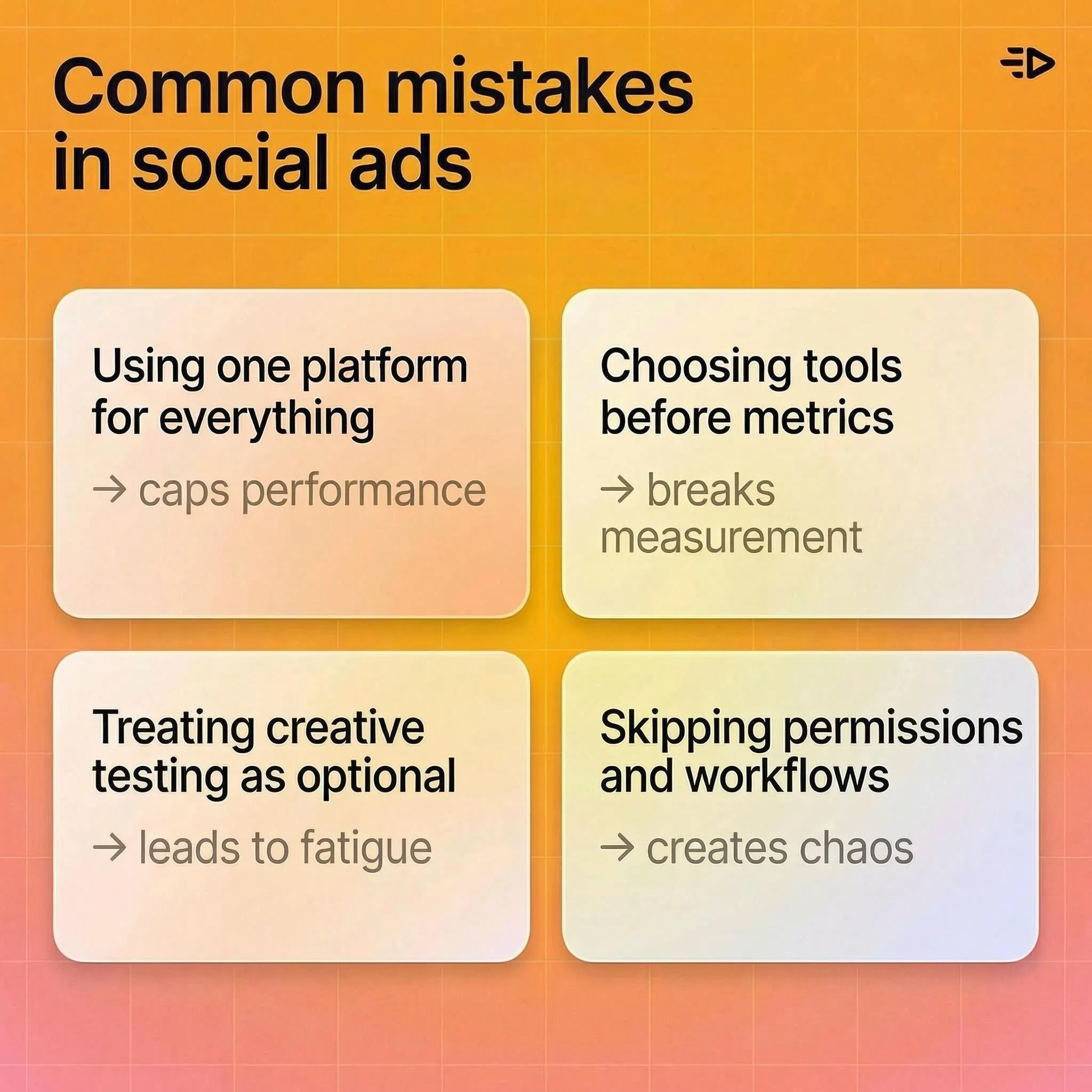
Common Mistakes in Social ads

Frequently Asked Questions

What are social media advertising tools?

Social media advertising tools cover three categories: native ad platforms (Meta Ads Manager, TikTok Ads Manager, LinkedIn Campaign Manager) where campaigns are created and delivered; creative production tools (like Creatify) where ads are made; and cross-platform management tools where teams coordinate reporting and workflows across channels.

What is the best social media advertising platform in 2026?

It depends on your audience and goals. Meta Ads Manager is the broadest platform for consumer reach and retargeting. TikTok Ads Manager is strongest for video-first creative with younger audiences. LinkedIn Campaign Manager is the most precise for B2B targeting. Most brands running serious paid social programs use at least two native platforms together.

What is social ads management software?

Social ads management software helps teams plan, coordinate, and report on paid social campaigns across multiple platforms from a single interface. Tools like Sprout Social, Hootsuite, and Metricool provide unified dashboards, scheduling, team permissions, and cross-channel reporting. They work on top of native ad platforms, not in place of them.

How do I manage social media advertising across multiple platforms?

Run campaigns in each platform's native ad manager, and use a cross-platform management tool for unified reporting, content scheduling, and team collaboration. Native tools handle campaign creation and optimization. Management tools reduce the operational complexity of running several channels simultaneously.

What tools do marketing agencies use for social media advertising?

Most agencies use native ad managers (Meta, TikTok, LinkedIn) for campaign execution, a cross-platform management tool for client reporting and team workflows, and increasingly an AI creative platform for generating ad volume at scale. Creative production tools like Creatify have become common in agency stacks because their ability to generate dozens of creative variations quickly is essential for proper testing across client accounts.

How important is creativity in social media advertising?

It's the biggest performance variable in most campaigns once targeting and setup are sound. TikTok and Meta both treat creative quality and refresh frequency as primary performance drivers. Teams that can produce more creative variations test faster, find winners sooner, and scale with more confidence.

What is the difference between a social media ad platform and a social media management tool?

A native ad platform (Meta Ads Manager, TikTok Ads Manager, LinkedIn Campaign Manager) is where campaigns are created, targeted, budgeted, and delivered. A social media management tool sits above these and provides unified scheduling, reporting, inbox management, and team collaboration across channels. You need the native platform regardless. You need the management layer only if you're running multiple channels or managing teams.

Can AI tools help with social media advertising?

Yes, in two distinct ways. Native ad platforms use AI for delivery optimization, audience prediction, and automated bidding. Separately, AI creative platforms like Creatify generate video ads, image ads, and UGC-style content at scale, supplying the creative volume that campaign optimization requires. For most teams, the limiting factor isn't the algorithm — it's having enough creative variations to test.

Creative is often the biggest performance lever once targeting and budget mechanics are in place. But the tools used to produce and manage ads can either enable proper testing or quietly cap how much is possible.

In 2026, many social ads stacks have three layers: the native ad platform where campaigns are built and delivered, a creative production system that generates ad content at the volume needed for proper testing, and a management layer for teams running across multiple channels. This article covers all three, plus two adjacent performance platforms worth knowing about. Picking the right combination depends on your channels, your team size, and where the actual bottleneck is.

Making social media advertising

What this article covers

Native ad platforms are where campaigns are created, targeted, budgeted, and delivered. Meta Ads Manager, TikTok Ads Manager, LinkedIn Campaign Manager, and others fall here. These are foundational regardless of what else is in your stack.

AI creative production tools generate the ad content itself: video ads, image ads, UGC-style creative, and format variations. Creative production speed has become a real campaign constraint as platforms push video-first formats and A/B testing requirements grow.

Cross-platform management tools help teams plan, schedule, collaborate, and report across channels without logging into multiple dashboards separately.

How to choose the right social media advertising tools

A few practical filters before the list:

Match to your primary channel first. A brand running 80% of its budget on Meta doesn't need the same stack as an agency managing TikTok, LinkedIn, and Pinterest simultaneously.

Match to your team structure. A solo operator needs simplicity. An agency with client reporting requirements needs permissions, approvals, and exportable dashboards. An enterprise team needs SSO, audit logs, and multi-brand controls.

Decide what you actually need. LinkedIn's campaign documentation covers how to manage permissions and workflow for teams of different sizes. A brand running two channels with three campaigns doesn't need an enterprise management platform.

Think about creative velocity early. TikTok's ad guidance treats creative fatigue as one of the fastest performance killers on the platform, and recommends frequent refreshes as standard practice. If creative production can't keep up with testing requirements, media spend will underperform regardless of what platform or management tool is used.

Choosing social media ad tool

Native ad platforms

1. Meta Ads Manager

Best for: Facebook and Instagram advertising, broad audience reach, retargeting

Meta Ads Manager covers campaign creation, audience targeting, budget control, real-time optimization, and performance reporting across Facebook and Instagram. Targeting options include custom audiences, lookalikes, interest stacking, and retargeting by video view percentage. Creative performance breakdowns by format, placement, and demographic are built in, and A/B testing is handled at the campaign level.

Meta Ads performance loop

Meta's targeting depth is, editorially, among the strongest in social advertising. That said, targeting sophistication only delivers value if there are enough creative variations to actually test. Brands running the same 3 creatives for 6 weeks won't get much from the targeting controls.

Who it's for: E-commerce brands, DTC businesses, and any brand with a broad consumer audience.

2. TikTok Ads Manager

Best for: Vertical video, short-form creative, younger consumer audiences

TikTok Ads Manager covers end-to-end campaign creation: audience targeting by interest, behavior, and device; budget and bid controls; creative testing; and performance measurement. The platform also includes a Creative Center with trend data and top-performing ad examples by category.

What makes TikTok's ad environment different is the creative bar. TikTok's own guidance is explicit: vertical mobile-first video with fast hooks and authentic presentation generally outperforms polished commercial production. That puts ongoing pressure on creative production. Brands generating 10-20 variations per week can test their way to winners. Brands producing 2-3 will plateau.

Tik tok top ads

Who it's for: Consumer brands, e-commerce, app marketers, and any brand with a video-first creative strategy.

3. LinkedIn Campaign Manager

Best for: B2B advertising, professional audience targeting, lead generation

LinkedIn Campaign Manager runs Sponsored Content, Message Ads, Document Ads, Lead Gen Forms, and text-based placements. Targeting is built around professional data: job title, seniority, company size, industry, skills, and group membership.

Linkeding targeting ads

LinkedIn is one of the most precise platforms for B2B audience targeting, particularly for professional roles and company characteristics. CPCs run higher than Meta or TikTok, but the audience quality for professional intent is harder to replicate elsewhere. LinkedIn's documentation covers permissions, content review workflows, and lead form setup in detail, which matters for teams managing campaigns across multiple clients or business units.

Who it's for: B2B brands, SaaS companies, professional services, and enterprise sales teams.

4. Pinterest Ads

Best for: Visual discovery, purchase-intent audiences, lifestyle categories

Pinterest's ad platform runs Promoted Pins, Shopping Ads, video placements, and collection formats. What distinguishes Pinterest is user intent: people use it to plan purchases and discover products they're actively considering. Content on Pinterest also tends to have longer shelf life than on feed-based platforms, with promoted pins continuing to drive traffic after campaigns end.

The audience skews toward specific categories (home decor, fashion, beauty, food), and for brands in these verticals it often delivers strong conversion intent relative to CPM.

Pinterast search to purchase planning flow

Who it's for: Home goods, fashion, beauty, food, and lifestyle brands targeting purchase-intent audiences.

5. Snapchat Ads

Best for: Younger audiences, vertical video, AR formats

Snapchat's ad manager handles full-screen vertical video, Story Ads, Collection Ads, and augmented reality lenses. AR lens ads are a genuinely differentiated format: interactive try-on or brand experiences that users engage with directly. The platform's reach is smaller than Meta or TikTok, but the audience concentration in younger demographics makes it useful for brands where that's the primary target.

Pinterast Ad example

Who it's for: Youth-focused consumer brands, beauty, fashion, and entertainment.

6. X (Twitter) Ads

Best for: Real-time events, news-adjacent brands, conversation-context placements

X Ads runs promoted posts and video ads. Targeting works around keywords, interest categories, and follower lookalikes, with the ability to reach users engaging with specific topics or accounts. The platform's primary use case is real-time relevance: brands that want to be present during live events or cultural moments. The conversational format also makes it a different environment from image- or video-first platforms.

Who it's for: Media, entertainment, news-adjacent brands, and event-driven campaign moments.

AI creative production tools

7. Creatify

Best for: AI video ad production across all social platforms

Creatify is not an ad platform. It's where ads get made before they're uploaded to Meta, TikTok, LinkedIn, or anywhere else, and it belongs in any serious social advertising stack for one specific reason: creative production speed.

The core workflow is straightforward. Paste a product URL or upload images,

Creatify Paste product URL

select from 1,500+ AI avatars, and generate a ready-to-run video ad in minutes. The AI scriptwriter produces multiple hook variations per product, and Batch Mode creates dozens of creative variations simultaneously. Output formats cover 9:16 for TikTok and Instagram Reels, 16:9 for YouTube and Facebook feed, and 1:1 for square placements.

Product Script Avatars Video

Traditional video production takes weeks and costs $3,000 to $15,000 per video (per Creatify's reported benchmarks). At that cost, most brands can test 2-3 concepts before committing budget. With Creatify, the same team can generate 50-100 variations and let performance data decide what scales.

Results from Creatify's published case studies: 1MORE (a U.S. audio brand) reported a 200% increase in purchases and 158% more link clicks after switching from influencer production. Twist Digital (an affiliate marketing agency) reported CTR doubling from 4-5% to 9-10%. Unicorn Marketers generated 150+ creative variations in two weeks and reported a 45% CPA reduction and 73% ROAS improvement on a failing ad account.

Creatify integrates directly with Meta and TikTok for ad launching, and with AppLovin Axon on Enterprise plans.

Creatify intergrations

Who it's for: E-commerce brands, DTC businesses, marketing agencies, and any team where creative production speed is the limiting factor.

Cross-platform management tools

8. Cross-platform social ads management tools

Best for: Teams managing multiple channels, clients, or brands simultaneously

Once campaigns are running across 3 or more platforms, the operational overhead is real: separate logins, inconsistent reporting formats, and no unified view of performance. Cross-platform management tools (Sprout Social, Hootsuite, Metricool, and others in this category) address this.

These tools provide unified dashboards for publishing, scheduling, inbox management, and cross-channel reporting. They sit above native ad platforms, not in place of them. Campaigns are still built and optimized in Meta Ads Manager or TikTok Ads Manager. Reporting and collaboration happen in the management layer.

What to evaluate: permission levels and approval workflows for teams, cross-channel reporting quality, scheduling and content calendar functionality, and how well the tool surfaces performance data without requiring manual exports. For agencies, client-facing reporting and role-based access tend to matter most. For in-house teams, unified inbox and social listening are usually higher priorities.

Cross plaftorm management tool

Who it's for: Marketing agencies, enterprise teams, and any brand managing more than 2 active social ad channels

Adjacent platforms worth knowing

Social Media users

These two platforms don't belong in the "social media advertising" category strictly, but they matter enough for brands running paid social to deserve mention.

9. Google Ads

Google Ads covers search, display, YouTube video, Performance Max, and Shopping campaigns. For social advertising purposes, YouTube is the most relevant surface: 16:9 video ads, skippable and non-skippable pre-rolls, and Shorts placements. Google's platform also handles conversion tracking and attribution across paid channels, making it a connective layer even when it's not the primary social buy.

Relevant for: Brands with YouTube presence, existing search budgets, or multi-channel attribution setups.

10. AppLovin Axon

Axon is an AI-powered programmatic ad system that optimizes across mobile app inventory and connected TV placements, not social feeds. It's worth knowing because it targets different inventory than Meta or TikTok and can extend reach to audiences not accessible on social-first platforms. Axon's optimization model needs significant creative variation to work effectively, which is why brands entering it need a production system that can supply volume. Creatify's Enterprise plan includes AppLovin Axon integration;

AppLoving Axon

Axon's optimization model needs significant creative variation to work effectively, which is why brands entering it need a production system that can supply volume. Creatify's Enterprise plan includes AppLovin Axon integration;

Axon by Applovin

Flamingo Shop (a fashion e-commerce brand) reported generating 100+ monthly video variations with Creatify for Axon campaigns alongside their Meta and Instagram spend.

Relevant for: E-commerce brands with established social campaigns looking to extend into mobile app and CTV inventory.

Building a stack that works

A practical structure for most teams:

Campaign execution: Native ad manager for your primary platform. This is always the core.

Creative production: A system for generating ad creative at the volume your testing strategy requires. This is the most under-invested layer in most stacks.

Management and reporting: A cross-platform tool for teams running multiple channels or managing client reporting. Solo operators running one platform usually don't need this.

Most teams over-invest in management tools and under-invest in creative production. The best targeting and the most efficient bid strategy won't rescue campaigns running exhausted creative.

Common mistakes worth avoiding

Using one platform for every objective. Meta is strong for reach and retargeting. LinkedIn is strong for B2B intent. TikTok is strong for native-feeling video. Running everything through one channel caps performance.

Choosing tools before defining success metrics. A reporting dashboard is only as useful as the conversion tracking behind it. Set up measurement before adding management tools.

Treating creative testing as optional. As TikTok's guidance makes clear, creative fatigue is fast and frequent refreshes are expected best practice. Brands that can't produce enough variations to test will underperform their budget.

Skipping permissions and workflow setup. LinkedIn and Meta both have multi-level permission structures for a reason. Teams that skip this step end up with access issues, duplicated campaigns, and compliance exposure.

Common Mistakes in Social ads

Frequently Asked Questions

What are social media advertising tools?

Social media advertising tools cover three categories: native ad platforms (Meta Ads Manager, TikTok Ads Manager, LinkedIn Campaign Manager) where campaigns are created and delivered; creative production tools (like Creatify) where ads are made; and cross-platform management tools where teams coordinate reporting and workflows across channels.

What is the best social media advertising platform in 2026?

It depends on your audience and goals. Meta Ads Manager is the broadest platform for consumer reach and retargeting. TikTok Ads Manager is strongest for video-first creative with younger audiences. LinkedIn Campaign Manager is the most precise for B2B targeting. Most brands running serious paid social programs use at least two native platforms together.

What is social ads management software?

Social ads management software helps teams plan, coordinate, and report on paid social campaigns across multiple platforms from a single interface. Tools like Sprout Social, Hootsuite, and Metricool provide unified dashboards, scheduling, team permissions, and cross-channel reporting. They work on top of native ad platforms, not in place of them.

How do I manage social media advertising across multiple platforms?

Run campaigns in each platform's native ad manager, and use a cross-platform management tool for unified reporting, content scheduling, and team collaboration. Native tools handle campaign creation and optimization. Management tools reduce the operational complexity of running several channels simultaneously.

What tools do marketing agencies use for social media advertising?

Most agencies use native ad managers (Meta, TikTok, LinkedIn) for campaign execution, a cross-platform management tool for client reporting and team workflows, and increasingly an AI creative platform for generating ad volume at scale. Creative production tools like Creatify have become common in agency stacks because their ability to generate dozens of creative variations quickly is essential for proper testing across client accounts.

How important is creativity in social media advertising?

It's the biggest performance variable in most campaigns once targeting and setup are sound. TikTok and Meta both treat creative quality and refresh frequency as primary performance drivers. Teams that can produce more creative variations test faster, find winners sooner, and scale with more confidence.

What is the difference between a social media ad platform and a social media management tool?

A native ad platform (Meta Ads Manager, TikTok Ads Manager, LinkedIn Campaign Manager) is where campaigns are created, targeted, budgeted, and delivered. A social media management tool sits above these and provides unified scheduling, reporting, inbox management, and team collaboration across channels. You need the native platform regardless. You need the management layer only if you're running multiple channels or managing teams.

Can AI tools help with social media advertising?

Yes, in two distinct ways. Native ad platforms use AI for delivery optimization, audience prediction, and automated bidding. Separately, AI creative platforms like Creatify generate video ads, image ads, and UGC-style content at scale, supplying the creative volume that campaign optimization requires. For most teams, the limiting factor isn't the algorithm — it's having enough creative variations to test.
Icon
Icon

Ready to turn your product into an engaging video?

Ready to speed up your marketing?

Test your new product ideas in minutes with AI-generated video ads

Arrow icon.
Gradient

Ready to speed up your marketing?

Test your new product ideas in minutes with AI-generated video ads

Arrow icon.
Gradient

Ready to speed up your marketing?

Test your new product ideas in minutes with AI-generated video ads

Arrow icon.
Gradient

Ready to speed up your marketing?

Test your new product ideas in minutes with AI-generated video ads

Arrow icon.
Gradient
Gradient