Boris Goncharov
COMPARTIR


EN ESTE ARTÍCULO
En 2023, una startup de cereales con unos 31,000 seguidores lanzó anuncios en Instagram "respaldados" por Serena Williams y Dwayne Johnson. El truco, oculto en la letra pequeña: Serena era una estudiante y Dwayne conducía un autobús en Londres. Los anuncios generaron más engagement que los de Kellogg's, que estaba pagando a la mismísima Lizzo.
Ahí es hacia donde se dirigió la publicidad en Instagram. Al desplazarte por los mejores ejemplos de anuncios en redes sociales en Instagram, hay algo que destaca: los anuncios que captan la atención en 2026 no se parecen en nada a la cuadrícula perfecta de 2018. Son raros, rápidos y están diseñados para parecer cualquier cosa menos un anuncio.
Aquí tienes 8 ejemplos de anuncios de Instagram para robar: cinco grandes apuestas de marcas que se volvieron virales a propósito y tres formatos nativos que puedes replicar con un presupuesto pequeño. Cada uno viene con el movimiento específico que puedes copiar.
Grandes apuestas que vale la pena estudiar: anuncios exitosos en Instagram
1. Pop-Tarts, "La primera mascota comestible"
En el Pop-Tarts Bowl de 2024, Pop-Tarts presentó a una mascota humana real llamada Strawberry, la dejó saludar a la multitud, luego la metió en una tostadora gigante y sirvió al equipo de fútbol ganador una Pop-Tart real "hecha" a partir de la mascota. Fue alegremente perturbador y todo internet no podía dejar de mirar.
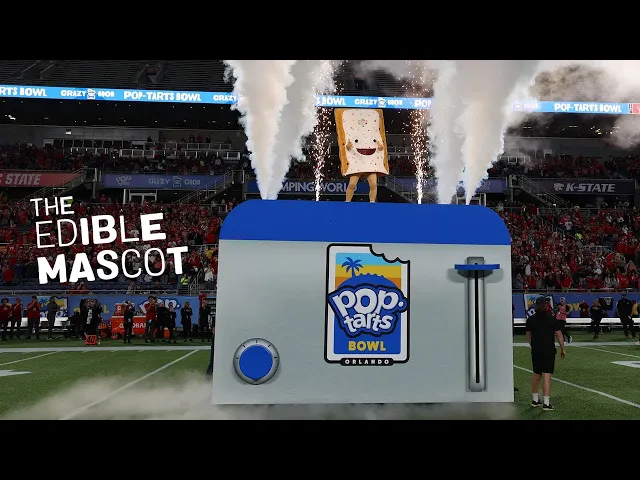
Los números fueron absurdos en el buen sentido. La activación generó más de 4,000 millones de impresiones, se convirtió en la campaña más grande en la historia de su empresa matriz, Kellanova, vendió 21 millones más de Pop-Tarts en las ocho semanas posteriores al juego que en el período comparable anterior y ganó el primer Grand Prix impulsado por ideas en el festival Cannes Lions de 2024.
Roba esto: crea un momento espectacular diseñado para ser filmado y recortado en clips. No necesitas un estadio. Necesitas una sola imagen lo suficientemente rara como para que la gente se sienta obligada a enviársela a un amigo.
2. Specsavers, "La versión mal escuchada"
Specsavers convenció discretamente a Rick Astley para que volviera a grabar "Never Gonna Give You Up" con la letra sutilmente equivocada ("never gonna run a bath" en lugar de la frase que conoces) y la lanzó sin marca. Durante un día, el Reino Unido pensó que estaba perdiendo el oído.
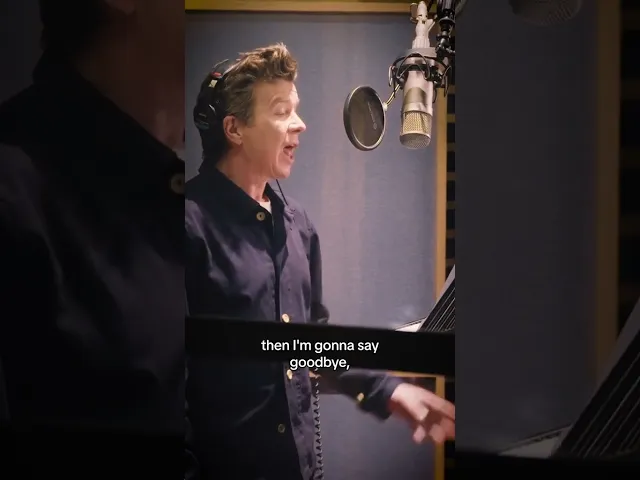
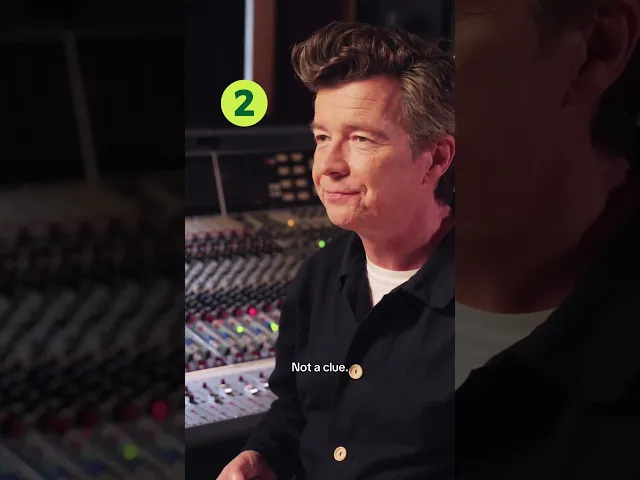
Luego, la óptica reveló que era un anuncio para una prueba de audición. La canción mal escuchada acumuló 20 millones de reproducciones en 8 horas, fue noticia en el 95% de los principales medios del Reino Unido e impulsó las reservas de pruebas de audición un 1,220% por encima del objetivo, todo sin presupuesto de medios pagados. Ganó dos Grand Prix en Cannes.
Roba esto: una interrupción de patrón que haga que la audiencia sienta el problema exacto que soluciona tu producto supera a cualquier lista de características. Specsavers no describió una mala audición. Te dio una pequeña dosis de ella.
3. Surreal, "patrocinios de celebridades falsos"
La marca de cereales de la introducción merece su propia sección. Surreal encontró a personas normales que resultaban compartir nombre con megaestrellas y lanzó anuncios de "apoyo de celebridades": "A Serena Williams le encanta Surreal", con una línea diminuta aclarando que esta Serena trabaja en una escuela.
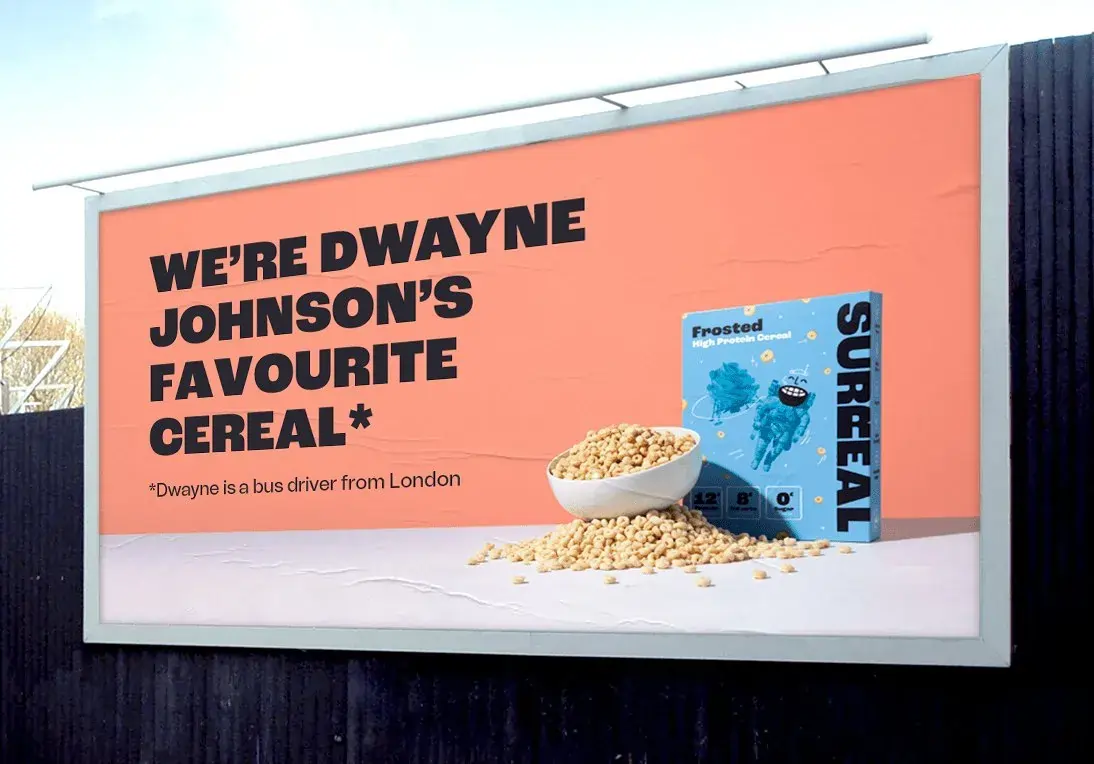
No costó casi nada y generó más engagement que los gigantes del desayuno que gastan dinero real en celebridades, hasta que los abogados obligaron a la marca a añadir asteriscos de "editado", lo que Surreal convirtió en otra broma en sus vallas publicitarias y en su feed. Todo el asunto parece honesto precisamente porque la limitación de presupuesto es evidente.
Roba esto: un truco de verdad literal sumado a una obvia falta de presupuesto indica "somos el desvalido", y la gente apoya a los desvalidos. El truco tiene que ser lo suficientemente ingenioso como para que ser descubierto sea parte de la diversión.
4. Duolingo, el búho desquiciado
Duolingo trata sus redes sociales pagadas como si fueran una cuenta personal manejada por una amenaza. Duo, el búho verde, te hace sentir culpable para que hagas tus lecciones y se comporta mal en todos los formatos, incluido un anuncio de 5 segundos en el Super Bowl diseñado en torno a un solo chiste crudo. En 2025, la marca fingió la muerte de Duo, y la "muerte" alcanzó 18 millones de vistas en TikTok y 140 millones de impresiones en X, con cobertura de medios de comunicación reales.

Como lo expresó el director de marketing de Duolingo, la ventaja es "la creatividad, no el presupuesto de medios". Una mascota con una personalidad genuina convierte los anuncios en contenido que la gente sigue a propósito.
Roba esto: dale a tu marca un personaje con un punto de vista y deja que sea un poco excesivo. Una voz constante es lo que permite que una publicación pagada pase por algo que vale la pena ver.
5. Liquid Death, comedia primero
Liquid Death vende agua enlatada con el eslogan "mata tu sed" y contrata a escritores de comedia que alguna vez trabajaron en Adult Swim para hacer anuncios que parodian el marketing de bebidas en lugar de imitarlo. La marca eligió a un enemigo claro (el marketing aburrido, sano y centrado en la salud) y convirtió cada anuncio en un chiste a su costa.
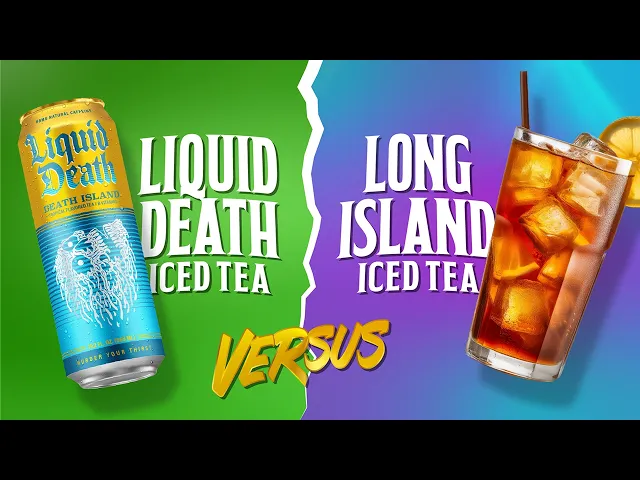
El chiste funcionó. Liquid Death registró ganancias de $333 millones en ingresos en 2024, alcanzó una valoración de $1.4 mil millones y construyó una base de seguidores de más de 14 millones entre TikTok e Instagram.
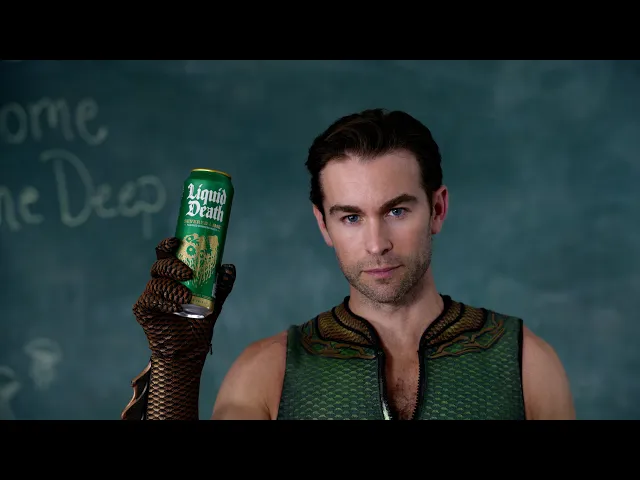
Roba esto: señala aquello que hace tu categoría y que en secreto a todos les resulta molesto, y conviértelo en tu objetivo. Un enemigo claro le da a cada anuncio una razón para ser divertido.
Formatos nativos que puedes replicar: ideas baratas para anuncios de Instagram
Las campañas anteriores tenían presupuesto. Estas tres siguientes son formatos, no campañas individuales, y es donde ganan las marcas pequeñas porque parecen baratas a propósito. Una nota de honestidad antes de que las copies: cuando un anuncio está diseñado para parecer contenido orgánico, revela que es un anuncio. La confianza que estás tomando prestada es todo el valor, y tanto los reguladores como los espectadores castigan a las marcas que lo ocultan.
6. El anuncio de "entrevista en la calle"
Un creador detiene a personas "al azar" en la calle y hace una pregunta rápida que lleva a un producto. Se siente como un clip que te envió un amigo, que es exactamente por qué las marcas de belleza, bienestar y aplicaciones se apoyan en él. El formato mantiene la atención porque un extraño sin un interés obvio parece más creíble que un testimonio impecable.
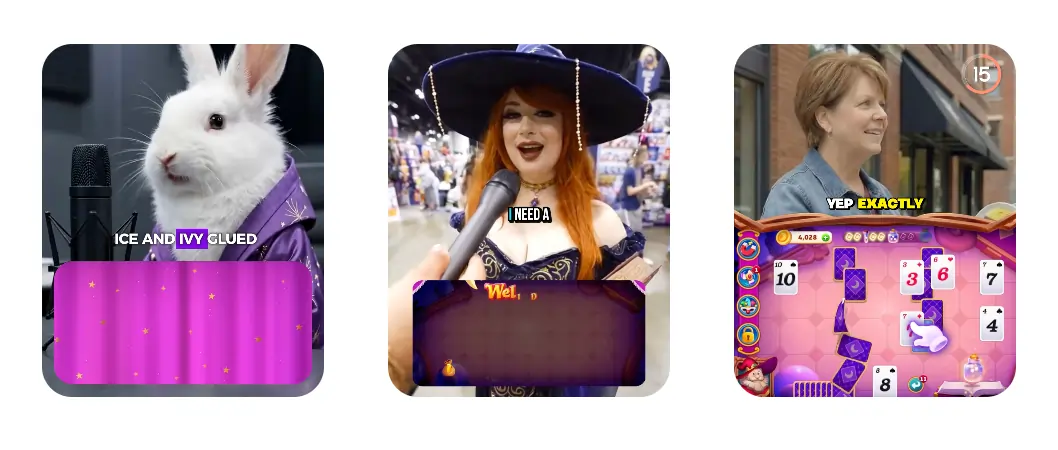
Fuente: estudio de caso de DeNa
Roba esto: abre con una pregunta que suene real en los primeros 2 segundos, mantén la iluminación y el audio un poco improvisados, y deja que el producto surja de forma natural. Luego, etiquétalo como anuncio, porque los montajes que fingen lo contrario son los que terminan destrozados en los comentarios.
7. La Story de "malas noticias para mi cartera"
Este imita una Instagram Story desordenada y sin editar de una persona real: una captura de pantalla, un texto garabateado como "ok, ¿por qué es tan bueno esto?", un precio que los hizo estremecer. Pasa desapercibido bajo el radar de los anuncios porque no se parece en nada a un anuncio diseñado.
Roba esto: apuesta por mucho texto, baja fidelidad y un estilo nativo de las Stories. Lo imperfecto es el objetivo, y una captura de pantalla plana de teléfono a menudo supera a una foto de estudio para este espacio. Crea varias versiones y deja que el feed te diga qué enfoque funciona mejor.
8. La cuna de producto "pobre angelito"
Un fundador se agacha en la acera, sosteniendo el producto entre sus manos como si fuera un gatito rescatado y hablándole con ternura. Es absurdo, es repetible y humaniza algo que de otro modo se quedaría plano en un estante. El formato se extendió porque es fácil de filmar e imposible de ignorar sin mirar dos veces.
Roba esto: elige una dinámica rara y repetible que puedas aplicar a muchos productos. El reconocimiento es el valor. La gente empieza a reconocer el formato de la misma manera que reconocen una plantilla de meme.
Cómo hacer esto sin el presupuesto de un Super Bowl
Esta es la división honesta. Las grandes apuestas necesitan dinero y agallas. Los formatos nativos necesitan volumen: muchos videos pequeños y rápidos, y una forma ágil de encontrar qué gancho funciona antes de invertir en él.
Ese segundo trabajo es donde ayuda el video con IA. Una herramienta como Creatify convierte la URL de un producto en anuncios de video listos para la plataforma en formato 9:16, con más de 1,500 avatares de IA estilo UGC, un redactor de guiones con IA que genera múltiples variaciones de ganchos y la capacidad de producir un lote de versiones para probar a la vez. No te dará la idea. Lo que hace es permitir que un equipo pequeño produzca 20 tomas de un formato de entrevista callejera o de Story desordenada en una tarde, para luego invertir dinero real en la que mejor funcione.
Las marcas mencionadas arriba demuestran hasta dónde se puede llegar. Los formatos nativos, producidos en volumen, son la forma en que una marca sin un estadio consigue una parte de esa misma atención.
Lee también: Comparativa de 9 herramientas de automatización creativa: banners, video, DCO y todo lo demás
Preguntas frecuentes
¿Qué hace que un anuncio de Instagram sea bueno en 2026?
Los anuncios de Instagram más efectivos en 2026 captan la atención en los primeros 2 segundos, se sienten nativos del feed en lugar de parecer un comercial pulido, y tienen un punto de vista claro. Ya sea una gran hazaña o una entrevista callejera rápida, los anuncios ganadores dan a la gente una razón para detenerse y compartir.
¿Cuáles son los formatos de anuncios de Instagram más efectivos en este momento?
El video vertical corto lidera, especialmente los anuncios en Reels y Stories que imitan el contenido orgánico: entrevistas callejeras, Stories desordenadas en primera persona y clips de comedia o mascotas con personalidad. Los anuncios estáticos siguen funcionando, pero los ejemplos de mayor rendimiento en 2026 se inclinan por el video nativo y de baja producción.
¿Cuáles son algunas ideas baratas de anuncios de Instagram para marcas pequeñas?
Las marcas pequeñas ganan con formatos nativos que parecen de bajo presupuesto a propósito: una entrevista callejera actuada pero declarada, una Story estilo captura de pantalla, un Reel absurdo y repetible creado en torno a tu producto. La clave es producir muchas variaciones baratas y escalar solo las que funcionen.
¿Por qué funcionan los anuncios de Instagram "feos" o poco pulidos?
Los anuncios poco pulidos funcionan porque esquivan el filtro mental que la gente tiene para la publicidad. Un clip que parece una Story de un amigo o un momento real en la calle se percibe como más honesto que una toma de estudio, por lo que los usuarios lo miran por más tiempo antes de darse cuenta de que es un anuncio. La transparencia sigue importando, pero el aspecto improvisado es el que hace el trabajo pesado.
¿Cuáles son buenos ejemplos de anuncios de video en Instagram de los que aprender?
Ejemplos recientes potentes incluyen los clips impulsados por la mascota de Duolingo, los anuncios de comedia de Liquid Death y los patrocinios ingeniosos de bajo presupuesto de Surreal, además de formatos nativos como entrevistas callejeras y Stories de capturas de pantalla. Cada uno muestra una forma diferente de hacer un anuncio de video que la gente elija ver.
En 2023, una startup de cereales con unos 31,000 seguidores lanzó anuncios en Instagram "respaldados" por Serena Williams y Dwayne Johnson. El truco, oculto en la letra pequeña: Serena era una estudiante y Dwayne conducía un autobús en Londres. Los anuncios generaron más engagement que los de Kellogg's, que estaba pagando a la mismísima Lizzo.
Ahí es hacia donde se dirigió la publicidad en Instagram. Al desplazarte por los mejores ejemplos de anuncios en redes sociales en Instagram, hay algo que destaca: los anuncios que captan la atención en 2026 no se parecen en nada a la cuadrícula perfecta de 2018. Son raros, rápidos y están diseñados para parecer cualquier cosa menos un anuncio.
Aquí tienes 8 ejemplos de anuncios de Instagram para robar: cinco grandes apuestas de marcas que se volvieron virales a propósito y tres formatos nativos que puedes replicar con un presupuesto pequeño. Cada uno viene con el movimiento específico que puedes copiar.
Grandes apuestas que vale la pena estudiar: anuncios exitosos en Instagram
1. Pop-Tarts, "La primera mascota comestible"
En el Pop-Tarts Bowl de 2024, Pop-Tarts presentó a una mascota humana real llamada Strawberry, la dejó saludar a la multitud, luego la metió en una tostadora gigante y sirvió al equipo de fútbol ganador una Pop-Tart real "hecha" a partir de la mascota. Fue alegremente perturbador y todo internet no podía dejar de mirar.
Los números fueron absurdos en el buen sentido. La activación generó más de 4,000 millones de impresiones, se convirtió en la campaña más grande en la historia de su empresa matriz, Kellanova, vendió 21 millones más de Pop-Tarts en las ocho semanas posteriores al juego que en el período comparable anterior y ganó el primer Grand Prix impulsado por ideas en el festival Cannes Lions de 2024.
Roba esto: crea un momento espectacular diseñado para ser filmado y recortado en clips. No necesitas un estadio. Necesitas una sola imagen lo suficientemente rara como para que la gente se sienta obligada a enviársela a un amigo.
2. Specsavers, "La versión mal escuchada"
Specsavers convenció discretamente a Rick Astley para que volviera a grabar "Never Gonna Give You Up" con la letra sutilmente equivocada ("never gonna run a bath" en lugar de la frase que conoces) y la lanzó sin marca. Durante un día, el Reino Unido pensó que estaba perdiendo el oído.
Luego, la óptica reveló que era un anuncio para una prueba de audición. La canción mal escuchada acumuló 20 millones de reproducciones en 8 horas, fue noticia en el 95% de los principales medios del Reino Unido e impulsó las reservas de pruebas de audición un 1,220% por encima del objetivo, todo sin presupuesto de medios pagados. Ganó dos Grand Prix en Cannes.
Roba esto: una interrupción de patrón que haga que la audiencia sienta el problema exacto que soluciona tu producto supera a cualquier lista de características. Specsavers no describió una mala audición. Te dio una pequeña dosis de ella.
3. Surreal, "patrocinios de celebridades falsos"
La marca de cereales de la introducción merece su propia sección. Surreal encontró a personas normales que resultaban compartir nombre con megaestrellas y lanzó anuncios de "apoyo de celebridades": "A Serena Williams le encanta Surreal", con una línea diminuta aclarando que esta Serena trabaja en una escuela.
No costó casi nada y generó más engagement que los gigantes del desayuno que gastan dinero real en celebridades, hasta que los abogados obligaron a la marca a añadir asteriscos de "editado", lo que Surreal convirtió en otra broma en sus vallas publicitarias y en su feed. Todo el asunto parece honesto precisamente porque la limitación de presupuesto es evidente.
Roba esto: un truco de verdad literal sumado a una obvia falta de presupuesto indica "somos el desvalido", y la gente apoya a los desvalidos. El truco tiene que ser lo suficientemente ingenioso como para que ser descubierto sea parte de la diversión.
4. Duolingo, el búho desquiciado
Duolingo trata sus redes sociales pagadas como si fueran una cuenta personal manejada por una amenaza. Duo, el búho verde, te hace sentir culpable para que hagas tus lecciones y se comporta mal en todos los formatos, incluido un anuncio de 5 segundos en el Super Bowl diseñado en torno a un solo chiste crudo. En 2025, la marca fingió la muerte de Duo, y la "muerte" alcanzó 18 millones de vistas en TikTok y 140 millones de impresiones en X, con cobertura de medios de comunicación reales.
Como lo expresó el director de marketing de Duolingo, la ventaja es "la creatividad, no el presupuesto de medios". Una mascota con una personalidad genuina convierte los anuncios en contenido que la gente sigue a propósito.
Roba esto: dale a tu marca un personaje con un punto de vista y deja que sea un poco excesivo. Una voz constante es lo que permite que una publicación pagada pase por algo que vale la pena ver.
5. Liquid Death, comedia primero
Liquid Death vende agua enlatada con el eslogan "mata tu sed" y contrata a escritores de comedia que alguna vez trabajaron en Adult Swim para hacer anuncios que parodian el marketing de bebidas en lugar de imitarlo. La marca eligió a un enemigo claro (el marketing aburrido, sano y centrado en la salud) y convirtió cada anuncio en un chiste a su costa.
El chiste funcionó. Liquid Death registró ganancias de $333 millones en ingresos en 2024, alcanzó una valoración de $1.4 mil millones y construyó una base de seguidores de más de 14 millones entre TikTok e Instagram.
Roba esto: señala aquello que hace tu categoría y que en secreto a todos les resulta molesto, y conviértelo en tu objetivo. Un enemigo claro le da a cada anuncio una razón para ser divertido.
Formatos nativos que puedes replicar: ideas baratas para anuncios de Instagram
Las campañas anteriores tenían presupuesto. Estas tres siguientes son formatos, no campañas individuales, y es donde ganan las marcas pequeñas porque parecen baratas a propósito. Una nota de honestidad antes de que las copies: cuando un anuncio está diseñado para parecer contenido orgánico, revela que es un anuncio. La confianza que estás tomando prestada es todo el valor, y tanto los reguladores como los espectadores castigan a las marcas que lo ocultan.
6. El anuncio de "entrevista en la calle"
Un creador detiene a personas "al azar" en la calle y hace una pregunta rápida que lleva a un producto. Se siente como un clip que te envió un amigo, que es exactamente por qué las marcas de belleza, bienestar y aplicaciones se apoyan en él. El formato mantiene la atención porque un extraño sin un interés obvio parece más creíble que un testimonio impecable.
Fuente: estudio de caso de DeNa
Roba esto: abre con una pregunta que suene real en los primeros 2 segundos, mantén la iluminación y el audio un poco improvisados, y deja que el producto surja de forma natural. Luego, etiquétalo como anuncio, porque los montajes que fingen lo contrario son los que terminan destrozados en los comentarios.
7. La Story de "malas noticias para mi cartera"
Este imita una Instagram Story desordenada y sin editar de una persona real: una captura de pantalla, un texto garabateado como "ok, ¿por qué es tan bueno esto?", un precio que los hizo estremecer. Pasa desapercibido bajo el radar de los anuncios porque no se parece en nada a un anuncio diseñado.
Roba esto: apuesta por mucho texto, baja fidelidad y un estilo nativo de las Stories. Lo imperfecto es el objetivo, y una captura de pantalla plana de teléfono a menudo supera a una foto de estudio para este espacio. Crea varias versiones y deja que el feed te diga qué enfoque funciona mejor.
8. La cuna de producto "pobre angelito"
Un fundador se agacha en la acera, sosteniendo el producto entre sus manos como si fuera un gatito rescatado y hablándole con ternura. Es absurdo, es repetible y humaniza algo que de otro modo se quedaría plano en un estante. El formato se extendió porque es fácil de filmar e imposible de ignorar sin mirar dos veces.
Roba esto: elige una dinámica rara y repetible que puedas aplicar a muchos productos. El reconocimiento es el valor. La gente empieza a reconocer el formato de la misma manera que reconocen una plantilla de meme.
Cómo hacer esto sin el presupuesto de un Super Bowl
Esta es la división honesta. Las grandes apuestas necesitan dinero y agallas. Los formatos nativos necesitan volumen: muchos videos pequeños y rápidos, y una forma ágil de encontrar qué gancho funciona antes de invertir en él.
Ese segundo trabajo es donde ayuda el video con IA. Una herramienta como Creatify convierte la URL de un producto en anuncios de video listos para la plataforma en formato 9:16, con más de 1,500 avatares de IA estilo UGC, un redactor de guiones con IA que genera múltiples variaciones de ganchos y la capacidad de producir un lote de versiones para probar a la vez. No te dará la idea. Lo que hace es permitir que un equipo pequeño produzca 20 tomas de un formato de entrevista callejera o de Story desordenada en una tarde, para luego invertir dinero real en la que mejor funcione.
Las marcas mencionadas arriba demuestran hasta dónde se puede llegar. Los formatos nativos, producidos en volumen, son la forma en que una marca sin un estadio consigue una parte de esa misma atención.
Lee también: Comparativa de 9 herramientas de automatización creativa: banners, video, DCO y todo lo demás
Preguntas frecuentes
¿Qué hace que un anuncio de Instagram sea bueno en 2026?
Los anuncios de Instagram más efectivos en 2026 captan la atención en los primeros 2 segundos, se sienten nativos del feed en lugar de parecer un comercial pulido, y tienen un punto de vista claro. Ya sea una gran hazaña o una entrevista callejera rápida, los anuncios ganadores dan a la gente una razón para detenerse y compartir.
¿Cuáles son los formatos de anuncios de Instagram más efectivos en este momento?
El video vertical corto lidera, especialmente los anuncios en Reels y Stories que imitan el contenido orgánico: entrevistas callejeras, Stories desordenadas en primera persona y clips de comedia o mascotas con personalidad. Los anuncios estáticos siguen funcionando, pero los ejemplos de mayor rendimiento en 2026 se inclinan por el video nativo y de baja producción.
¿Cuáles son algunas ideas baratas de anuncios de Instagram para marcas pequeñas?
Las marcas pequeñas ganan con formatos nativos que parecen de bajo presupuesto a propósito: una entrevista callejera actuada pero declarada, una Story estilo captura de pantalla, un Reel absurdo y repetible creado en torno a tu producto. La clave es producir muchas variaciones baratas y escalar solo las que funcionen.
¿Por qué funcionan los anuncios de Instagram "feos" o poco pulidos?
Los anuncios poco pulidos funcionan porque esquivan el filtro mental que la gente tiene para la publicidad. Un clip que parece una Story de un amigo o un momento real en la calle se percibe como más honesto que una toma de estudio, por lo que los usuarios lo miran por más tiempo antes de darse cuenta de que es un anuncio. La transparencia sigue importando, pero el aspecto improvisado es el que hace el trabajo pesado.
¿Cuáles son buenos ejemplos de anuncios de video en Instagram de los que aprender?
Ejemplos recientes potentes incluyen los clips impulsados por la mascota de Duolingo, los anuncios de comedia de Liquid Death y los patrocinios ingeniosos de bajo presupuesto de Surreal, además de formatos nativos como entrevistas callejeras y Stories de capturas de pantalla. Cada uno muestra una forma diferente de hacer un anuncio de video que la gente elija ver.

¿Listo para convertir tu producto en un video atractivo?