
Cada proveedor de software de marketing colocó la etiqueta "IA" en su página de inicio en 2024. La mayor parte de ello era autocompletado con un mejor branding. En 2026, la brecha entre las herramientas que realmente mueven las métricas y las que solo se ven bien en una demostración nunca ha sido más amplia.

La mayoría de las empresas ahora utilizan la IA en al menos una función empresarial, y el marketing se sitúa constantemente entre las áreas de mayor adopción. La investigación del Estado de la IA de McKinsey señala la reducción de costes y el crecimiento de los ingresos como los dos resultados más documentados cuando la IA se aplica bien. El Digital Marketing Institute sitúa la tasa de adopción entre los profesionales del marketing que utilizan la IA para tareas de contenido y campañas en más de la mitad del sector.
Lo que esto significa en la práctica: las herramientas ya no son experimentales. El problema de la selección es real.
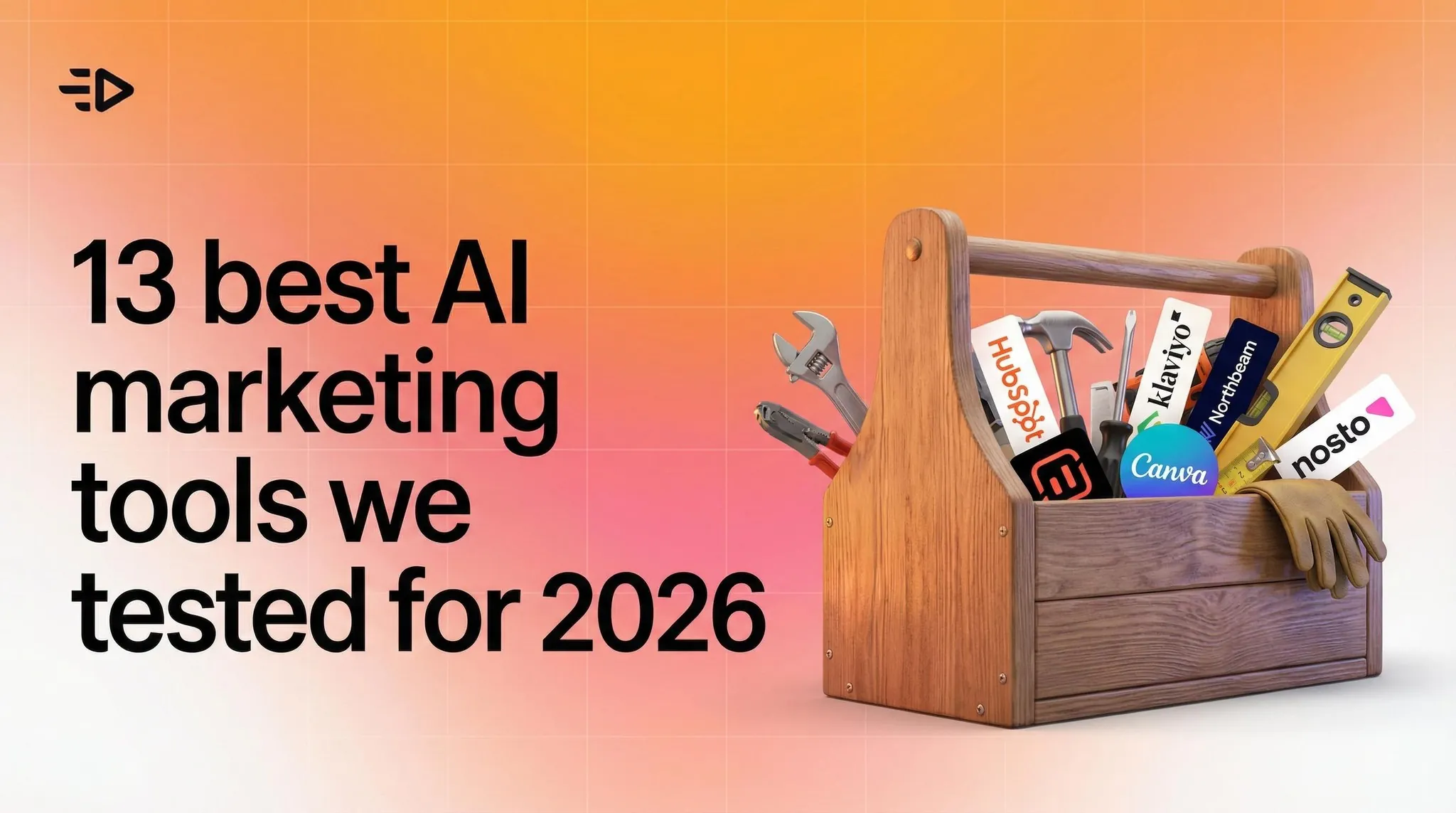
Esta guía abarca 13 herramientas divididas en 5 categorías. Cada una se desglosa por lo que realmente hace, para quién está pensada y dónde demuestra su valor. Omitimos el bombo publicitario genérico. Si una herramienta tiene un caso de uso limitado, lo decimos.
Lee también: 10 mejores herramientas y plataformas de publicidad en redes sociales en 2026
Cómo evaluar las herramientas de marketing de IA
Antes de elegir cualquier herramienta, asóciela a un cuello de botella específico, no a una aspiración general. "Queremos usar más IA" no es un buen criterio de selección. "Nuestro equipo de contenido pasa 3 días a la semana en la producción y necesitamos reducirlo a la mitad" sí lo es.
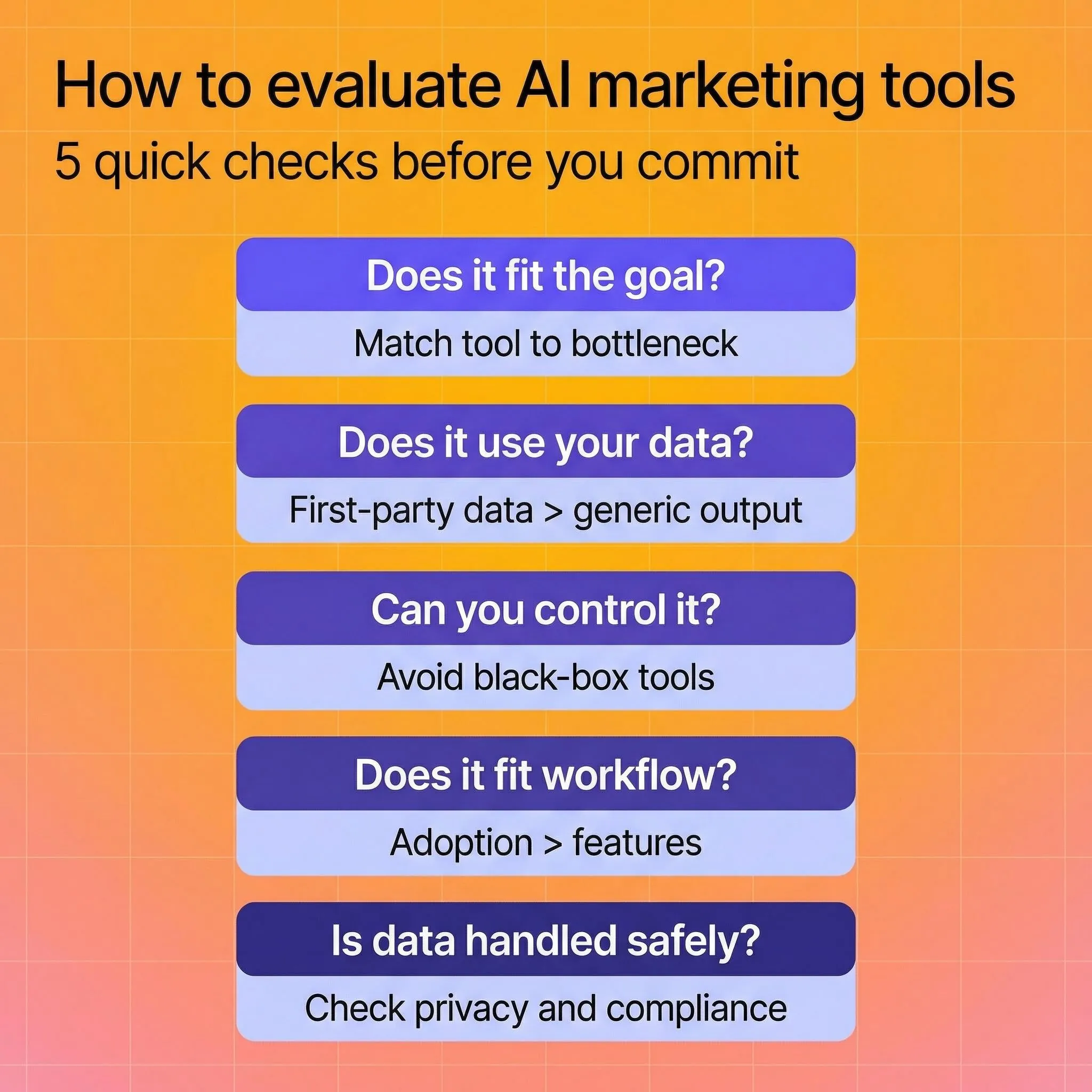
Las cinco preguntas que vale la pena hacerse antes de comprometerse:
¿Se ajusta al objetivo? El reconocimiento de marca, la adquisición, la retención y el LTV requieren herramientas diferentes. Una plataforma de producción creativa no solucionará un problema de captación de leads.
¿Se conecta con tus datos? Las herramientas de IA que no tienen acceso a datos de origen (first-party data), registros de CRM o analíticas de plataformas tienden a generar resultados más genéricos. La profundidad de la integración importa más que la cantidad de funciones.
¿Puedes controlar los resultados? La transparencia en la forma en que la IA toma decisiones, y la capacidad de anular o personalizar, separa las herramientas útiles de las cajas negras.
¿Se adapta al flujo de trabajo? La mejor herramienta de IA es la que tu equipo realmente va a utilizar. La adopción falla cuando las herramientas añaden pasos en lugar de eliminarlos.
¿Cuáles son las implicaciones para la privacidad? El flujo de datos de clientes a través de sistemas de IA de terceros requiere escrutinio. Revisa las políticas de retención de datos, la gestión del consentimiento y el cumplimiento normativo antes de incorporar cualquier herramienta.
Herramientas de IA para contenido y creatividad
1. Jasper
Ideal para: equipos de contenido que producen altos volúmenes de artículos de blog, textos publicitarios, correos electrónicos y páginas de destino (landing pages)
Jasper es uno de los nombres más consolidados en la redacción de textos por IA para equipos de marketing. Genera textos largos y cortos en diversos formatos: publicaciones de blog optimizadas para SEO, textos de anuncios para Facebook, secuencias de correo electrónico, descripciones de productos y más. La función de voz de marca te permite entrenar a Jasper con contenido existente para que los resultados mantengan la identidad de la marca, independientemente del redactor.
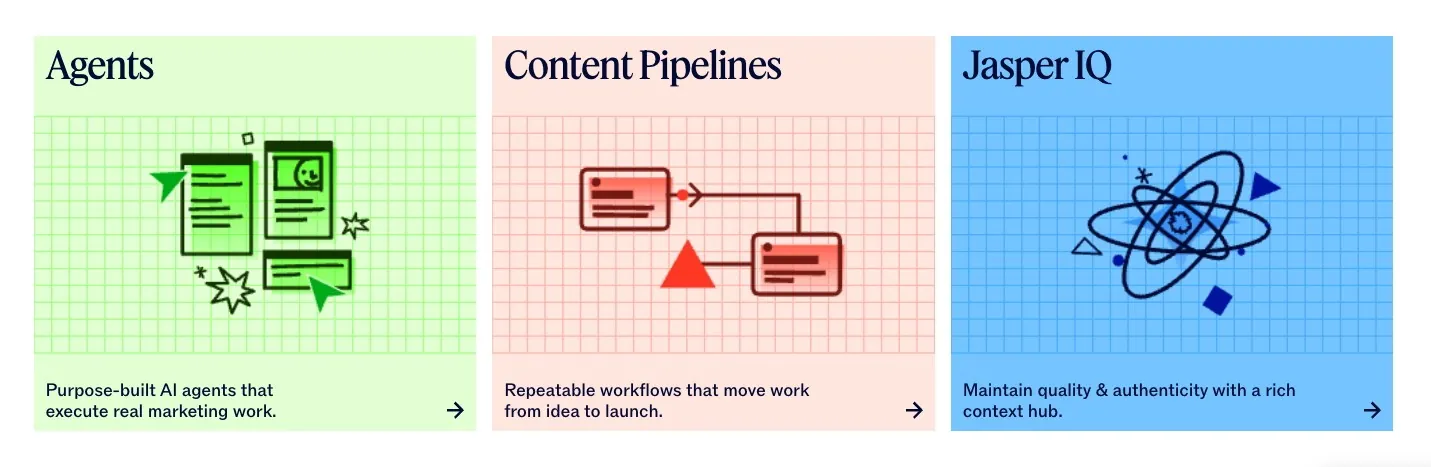
La integración con Surfer SEO (abajo) la convierte en una opción práctica para equipos con un gran volumen de contenido que buscan combinar la ideación, la redacción y la optimización SEO en un solo flujo de trabajo. Las campañas de Jasper pueden generar múltiples activos de contenido (correo electrónico, redes sociales, blog, anuncios) a partir de un único briefing.
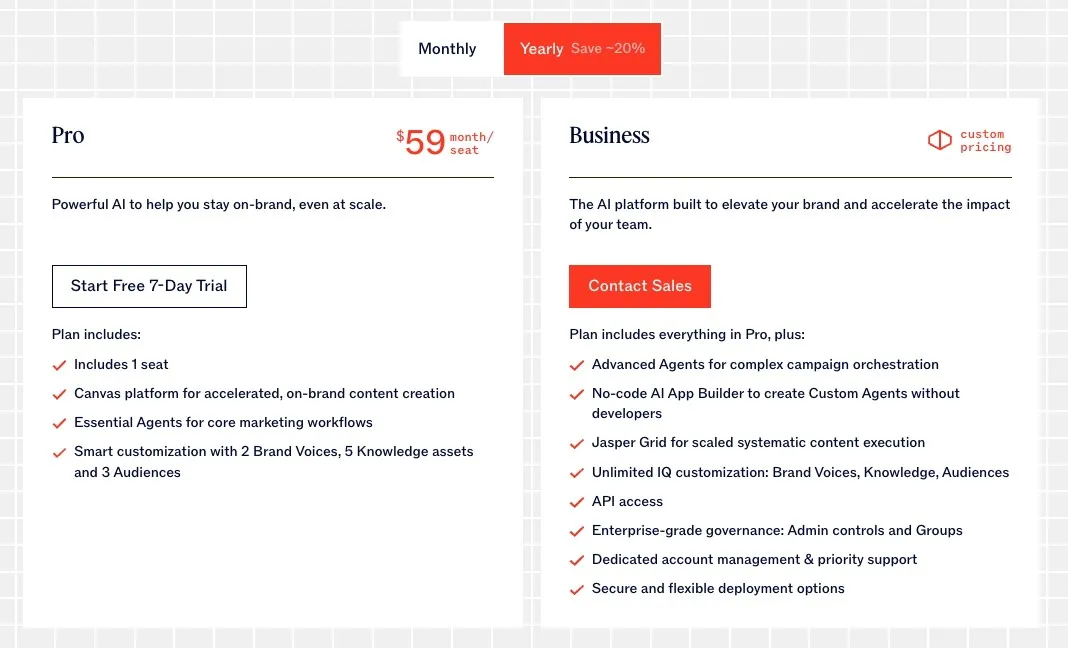
Precios: Comienza en torno a $69 dólares al mes si se paga mensualmente. Planes para equipos disponibles.
Ideal para: equipos de marketing de contenidos, agencias de SEO y responsables de marketing de marca que producen un volumen de contenido constante a través de múltiples canales
2. Creatify
Ideal para: marcas de comercio electrónico, marketers de DTC, agencias de rendimiento (performance) y estudios de aplicaciones
Creatify está diseñada exclusivamente para una tarea: generar anuncios de video que funcionen. Mientras que la mayoría de las herramientas de IA son horizontales (hacen de todo con una calidad media), Creatify es vertical: todo en la plataforma está optimizado para la creación de anuncios y las pruebas de creatividades a gran escala.
El flujo de trabajo principal es de URL a video. Pega un enlace de producto de Shopify, Amazon, App Store o Etsy. Creatify analiza la ficha, extrae los detalles del producto, genera entre 5 y 10 variaciones de guión optimizadas para la plataforma de destino (TikTok, Meta, YouTube) y renderiza anuncios de video completos. Del inicio al anuncio terminado en menos de 10 minutos.
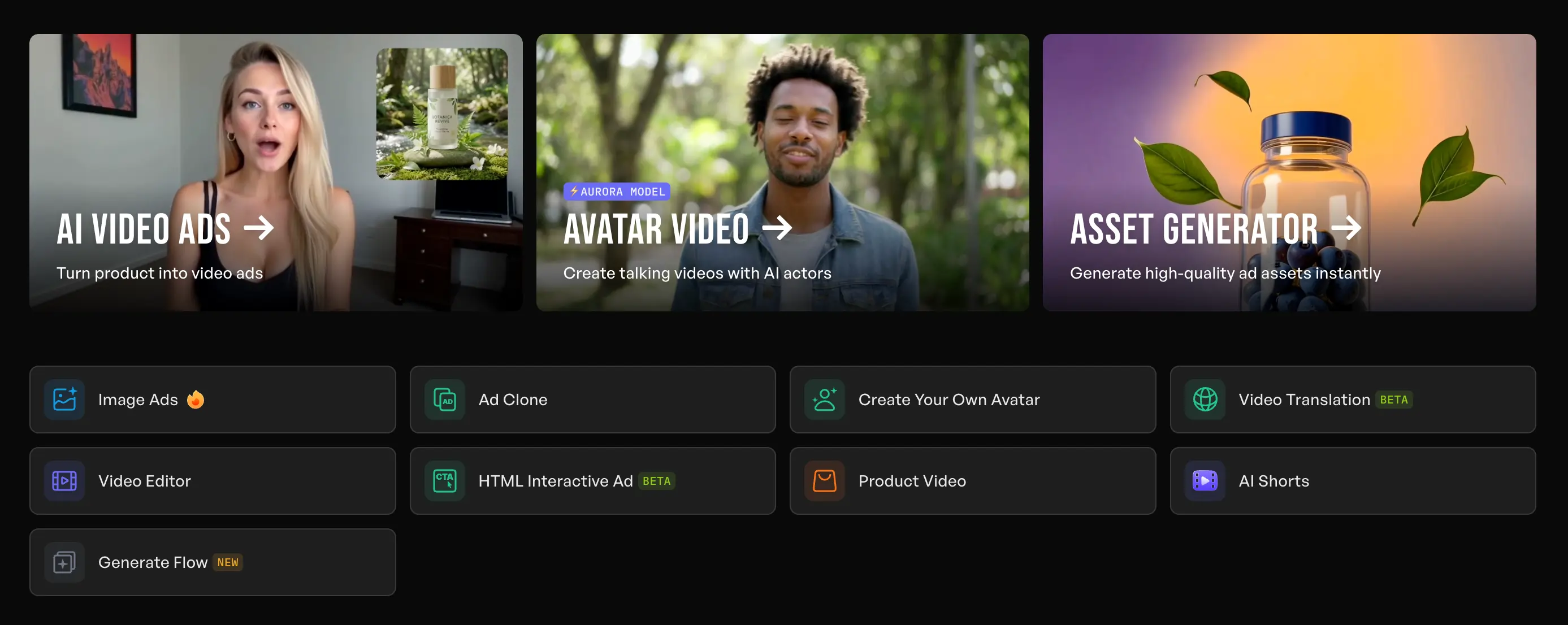
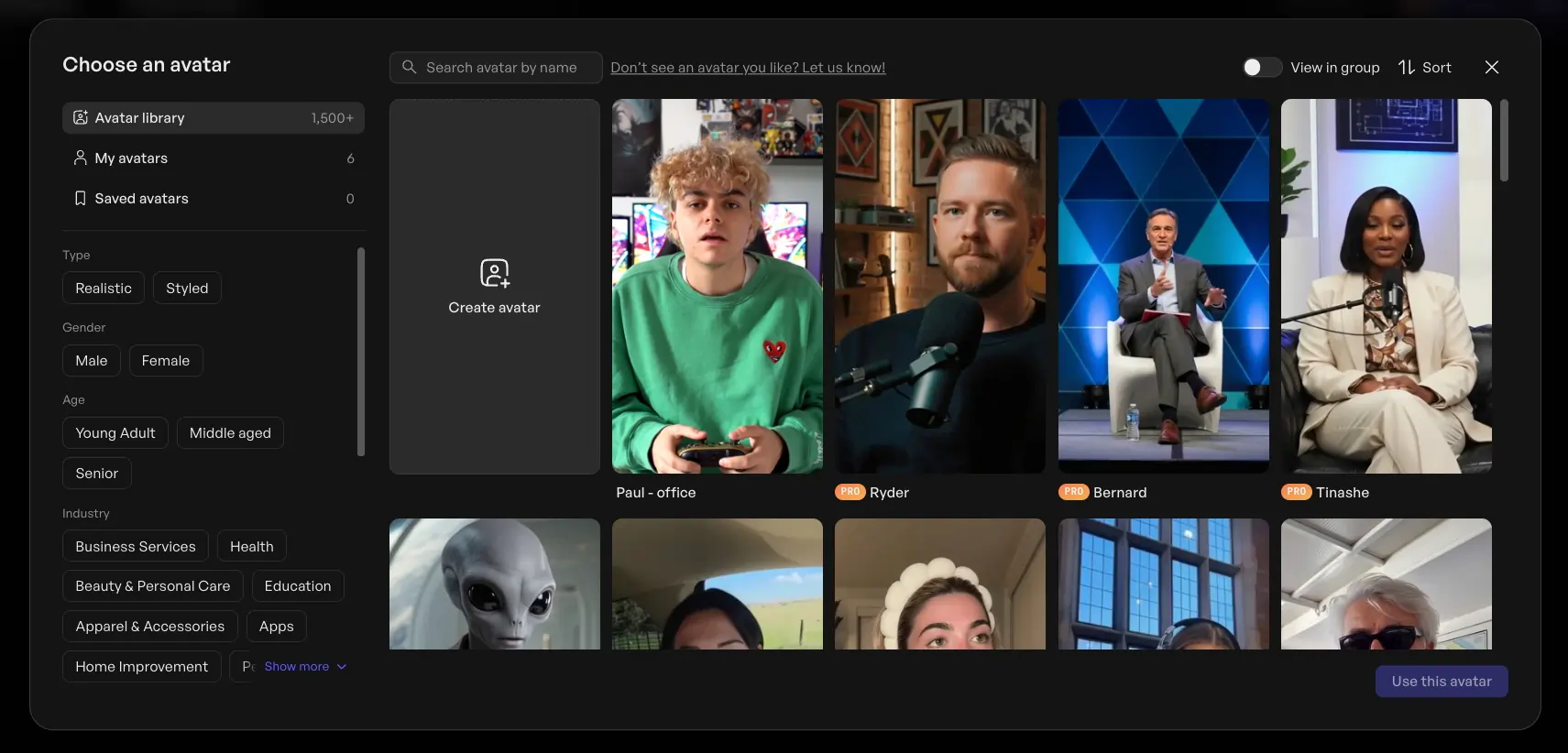
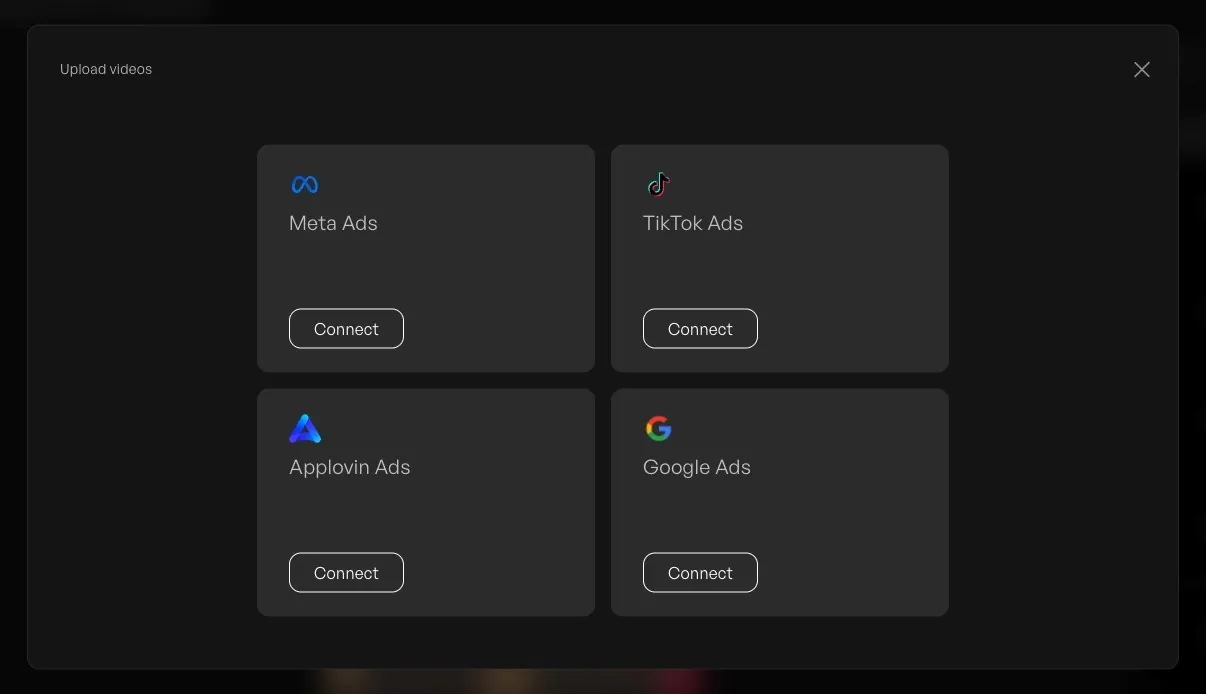
La biblioteca de avatares cuenta con más de 1,500 opciones impulsadas por Aurora, el modelo de transformador de difusión patentado de Creatify, que produce sincronización labial a 24 fps con expresividad de cuerpo completo. El redactor de guiones con IA está entrenado con miles de anuncios de redes sociales de alto rendimiento, no con contenido genérico. El modo por lotes (batch mode) genera docenas de variaciones de campaña en una sola pasada. El lanzamiento directo de anuncios a Meta y TikTok se realiza desde la propia plataforma.
Los resultados están documentados en casos de estudio publicados. En uno de ellos, Tec-Do, una agencia de marketing digital con más de 80,000 clientes, informó reducir el tiempo de producción de video en un 97% (de 3 días a menos de 1 hora) y bajó el coste por video en un 90% (de $20 a $2). Los anuncios de video de IA generaron 3 veces más visualizaciones que las creatividades basadas en imágenes. En otro caso de estudio, Qula360, una agencia de publicidad de comercio electrónico, comparó los anuncios de video de Creatify con anuncios de imagen estáticos bajo idénticas condiciones de presupuesto y audiencia, e informó de que el CTR se triplicó (del 2.24% al 6.74%), el coste por resultado bajó de $18.51 a $0.10, y el anuncio de video generó 3.5 veces más clics con el 15% del gasto original.
Para los equipos que operan en la plataforma Axon de AppLovin, Creatify cuenta con una integración directa. El plan Enterprise incluye AdMax, seguimiento de competidores, pruebas creativas y análisis de rendimiento.
Precios: Gratis (10 créditos/mes), Starter a $19/mes, Pro a $49/mes. Enterprise bajo solicitud.
Evítala si: necesitas videos de capacitación (L&D), contenido de formato largo o generación de texto de uso general. Creatify es una máquina de anuncios, no una suite de contenidos.
3. Canva Magic Studio
Ideal para: especialistas en marketing que necesitan contenido visual con la identidad de marca de forma rápida y sin un diseñador dedicado
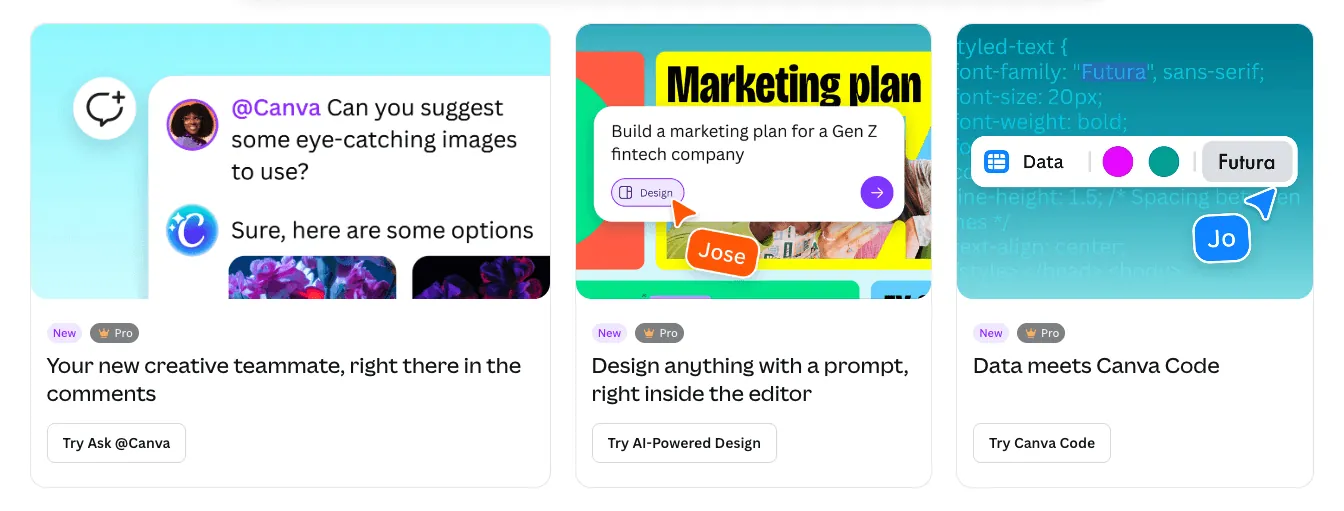
La capa de IA de Canva (Magic Studio) se integra sobre su plataforma de diseño existente y añade creación generativa de imágenes, eliminación de fondos, conversión de texto a imagen y Escritura Mágica para textos. Para los equipos que no cuentan con un diseñador, elimina la dependencia de Photoshop o de tener que encargar cada recurso a un diseñador externo.
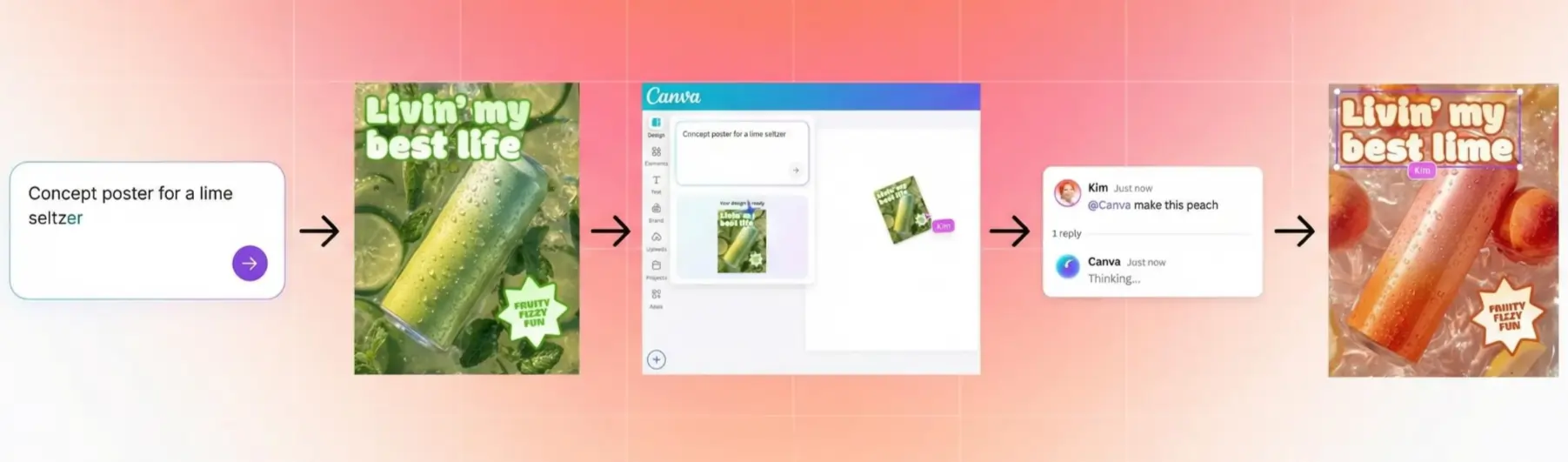
La función del kit de marca mantiene los logotipos, fuentes y colores coherentes en todos los resultados. La biblioteca de plantillas es muy amplia. Magic Design genera una presentación completa o un diseño de publicación para redes sociales a partir de un prompt de texto.
Puntos débiles: Los resultados de Canva son reconocibles como propios de Canva. Para marcas con una identidad visual sólida y altos estándares creativos, los diseños necesitan una gran personalización. Es una herramienta de volumen, no de pulido fino.
Precios: Plan gratuito disponible. Pro a $15/mes por persona.
Ideal para: pequeños equipos de marketing, marcas de comercio electrónico que necesitan un gran volumen de contenido para redes sociales y cualquier persona que requiera recursos de marca limpios sin necesidad de un traspaso de diseño.
4. Surfer SEO
Ideal para: equipos de SEO que optimizan el rendimiento del contenido en los motores de búsqueda
Surfer analiza las páginas mejor posicionadas para cualquier palabra clave y genera un briefing de contenido: recuento de palabras recomendado, estructura de encabezados, palabras clave semánticas a incluir y términos de NLP que se correlacionan con el posicionamiento. El Editor de Contenido puntúa tu borrador en tiempo real a medida que escribes.
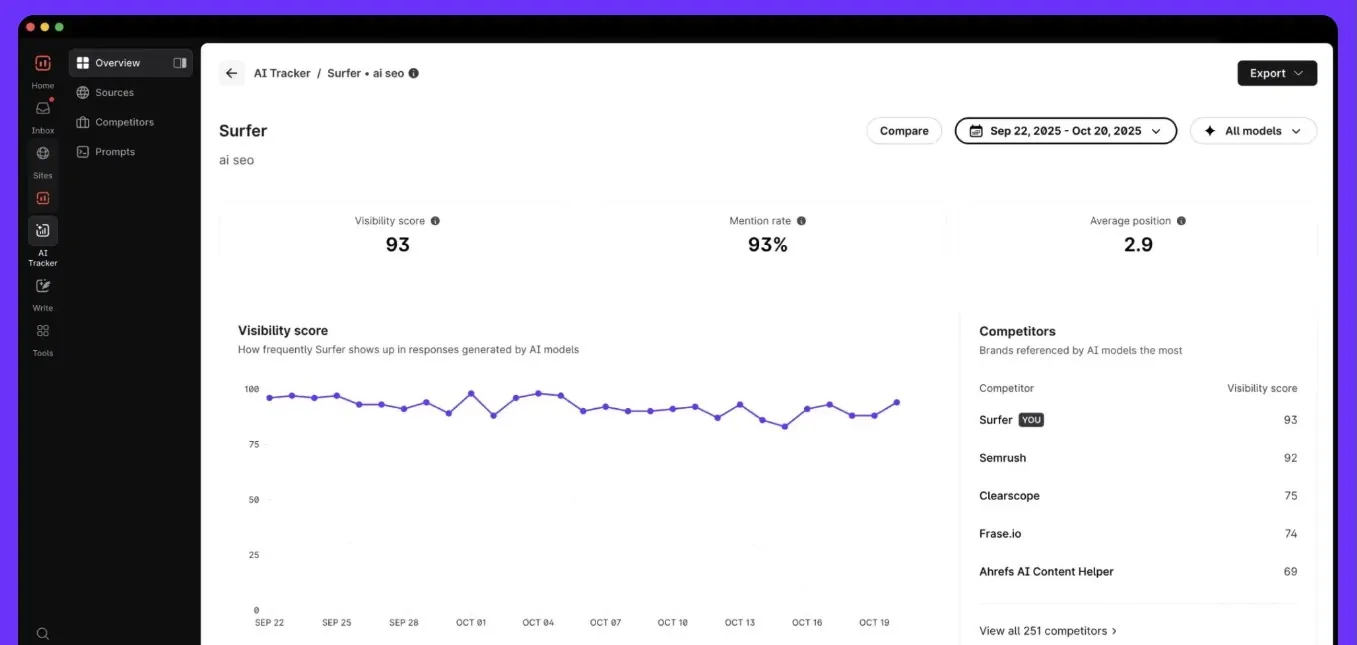
El flujo de trabajo consiste en: investigación de palabras clave en Surfer, generación del briefing, redacción del borrador (en Jasper o directamente en el editor de Surfer), optimización de la puntuación y publicación. Para los equipos que producen contenido SEO a gran escala, esto elimina una cantidad considerable de análisis manual de las SERP.
La IA de Surfer no escribe por ti de la misma manera que Jasper; en su lugar, estructura y puntúa. Ambas herramientas se utilizan a menudo juntas.
Precios: El plan Discovery comienza en torno a $49/mes en el momento de escribir este artículo.
Ideal para: equipos de contenido SEO, agencias de contenido y especialistas en marketing digital que gestionan el tráfico de búsqueda orgánica como su principal canal de adquisición.
Orquestación y automatización de campañas
5. HubSpot (Marketing Hub)
Ideal para: equipos B2B y B2C del mercado medio que necesitan CRM, correo electrónico y automatización de marketing en una sola plataforma
Marketing Hub de HubSpot ha incorporado IA en todo su conjunto de funciones actuales: sugerencias de texto para correos electrónicos por IA, puntuación predictiva de leads, optimización inteligente de la hora de envío y recomendaciones de contenido basadas en el comportamiento de los contactos. La integración con el CRM permite que los resultados de la IA estén conectados a datos reales de ventas, no a segmentos genéricos.
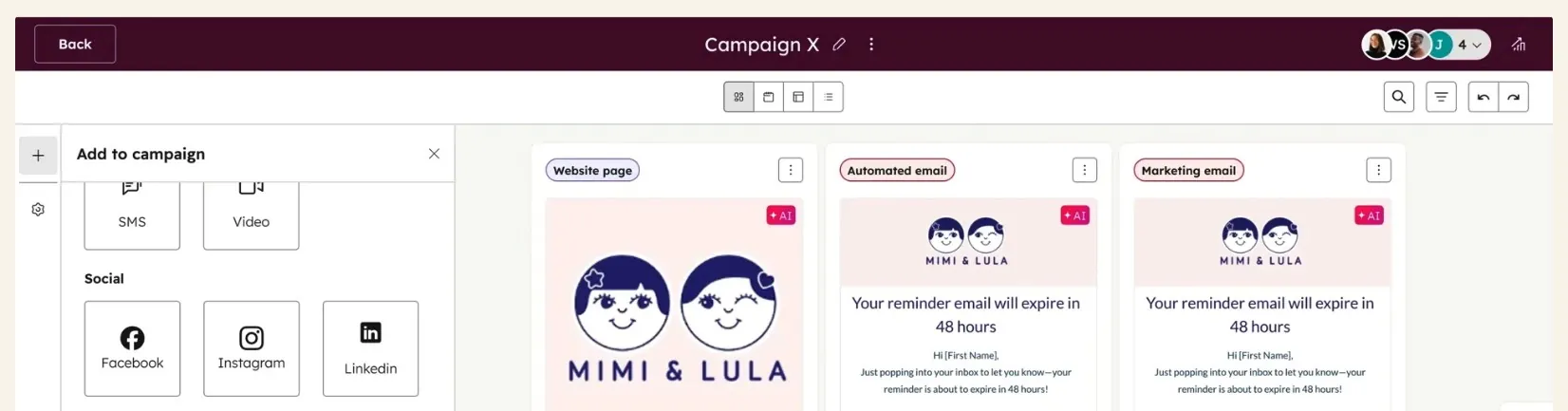
El asistente de IA genera líneas de asunto para correos electrónicos, CTA y textos para páginas de destino. El modelo de puntuación de contactos predice qué leads tienen mayor probabilidad de conversión basándose en señales de comportamiento. Los flujos de trabajo pueden activar campañas automáticamente a partir de eventos del CRM.
Para los equipos que ya se encuentran en el ecosistema de HubSpot, las mejoras de IA refuerzan una plataforma que ya de por sí es sólida. Para quienes la evalúan de cero, el modelo todo en uno de HubSpot prioriza la diversidad del ecosistema frente a la híper-especialización de herramientas individuales.
Precios: Marketing Hub Starter a $15/mes. Professional a $800/mes. Enterprise a $3,600/mes.
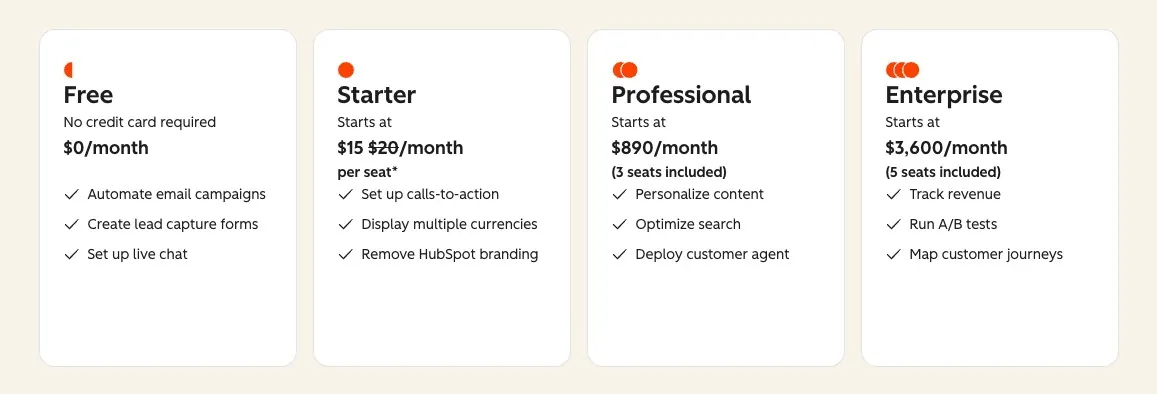
Ideal para: equipos de pymes y del mercado medio que desean CRM y automatización de marketing en un solo sistema, especialmente en el sector B2B.
6. Klaviyo
Ideal para: marcas de comercio electrónico que gestionan marketing por correo electrónico y SMS
Las funciones de IA de Klaviyo se basan en su principal punto fuerte: los datos de comportamiento en comercio electrónico. El análisis predictivo calcula el valor del tiempo de vida del cliente (LTV), la probabilidad de compra y el riesgo de fuga. Estas predicciones se aplican directamente a la segmentación, permitiéndote enviar un correo electrónico al segmento con "alta probabilidad de compra en los próximos 30 días" con un solo clic.
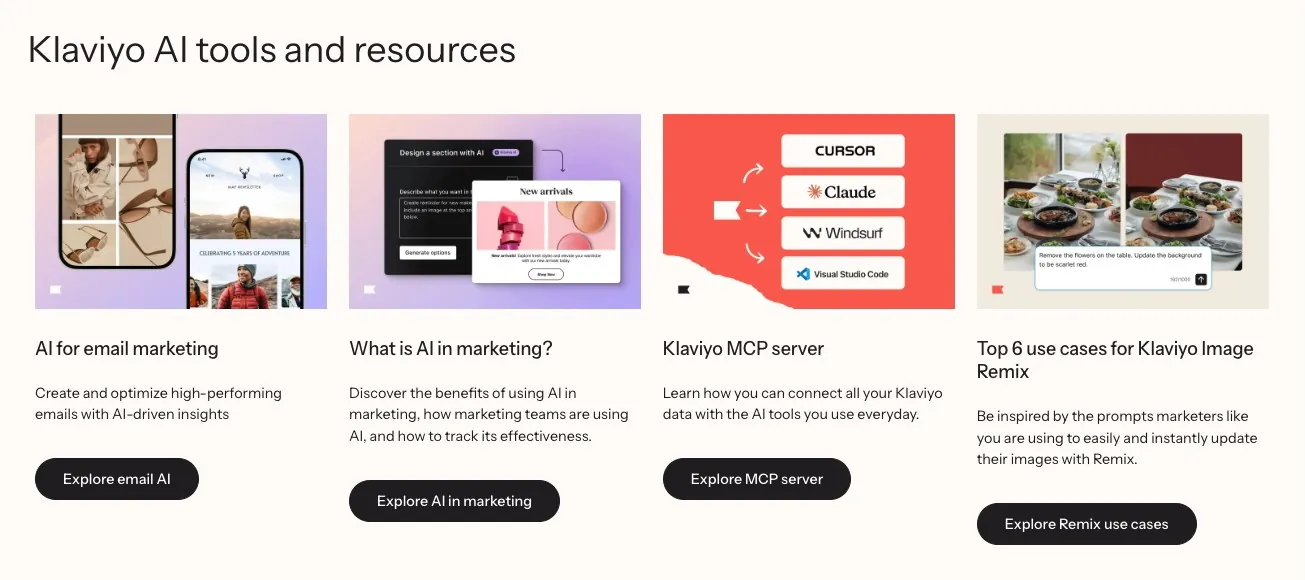
La optimización del tiempo de envío predice la mejor hora para entregar el mensaje a cada contacto de manera individual. Las líneas de asunto generadas por IA y las recomendaciones de productos se basan en el historial de compras real y el comportamiento de navegación, evitando las plantillas genéricas.
Para los equipos de comercio electrónico que utilizan Shopify o plataformas similares, las integraciones nativas de Klaviyo hacen que el flujo de datos funcione de verdad: las compras alimentan la IA, lo que mejora la segmentación, aumentando así los ingresos por cada correo enviado.
Precios: Gratis hasta 250 contactos. Varía según el tamaño de la lista. Las marcas de ecom pagan generalmente entre $45 y $400/mes dependiendo del volumen de la lista.
Ideal para: marcas DTC de comercio electrónico dedicadas al marketing por correo electrónico y SMS como canales clave de ingresos.
Herramientas de IA para comercio electrónico y personalización
7. Nosto
Ideal para: marcas de comercio electrónico medianas y grandes que necesitan personalización web y recomendaciones de productos
Nosto personaliza la experiencia de compra en el sitio en tiempo real: recomendaciones de productos, contenido dinámico, ventanas emergentes y resultados de búsqueda adaptados al comportamiento individual del visitante. El motor de IA aprende del historial de navegación, las señales de compra y los datos de segmentación para ofrecer los productos más relevantes en el momento oportuno.
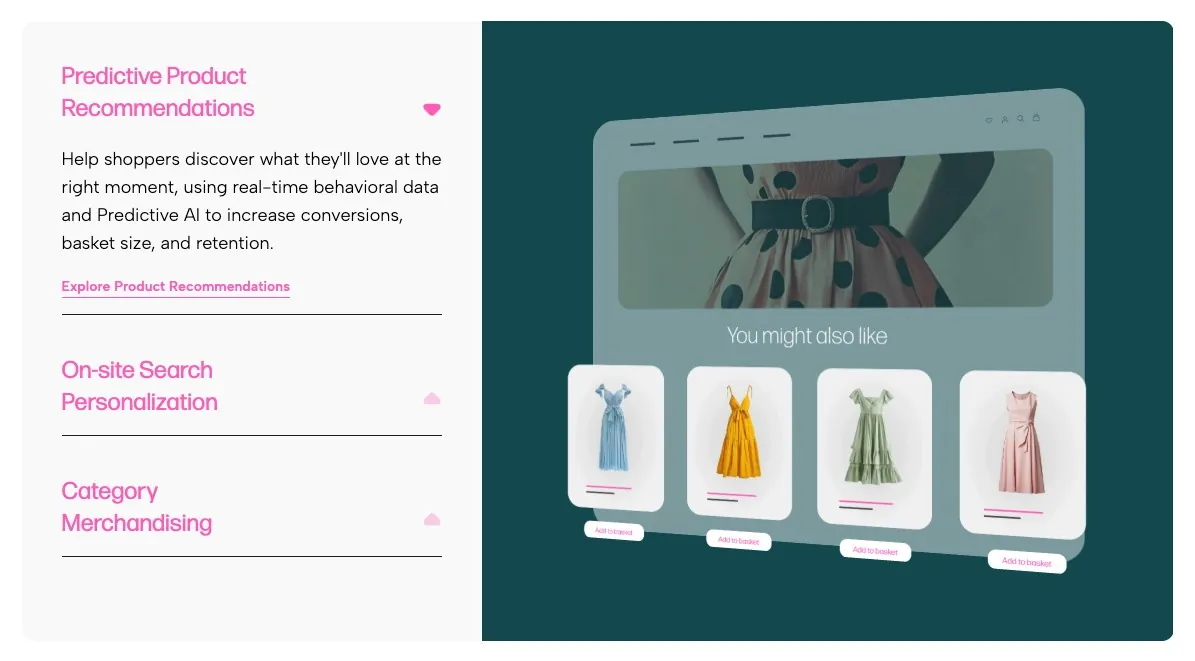
La plataforma se integra con Shopify, Magento, BigCommerce y desarrollos a medida. Para marcas con grandes catálogos, las reglas de comercialización automática evitan que aparezcan productos con poco margen o agotados.
La fortaleza de Nosto radica en la combinación de un alto nivel de personalización y pruebas A/B nativas, lo que te permite medir con precisión el impacto directo de las recomendaciones en la tasa de conversión en lugar de asumir que están funcionando.
Precios: Precios personalizados en función del GMV.
Ideal para: marcas de comercio electrónico con más de 10,000 referencias o con un volumen considerable de tráfico donde la gestión manual de catálogo ya no es viable a gran escala.
8. Dynamic Yield (de Mastercard)
Ideal para: marcas de comercio electrónico y minoristas (retail) de nivel enterprise que desarrollan una personalización omnicanal
Dynamic Yield personaliza la experiencia en la web, la aplicación, el correo electrónico y en la tienda física desde una única plataforma. El motor de IA combina datos de comportamiento en tiempo real con patrones de compra históricos para tomar decisiones de producto, contenido y ofertas a nivel individual.
Su implementación es más compleja que la de Nosto, pensada para grandes corporaciones con equipos técnicos dedicados y un GMV más elevado. Su fuerte es la unificación de datos omnicanal: la misma lógica de personalización que muestra un producto en tu sitio web puede nutrir el contenido de una notificación push o de un kiosco físico.
Precios: Enterprise, precios personalizados.
Ideal para: grandes marcas de retail y comercio electrónico con presencia multicanal y recursos técnicos para implementar y optimizar la plataforma.
Análisis, medición y optimización
9. Triple Whale
Ideal para: marcas de comercio electrónico directas al consumidor (DTC) que requieren atribución multicanal y análisis de creatividades
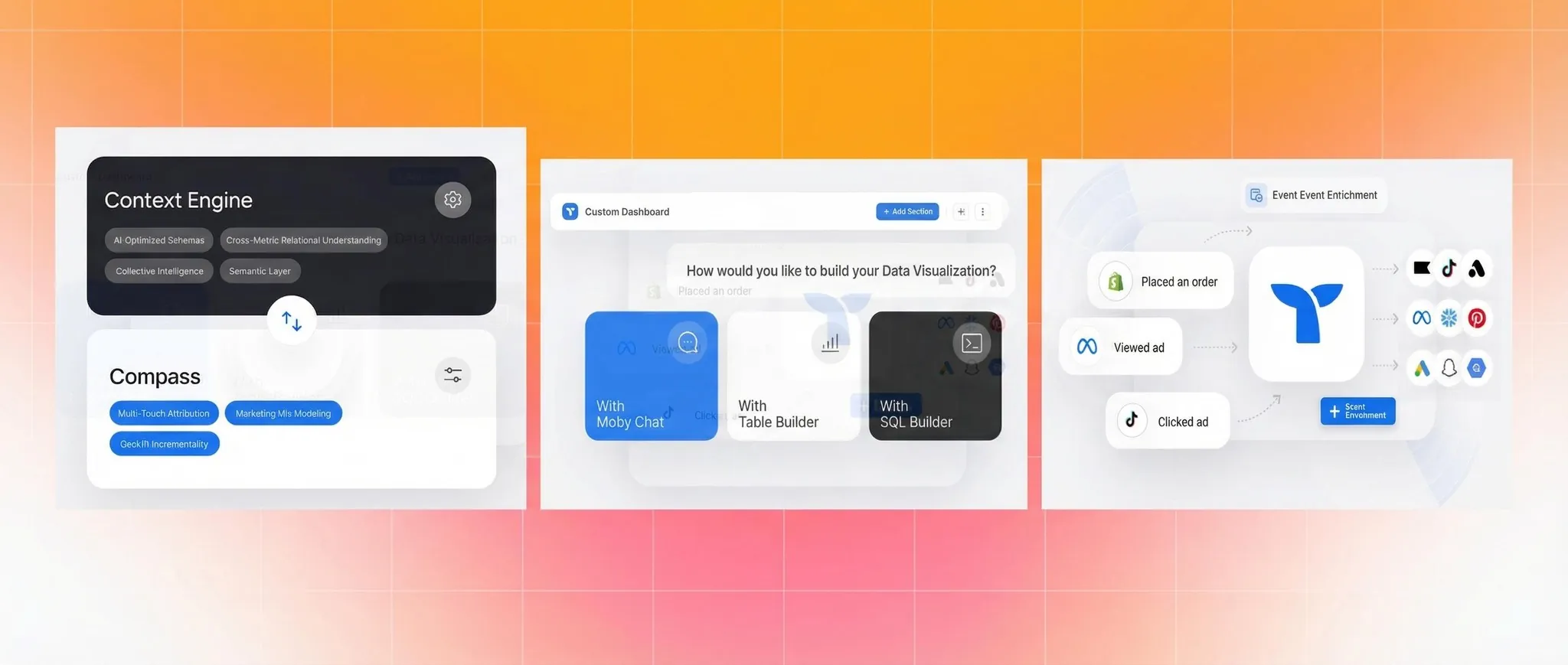
Triple Whale centraliza los datos de inversión publicitaria de Meta, TikTok, Google, Klaviyo y otros canales en un solo cuadro de mando y aplica su propio modelo de atribución para dar una lectura más clara de lo que realmente está impulsando los ingresos. El seguimiento basado en píxeles complementa los datos reportados por las plataformas, que se volvieron considerablemente más sesgados tras los cambios de privacidad de iOS 14.
La función de analítica creativa es especialmente útil para marketers de rendimiento: asocia los activos creativos (videos, imágenes, enfoques de texto) con los resultados de ingresos reales, permitiendo ver qué concepto de anuncio está generando los clientes más rentables y no solo el mayor volumen de clics.
Moby, el asistente de IA de Triple Whale, responde a preguntas en lenguaje natural sobre tus datos y detecta anomalías automáticamente.
Precios: Comienza en torno a $129/mes para tiendas más pequeñas. Aumenta según la facturación.
Ideal para: marcas DTC que invierten más de $20,000 dólares al mes en publicidad social y que necesitan datos de atribución fiables e información sobre el rendimiento creativo.
10. Northbeam
Ideal para: marcas de comercio electrónico y DTC con una combinación de medios multicanal compleja que necesitan atribución avanzada
Northbeam utiliza la atribución multitáctil basada en machine learning para distribuir el valor entre los canales de pago social, búsqueda, email marketing, marketing de influencers y canales orgánicos. Está pensada para marcas donde el recorrido de compra del cliente abarca múltiples puntos de contacto y la atribución de último clic genera señales de optimización inexactas.
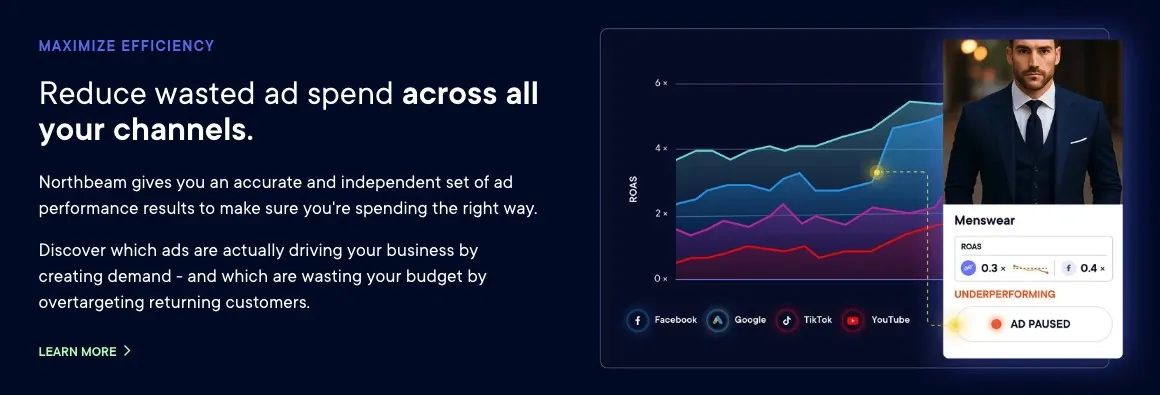
La capacidad de modelado de combinación de medios (Media Mix Modeling) permite recomendar la asignación de presupuesto basándose en la eficiencia histórica de cada canal, y no solo en lo que es más fácil de rastrear. Para marcas que escalan su inversión en nuevos canales, Northbeam ofrece una imagen mucho más sólida del retorno marginal que los informes nativos de cada plataforma.
Precios: Precios Enterprise, habitualmente a partir de $1,000/mes.
Ideal para: marcas DTC y de comercio electrónico en fase de escalabilidad que invierten más de $100,000 dólares al mes en múltiples canales de pago.
Interacción con el cliente
11. Intercom (Fin AI)
Ideal para: marcas de SaaS y comercio electrónico que gestionan un alto volumen de soporte al cliente
Fin de Intercom es un agente de IA construido sobre tu base de conocimientos existente: artículos de ayuda, páginas de producto, preguntas frecuentes y conversaciones pasadas. Resuelve las consultas de los clientes de forma autónoma, las transfiere a agentes humanos cuando es necesario y aprende de las interacciones con el paso del tiempo.
Para los equipos de marketing, el valor está en los datos: Fin registra qué preguntan los clientes antes de comprar, lo que desvela puntos de fricción y vacíos de contenido que enriquecen directamente la estrategia de marca. También gestiona la transición de soporte a la venta cruzada (upsell), mostrando ofertas o características relevantes durante las conversaciones de soporte.
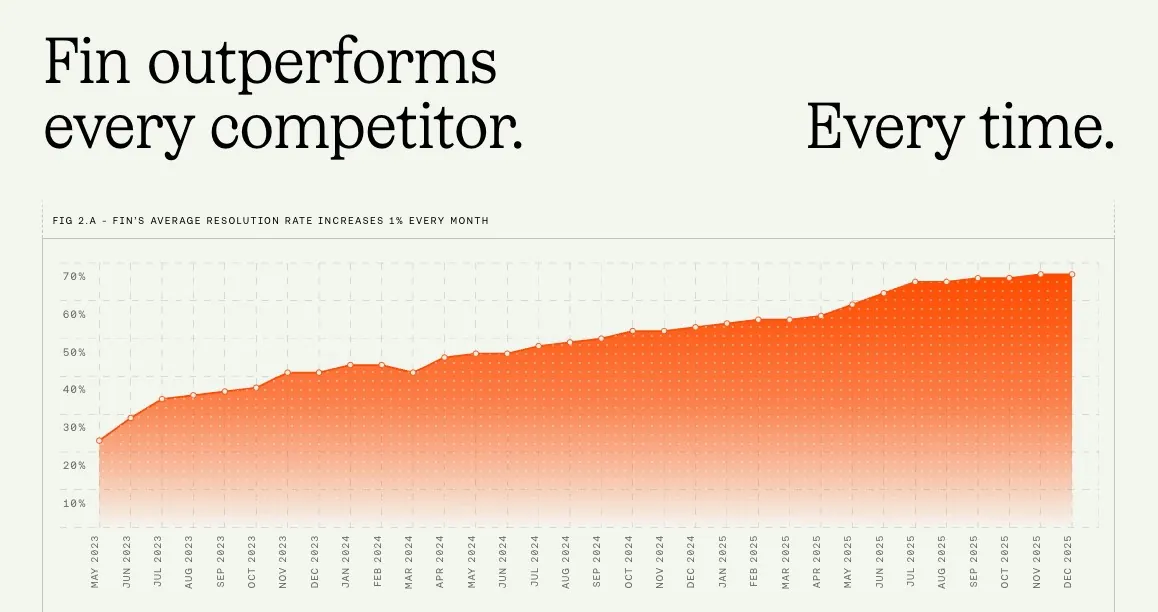
Precios: Fin cobra por resolución, normalmente en torno a $0.99 por conversación resuelta. El precio de la plataforma Intercom va aparte.
Ideal para: empresas SaaS y marcas de comercio electrónico con un gran volumen de asistencia al cliente y una base de conocimientos estructurada para entrenar el modelo.
12. Tidio
Ideal para: tiendas online de pymes que necesitan chat con IA y captación de leads sin costes de nivel enterprise
Lyro AI de Tidio gestiona conversaciones de atención al cliente, recomienda productos y capta clientes potenciales a través del chat en sitios de comercio electrónico. Se conecta de forma nativa con Shopify y WooCommerce, extrayendo datos de productos en tiempo real para responder a preguntas sobre existencias y disponibilidad.
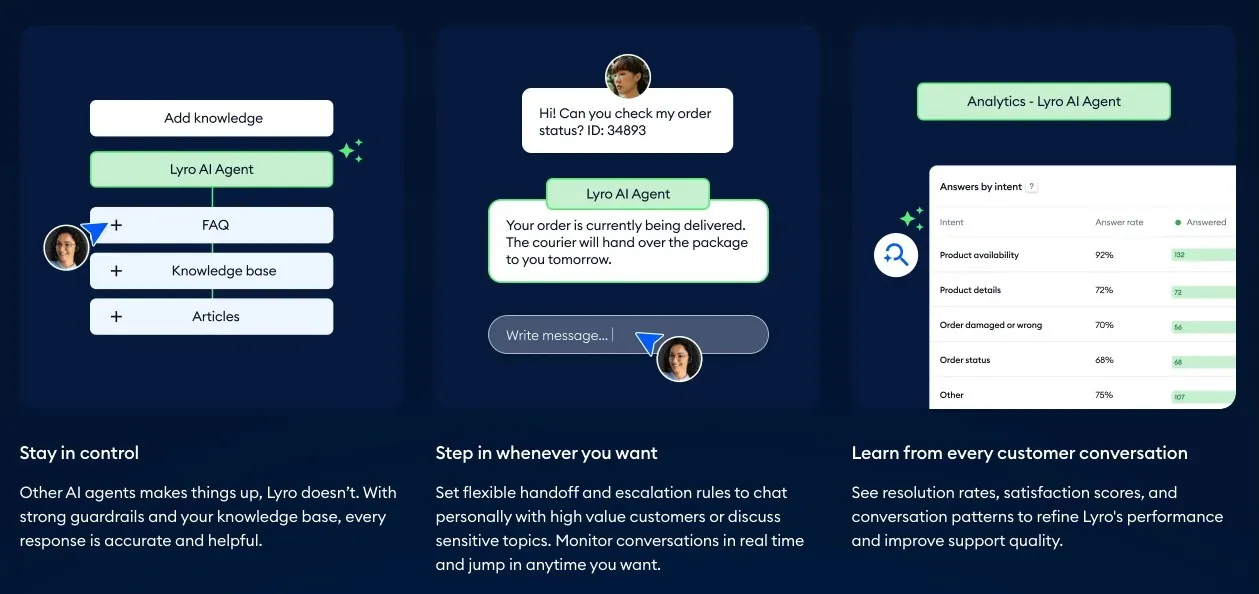
La configuración es más rápida y asequible que las alternativas corporativas. Para comercios de menor tamaño, Tidio resuelve el reto de estar disponible las 24 horas del día, los 7 días de la semana, para responder a preguntas previas a la compra sin necesidad de contratar personal de soporte. Las conversaciones pueden transferirse a un agente humano cuando la IA llega al límite de su conocimiento.
Precios: Plan gratuito disponible. Lyro AI comienza en $29/mes.
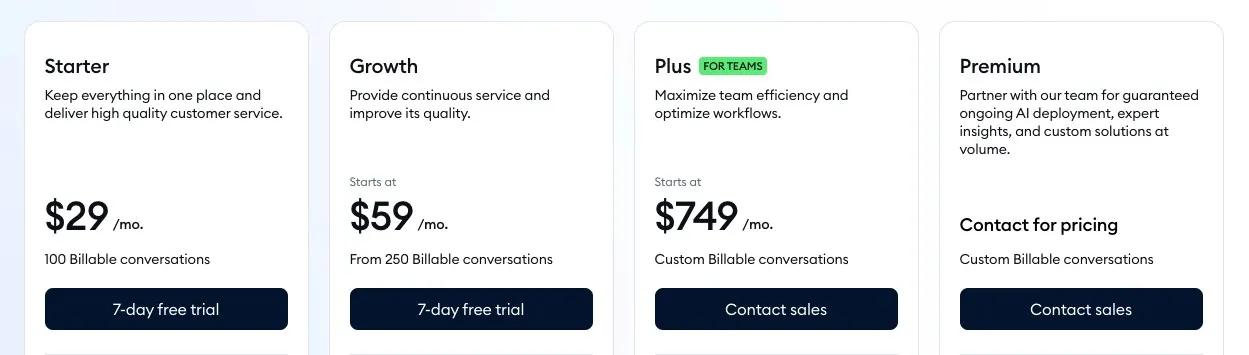
Ideal para: marcas de comercio electrónico pyme en Shopify o WooCommerce que desean un chat integrado y atención al cliente impulsada por IA sin necesidad de un gran presupuesto o una compleja implementación.
13. Brandwatch
Ideal para: equipos de marketing corporativos que necesitan escucha social, insights de consumidores y monitorización de marca
Brandwatch procesa conversaciones en redes sociales, opiniones y señales digitales a gran escala para desvelar información sobre la audiencia, seguir la reputación de la marca e identificar tendencias emergentes antes de que se vuelvan virales. La capa de IA clasifica las menciones por tema, sentimiento y fuente, y alerta sobre anomalías de forma automatizada.
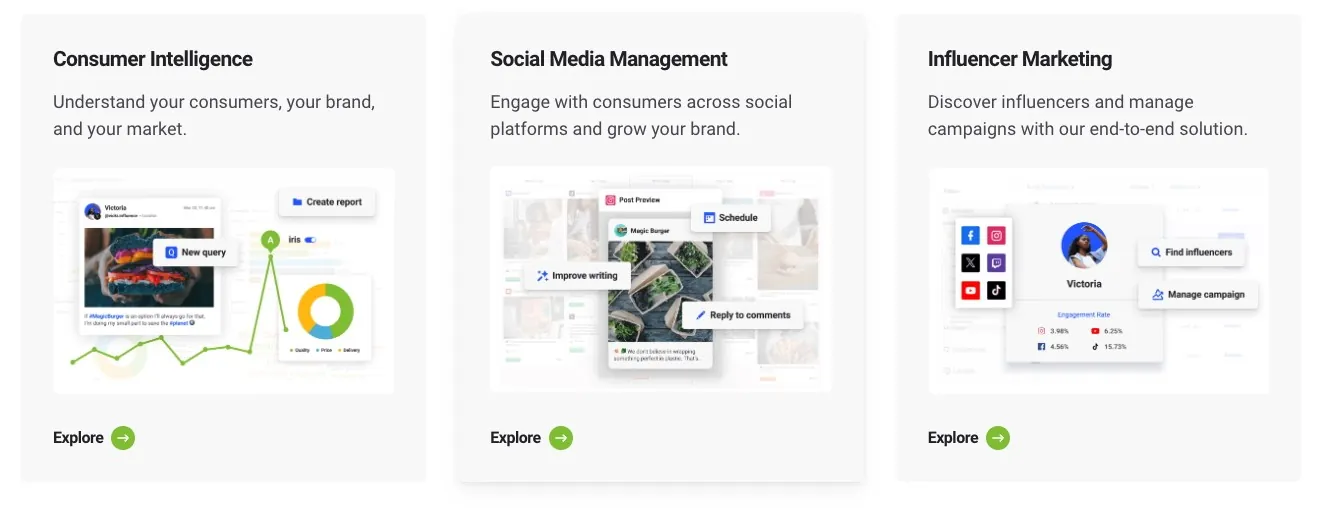
Para los equipos de marketing, el uso práctico es: un entendimiento más rápido de la audiencia, monitorización de la marca en tiempo real durante el desarrollo de campañas e información competitiva sobre cómo se posiciona y rinde la competencia en las redes sociales.
Precios: Enterprise, precios personalizados.
Ideal para: equipos de marca y marketing global que necesitan una infraestructura de inteligencia de consumidor para guiar la estrategia, el enfoque creativo y las decisiones de campaña.
Cómo construir tu ecosistema de marketing con IA para 2026
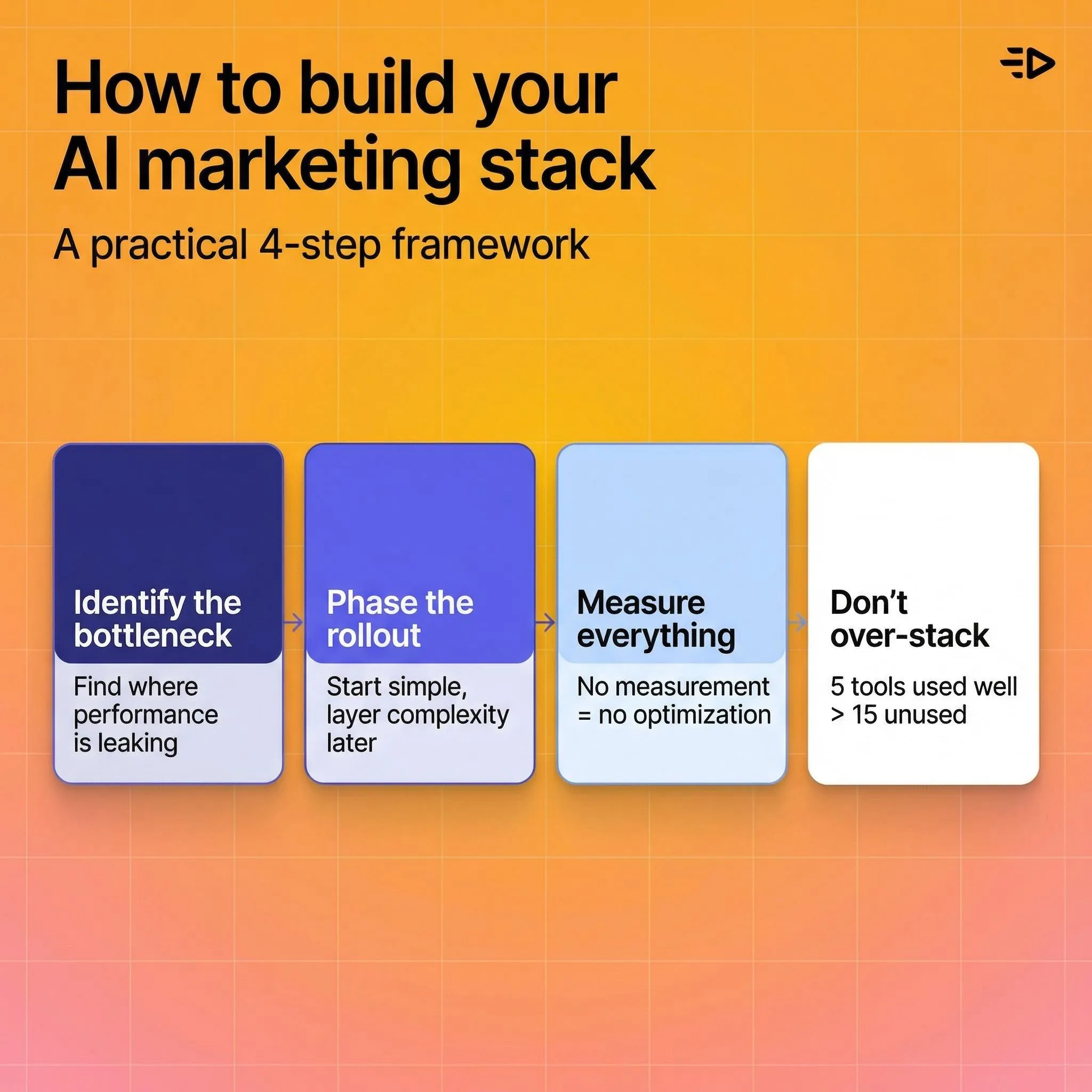
Evita comprar herramientas para luego buscar qué problemas pueden resolver. Trabaja al revés:
Identifica primero el cuello de botella. ¿Es el volumen de producción creativa? ¿Vacíos de atribución? ¿Baja conversión en la web? ¿Saturación en el servicio de soporte? Mapea tu embudo de ventas, detecta dónde se pierde rendimiento y asigna herramientas a esos problemas concretos.
Planifica el despliegue por fases. Comienza con herramientas que resuelvan puntos críticos recurrentes sin requerir una integración compleja: producción creativa, redacción de contenidos o automatizaciones básicas. Incorpora la personalización y la infraestructura de medición una vez consolidadas las bases.
Mídelo todo. El informe McKinsey State of AI coincide en esto: las empresas que obtienen mayor valor de la IA la acompañan con una medición y gobernanza sólida. Si no puedes medir el impacto de una herramienta en los ingresos o en la eficiencia, no podrás optimizarla.
No acumules herramientas innecesarias. Una infraestructura de cinco herramientas bien aprovechadas supera a una de quince mal gestionadas. Adquiere lo que tu equipo sea capaz de aprender, configurar y optimizar de verdad.
Preguntas frecuentes
¿Cuáles son las mejores herramientas de marketing con IA para pequeñas empresas?
Para equipos reducidos y presupuestos ajustados, los puntos de partida de mayor impacto son: Creatify para la creación de anuncios en video (con plan gratuito y opciones desde $19/mes para eliminar marcas de agua), Canva Magic Studio para el contenido visual de la marca, Jasper o un redactor similar de IA para textos, y Klaviyo para la gestión del correo electrónico en comercio electrónico. Estas cuatro cubren los cuellos de botella de marketing más comunes en pymes sin requerir recursos técnicos para su despliegue.
¿Qué herramientas de IA funcionan mejor para el marketing de comercio electrónico?
El núcleo del ecosistema de IA en e-commerce cubre tres frentes: producción creativa (Creatify para video publicitario, Canva para imágenes estáticas), marketing de retención (Klaviyo para comunicación por correo electrónico y SMS con segmentación basada en IA) y medición de resultados (Triple Whale para atribución). La personalización en el sitio web (Nosto o Dynamic Yield) añade un impulso significativo en catálogos extensos y tiendas con alto volumen de visitas.
¿Cómo mejoran realmente el ROI las herramientas de IA en marketing?
Las dos palancas principales son la reducción de costes y la velocidad. La IA reduce significativamente los costes de producción de contenido al recortar el tiempo y el personal necesarios para generar textos, creatividades y recursos de campaña. Acelera el tiempo de lanzamiento al mercado, algo fundamental en el marketing de rendimiento, donde la fatiga creativa exige variaciones nuevas constantemente. En un caso de estudio publicado, Tec-Do, que utiliza Creatify para producir anuncios de video, informó que redujo el coste por video de $20 a $2 mientras aumentaba drásticamente el volumen de producción.
¿Cuál es la diferencia entre las herramientas de marketing digital y las herramientas de marketing con IA?
La mayoría de las herramientas de marketing digital clásicas (plataformas de mail, gestores de anuncios, CMS) ahora incorporan funciones de IA. La diferencia está en si la IA es el núcleo de la herramienta o un añadido posterior. Las herramientas creadas específicamente en torno a la IA, como Creatify (creación de anuncios) o Surfer SEO (optimización de contenidos), giran en torno a esta tecnología, en lugar de integrarla en una plataforma previa. Ambas tienen su valor, pero resuelven problemas distintos.
¿Pueden las herramientas de IA reemplazar a un equipo de marketing?
No, y las evidencias son claras al respecto. La IA se encarga de las tareas repetitivas, de alto volumen y de reconocimiento de patrones: generar variaciones creativas, puntuar leads, optimizar horas de envío o analizar datos de rendimiento. Las decisiones estratégicas, el posicionamiento de marca, la dirección creativa y el entendimiento profundo de la audiencia siguen requiriendo el criterio humano. Los profesionales del marketing que obtienen mayor beneficio de la IA son aquellos que la utilizan como infraestructura de producción, permitiendo que esta asuma el volumen de trabajo mecánico para que el equipo se enfoque en las decisiones que requieren pensamiento reflexivo.
¿Qué herramientas de IA son las mejores para el marketing de contenidos?
Para los equipos de contenidos, el ecosistema práctico es: Jasper para la redacción inicial a escala, Surfer SEO para optimización en buscador, Canva para el contenido visual y Creatify si los anuncios en video forman parte de la estrategia. El informe SurveyMonkey Marketing AI Statistics desveló que la mayoría de los profesionales del sector que integran IA en sus flujos de contenidos reportan un ahorro de tiempo y mayor volumen de producción. El siguiente reto es el control de calidad: el contenido por IA sigue necesitando revisión editorial paso a paso.
¿Cómo evaluar las herramientas de marketing con IA antes de adquirirlas?
Comienza identificando el cuello de botella real que quieres resolver. A continuación, evalúa: la integración con tus herramientas y datos actuales, la calidad de los entregables en tu sector específico (no te dejes llevar solo por la demo general del proveedor), la estructura de precios según el volumen real que vas a manejar y si tu equipo podrá aprender y configurarla de forma realista. Las pruebas gratuitas son esenciales: realiza una validación propia con datos reales de tu producto antes de cerrar la compra.