
Creatify Team
SHARE


IN THIS ARTICLE
A few years ago, AI in e-commerce was largely associated with recommendation widgets and basic rule-based automation. In 2026, it covers the full commerce lifecycle: how shoppers find products, how brands produce creative, how operations teams manage inventory, and how support teams handle volume without scaling headcount.
The brands running efficiently aren't doing all of it at once. They pick the problems that cost them the most, deploy AI for ecommerce there, and measure the output. Here are 15 practical examples of how that looks in practice.
The three types of AI e-commerce brands actually use
Before the examples, a quick frame. AI in e-commerce generally breaks into three categories:
Customer-facing AI improves how shoppers discover, evaluate, and buy products.
Operations AI improves how brands manage inventory, pricing, fraud, and fulfillment.
Creative and content AI reduces the cost and time to produce product descriptions, ads, and visual content.
Most brands start in one of these and expand. The use cases below follow that structure.
Customer-facing AI
1. Personalized product recommendations
The oldest AI ecommerce use case in e-commerce and still one of the clearest ROI plays. Machine learning models analyze browsing history, purchase behavior, and real-time session data to predict what a shopper is most likely to buy next.
This shows up on homepages, product pages, cart pages, post-purchase emails, and retargeting ads. The quality gap between a basic co-purchase widget and a properly trained recommendation model is significant, which is why implementation quality matters as much as the technology itself.
2. AI-powered search and product discovery
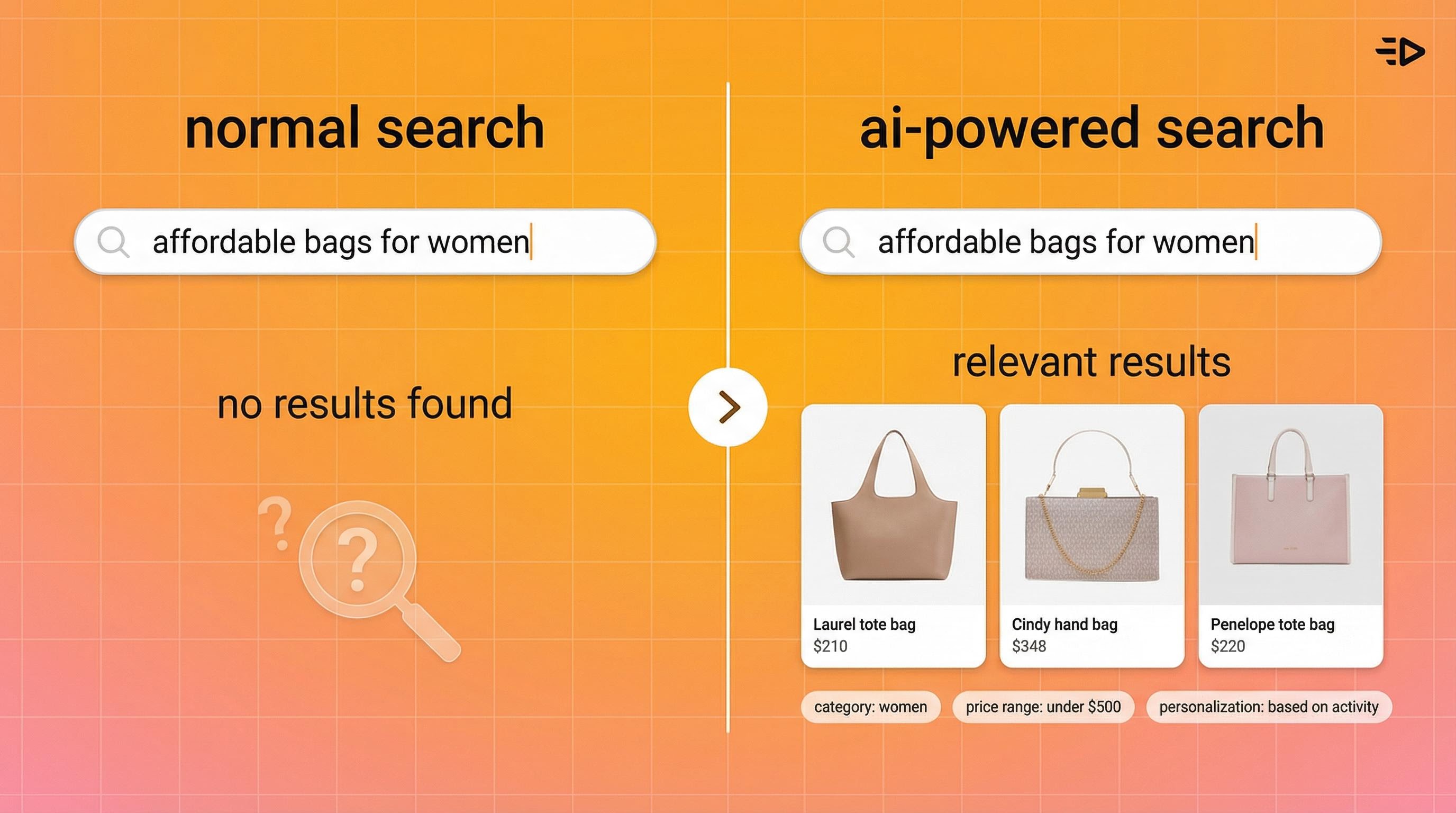
Poor site search quietly hurts conversion. A shopper types something, gets irrelevant results, and leaves. AI-powered search uses semantic understanding to match intent rather than exact keywords, meaning a search for "something for a beach wedding" surfaces appropriate products rather than anything containing the word "beach."
For large catalogs, this also includes autocomplete, synonym matching, and ranked results that weigh stock levels, margins, and conversion history together.
3. Shopping assistants and conversational commerce
AI and ecommerce are increasingly inseparable when it comes to pre-purchase guidance: product comparisons, sizing help, ingredient questions, compatibility checks. They run 24/7, handle many conversations at once, and don't need a rigid script.
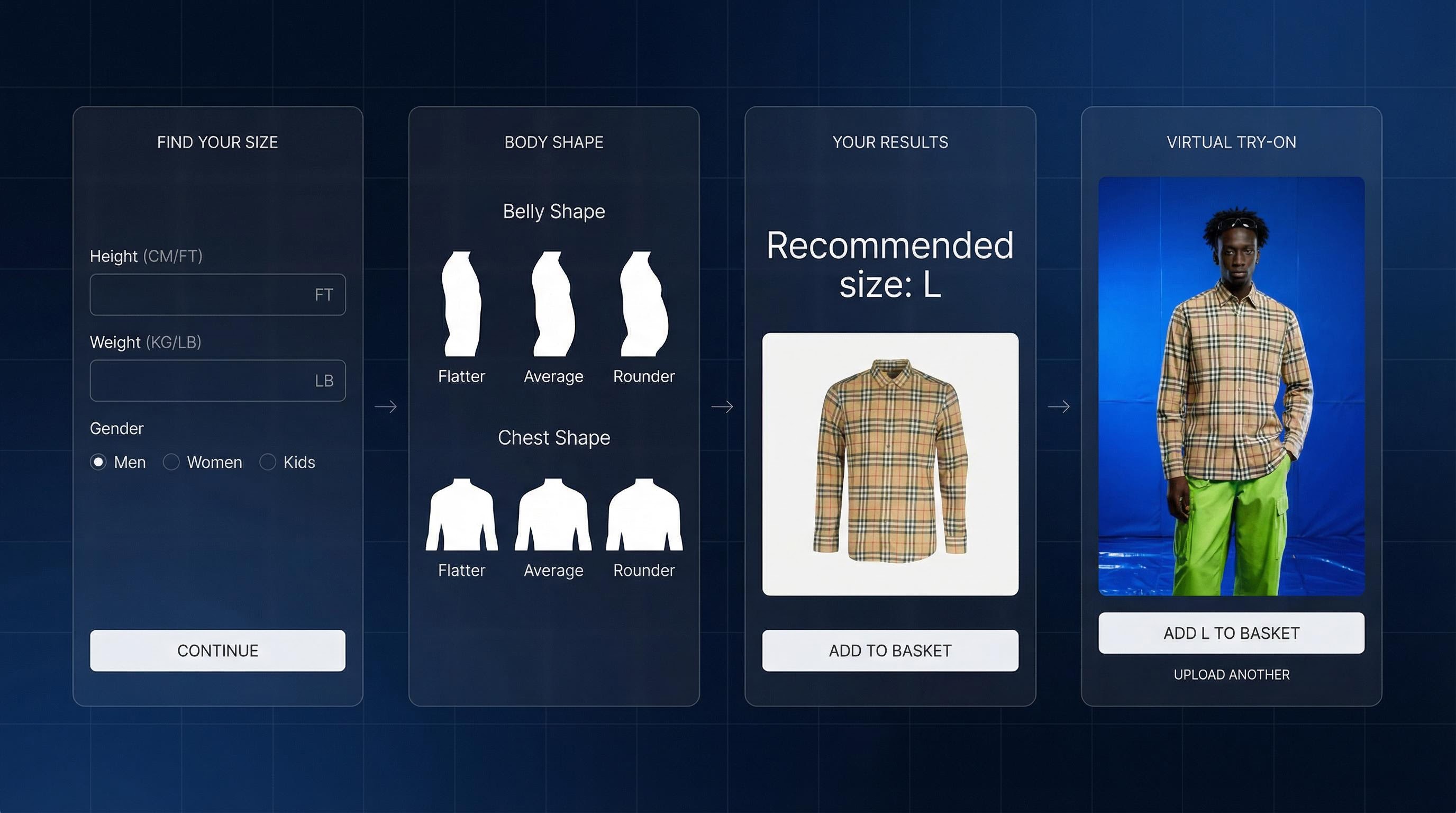
The meaningful shift in recent years is that these assistants can guide multi-step purchase decisions in natural language, not just deflect static FAQs. A shopper asking "what's the best moisturizer for oily skin under $40" gets a personalized recommendation, not a search results page.
4. Customer service automation
Most e-commerce support tickets are repetitive: order status, return eligibility, shipping estimates, and exchange requests. AI solutions for e-commerce handle these at volume without adding headcount.
A support team handling thousands of tickets monthly, where the majority are order-related queries, can deflect a large portion of that volume through AI automation. Human agents stay on escalations and edge cases. The operational math is clear, and IBM identifies customer service automation as one of the most immediate cost-reduction opportunities in retail AI.
5. Order tracking and post-purchase intelligence
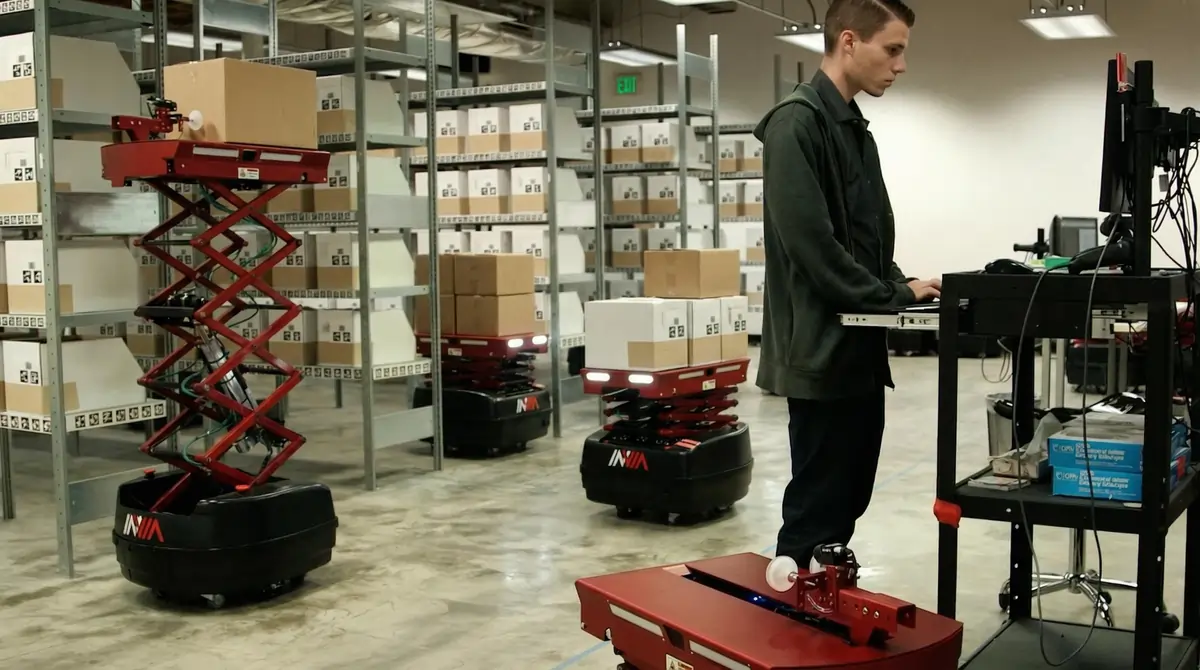
Proactive artificial intelligence in e-commerce tracking goes beyond "your order has shipped." It monitors carrier data, detects delays early, and pushes updates automatically before a customer has to ask. That last part matters: a proactive delay notification feels like good service. A shopper who has to submit a ticket to find out their package is late feels like a problem.
Done well, this also reduces "where is my order" ticket volume significantly, which compounds the support savings from example 4.
6. Returns and refunds automation
AI e-commerce tools route return requests based on reason codes, order value, and customer history. Straightforward returns get approved instantly. Potential fraud gets flagged. Edge cases go to human review.
The operational benefit runs both ways: faster resolution for customers, lower processing cost for the business, and cleaner data on why products are coming back, which feeds directly into merchandising and product decisions.
Operations AI
7. Demand forecasting and inventory planning
AI forecasting models analyze historical sales, seasonality, marketing calendars, and real-time demand signals to predict what needs to be in stock and when. IBM notes that inventory planning delivers some of the clearest measurable ROI in retail AI, because the cost of stockouts (lost sales, churn) and overstock (markdowns, carrying cost) is quantifiable and directly reducible.
A fashion brand that previously over-ordered for seasonal campaigns and marked down 30% of inventory has a specific, solvable problem. AI forecasting addresses it with better demand signal processing than any spreadsheet-based system can.
8. Dynamic pricing optimization
AI-assisted pricing adjusts prices based on demand, competitor pricing, inventory levels, and conversion data. It's been standard in travel and marketplace categories for years, and it's increasingly common in branded e-commerce.
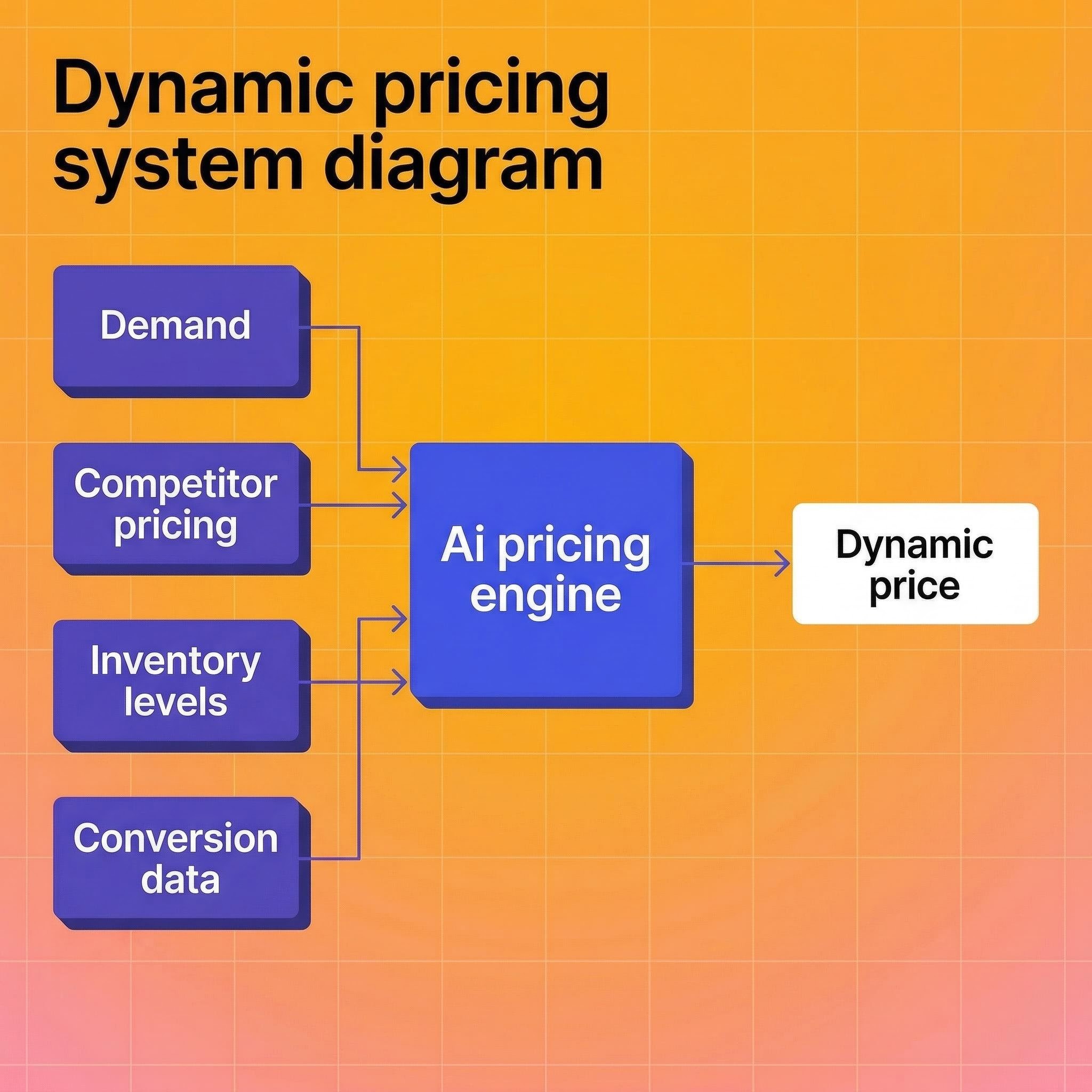
A caution worth stating: automated pricing without governance creates customer trust problems fast. Price swings that feel arbitrary damage brand credibility. The brands doing this well build clear rules, review thresholds, and human oversight into the system before turning it on.
9. Fraud detection and payments security
AI in e-commerce fraud detection flags suspicious transaction patterns in real time: unusual order volumes, mismatched billing and shipping data, card velocity signals, behavioral anomalies. As IBM points out, AI fraud detection has become standard in e-commerce payments because attack patterns evolve faster than rule-based systems can adapt.
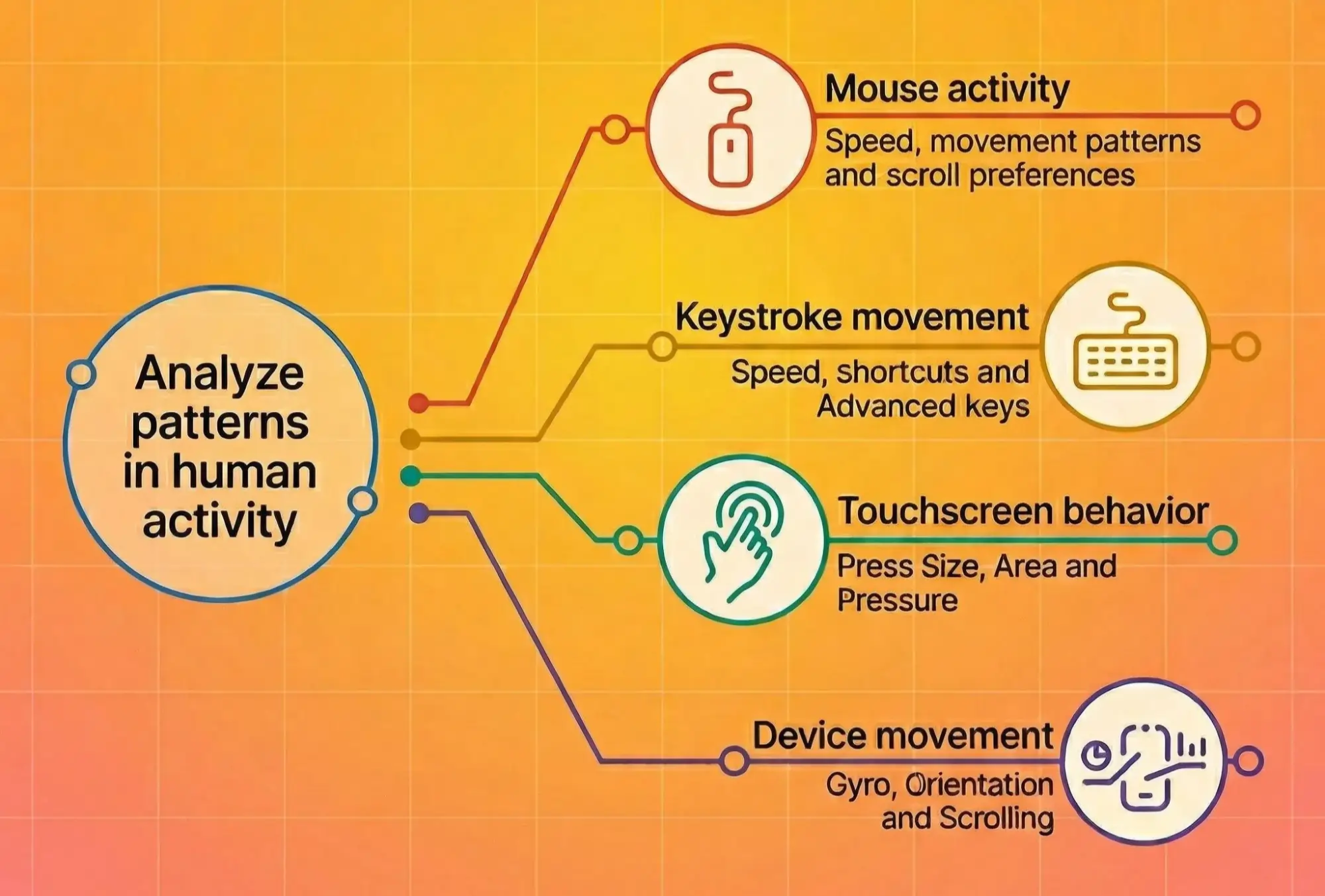
The less-discussed benefit is reducing false positives. Blunt fraud rules block legitimate orders, which creates a customer service problem and a revenue leak. Better AI detection improves both fraud catch rates and approval rates on real purchases.
10. Customer segmentation and targeting
Traditional segmentation groups customers by demographics or broad purchase category. The use of AI in ecommerce segmentation works off behavior: browsing patterns, purchase frequency, product affinity, churn risk, predicted lifetime value.
A customer with high predicted churn gets a different message than one who's bought three times in the last 90 days. That specificity improves conversion across email, paid ads, loyalty programs, and onsite personalization in ways that demographic segmentation can't match.
Read also: AI generated advertising: Everything you need to know
Creative and content AI
11. Product content generation
Large catalogs are a content operations problem. Writing accurate, SEO-optimized product descriptions for thousands of SKUs is a project most teams never finish. AI handles the volume, generating descriptions, metadata, and product FAQs from structured product data. For catalog-heavy retailers, this is one of the fastest wins available in AI-powered ecommerce.
The human job shifts from writing to reviewing and editing for brand tone, which moves much faster. For catalog-heavy retailers, this is one of the fastest wins available.
12. AI video ad generation
This is where AI has changed e-commerce marketing most dramatically. Traditional video ad production costs $3,000 to $15,000 per video and takes 1 to 4 months from brief to final cut. That structure made video ads viable only for brands with real budgets, and even then made creative testing nearly impossible. You can't A/B test 20 hooks if each hook costs $5,000 to produce.

AI video platforms like Creatify change the math. Paste a product URL, pick from 1,500+ AI avatars, and generate a ready-to-run video ad in minutes. According to Creatify's reported case studies, 1MORE (a U.S. audio brand) switched from influencer-based production and saw purchases increase 200%, link clicks up 158%, and impressions up 98% in one campaign. Twist Digital, an affiliate marketing agency, reported CTR doubling from 4-5% to 9-10% after switching to AI-generated creative.
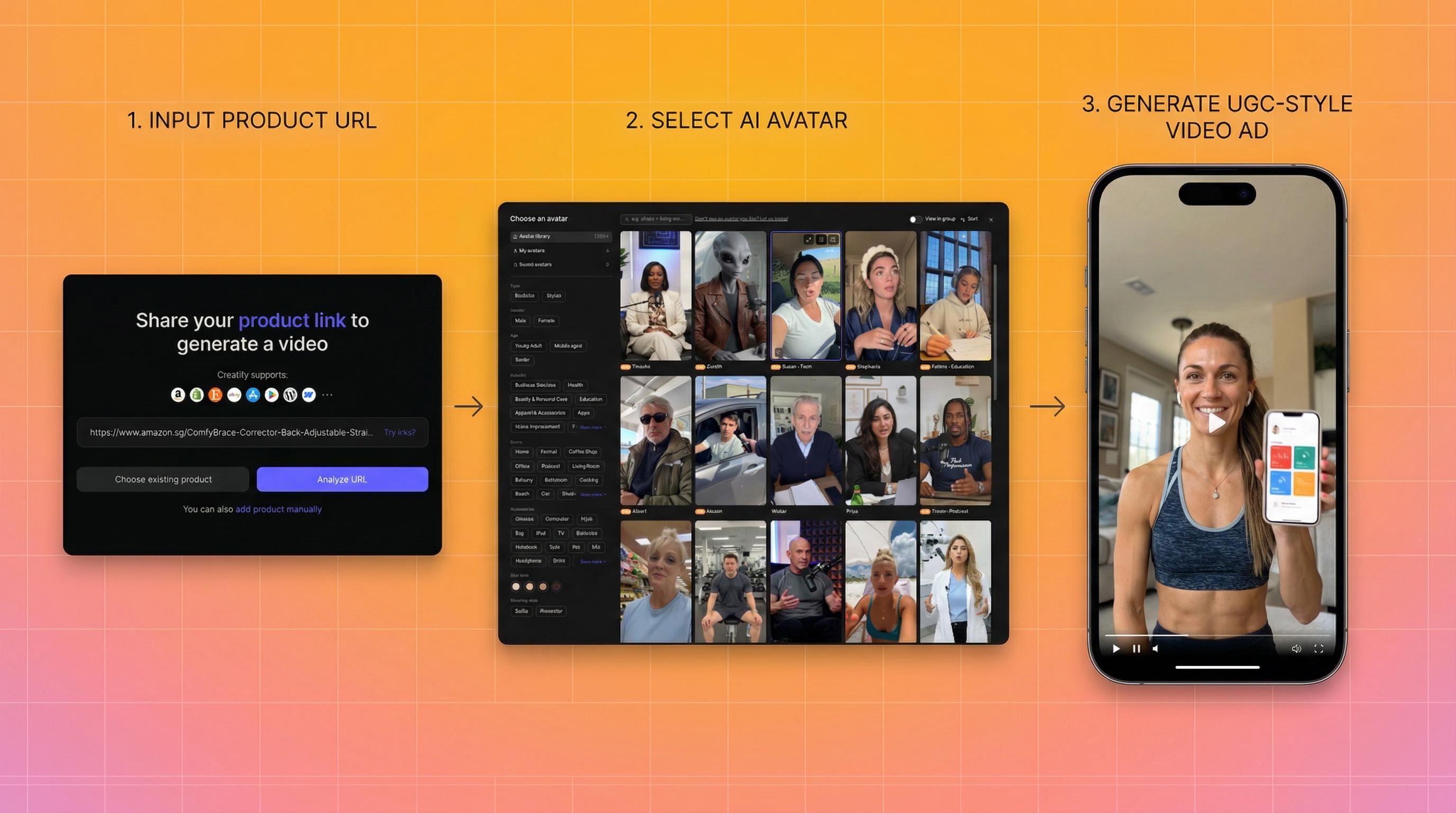
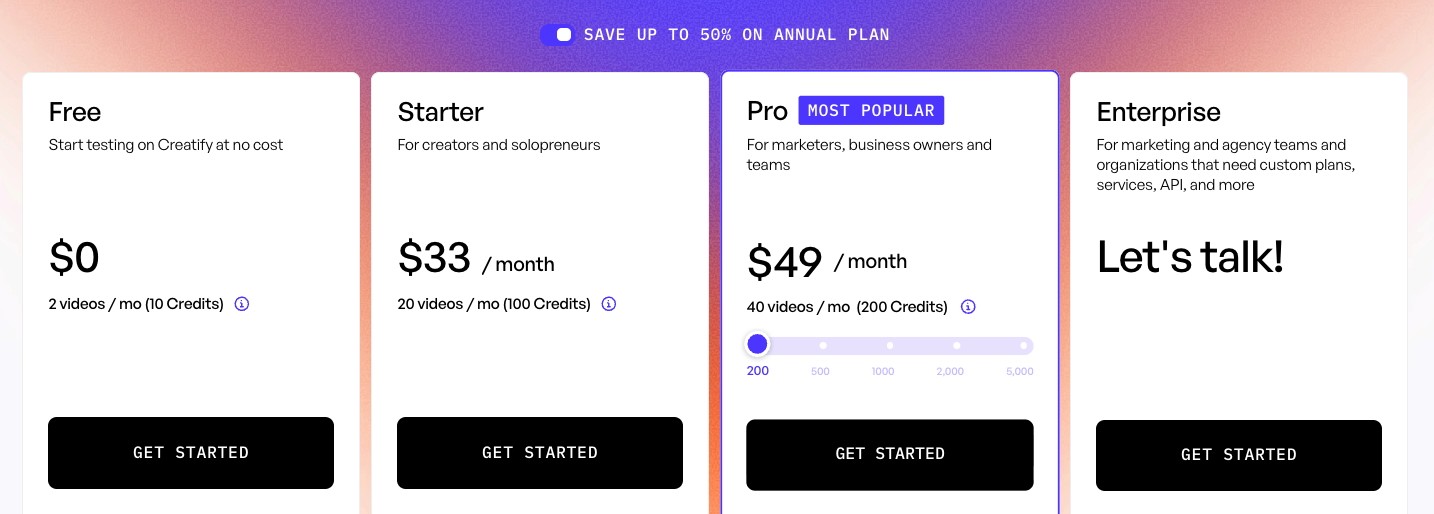
Per Creatify's pricing, production cost on the platform drops to under $4 per video, compared to the $3,000 to $15,000 typical of traditional production. That gap changes what creative testing looks like. Brands can generate dozens of variations, find what performs, and iterate without a production bottleneck at every step.
13. Visual search
Visual search lets shoppers upload a photo and find matching or similar products. A customer sees a jacket in a post, takes a screenshot, uploads it, and finds it (or the closest match) in your catalog.
Built In identifies visual search as particularly valuable in fashion, home goods, and beauty, where product discovery often starts from a visual reference rather than a keyword. The friction reduction matters: a shopper who can show the product they want converts more reliably than one trying to describe it in search terms.

14. AI merchandising and placement
AI-assisted merchandising optimizes which products appear where: category page rankings, search result ordering, bundle suggestions, featured placements. Instead of a merchandiser manually curating every category, AI surfaces products based on conversion probability, margin contribution, inventory levels, and personalization signals.
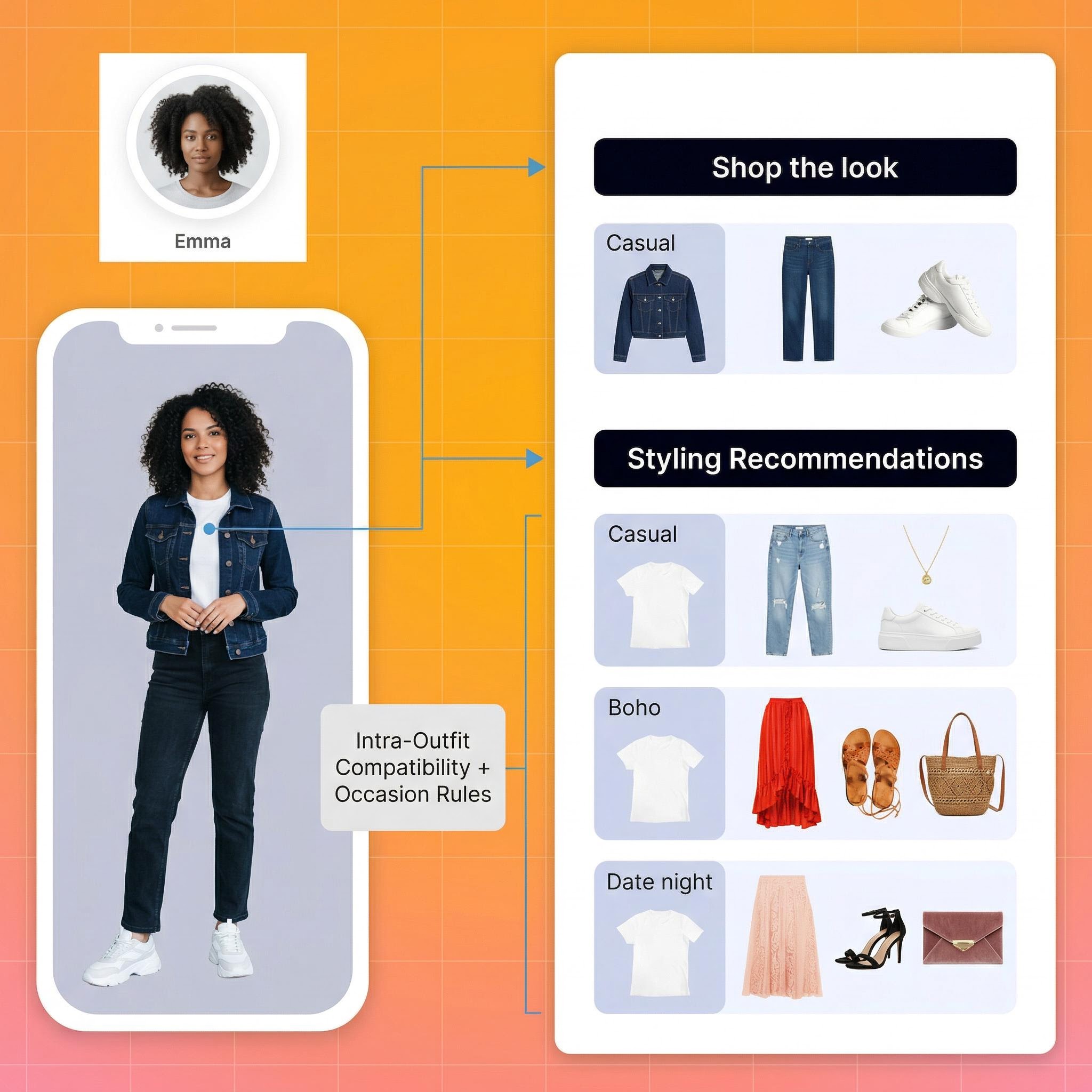
High-value products stay visible to the right shoppers without constant manual intervention. The merchandiser's time shifts toward strategy rather than maintenance.
Emerging AI
15. Agentic commerce
The most forward-looking of all AI applications in ecommerce on this list. AI agents are beginning to support parts of the shopping journey with greater autonomy: researching products, comparing options, and in some environments, completing purchases based on parameters a shopper sets in advance.
This isn't a mainstream UX pattern in 2026, but the direction of travel across the commerce ecosystem points toward it. It's worth understanding now because it will likely change how product discovery and search traffic work over the next few years.
Read also: 13 best AI marketing tools we tested
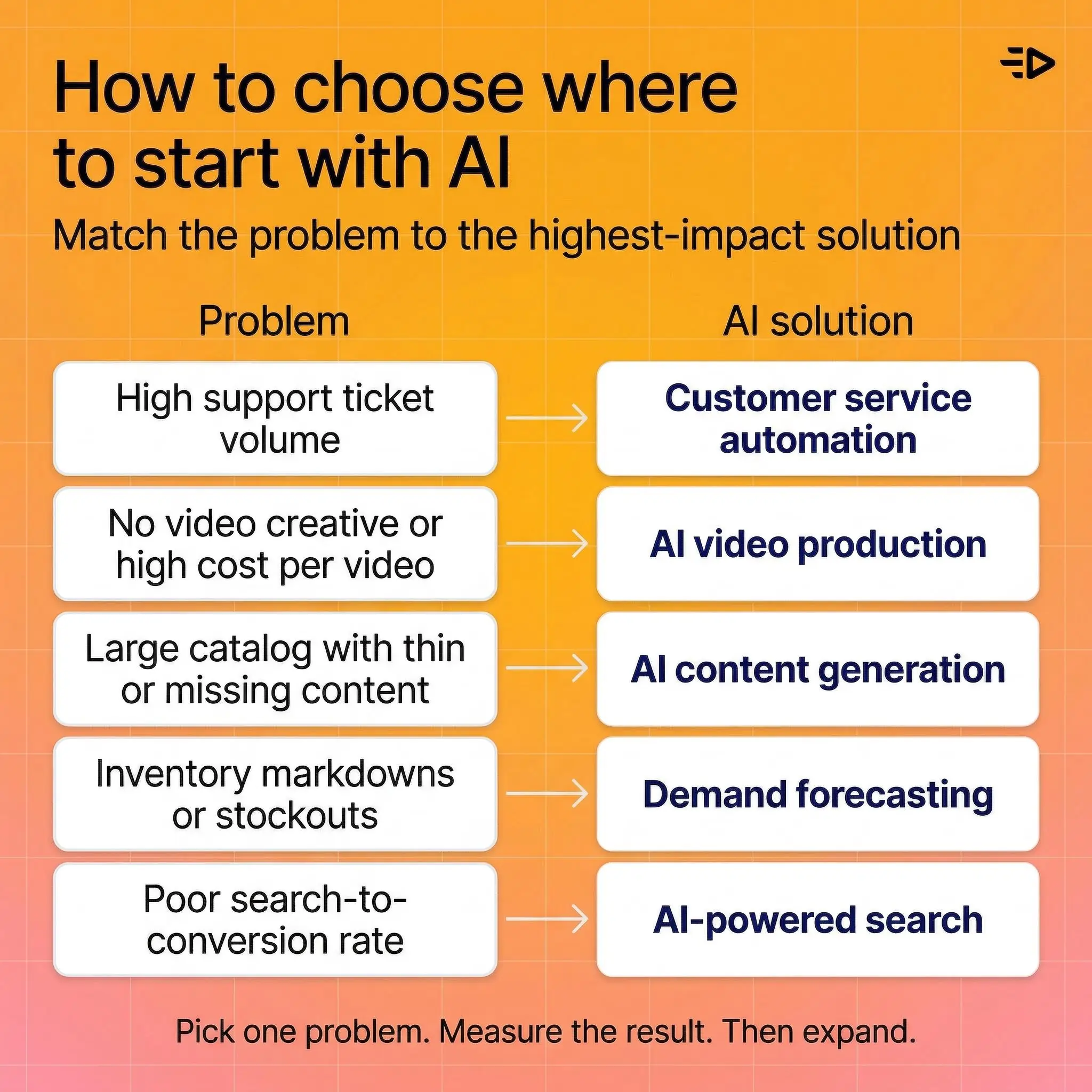
How to choose where to start
The most common mistake brands make when learning how to use AI in ecommerce: starting with "where can we apply AI?" instead of "which problem costs us the most?"
A useful prioritization frame, from IBM's research on commerce AI: rank by business impact first, data availability second, implementation complexity third. A demand forecasting system built on clean transaction history delivers measurable ROI faster than a personalization engine built on patchy behavioral data.
A practical starting point for most e-commerce brands:
High support ticket volume from repetitive queries → customer service automation
No video creative or high cost per video → AI video production
Large catalog with missing or thin content → AI content generation
Inventory markdowns or stockouts → demand forecasting
Poor search-to-conversion rate → AI-powered search
Pick one problem. Measure the result. Then expand.
Risks worth knowing
Bad data produces bad outputs. Recommendation models trained on thin or skewed data suggest the wrong products. Forecasting models built on noisy sales history make wrong calls. Clean data is a prerequisite, not an afterthought.
Over-automation creates brand safety risk. AI-generated product content can be inaccurate. Automated pricing can spike unexpectedly. Support automation without escalation paths leaves customers stranded. Build human review into the process before scaling.
Tools without workflow integration underdeliver. A fraud detection tool that doesn't connect to your payments platform, or a personalization engine that doesn't talk to your CRM, delivers a fraction of its potential value. Implementation quality matters as much as the technology.
Frequently Asked Questions
What is AI in e-commerce?
AI in e-commerce refers to machine learning, generative AI, predictive analytics, and automation tools applied to how online stores operate, from product discovery and personalization to customer service, inventory planning, and ad creative production.
What are the most common AI use cases in e-commerce?
Product recommendations, AI-powered search, customer service automation, demand forecasting, dynamic pricing, fraud detection, and AI-generated content are the most widely adopted. AI video ad generation has become a particularly fast-growing category, in part because it removes the cost and time bottleneck that made video creative inaccessible for most brands.
How does AI reduce costs for e-commerce brands?
Primarily by automating high-volume repetitive tasks: support tickets, product content creation, and creative production. Video ad production is the clearest example. Traditional production runs $3,000 to $15,000 per video. AI platforms like Creatify bring that under $4 per video, making proper creative testing financially viable at any budget level.
Can small e-commerce brands use AI, or is it only for large retailers?
Most AI tools in e-commerce today are accessible at subscription price points, not enterprise-only. AI video platforms, AI search tools, and AI customer service tools are all available to small and mid-size brands. The use cases that fit smallest teams best are content generation, video ad production, and customer service automation.
What data do you need to implement AI in e-commerce?
It depends on the use case. Recommendation engines need behavioral and purchase data. Demand forecasting needs clean transaction history. AI content generation needs product attributes and specifications. AI video ad tools like Creatify need only a product URL or image. If your data infrastructure is still developing, start with the use cases that have the lowest data requirements.
What is the difference between AI and automation in e-commerce?
Automation follows rules: if X happens, do Y. AI adapts based on patterns and predictions. An automated order confirmation email is automation. A system that predicts which customers are about to churn and triggers a personalized retention sequence based on their purchase history is AI. Most modern e-commerce stacks use both.
What is agentic commerce?
Agentic commerce refers to AI systems that can take actions in the shopping journey with greater autonomy: finding products, comparing options, and in some cases completing purchases on a user's behalf. It's an emerging capability in 2026, not yet mainstream, but the direction across the commerce ecosystem points toward it becoming more common.
How do I measure whether AI is working in my e-commerce store?
Match the metric to the use case. Customer service automation: ticket deflection rate and resolution time. AI video ads: CTR, CPA, ROAS versus control creative. Product recommendations: conversion rate and average order value. Demand forecasting: stockout rate and markdown volume. Pricing AI: revenue per visitor and conversion rate. Start with one clean metric per use case and measure against a baseline.
A few years ago, AI in e-commerce was largely associated with recommendation widgets and basic rule-based automation. In 2026, it covers the full commerce lifecycle: how shoppers find products, how brands produce creative, how operations teams manage inventory, and how support teams handle volume without scaling headcount.
The brands running efficiently aren't doing all of it at once. They pick the problems that cost them the most, deploy AI for ecommerce there, and measure the output. Here are 15 practical examples of how that looks in practice.
The three types of AI e-commerce brands actually use
Before the examples, a quick frame. AI in e-commerce generally breaks into three categories:
Customer-facing AI improves how shoppers discover, evaluate, and buy products.
Operations AI improves how brands manage inventory, pricing, fraud, and fulfillment.
Creative and content AI reduces the cost and time to produce product descriptions, ads, and visual content.
Most brands start in one of these and expand. The use cases below follow that structure.
Customer-facing AI
1. Personalized product recommendations
The oldest AI ecommerce use case in e-commerce and still one of the clearest ROI plays. Machine learning models analyze browsing history, purchase behavior, and real-time session data to predict what a shopper is most likely to buy next.
This shows up on homepages, product pages, cart pages, post-purchase emails, and retargeting ads. The quality gap between a basic co-purchase widget and a properly trained recommendation model is significant, which is why implementation quality matters as much as the technology itself.
2. AI-powered search and product discovery
Poor site search quietly hurts conversion. A shopper types something, gets irrelevant results, and leaves. AI-powered search uses semantic understanding to match intent rather than exact keywords, meaning a search for "something for a beach wedding" surfaces appropriate products rather than anything containing the word "beach."
For large catalogs, this also includes autocomplete, synonym matching, and ranked results that weigh stock levels, margins, and conversion history together.
3. Shopping assistants and conversational commerce
AI and ecommerce are increasingly inseparable when it comes to pre-purchase guidance: product comparisons, sizing help, ingredient questions, compatibility checks. They run 24/7, handle many conversations at once, and don't need a rigid script.
The meaningful shift in recent years is that these assistants can guide multi-step purchase decisions in natural language, not just deflect static FAQs. A shopper asking "what's the best moisturizer for oily skin under $40" gets a personalized recommendation, not a search results page.
4. Customer service automation
Most e-commerce support tickets are repetitive: order status, return eligibility, shipping estimates, and exchange requests. AI solutions for e-commerce handle these at volume without adding headcount.
A support team handling thousands of tickets monthly, where the majority are order-related queries, can deflect a large portion of that volume through AI automation. Human agents stay on escalations and edge cases. The operational math is clear, and IBM identifies customer service automation as one of the most immediate cost-reduction opportunities in retail AI.
5. Order tracking and post-purchase intelligence
Proactive artificial intelligence in e-commerce tracking goes beyond "your order has shipped." It monitors carrier data, detects delays early, and pushes updates automatically before a customer has to ask. That last part matters: a proactive delay notification feels like good service. A shopper who has to submit a ticket to find out their package is late feels like a problem.
Done well, this also reduces "where is my order" ticket volume significantly, which compounds the support savings from example 4.
6. Returns and refunds automation
AI e-commerce tools route return requests based on reason codes, order value, and customer history. Straightforward returns get approved instantly. Potential fraud gets flagged. Edge cases go to human review.
The operational benefit runs both ways: faster resolution for customers, lower processing cost for the business, and cleaner data on why products are coming back, which feeds directly into merchandising and product decisions.
Operations AI
7. Demand forecasting and inventory planning
AI forecasting models analyze historical sales, seasonality, marketing calendars, and real-time demand signals to predict what needs to be in stock and when. IBM notes that inventory planning delivers some of the clearest measurable ROI in retail AI, because the cost of stockouts (lost sales, churn) and overstock (markdowns, carrying cost) is quantifiable and directly reducible.
A fashion brand that previously over-ordered for seasonal campaigns and marked down 30% of inventory has a specific, solvable problem. AI forecasting addresses it with better demand signal processing than any spreadsheet-based system can.
8. Dynamic pricing optimization
AI-assisted pricing adjusts prices based on demand, competitor pricing, inventory levels, and conversion data. It's been standard in travel and marketplace categories for years, and it's increasingly common in branded e-commerce.
A caution worth stating: automated pricing without governance creates customer trust problems fast. Price swings that feel arbitrary damage brand credibility. The brands doing this well build clear rules, review thresholds, and human oversight into the system before turning it on.
9. Fraud detection and payments security
AI in e-commerce fraud detection flags suspicious transaction patterns in real time: unusual order volumes, mismatched billing and shipping data, card velocity signals, behavioral anomalies. As IBM points out, AI fraud detection has become standard in e-commerce payments because attack patterns evolve faster than rule-based systems can adapt.
The less-discussed benefit is reducing false positives. Blunt fraud rules block legitimate orders, which creates a customer service problem and a revenue leak. Better AI detection improves both fraud catch rates and approval rates on real purchases.
10. Customer segmentation and targeting
Traditional segmentation groups customers by demographics or broad purchase category. The use of AI in ecommerce segmentation works off behavior: browsing patterns, purchase frequency, product affinity, churn risk, predicted lifetime value.
A customer with high predicted churn gets a different message than one who's bought three times in the last 90 days. That specificity improves conversion across email, paid ads, loyalty programs, and onsite personalization in ways that demographic segmentation can't match.
Read also: AI generated advertising: Everything you need to know
Creative and content AI
11. Product content generation
Large catalogs are a content operations problem. Writing accurate, SEO-optimized product descriptions for thousands of SKUs is a project most teams never finish. AI handles the volume, generating descriptions, metadata, and product FAQs from structured product data. For catalog-heavy retailers, this is one of the fastest wins available in AI-powered ecommerce.
The human job shifts from writing to reviewing and editing for brand tone, which moves much faster. For catalog-heavy retailers, this is one of the fastest wins available.
12. AI video ad generation
This is where AI has changed e-commerce marketing most dramatically. Traditional video ad production costs $3,000 to $15,000 per video and takes 1 to 4 months from brief to final cut. That structure made video ads viable only for brands with real budgets, and even then made creative testing nearly impossible. You can't A/B test 20 hooks if each hook costs $5,000 to produce.
AI video platforms like Creatify change the math. Paste a product URL, pick from 1,500+ AI avatars, and generate a ready-to-run video ad in minutes. According to Creatify's reported case studies, 1MORE (a U.S. audio brand) switched from influencer-based production and saw purchases increase 200%, link clicks up 158%, and impressions up 98% in one campaign. Twist Digital, an affiliate marketing agency, reported CTR doubling from 4-5% to 9-10% after switching to AI-generated creative.
Per Creatify's pricing, production cost on the platform drops to under $4 per video, compared to the $3,000 to $15,000 typical of traditional production. That gap changes what creative testing looks like. Brands can generate dozens of variations, find what performs, and iterate without a production bottleneck at every step.
13. Visual search
Visual search lets shoppers upload a photo and find matching or similar products. A customer sees a jacket in a post, takes a screenshot, uploads it, and finds it (or the closest match) in your catalog.
Built In identifies visual search as particularly valuable in fashion, home goods, and beauty, where product discovery often starts from a visual reference rather than a keyword. The friction reduction matters: a shopper who can show the product they want converts more reliably than one trying to describe it in search terms.
14. AI merchandising and placement
AI-assisted merchandising optimizes which products appear where: category page rankings, search result ordering, bundle suggestions, featured placements. Instead of a merchandiser manually curating every category, AI surfaces products based on conversion probability, margin contribution, inventory levels, and personalization signals.
High-value products stay visible to the right shoppers without constant manual intervention. The merchandiser's time shifts toward strategy rather than maintenance.
Emerging AI
15. Agentic commerce
The most forward-looking of all AI applications in ecommerce on this list. AI agents are beginning to support parts of the shopping journey with greater autonomy: researching products, comparing options, and in some environments, completing purchases based on parameters a shopper sets in advance.
This isn't a mainstream UX pattern in 2026, but the direction of travel across the commerce ecosystem points toward it. It's worth understanding now because it will likely change how product discovery and search traffic work over the next few years.
Read also: 13 best AI marketing tools we tested
How to choose where to start
The most common mistake brands make when learning how to use AI in ecommerce: starting with "where can we apply AI?" instead of "which problem costs us the most?"
A useful prioritization frame, from IBM's research on commerce AI: rank by business impact first, data availability second, implementation complexity third. A demand forecasting system built on clean transaction history delivers measurable ROI faster than a personalization engine built on patchy behavioral data.
A practical starting point for most e-commerce brands:
High support ticket volume from repetitive queries → customer service automation
No video creative or high cost per video → AI video production
Large catalog with missing or thin content → AI content generation
Inventory markdowns or stockouts → demand forecasting
Poor search-to-conversion rate → AI-powered search
Pick one problem. Measure the result. Then expand.
Risks worth knowing
Bad data produces bad outputs. Recommendation models trained on thin or skewed data suggest the wrong products. Forecasting models built on noisy sales history make wrong calls. Clean data is a prerequisite, not an afterthought.
Over-automation creates brand safety risk. AI-generated product content can be inaccurate. Automated pricing can spike unexpectedly. Support automation without escalation paths leaves customers stranded. Build human review into the process before scaling.
Tools without workflow integration underdeliver. A fraud detection tool that doesn't connect to your payments platform, or a personalization engine that doesn't talk to your CRM, delivers a fraction of its potential value. Implementation quality matters as much as the technology.
Frequently Asked Questions
What is AI in e-commerce?
AI in e-commerce refers to machine learning, generative AI, predictive analytics, and automation tools applied to how online stores operate, from product discovery and personalization to customer service, inventory planning, and ad creative production.
What are the most common AI use cases in e-commerce?
Product recommendations, AI-powered search, customer service automation, demand forecasting, dynamic pricing, fraud detection, and AI-generated content are the most widely adopted. AI video ad generation has become a particularly fast-growing category, in part because it removes the cost and time bottleneck that made video creative inaccessible for most brands.
How does AI reduce costs for e-commerce brands?
Primarily by automating high-volume repetitive tasks: support tickets, product content creation, and creative production. Video ad production is the clearest example. Traditional production runs $3,000 to $15,000 per video. AI platforms like Creatify bring that under $4 per video, making proper creative testing financially viable at any budget level.
Can small e-commerce brands use AI, or is it only for large retailers?
Most AI tools in e-commerce today are accessible at subscription price points, not enterprise-only. AI video platforms, AI search tools, and AI customer service tools are all available to small and mid-size brands. The use cases that fit smallest teams best are content generation, video ad production, and customer service automation.
What data do you need to implement AI in e-commerce?
It depends on the use case. Recommendation engines need behavioral and purchase data. Demand forecasting needs clean transaction history. AI content generation needs product attributes and specifications. AI video ad tools like Creatify need only a product URL or image. If your data infrastructure is still developing, start with the use cases that have the lowest data requirements.
What is the difference between AI and automation in e-commerce?
Automation follows rules: if X happens, do Y. AI adapts based on patterns and predictions. An automated order confirmation email is automation. A system that predicts which customers are about to churn and triggers a personalized retention sequence based on their purchase history is AI. Most modern e-commerce stacks use both.
What is agentic commerce?
Agentic commerce refers to AI systems that can take actions in the shopping journey with greater autonomy: finding products, comparing options, and in some cases completing purchases on a user's behalf. It's an emerging capability in 2026, not yet mainstream, but the direction across the commerce ecosystem points toward it becoming more common.
How do I measure whether AI is working in my e-commerce store?
Match the metric to the use case. Customer service automation: ticket deflection rate and resolution time. AI video ads: CTR, CPA, ROAS versus control creative. Product recommendations: conversion rate and average order value. Demand forecasting: stockout rate and markdown volume. Pricing AI: revenue per visitor and conversion rate. Start with one clean metric per use case and measure against a baseline.