
Creatify チーム
シェア


この記事では
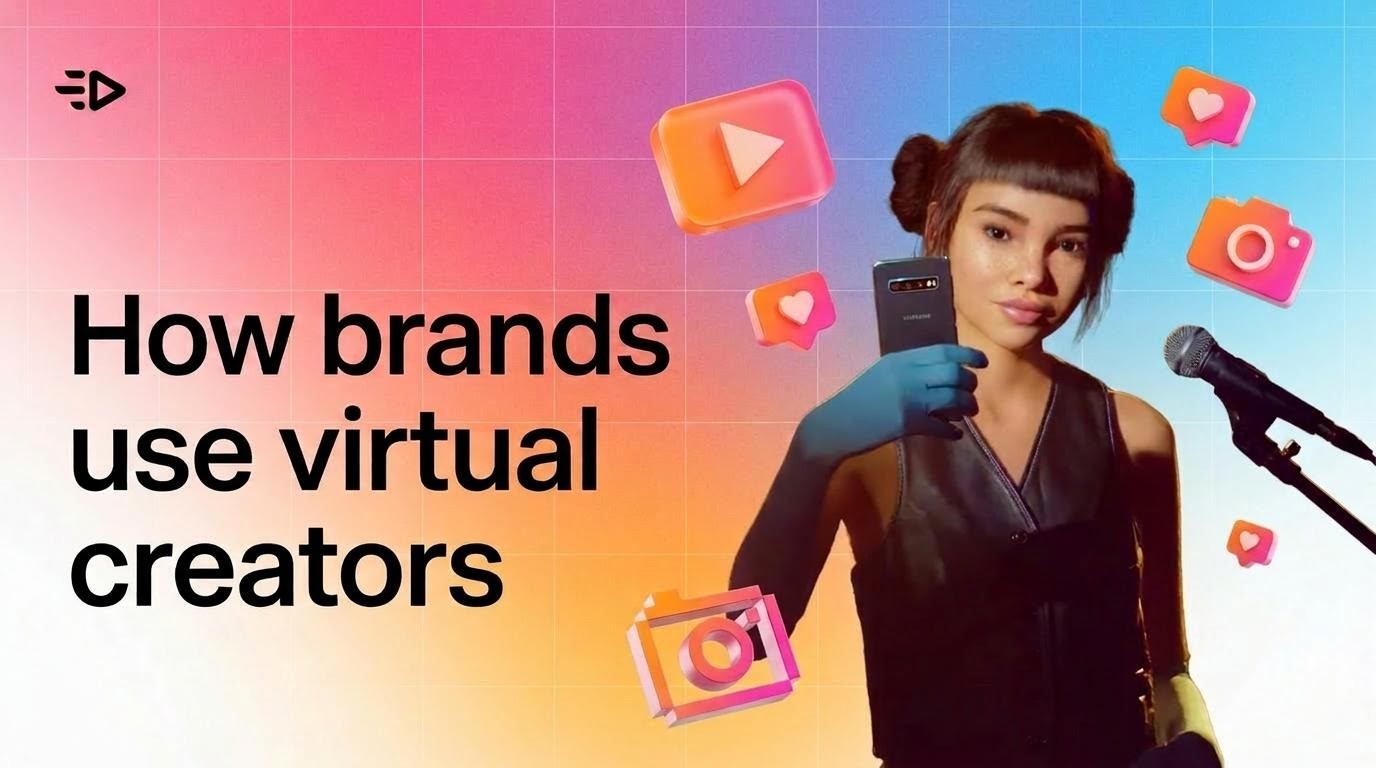
Lil Miquelaは、Prada、Calvin Klein、Samsungといったブランドと協業してきました。彼女はInstagramで250万人以上のフォロワーを抱え、人間のクリエイターなら起用に6桁(数十万ドル)の費用がかかるようなキャンペーンに登場しています。そして彼女は、ロサンゼルスのクリエイティブスタジオが運営する3Dレンダリングでもあります。
5年前なら、それは目新しさを売りにしたニュースの見出しでした。しかし2026年現在、それはインフルエンサーマーケティング予算の正式な一項目となっています。コントロール、一貫性、そしてビジュアルの正確性が個人の信頼性(オーセンティシティ)よりも重視されるカテゴリーにおいて、バーチャルクリエイターはブランドとの契約を獲得し、測定可能なエンゲージメントを生み出し、人間のインフルエンサーとのパートナーシップから予算を奪いつつあります。

このシフトは、バーチャルクリエイターの起用を検討している方も、それを行っている競合ブランドと戦っている方も、あるいは画面で見ているクリエイターが実在の人物かどうかを見極めようとしている段階の方であっても、理解しておく価値があります。なぜなら、画面に映る顔が合成されたものである可能性がある以上、インフルエンサーマーケティングのあらゆる部分(信頼、開示、効果測定、そして紹介者がソフトウェア上で設計された場合に「信頼性」がそもそも何を意味するのかという問い)がより難しくなるからです。
この記事では、AIインフルエンサーとは何か、どのように作成されるのか、なぜブランドが彼らを起用するのか、何が彼らの効果を高める(あるいは損ねる)のか、そして2026年における法的・倫理的状況はどうなっているのかを解説します。
AIインフルエンサーの定義とは
現在、その専門用語は広範かつ一貫していません。「AIインフルエンサー」、「バーチャルインフルエンサー」、「バーチャルモデル」、「コンピューター生成インフルエンサー」、「人工インフルエンサー」、「AI生成ソーシャルメディアインフルエンサー」など。これらの用語はすべて同じ基本的な概念、すなわち「ソーシャルプラットフォーム上で人間のコンテンツクリエイターに似せ、同様に機能するようにデジタル技術で作成されたペルソナ(人格)」を指しています。
しかし、このカテゴリー内には重要な区別が存在します。オックスフォード大学法学部の研究では、CGI、3Dモデリング、そして人間の強力なクリエイティブディレクションによって構築される一般的な「バーチャル」インフルエンサーと、画像生成、スクリプト作成、インタラクションにおいて生成AIへの依存度が高い「AI生成」インフルエンサーを区別しています。実務上、2026年におけるほとんどのAIインフルエンサーはハイブリッド型です。ビジュアル・アイデンティティはCGIかAI生成、スクリプトは人間が執筆するかAIが下書きして人間が編集し、投稿やコミュニティ管理はほぼ常に人間が運営しています。
ペルソナは合成ですが、その背後にある運営が合成であることは滅多にありません。
いくつか参考となる例を挙げます。日本発のバーチャルモデルでIKEAやPorscheとのパートナーシップを結ぶ「imma」や、世界初のデジタルスーパーモデルとして宣伝された「Shudu」は、Lil Miquelaと並ぶ初期の代表例です。これらはクリエイティブスタジオによって構築された、CGIを多用したプロジェクトでした。これに対し、新世代のAIインフルエンサーは、生成AIツールを活用してより迅速かつ低コストでビジュアルコンテンツを制作しており、信憑性のあるデジタルペルソナを作成する障壁を下げています。
AIインフルエンサーはどのように作成されるのか
すべてのAIインフルエンサーの背後には、単一のツールではなく、生産システムが存在します。サリー大学の研究では、バーチャルインフルエンサーを機能させる構成要素として、ビジュアル・アイデンティティ、パーソナリティ設計、ナラティブ(物語)の一貫性、そしてオーディエンスとのインタラクションを挙げています。
ビジュアル・アイデンティティ
顔、体、衣服、そして美的スタイル。初期のバーチャルインフルエンサーは、完全に3Dモデリングソフトウェア(Blender、Maya、Unreal Engineなど)で構築されていました。最新のものは、フォトリアルな顔やシーンを作成するためにAI画像生成ツールを使用したり、テキストの説明や参考画像から本物の人間のようなデジタルヒューマンを生成するAIアバタープラットフォームを使用したりしています。例えばCreatifyのようなプラットフォームでは、75以上の言語に対応した、自然なリップシンク(口の動きの同期)と体の動きを備えた1,500以上のAI Avatarを提供しており、既存の画像やゼロからカスタムアバターを作成するツールも用意されています。Creatifyは広告制作向けに作られていますが、その根底にあるアバター技術は、AIインフルエンサーのコンテンツを規模に合わせて制作可能にするものと同じインフラです。
あわせて読みたい:2026年版:実際にテストして選んだ最高のAI画像生成ツールとアプリ
パーソナリティとナラティブ
ストーリーのない顔は、ただのレンダリング画像に過ぎません。ペルソナには、一貫したトーン&マナー(声)、バックストーリー、意見、興味・関心、そして長期にわたって一貫性を感じさせる投稿スタイルが必要です。これは通常、人間のクリエイティブチームによって定義され、ブランドボイスのガイドラインのように、編集上のルールを通じて維持されます。
コンテンツ制作
各投稿には、ビジュアルの生成や選択、キャプションの執筆、ハッシュタグやタグの選定、配信スケジュールの設定が必要です。この一部(キャプションの下書き、画像生成、スケジューリング)はAIが支援しますが、編集上の判断を下すのは人間です。
オーディエンスとのインタラクション
コメント、DM、返信、そしてコミュニティとのエンゲージメント。ここが最も「イリュージョン」を維持するのが難しい部分です。ほとんどのAIインフルエンサーアカウントは、人間のコミュニティマネージャーがペルソナのトーンで返信を書いて対応しています。返信時のトーンの誤りや公の場での事実誤認は、ブランドの評判に甚大なリスクをもたらすため、完全自動化されたインタラクションは極めて稀です。
制作コストは千差万別です。クリエイティブスタジオが開発するハイエンドなバーチャルインフルエンサーは、開発と維持に数十万ドルの費用がかかる場合があります。一方、画像生成ツールやアバタープラットフォームを使用した最新のAI生成ペルソナは、数千ドルで作成できることもあります。ただし、初期の制作方法に関わらず、長期にわたって品質と一貫性を維持するには継続的なクリエイティブの努力が必要です。
なぜブランドはAIインフルエンサーを起用するのか
実行プロセスは複雑ですが、その商業的論理はきわめて明快です。ニューカッスル大学によるマーケティングにおけるバーチャルインフルエンサーの分析では、ブランドが合成クリエイターに惹かれるいくつかの戦略的メリットが特定されています。

メッセージングの完全なコントロール。 人間のインフルエンサーは、オリエン資料を自分なりに解釈します。彼らは自分の個性や言い回し、時には独自の意見を加えます。それは人間のクリエイターの価値であると同時に、リスクでもあります。バーチャルインフルエンサーは、アドリブを交えることなく、正確なビジュアルコンテキストで、正確なメッセージを届けます。規制の厳しい業界(金融、ヘルスケア、製薬など)のブランドや、きわめて厳格な美的基準を持つラグジュアリーブランドにとって、このコントロール性は信頼性(オーセンティシティ)を妥協してでも得る価値があります。
稼働の柔軟性とスケールメリット。 バーチャルクリエイターには、スケジュールの競合、移動の制限、競合ブランドとの独占契約などがありません(ブランド側が意図的にそれらを課さない限り)。同じペルソナが、国境や時間帯を越えて複数のキャンペーンに同時に登場することができ、キャストを変更することなく異なる言語に適応させることが可能です。
ブランドの安全性。 不祥事も、深夜2時のブランドイメージにそぐわないSNS投稿も、関係性にリスクをもたらす物議を醸す個人的意見もありません。ブランドは、すべてのピクセルとすべての言葉を完璧にコントロールできます。ScienceDirectに掲載された学術研究は、この「リスクの排除」が、ブランドがバーチャルクリエイターを導入する最も代表的な理由の一つであると指摘しています。
クリエイティブの自由。 バーチャルペルソナは、現実にはあり得ない設定の中に登場したり、まだ製造されていない服を着たり、物理的に構築するには莫大な費用がかかるような美しく演出されたビジュアル環境で製品を実演したりできます。ファッションや美容ブランドは、これを利用してプロダクトプレイスメントとデジタルアートを融合させたキャンペーンビジュアルを制作しています。
長期的なコスト構造。 初期投資は高額になる可能性がありますが、コンテンツを1件追加する際のマージナルコスト(限界費用)は、キャンペーンごとに人間のクリエイターを起用するよりも低くなります。四半期ごとに数十回のタッチポイントで一貫したスポークスパーソンを必要とするブランドにとって、その経済性は人間のインフルエンサーと提携を繰り返すよりも、バーチャルクリエイターに有利に働くことがあります。
ブランドはバーチャルクリエイターを何に活用しているのか
そのユースケースは、「Instagramに投稿する」といった単純なものよりもはるかに具体的です。
製品発表とファッションキャンペーン
バーチャルモデルは、撮影の手配、モデルのコーディネート、サンプルの発送といったロジスティクスなしに、製品ラインを着用して見せることができます。いくつかのラグジュアリーファッションハウスは、人間のモデルと並べて(あるいはその代わりに)、キャンペーンのビジュアルにバーチャルインフルエンサーを起用しています。

継続的なブランドアンバサダーとしての役割
単発の宣伝投稿ではなく、ブランドの長期的な「顔」としてバーチャルクリエイターを構築、または委託するブランドもあります。そのペルソナは、複数のキャンペーン、シーズン、市場にわたってブランドと結びつくようになります。EmeraldのJournal of Research in Interactive Marketingに掲載された研究では、この持続的な関与が、長期的にどのようにブランドエクイティを構築(または毀損)するのかを検証しています。
オーディエンスの反応テスト
バーチャルペルソナを使用することで、ブランドは人間のクリエイターとの関係による制約を受けることなく、異なるアイデンティティ、美意識、またはメッセージの切り口をテストできます。もしあるペルソナのポジショニングに対するオーディエンスの反応が良くなければ、契約を再交渉したり個人的な人間関係を損ねたりすることなく、ナラティブを修正できます。
多言語かつグローバルなキャンペーン
ペルソナの声や外見は、キャストを変更することなく多言語に適応できるため、AIインフルエンサーは複数地域での一斉キャンペーンに実用的です。適切な語学力、外見、オーディエンスを兼ね備えた単一の人間のクリエイターを見つけることが現実的ではない地域において、AIインフルエンサーは非常に効果的です。
何がAIインフルエンサーを効果的にするのか
バーチャルクリエイターを導入したからといって、成果が保証されるわけではありません。オーディエンスの反応は、ブランドが過小評価しがちないくつかの要因に左右されます。
ビジュアルのリアルさよりも「感じられる信頼性」が重要。 見た目はフォトリアルでも、明らかに使ったことのない製品を推奨しているバーチャルインフルエンサーは、信頼のギャップを生み出します。バーチャルインフルエンサーに対する消費者の認識に関するサリー大学の研究によると、関係性の構築、親近感、そして感じられる専門知識は、単なるビジュアルの美しさ以上にエンゲージメントに影響を与えることが分かっています。
新規性は初期の注目を集めるが、ロイヤルティにはつながらない。 最初のフォロワー層は、テクノロジーに対する好奇心から集まるかもしれません。しかし彼らを引き留めるには、「ほら、AIだよ」という以上の価値を提供するコンテンツが必要です。バーチャルインフルエンサーに対する消費者の態度が時間の経過とともにどう変化するかを調査したネブラスカ大学の博士論文研究によると、持続的なエンゲージメントは技術的なインパクトだけでなく、コンテンツの品質と感じられるパーソナリティに依存していることが明らかになりました。
人工性が強すぎると信頼を損ねる。 ペルソナが人工的であるというオーディエンスの認識が、その推奨効果を台無しにする境界点が存在します。もしバーチャルインフルエンサーが「この化粧水が大好き、肌が変わったの」と言ったとしても、そのペルソナに肌は存在しないため、その主張は本質的に不誠実です。オックスフォード大学の法学的分析では、これは単なる倫理的パーソナライズの問題に留まらず、推奨行為が「個人の体験」を模倣している場合の消費者保護上の問題であると主張されています。
フォーマットが命。 バーチャルインフルエンサーは、個人の体験や本物の専門知識がコアバリューとなるカテゴリー(B2Bサービス、専門的なアドバイス、物理的なテストに依存する製品レビュー)よりも、ビジュアル重視で美意識が主導するコンテキスト(ファッション、美容、ライフスタイル、ラグジュアリー)において優れたパフォーマンスを発揮する傾向があります。フォーマットはカテゴリーと一致させる必要があります。
信頼、倫理、そして法的景観
ここからがAIインフルエンサーが本当に複雑になる部分であり、ブランドが最も注意を払うべき領域です。
最大の核となるリスクは「欺瞞」です。 もしオーディエンスがそのペルソナがバーチャルであることを知らなかったり、個人的な体験が不可能なのにもかかわらず、さも個人的な体験のように推奨されていたりすれば、そのコミュニケーションは欺瞞的であると言わざるを得ません。これは倫理的な懸念に留まらず、規制上の問題でもあります。
FTC(連邦取引委員会)はこの点に直接言及しています。 FTCの最新の推奨に関するガイドライン(2023年改訂)には、明示的にバーチャルインフルエンサーが含まれています。JD Supraによる最新ガイドラインの分析によれば、開示情報は「明確かつ顕著」である必要があり、見落としにくく、理解しやすく、推奨文そのものの近くに配置されなければなりません。プロフィールの奥深くやスクロールしなければ見えない位置に隠された、小さな「バーチャルインフルエンサー」というラベルは、スポンサーコンテンツ自体が一般的な消費者を誤解させる可能性がある場合、この基準を満たしているとは言えません。
FTCの立場は、ある特定のポイントにおいて明確です。それは「バーチャルインフルエンサーは、消費者を誤解させるような形で、製品に関する現実世界での個人的な体験をほのめかすべきではない」という点です。Hall Renderによる法的分析は、ブランド側がAIインフルエンサーのコンテンツにおける表現方法について、慎重に考案する必要があることを指摘しています。
EUも独自の規制圧力を強めています。 欧州委員会による2024年のインフルエンサー広告の一斉調査では、インフルエンサーマーケティング全体で開示要件の広範な不遵守が確認されました。ヨーロッパの執行トレンドに関するGreenberg Traurigの分析によると、コミュニケーションの商業的かつ人工的な性質が不透明である場合、バーチャルペルソナは「不公正な取引方法に関する法」の下でさらなる問題を提起すると指摘されています。
プラットフォームのポリシーも進化しています。 Meta、TikTok、YouTubeは、AI生成コンテンツに対する表示要件を導入または拡大しています。これらのポリシーは一貫性がなく、まだ発展途上であるため、ブランド側はプラットフォームのツールだけに依存して開示を済ませるべきではありません。最も安全なアプローチは、プラットフォームのUIにかかわらず、コンテンツ自体の中で開示を分かりやすく明示することです。
レピュテーション(評判)リスクは本物です。 バーチャルインフルエンサー規制に関するSSRNのワーキングペーパーは、法的な要件を満たしているからといって、レピュテーションリスクが排除されるわけではないと主張しています。ブランドが技術的に開示要件を満たしていたとしても、オーディエンスがコントロールされていると感じれば、発生する反発はキャンペーンの価値を上回ってしまう可能性があります。透明性の確保は、単なる法令遵守のタスクではなく、信頼維持のための戦略です。
あわせて読みたい:2026年版:撮影クルーなしでトレーニング動画を作成する方法
AIインフルエンサーを導入すべき時(そしてそうすべきではない時)
AIインフルエンサーはマーケティングの手段であり、マーケティング戦略そのものではありません。彼らをうまく活用しているブランドは、あらゆる人間とのパートナーシップの代替ではなく、より広範なクリエイターエコシステムの中の一つのツールとして扱っています。
具体的な意思決定フレームワークは以下の通りです。
バーチャルクリエイターを起用すべきケース: キャンペーンにおいてクリエイティブとメッセージの完璧なコントロールが必要な場合、コンテンツが主にビジュアルや美意識を重視するものである場合、ブランドが多くの市場や言語で一貫したスポークスパーソンを必要とする場合、物理的な制作では費用が極めて高額になるクリエイティブコンセプトを実行する場合、あるいは人間のクリエイターとのパートナーシップを約束する前に、ペルソナやナラティブをテストしたい場合。
人間のクリエイターの方が依然として優れているケース: クリエイターの価値が「その人が実際に誰であるか」から生まれる場合。スキンケア製品をレビューする皮膚科医は、バーチャルペルソナではシミュレートできない専門医の認定資格と臨床経験を持っています。自分自身の体型の変化を記録してきたフィットネスクリエイターには、オーディエンスがリアルタイムで見守ってきたストーリーがあります。特定のレストランで修行したシェフ、特定のオープンソースツールを構築した開発者、現地に物理的に赴いたからこそポートフォリオが存在するフォトグラファーなど。これらは、その信頼性がこれまでの実体験、実証された専門知識、そして何年にもわたって築いてきた本物の読者との関係性と切り離せないキーオピニオンリーダー(KOL)です。オーディエンスがその人物の「実際の行動、テスト、成果」を追いかけている場合、どれほどビジュアルがリアルであっても、合成されたペルソナがその信頼できる代わりになることはありません。
どちらの場合でも徹底すべきこと: ペルソナがバーチャルであること、およびコンテンツが広告であることの明確な開示、すべてのタッチポイントにおける一貫したビジュアルとナラティブ、すべてのオーディエンス対応における人間の監視、製品効能の表現や推奨メッセージのリーガルチェック、そしてそのバーチャルクリエイターが単に注目を集めるだけでなく、実際にビジネスの成果につながっているかを評価するための明確な評価指標の設定。
このカテゴリーは進化し続けます。Emeraldのインタラクティブマーケティング誌の研究は、さらなるリアルなレンダリング、よりインタラクティブなペルソナの行動、より高度な多言語サポート、そしてキャンペーンオートメーションとのより高精度な連携を予測しています。同時に、この技術が広く普及するにつれて、規制当局、プラットフォーム、そして消費者は、より多くの透明性とより明確なラベル表示を求めるようになるでしょう。
マーケターにとっての真の問いは、AIインフルエンサーが存在するかどうかではありません。バーチャルクリエイターが、特定のキャンペーン、ターゲット層、ビジネス目標に対して適切なツールであるのか、それとも人間のクリエイターの方がブランド価値をより高められるのか、という点にあります。その答えは、すべてのブランド、すべてのキャンペーン、すべてのターゲット層によって異なります。
もし、ブランドにとってバーチャルペルソナが有効であると判断し、独自に構築したい場合は、AI Avatarを使用した自社のAIインフルエンサーの作り方に関する実践ガイドをご用意しています。
よくある質問(FAQ)
AIインフルエンサーとは何ですか?
AIインフルエンサーとは、ソーシャルメディアプラットフォーム上で人間のコンテンツクリエイターのように機能するよう、コンピューター生成またはデジタル作成されたペルソナを指します。デザインされた外見、パーソナリティ、投稿スタイルを持ち、ブランドによるマーケティングキャンペーン、製品プロモーション、オーディエンスエンゲージメントに活用されています。自律的に動いているように見えますが、ほとんどのAIインフルエンサーは、コンテンツ制作、編集上の決定、コミュニティへの対応を管理する生身の人間のチームによって共同運営されています。
AIインフルエンサーはどのように作られているのですか?
AIインフルエンサーは、ビジュアルデザイン(3Dモデリング、CGI、またはAI画像生成)、パーソナリティ開発(バックストーリー、トーン、編集ガイドライン)、コンテンツ制作(画像/動画の作成、キャプション執筆、スケジューリング)、およびコミュニティ管理(スタッフによるコメント返信やDM対応)の組み合わせで構築されています。制作フローは様々で、伝統的な3Dレンダリングを使用するものから、最新のバーチャルクリエイターはAIアバタープラットフォームや生成画像ツールを使って、より低コストかつ迅速にコンテンツを制作しています。
AIインフルエンサーの起用は合法ですか?
はい、合法ですが、特有の規制要件が伴います。FTC(連邦取引委員会)の最新の推奨に関するガイドラインでは、バーチャルインフルエンサーが明確に対象となっており、スポンサー契約の存在と、ペルソナがバーチャルであることの両方を「明確かつ顕著に」開示することが求められています。EUでも同様に、インフルエンサー広告の開示ルールへの監視が強まっています。AIインフルエンサーを起用するブランドは、そのバーチャルペルソナが体験し得ない個人的な体験を製品プロモーションでアピールしないこと、またコンテンツの商業的な性質が明確に伝わるようにする必要があります。
Instagramのバーチャルモデルとは何ですか?
Instagramのバーチャルモデルとは、人間のモデルに見えるようにコンピューターグラフィックスで設計されたペルソナです。これらのアカウントは、現実的なシナリオにデジタル制作されたキャラクターを配置し、ファッション、美容、またはライフスタイルに関するコンテンツを投稿しています。最もフォローされている代表例として、Lil Miquela、imma、Shuduが挙げられます。バーチャルモデルは、個人の人間味としての信頼性よりも、クリエイティブのコントロール、ビジュアルの一貫性、および美的表現の柔軟性が重視されるキャンペーンにおいて、ファッションやコスメブランドに活用されています。
AIインフルエンサーは本当にマーケティングで効果がありますか?
効果を上げることは可能ですが、その効果は複数の要因に左右されます。研究によると、バーチャルインフルエンサーに対するオーディエンスの反応は、単なるビジュアルのリアルさよりも、コンテンツの品質、感じられるパーソナリティ、そして透明性の高い開示によってもたらされることが示されています。AIインフルエンサーは、ビジュアルが重視されるカテゴリ(ファッション、ビューティ、ラグジュアリー、ライフスタイル)で最も真価を発揮し、個人の体験や本物の専門知識が信頼性のコアとなるカテゴリでは効果が下がります。
AIインフルエンサーを起用する際のリスクは何ですか?
主なリスクは、欺瞞(バーチャルであることが開示されず、視聴者が騙されたと感じること)、規制不遵守(開示不足によるFTCやEUの執行措置)、レピュテーションの低下(「偽物」のクリエイターに対するオーディエンスの拒否反応)、およびパフォーマンスリスク(信頼性が低いために注目は集まってもコンバージョンに繋がらないこと)です。ブランドは、開示を単なる法的なチェックボックスとしてではなく、顧客の信頼を維持するための戦略として捉えるべきです。
広告におけるAIインフルエンサーとAIアバターの違いは何ですか?
AIインフルエンサーは、ソーシャルメディア上で継続的なアイデンティティ、物語、フォロワーとの関係性を持つ人格です。一方、広告におけるAIアバター(Creatifyなどのプラットフォームで使用されるもの等)は、特定のSNSアカウントを継続して運営するわけではなく、特定の広告キャンペーンや単発のコンテンツで使用されるデジタル発表者のことを指します。どちらも類似した基礎技術(物理的・AI生成された人物に似たグラフィック)を使用していますが、異なる戦略的目的を果たします。前者は長期的な読者との信頼関係を築き、後者は特定のキャンペーン用にクリエイティブな資産を作成します。
AIインフルエンサーは、人間のインフルエンサーに取って代わりますか?
完全に置き換わる可能性は極めて低いです。バーチャルクリエイターはコントロール性、スケールメリット、ブランドの安全性という面で魅力的なメリットを提供しますが、人間のクリエイターを強力にする「本物の体験から得られる実感、純粋な専門知識、人間同士のつながり」を再現することはできません。将来的には共存の道を進む可能性が高く、ブランドは一部のキャンペーンタイプ(ビジュアルによるストーリーテリング、多言語対応、厳密にコントロールされたメッセージ発信)にはバーチャルクリエイターを、別のタイプ(製品レビュー、コミュニティの信頼獲得、個人的な実体験に基づいた推薦)には人間のクリエイターを起用するようになるでしょう。このカテゴリーは人間に取って代わるものではなく、人間のインフルエンサーマーケティングを補完するものです。
Lil Miquelaは、Prada、Calvin Klein、Samsungといったブランドと協業してきました。彼女はInstagramで250万人以上のフォロワーを抱え、人間のクリエイターなら起用に6桁(数十万ドル)の費用がかかるようなキャンペーンに登場しています。そして彼女は、ロサンゼルスのクリエイティブスタジオが運営する3Dレンダリングでもあります。
5年前なら、それは目新しさを売りにしたニュースの見出しでした。しかし2026年現在、それはインフルエンサーマーケティング予算の正式な一項目となっています。コントロール、一貫性、そしてビジュアルの正確性が個人の信頼性(オーセンティシティ)よりも重視されるカテゴリーにおいて、バーチャルクリエイターはブランドとの契約を獲得し、測定可能なエンゲージメントを生み出し、人間のインフルエンサーとのパートナーシップから予算を奪いつつあります。
このシフトは、バーチャルクリエイターの起用を検討している方も、それを行っている競合ブランドと戦っている方も、あるいは画面で見ているクリエイターが実在の人物かどうかを見極めようとしている段階の方であっても、理解しておく価値があります。なぜなら、画面に映る顔が合成されたものである可能性がある以上、インフルエンサーマーケティングのあらゆる部分(信頼、開示、効果測定、そして紹介者がソフトウェア上で設計された場合に「信頼性」がそもそも何を意味するのかという問い)がより難しくなるからです。
この記事では、AIインフルエンサーとは何か、どのように作成されるのか、なぜブランドが彼らを起用するのか、何が彼らの効果を高める(あるいは損ねる)のか、そして2026年における法的・倫理的状況はどうなっているのかを解説します。
AIインフルエンサーの定義とは
現在、その専門用語は広範かつ一貫していません。「AIインフルエンサー」、「バーチャルインフルエンサー」、「バーチャルモデル」、「コンピューター生成インフルエンサー」、「人工インフルエンサー」、「AI生成ソーシャルメディアインフルエンサー」など。これらの用語はすべて同じ基本的な概念、すなわち「ソーシャルプラットフォーム上で人間のコンテンツクリエイターに似せ、同様に機能するようにデジタル技術で作成されたペルソナ(人格)」を指しています。
しかし、このカテゴリー内には重要な区別が存在します。オックスフォード大学法学部の研究では、CGI、3Dモデリング、そして人間の強力なクリエイティブディレクションによって構築される一般的な「バーチャル」インフルエンサーと、画像生成、スクリプト作成、インタラクションにおいて生成AIへの依存度が高い「AI生成」インフルエンサーを区別しています。実務上、2026年におけるほとんどのAIインフルエンサーはハイブリッド型です。ビジュアル・アイデンティティはCGIかAI生成、スクリプトは人間が執筆するかAIが下書きして人間が編集し、投稿やコミュニティ管理はほぼ常に人間が運営しています。
ペルソナは合成ですが、その背後にある運営が合成であることは滅多にありません。
いくつか参考となる例を挙げます。日本発のバーチャルモデルでIKEAやPorscheとのパートナーシップを結ぶ「imma」や、世界初のデジタルスーパーモデルとして宣伝された「Shudu」は、Lil Miquelaと並ぶ初期の代表例です。これらはクリエイティブスタジオによって構築された、CGIを多用したプロジェクトでした。これに対し、新世代のAIインフルエンサーは、生成AIツールを活用してより迅速かつ低コストでビジュアルコンテンツを制作しており、信憑性のあるデジタルペルソナを作成する障壁を下げています。
AIインフルエンサーはどのように作成されるのか
すべてのAIインフルエンサーの背後には、単一のツールではなく、生産システムが存在します。サリー大学の研究では、バーチャルインフルエンサーを機能させる構成要素として、ビジュアル・アイデンティティ、パーソナリティ設計、ナラティブ(物語)の一貫性、そしてオーディエンスとのインタラクションを挙げています。
ビジュアル・アイデンティティ
顔、体、衣服、そして美的スタイル。初期のバーチャルインフルエンサーは、完全に3Dモデリングソフトウェア(Blender、Maya、Unreal Engineなど)で構築されていました。最新のものは、フォトリアルな顔やシーンを作成するためにAI画像生成ツールを使用したり、テキストの説明や参考画像から本物の人間のようなデジタルヒューマンを生成するAIアバタープラットフォームを使用したりしています。例えばCreatifyのようなプラットフォームでは、75以上の言語に対応した、自然なリップシンク(口の動きの同期)と体の動きを備えた1,500以上のAI Avatarを提供しており、既存の画像やゼロからカスタムアバターを作成するツールも用意されています。Creatifyは広告制作向けに作られていますが、その根底にあるアバター技術は、AIインフルエンサーのコンテンツを規模に合わせて制作可能にするものと同じインフラです。
あわせて読みたい:2026年版:実際にテストして選んだ最高のAI画像生成ツールとアプリ
パーソナリティとナラティブ
ストーリーのない顔は、ただのレンダリング画像に過ぎません。ペルソナには、一貫したトーン&マナー(声)、バックストーリー、意見、興味・関心、そして長期にわたって一貫性を感じさせる投稿スタイルが必要です。これは通常、人間のクリエイティブチームによって定義され、ブランドボイスのガイドラインのように、編集上のルールを通じて維持されます。
コンテンツ制作
各投稿には、ビジュアルの生成や選択、キャプションの執筆、ハッシュタグやタグの選定、配信スケジュールの設定が必要です。この一部(キャプションの下書き、画像生成、スケジューリング)はAIが支援しますが、編集上の判断を下すのは人間です。
オーディエンスとのインタラクション
コメント、DM、返信、そしてコミュニティとのエンゲージメント。ここが最も「イリュージョン」を維持するのが難しい部分です。ほとんどのAIインフルエンサーアカウントは、人間のコミュニティマネージャーがペルソナのトーンで返信を書いて対応しています。返信時のトーンの誤りや公の場での事実誤認は、ブランドの評判に甚大なリスクをもたらすため、完全自動化されたインタラクションは極めて稀です。
制作コストは千差万別です。クリエイティブスタジオが開発するハイエンドなバーチャルインフルエンサーは、開発と維持に数十万ドルの費用がかかる場合があります。一方、画像生成ツールやアバタープラットフォームを使用した最新のAI生成ペルソナは、数千ドルで作成できることもあります。ただし、初期の制作方法に関わらず、長期にわたって品質と一貫性を維持するには継続的なクリエイティブの努力が必要です。
なぜブランドはAIインフルエンサーを起用するのか
実行プロセスは複雑ですが、その商業的論理はきわめて明快です。ニューカッスル大学によるマーケティングにおけるバーチャルインフルエンサーの分析では、ブランドが合成クリエイターに惹かれるいくつかの戦略的メリットが特定されています。
メッセージングの完全なコントロール。 人間のインフルエンサーは、オリエン資料を自分なりに解釈します。彼らは自分の個性や言い回し、時には独自の意見を加えます。それは人間のクリエイターの価値であると同時に、リスクでもあります。バーチャルインフルエンサーは、アドリブを交えることなく、正確なビジュアルコンテキストで、正確なメッセージを届けます。規制の厳しい業界(金融、ヘルスケア、製薬など)のブランドや、きわめて厳格な美的基準を持つラグジュアリーブランドにとって、このコントロール性は信頼性(オーセンティシティ)を妥協してでも得る価値があります。
稼働の柔軟性とスケールメリット。 バーチャルクリエイターには、スケジュールの競合、移動の制限、競合ブランドとの独占契約などがありません(ブランド側が意図的にそれらを課さない限り)。同じペルソナが、国境や時間帯を越えて複数のキャンペーンに同時に登場することができ、キャストを変更することなく異なる言語に適応させることが可能です。
ブランドの安全性。 不祥事も、深夜2時のブランドイメージにそぐわないSNS投稿も、関係性にリスクをもたらす物議を醸す個人的意見もありません。ブランドは、すべてのピクセルとすべての言葉を完璧にコントロールできます。ScienceDirectに掲載された学術研究は、この「リスクの排除」が、ブランドがバーチャルクリエイターを導入する最も代表的な理由の一つであると指摘しています。
クリエイティブの自由。 バーチャルペルソナは、現実にはあり得ない設定の中に登場したり、まだ製造されていない服を着たり、物理的に構築するには莫大な費用がかかるような美しく演出されたビジュアル環境で製品を実演したりできます。ファッションや美容ブランドは、これを利用してプロダクトプレイスメントとデジタルアートを融合させたキャンペーンビジュアルを制作しています。
長期的なコスト構造。 初期投資は高額になる可能性がありますが、コンテンツを1件追加する際のマージナルコスト(限界費用)は、キャンペーンごとに人間のクリエイターを起用するよりも低くなります。四半期ごとに数十回のタッチポイントで一貫したスポークスパーソンを必要とするブランドにとって、その経済性は人間のインフルエンサーと提携を繰り返すよりも、バーチャルクリエイターに有利に働くことがあります。
ブランドはバーチャルクリエイターを何に活用しているのか
そのユースケースは、「Instagramに投稿する」といった単純なものよりもはるかに具体的です。
製品発表とファッションキャンペーン
バーチャルモデルは、撮影の手配、モデルのコーディネート、サンプルの発送といったロジスティクスなしに、製品ラインを着用して見せることができます。いくつかのラグジュアリーファッションハウスは、人間のモデルと並べて(あるいはその代わりに)、キャンペーンのビジュアルにバーチャルインフルエンサーを起用しています。
継続的なブランドアンバサダーとしての役割
単発の宣伝投稿ではなく、ブランドの長期的な「顔」としてバーチャルクリエイターを構築、または委託するブランドもあります。そのペルソナは、複数のキャンペーン、シーズン、市場にわたってブランドと結びつくようになります。EmeraldのJournal of Research in Interactive Marketingに掲載された研究では、この持続的な関与が、長期的にどのようにブランドエクイティを構築(または毀損)するのかを検証しています。
オーディエンスの反応テスト
バーチャルペルソナを使用することで、ブランドは人間のクリエイターとの関係による制約を受けることなく、異なるアイデンティティ、美意識、またはメッセージの切り口をテストできます。もしあるペルソナのポジショニングに対するオーディエンスの反応が良くなければ、契約を再交渉したり個人的な人間関係を損ねたりすることなく、ナラティブを修正できます。
多言語かつグローバルなキャンペーン
ペルソナの声や外見は、キャストを変更することなく多言語に適応できるため、AIインフルエンサーは複数地域での一斉キャンペーンに実用的です。適切な語学力、外見、オーディエンスを兼ね備えた単一の人間のクリエイターを見つけることが現実的ではない地域において、AIインフルエンサーは非常に効果的です。
何がAIインフルエンサーを効果的にするのか
バーチャルクリエイターを導入したからといって、成果が保証されるわけではありません。オーディエンスの反応は、ブランドが過小評価しがちないくつかの要因に左右されます。
ビジュアルのリアルさよりも「感じられる信頼性」が重要。 見た目はフォトリアルでも、明らかに使ったことのない製品を推奨しているバーチャルインフルエンサーは、信頼のギャップを生み出します。バーチャルインフルエンサーに対する消費者の認識に関するサリー大学の研究によると、関係性の構築、親近感、そして感じられる専門知識は、単なるビジュアルの美しさ以上にエンゲージメントに影響を与えることが分かっています。
新規性は初期の注目を集めるが、ロイヤルティにはつながらない。 最初のフォロワー層は、テクノロジーに対する好奇心から集まるかもしれません。しかし彼らを引き留めるには、「ほら、AIだよ」という以上の価値を提供するコンテンツが必要です。バーチャルインフルエンサーに対する消費者の態度が時間の経過とともにどう変化するかを調査したネブラスカ大学の博士論文研究によると、持続的なエンゲージメントは技術的なインパクトだけでなく、コンテンツの品質と感じられるパーソナリティに依存していることが明らかになりました。
人工性が強すぎると信頼を損ねる。 ペルソナが人工的であるというオーディエンスの認識が、その推奨効果を台無しにする境界点が存在します。もしバーチャルインフルエンサーが「この化粧水が大好き、肌が変わったの」と言ったとしても、そのペルソナに肌は存在しないため、その主張は本質的に不誠実です。オックスフォード大学の法学的分析では、これは単なる倫理的パーソナライズの問題に留まらず、推奨行為が「個人の体験」を模倣している場合の消費者保護上の問題であると主張されています。
フォーマットが命。 バーチャルインフルエンサーは、個人の体験や本物の専門知識がコアバリューとなるカテゴリー(B2Bサービス、専門的なアドバイス、物理的なテストに依存する製品レビュー)よりも、ビジュアル重視で美意識が主導するコンテキスト(ファッション、美容、ライフスタイル、ラグジュアリー)において優れたパフォーマンスを発揮する傾向があります。フォーマットはカテゴリーと一致させる必要があります。
信頼、倫理、そして法的景観
ここからがAIインフルエンサーが本当に複雑になる部分であり、ブランドが最も注意を払うべき領域です。
最大の核となるリスクは「欺瞞」です。 もしオーディエンスがそのペルソナがバーチャルであることを知らなかったり、個人的な体験が不可能なのにもかかわらず、さも個人的な体験のように推奨されていたりすれば、そのコミュニケーションは欺瞞的であると言わざるを得ません。これは倫理的な懸念に留まらず、規制上の問題でもあります。
FTC(連邦取引委員会)はこの点に直接言及しています。 FTCの最新の推奨に関するガイドライン(2023年改訂)には、明示的にバーチャルインフルエンサーが含まれています。JD Supraによる最新ガイドラインの分析によれば、開示情報は「明確かつ顕著」である必要があり、見落としにくく、理解しやすく、推奨文そのものの近くに配置されなければなりません。プロフィールの奥深くやスクロールしなければ見えない位置に隠された、小さな「バーチャルインフルエンサー」というラベルは、スポンサーコンテンツ自体が一般的な消費者を誤解させる可能性がある場合、この基準を満たしているとは言えません。
FTCの立場は、ある特定のポイントにおいて明確です。それは「バーチャルインフルエンサーは、消費者を誤解させるような形で、製品に関する現実世界での個人的な体験をほのめかすべきではない」という点です。Hall Renderによる法的分析は、ブランド側がAIインフルエンサーのコンテンツにおける表現方法について、慎重に考案する必要があることを指摘しています。
EUも独自の規制圧力を強めています。 欧州委員会による2024年のインフルエンサー広告の一斉調査では、インフルエンサーマーケティング全体で開示要件の広範な不遵守が確認されました。ヨーロッパの執行トレンドに関するGreenberg Traurigの分析によると、コミュニケーションの商業的かつ人工的な性質が不透明である場合、バーチャルペルソナは「不公正な取引方法に関する法」の下でさらなる問題を提起すると指摘されています。
プラットフォームのポリシーも進化しています。 Meta、TikTok、YouTubeは、AI生成コンテンツに対する表示要件を導入または拡大しています。これらのポリシーは一貫性がなく、まだ発展途上であるため、ブランド側はプラットフォームのツールだけに依存して開示を済ませるべきではありません。最も安全なアプローチは、プラットフォームのUIにかかわらず、コンテンツ自体の中で開示を分かりやすく明示することです。
レピュテーション(評判)リスクは本物です。 バーチャルインフルエンサー規制に関するSSRNのワーキングペーパーは、法的な要件を満たしているからといって、レピュテーションリスクが排除されるわけではないと主張しています。ブランドが技術的に開示要件を満たしていたとしても、オーディエンスがコントロールされていると感じれば、発生する反発はキャンペーンの価値を上回ってしまう可能性があります。透明性の確保は、単なる法令遵守のタスクではなく、信頼維持のための戦略です。
あわせて読みたい:2026年版:撮影クルーなしでトレーニング動画を作成する方法
AIインフルエンサーを導入すべき時(そしてそうすべきではない時)
AIインフルエンサーはマーケティングの手段であり、マーケティング戦略そのものではありません。彼らをうまく活用しているブランドは、あらゆる人間とのパートナーシップの代替ではなく、より広範なクリエイターエコシステムの中の一つのツールとして扱っています。
具体的な意思決定フレームワークは以下の通りです。
バーチャルクリエイターを起用すべきケース: キャンペーンにおいてクリエイティブとメッセージの完璧なコントロールが必要な場合、コンテンツが主にビジュアルや美意識を重視するものである場合、ブランドが多くの市場や言語で一貫したスポークスパーソンを必要とする場合、物理的な制作では費用が極めて高額になるクリエイティブコンセプトを実行する場合、あるいは人間のクリエイターとのパートナーシップを約束する前に、ペルソナやナラティブをテストしたい場合。
人間のクリエイターの方が依然として優れているケース: クリエイターの価値が「その人が実際に誰であるか」から生まれる場合。スキンケア製品をレビューする皮膚科医は、バーチャルペルソナではシミュレートできない専門医の認定資格と臨床経験を持っています。自分自身の体型の変化を記録してきたフィットネスクリエイターには、オーディエンスがリアルタイムで見守ってきたストーリーがあります。特定のレストランで修行したシェフ、特定のオープンソースツールを構築した開発者、現地に物理的に赴いたからこそポートフォリオが存在するフォトグラファーなど。これらは、その信頼性がこれまでの実体験、実証された専門知識、そして何年にもわたって築いてきた本物の読者との関係性と切り離せないキーオピニオンリーダー(KOL)です。オーディエンスがその人物の「実際の行動、テスト、成果」を追いかけている場合、どれほどビジュアルがリアルであっても、合成されたペルソナがその信頼できる代わりになることはありません。
どちらの場合でも徹底すべきこと: ペルソナがバーチャルであること、およびコンテンツが広告であることの明確な開示、すべてのタッチポイントにおける一貫したビジュアルとナラティブ、すべてのオーディエンス対応における人間の監視、製品効能の表現や推奨メッセージのリーガルチェック、そしてそのバーチャルクリエイターが単に注目を集めるだけでなく、実際にビジネスの成果につながっているかを評価するための明確な評価指標の設定。
このカテゴリーは進化し続けます。Emeraldのインタラクティブマーケティング誌の研究は、さらなるリアルなレンダリング、よりインタラクティブなペルソナの行動、より高度な多言語サポート、そしてキャンペーンオートメーションとのより高精度な連携を予測しています。同時に、この技術が広く普及するにつれて、規制当局、プラットフォーム、そして消費者は、より多くの透明性とより明確なラベル表示を求めるようになるでしょう。
マーケターにとっての真の問いは、AIインフルエンサーが存在するかどうかではありません。バーチャルクリエイターが、特定のキャンペーン、ターゲット層、ビジネス目標に対して適切なツールであるのか、それとも人間のクリエイターの方がブランド価値をより高められるのか、という点にあります。その答えは、すべてのブランド、すべてのキャンペーン、すべてのターゲット層によって異なります。
もし、ブランドにとってバーチャルペルソナが有効であると判断し、独自に構築したい場合は、AI Avatarを使用した自社のAIインフルエンサーの作り方に関する実践ガイドをご用意しています。
よくある質問(FAQ)
AIインフルエンサーとは何ですか?
AIインフルエンサーとは、ソーシャルメディアプラットフォーム上で人間のコンテンツクリエイターのように機能するよう、コンピューター生成またはデジタル作成されたペルソナを指します。デザインされた外見、パーソナリティ、投稿スタイルを持ち、ブランドによるマーケティングキャンペーン、製品プロモーション、オーディエンスエンゲージメントに活用されています。自律的に動いているように見えますが、ほとんどのAIインフルエンサーは、コンテンツ制作、編集上の決定、コミュニティへの対応を管理する生身の人間のチームによって共同運営されています。
AIインフルエンサーはどのように作られているのですか?
AIインフルエンサーは、ビジュアルデザイン(3Dモデリング、CGI、またはAI画像生成)、パーソナリティ開発(バックストーリー、トーン、編集ガイドライン)、コンテンツ制作(画像/動画の作成、キャプション執筆、スケジューリング)、およびコミュニティ管理(スタッフによるコメント返信やDM対応)の組み合わせで構築されています。制作フローは様々で、伝統的な3Dレンダリングを使用するものから、最新のバーチャルクリエイターはAIアバタープラットフォームや生成画像ツールを使って、より低コストかつ迅速にコンテンツを制作しています。
AIインフルエンサーの起用は合法ですか?
はい、合法ですが、特有の規制要件が伴います。FTC(連邦取引委員会)の最新の推奨に関するガイドラインでは、バーチャルインフルエンサーが明確に対象となっており、スポンサー契約の存在と、ペルソナがバーチャルであることの両方を「明確かつ顕著に」開示することが求められています。EUでも同様に、インフルエンサー広告の開示ルールへの監視が強まっています。AIインフルエンサーを起用するブランドは、そのバーチャルペルソナが体験し得ない個人的な体験を製品プロモーションでアピールしないこと、またコンテンツの商業的な性質が明確に伝わるようにする必要があります。
Instagramのバーチャルモデルとは何ですか?
Instagramのバーチャルモデルとは、人間のモデルに見えるようにコンピューターグラフィックスで設計されたペルソナです。これらのアカウントは、現実的なシナリオにデジタル制作されたキャラクターを配置し、ファッション、美容、またはライフスタイルに関するコンテンツを投稿しています。最もフォローされている代表例として、Lil Miquela、imma、Shuduが挙げられます。バーチャルモデルは、個人の人間味としての信頼性よりも、クリエイティブのコントロール、ビジュアルの一貫性、および美的表現の柔軟性が重視されるキャンペーンにおいて、ファッションやコスメブランドに活用されています。
AIインフルエンサーは本当にマーケティングで効果がありますか?
効果を上げることは可能ですが、その効果は複数の要因に左右されます。研究によると、バーチャルインフルエンサーに対するオーディエンスの反応は、単なるビジュアルのリアルさよりも、コンテンツの品質、感じられるパーソナリティ、そして透明性の高い開示によってもたらされることが示されています。AIインフルエンサーは、ビジュアルが重視されるカテゴリ(ファッション、ビューティ、ラグジュアリー、ライフスタイル)で最も真価を発揮し、個人の体験や本物の専門知識が信頼性のコアとなるカテゴリでは効果が下がります。
AIインフルエンサーを起用する際のリスクは何ですか?
主なリスクは、欺瞞(バーチャルであることが開示されず、視聴者が騙されたと感じること)、規制不遵守(開示不足によるFTCやEUの執行措置)、レピュテーションの低下(「偽物」のクリエイターに対するオーディエンスの拒否反応)、およびパフォーマンスリスク(信頼性が低いために注目は集まってもコンバージョンに繋がらないこと)です。ブランドは、開示を単なる法的なチェックボックスとしてではなく、顧客の信頼を維持するための戦略として捉えるべきです。
広告におけるAIインフルエンサーとAIアバターの違いは何ですか?
AIインフルエンサーは、ソーシャルメディア上で継続的なアイデンティティ、物語、フォロワーとの関係性を持つ人格です。一方、広告におけるAIアバター(Creatifyなどのプラットフォームで使用されるもの等)は、特定のSNSアカウントを継続して運営するわけではなく、特定の広告キャンペーンや単発のコンテンツで使用されるデジタル発表者のことを指します。どちらも類似した基礎技術(物理的・AI生成された人物に似たグラフィック)を使用していますが、異なる戦略的目的を果たします。前者は長期的な読者との信頼関係を築き、後者は特定のキャンペーン用にクリエイティブな資産を作成します。
AIインフルエンサーは、人間のインフルエンサーに取って代わりますか?
完全に置き換わる可能性は極めて低いです。バーチャルクリエイターはコントロール性、スケールメリット、ブランドの安全性という面で魅力的なメリットを提供しますが、人間のクリエイターを強力にする「本物の体験から得られる実感、純粋な専門知識、人間同士のつながり」を再現することはできません。将来的には共存の道を進む可能性が高く、ブランドは一部のキャンペーンタイプ(ビジュアルによるストーリーテリング、多言語対応、厳密にコントロールされたメッセージ発信)にはバーチャルクリエイターを、別のタイプ(製品レビュー、コミュニティの信頼獲得、個人的な実体験に基づいた推薦)には人間のクリエイターを起用するようになるでしょう。このカテゴリーは人間に取って代わるものではなく、人間のインフルエンサーマーケティングを補完するものです。