
Dropshipping in 2026: The One Thing Automation Misses

Dropshipping in 2026: The One Thing Automation Misses

Written by

Creatify Team

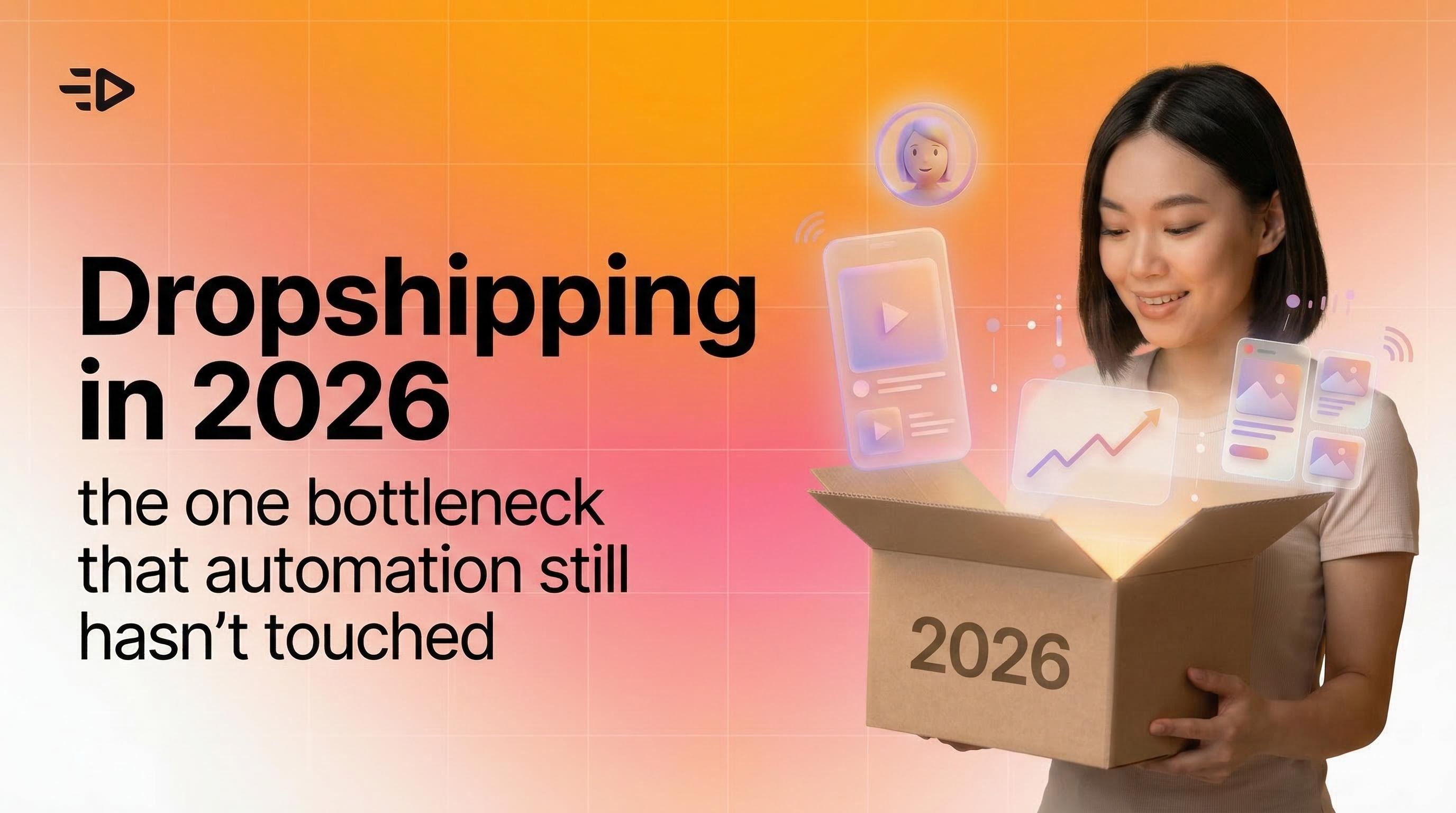
Dropshipping the one bottlenect that automation still hasnt touched
Creatify logo

Creatify Team

シェア

LinkedInアイコン
X アイコン
Facebookアイコン

この記事では

Dropshipping in 2026 looks nothing like it did five years ago. Supplier research, product listing, order fulfillment, customer service, pricing optimization - nearly all of it has been automated or made dramatically cheaper with AI tools. Creative production got solved too: AI platforms can now turn raw supplier images into studio-grade video ads in minutes. You can build and run a lean store with a fraction of the overhead that used to be required.

But one assumption is still costing operators weeks and hundreds of dollars per product: the idea that you need to order a sample before you can test anything.

That assumption made sense when creative production required physical access to the product. You needed the item in hand to shoot it. But that dependency is gone. In 2026, you can generate high-quality video ads from a handful of supplier photos - AI models wearing and demonstrating your product, cinematic product shots, UGC-style hooks - without touching the physical item. Which means the sample is no longer a prerequisite for testing. It's a reward for products that have already proven themselves.

The operators who've internalized this are testing 20, 30, 50 products at a time with minimal upfront cost, and only committing to samples and deeper production for the ones that return real signal. That's the gap this article is about closing.

What is dropshipping?

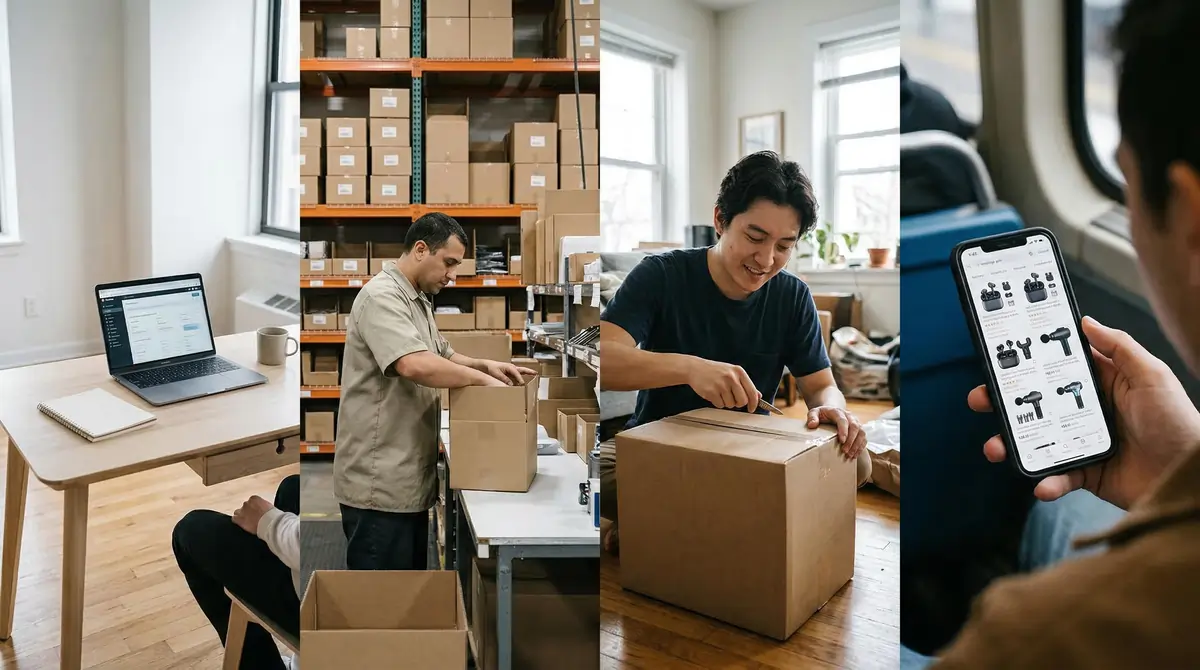
Packing product for dropshipping

Dropshipping is a retail fulfillment model where you sell products you don't physically stock. When a customer places an order, you purchase the item from a third-party supplier who ships it directly to them. You never touch the inventory.

The appeal is obvious: low upfront cost, no warehousing, the ability to list hundreds of products without capital risk. The challenge is also obvious: everyone has access to the same suppliers, the same product catalogs, and increasingly the same marketing tools. Differentiation comes from execution - specifically, how fast you can find what works and cut what doesn't.

Is dropshipping still profitable in 2026?

Yes, but the numbers require honest framing.

The global dropshipping market was valued at $365.67 billion in 2024 and is projected to grow at a CAGR of 22% through 2030, with the market estimated at $0.41 trillion in 2025 and expected to reach $1.12 trillion by 2030. The model is expanding, not contracting.

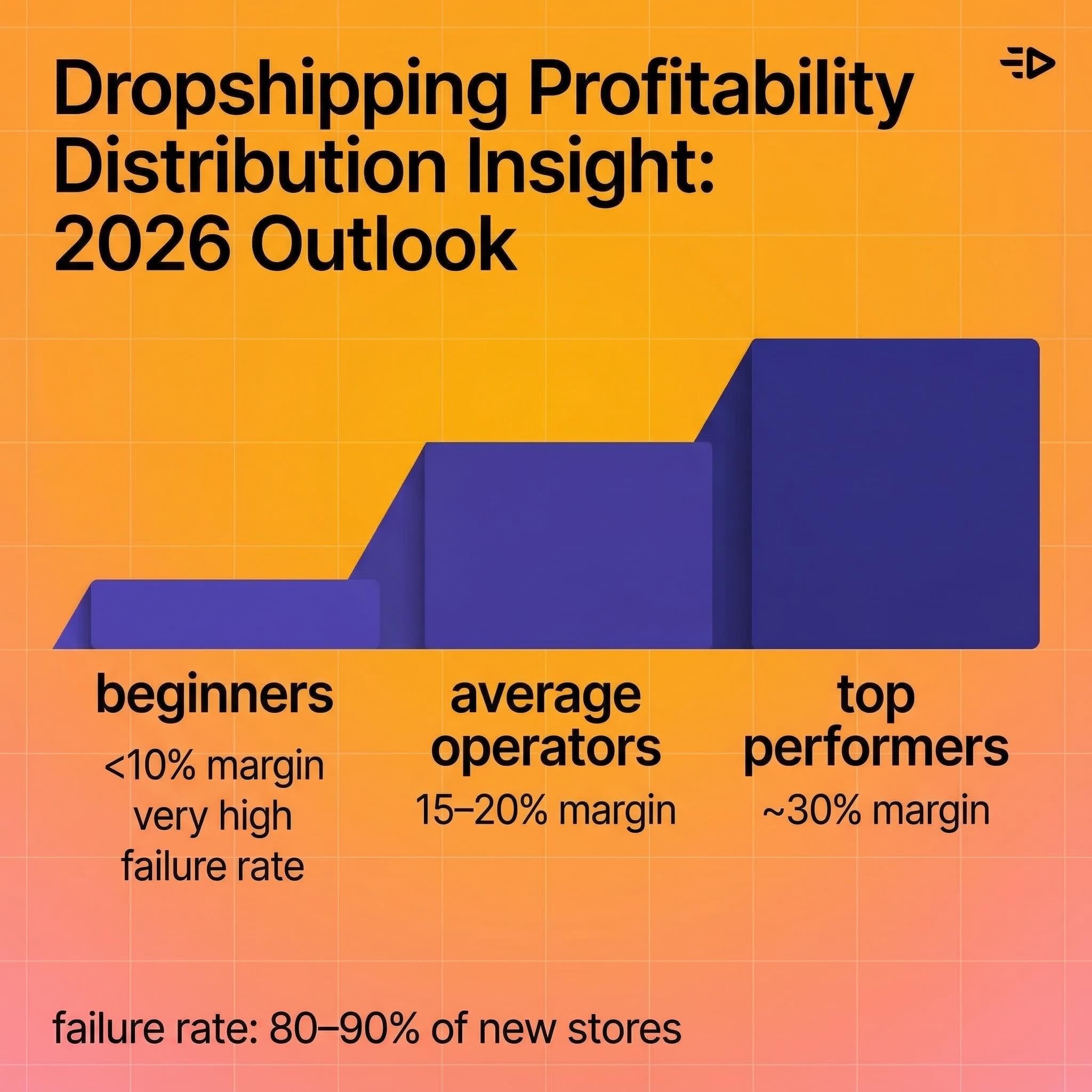
But market growth doesn't mean every operator is profitable. Most dropshippers run net margins of 15–20%, with high-performing stores reaching closer to 30% and beginners often falling below 10% or failing entirely. The failure rate across new dropshipping stores sits around 80–90% — a figure that reflects execution problems more than anything fundamentally wrong with the model.

Dropshipping profitability

Profitability in 2026 comes down to three things:

  • picking the right niches

  • building a testing system that finds winners before you've spent a lot of money on losers

  • running paid ads efficiently once you've identified what works.

The operators who've cracked this are making real money. Those still running single-product test campaigns with one static ad creative are not.

Dropshipping trends 2026

AI has automated the entire stack - including creative production

Product research, competitor analysis, pricing, fulfillment, customer service - AI tools have compressed the time and cost involved in every one of these. Creative production joined that list between 2023 and 2025. You can now generate studio-grade video ads from a product URL or a set of images in minutes. The full dropshipping operation can run leaner and faster than at any point in the model's history.

The one thing that hasn't changed is the habit of ordering a sample before running a single ad. That sequence was rational when you needed the physical product to make creative. It's no longer rational when AI tools can generate high-quality video from supplier photos before your sample has even shipped. The cost of testing a product before committing to a sample is now close to zero. The cost of not doing it is the same as it always was: weeks of delay and hundreds of dollars per product, multiplied across everything you test.

Short-form video is the primary acquisition channel

TikTok Shop, Instagram Reels, and YouTube Shorts have become the dominant discovery and purchase channels for dropshipping products. Social-commerce platforms are advancing at a 27.1% CAGR over 2025–2030, accelerating faster than any other sales channel. Static image ads still work, but video — specifically lo-fi, UGC-style video — is where the best CAC numbers live right now.

Testing volume beats creative quality

The brands winning on TikTok and Meta in 2026 are not the ones with the most polished creative. They're the ones testing the most angles. A dozen mediocre-to-good video variants will consistently outperform three excellent ones, because the algorithm needs volume to find its winners and the audience needs variety before fatigue sets in.

This matters for any operator still waiting on samples before testing: if creative volume is gated behind physical product, you're limited to two or three variants per test at best. That's not enough surface area to produce meaningful signal. It's guessing with extra steps.

Best dropshipping niches 2026

Dropshipping niches

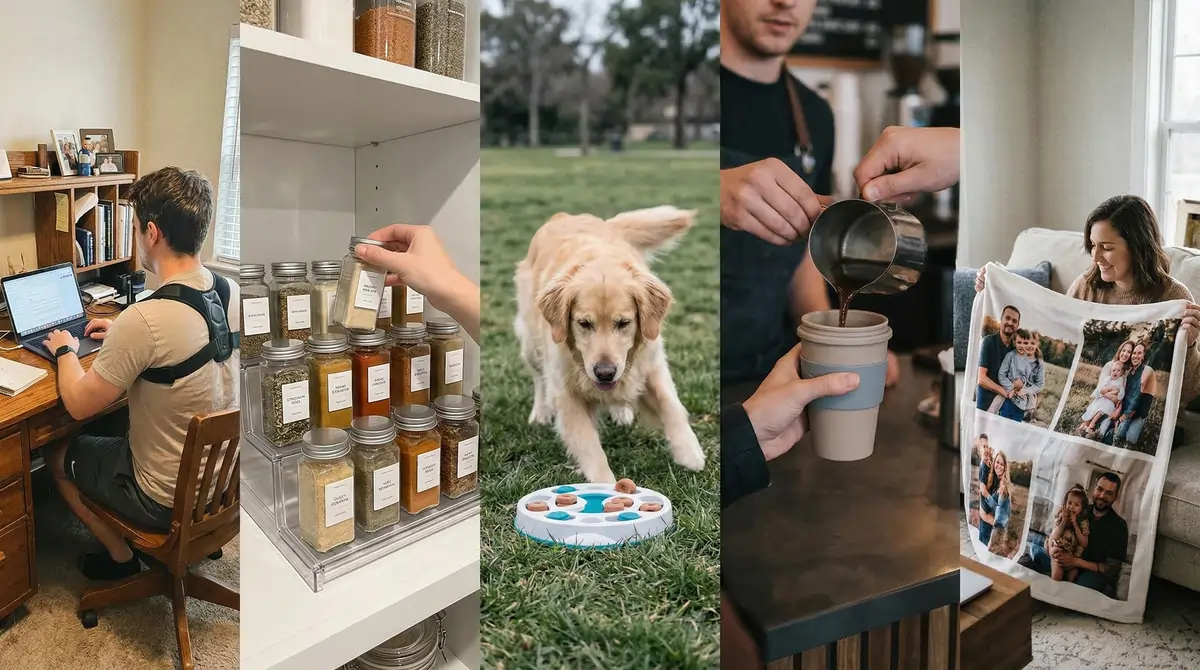
The strongest-performing categories going into 2026 share common traits: clear pain point or desire, visually demonstrable benefit, and enough search and social volume to sustain paid acquisition.

Health and wellness — wearable fitness tech, posture correctors, sleep aids, recovery tools. Benefit is demonstrable in video, and the target audience is large and consistently buying.

Home and organization — smart home devices, space-saving furniture, kitchen organization. Strong impulse-buy characteristics, especially when shown in a satisfying "before and after" format.

Pet products — accessories, grooming tools, enrichment toys. High emotional involvement, strong community on TikTok and Instagram, low creative production requirements.

Eco-friendly household products — reusable alternatives to single-use items. Growing consumer intent, and the "swap" format works well in short video.

Print-on-demand and personalized goods — lower margin but almost no risk, since production only happens after purchase.

The underlying principle is the same across all of these: choose categories where the product's benefit is visible in a 15–30 second video. If you can't demonstrate the value in a short clip, you're fighting the algorithm.

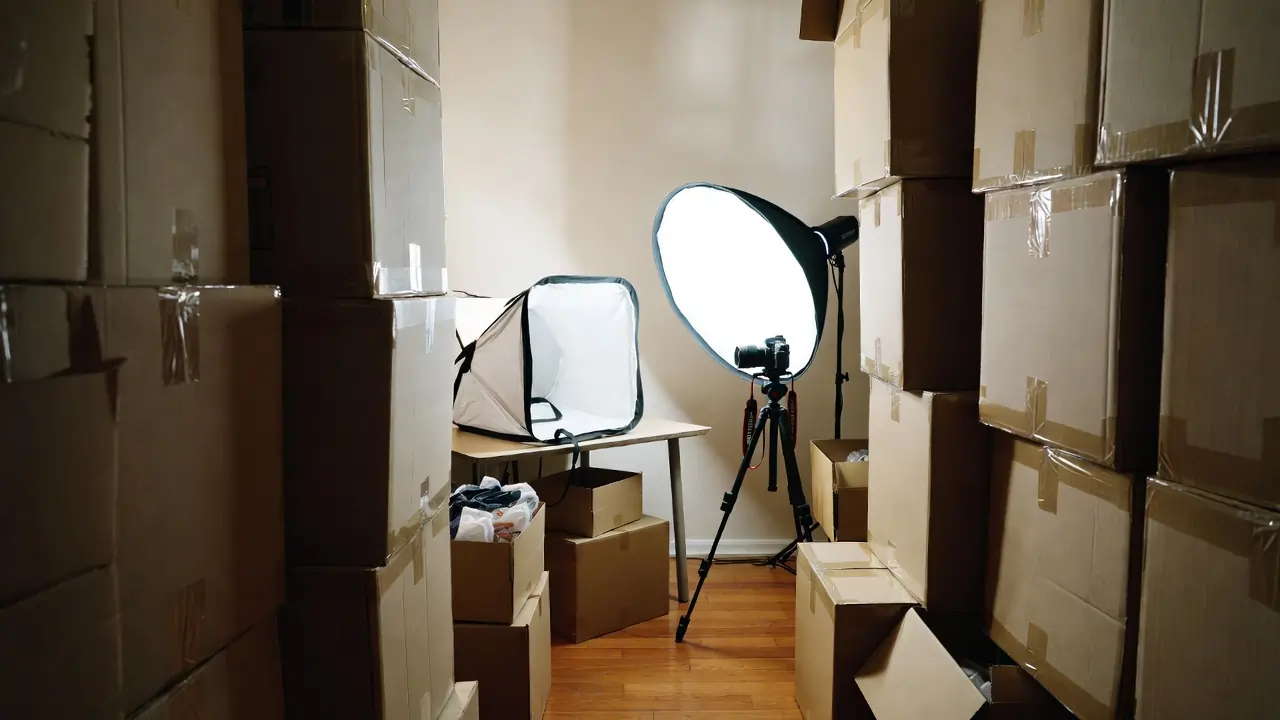
The real bottleneck: Still ordering samples before testing anything

Here's what most dropshippers still do in 2026:

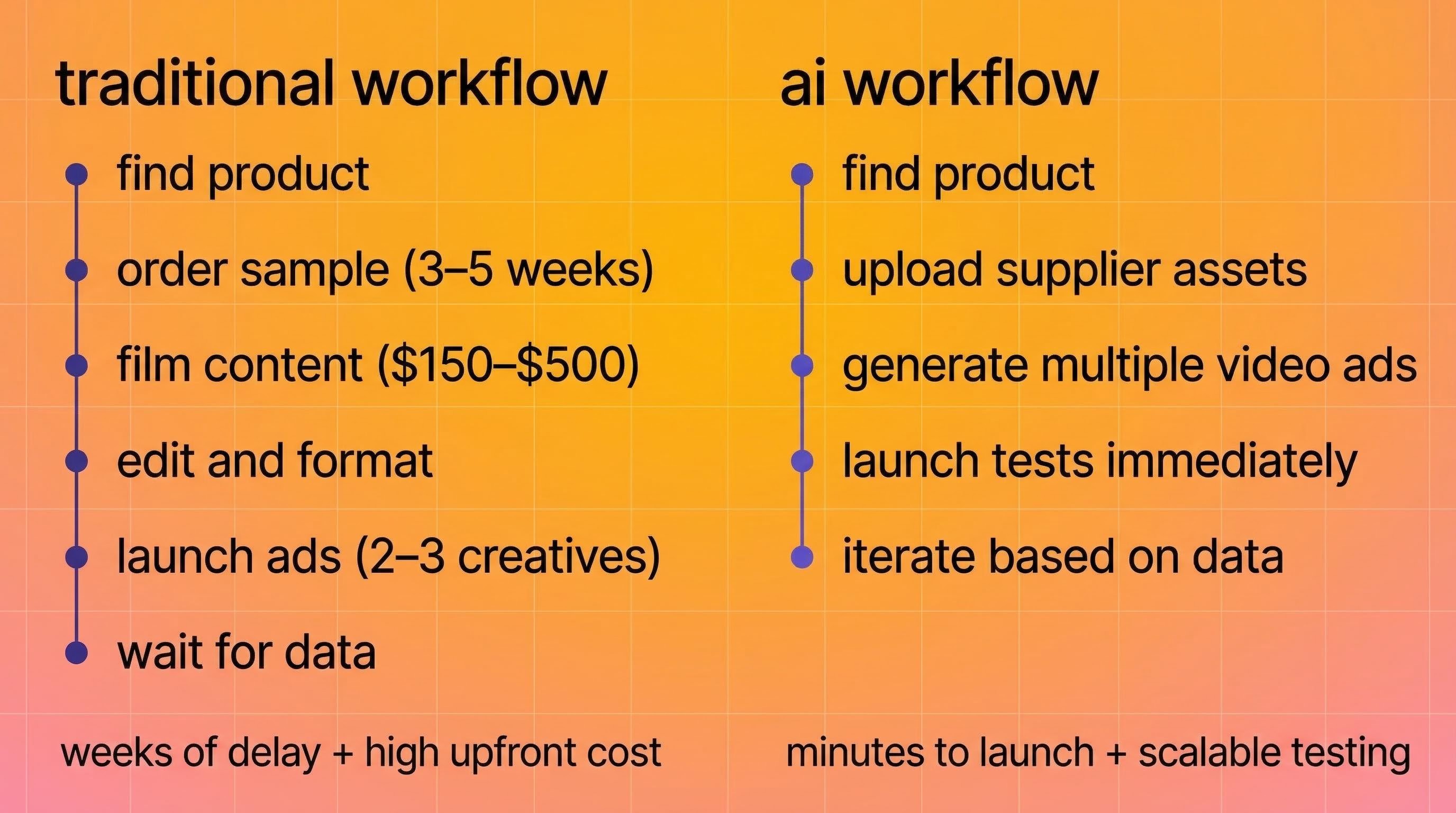
  1. Find an interesting product through supplier catalog or competitor research

  2. Order a sample — 3–5 weeks shipping time, $20–$100 cost

  3. Film content themselves or hire a UGC creator — $150–$500, another 1–2 weeks

  4. Edit, add captions, format for platform

  5. Launch first ad — often with only 2–3 creative variations

  6. Wait for data

Three to five weeks and $200–$600 spent before they know whether this product has any legs. Multiply that across five products being tested simultaneously and it becomes a serious constraint on how many bets you can run at once.

This sequence used to be unavoidable. You needed the sample because you needed to shoot it to make creative. That logic no longer holds. AI tools now turn raw supplier images into studio-grade video ads — cinematic product shots, UGC-style formats, AI models physically demonstrating the product — without the item ever being in the room. The creative dependency on the sample has been broken.

What hasn't changed is the habit. Operators who are still defaulting to sample-first are paying a weeks-long tax on every product test, for a reason that stopped being valid two years ago.

Read also: How to create an AI influencer in 2026: Step-by-step guide

Traditional and AI Workflow

How to test dropshipping products before your sample arrives

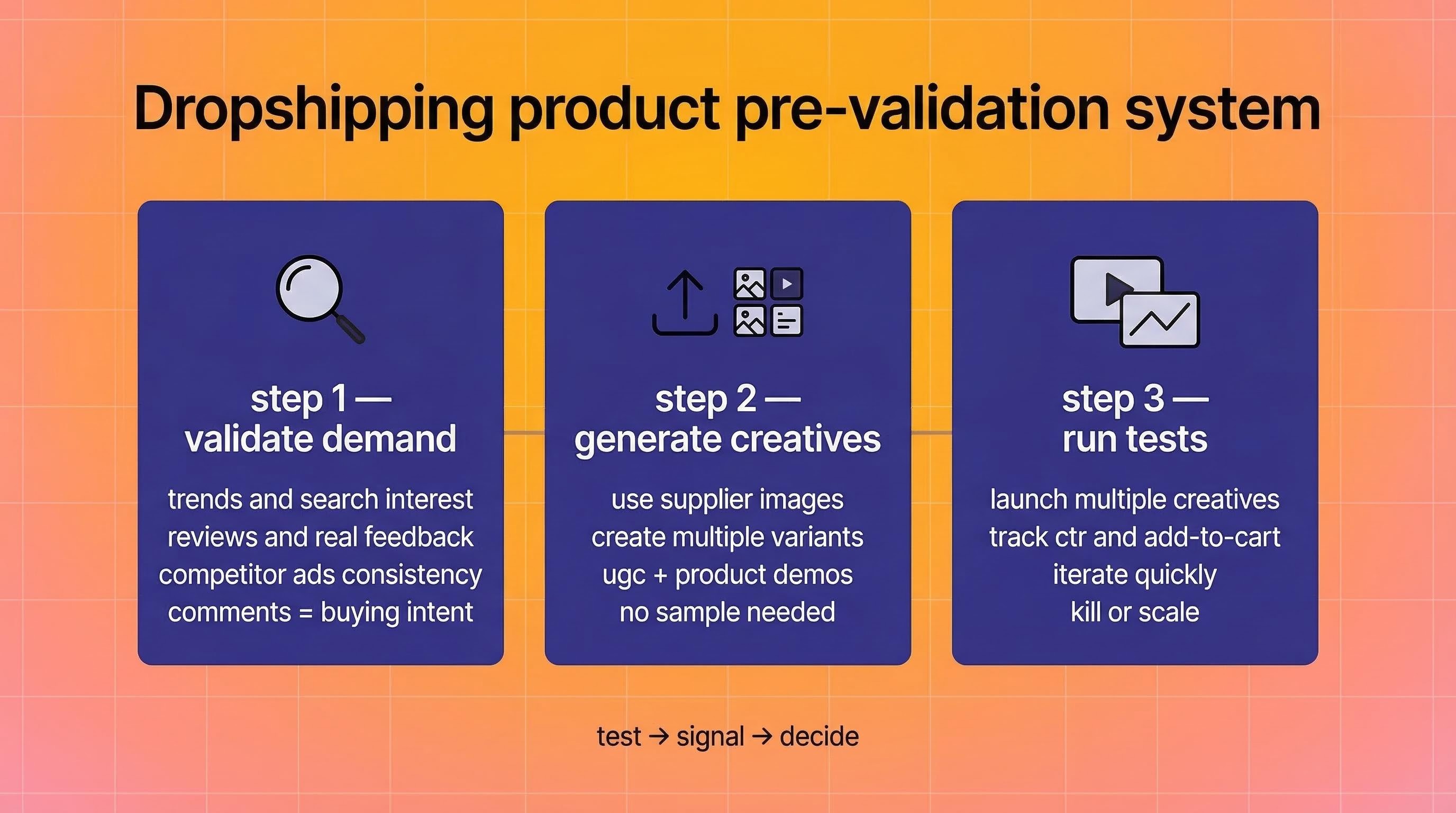
Step 1: Pre-validate with data before spending anything

Before investing in creative, confirm there's actual demand.

Check Google Trends for the product category — you want stable or rising interest, not a spike that's already peaked. Look at Amazon review volume for similar products; dense, detailed reviews mean buyers care about this category and talk to each other about it. Search TikTok and the Meta Ad Library for competitors advertising similar products consistently. Consistent advertising over weeks or months is a reliable proxy for profitability — nobody runs losing ads on purpose.

Organic TikTok comments are also underused as a validation tool. Post a simple video using supplier photos or a basic slideshow and read the comments. Questions about price, shipping, where to buy — that's buying intent. Silence or "lol" reactions means move on.

Step 2: Build testable creatives from supplier assets

You don't need a sample to start testing creative. You need a credible story and enough visual material to tell it.

Most supplier listings include multiple product photos, lifestyle shots, and sometimes short demo clips. The job is to turn those into something that looks native in a social feed — not polished, but purposeful.

This is where AI video generation changes the equation. Creatify's Product Video feature takes a single product image and generates professional video ads in minutes. The output includes multiple styles: cinematic product shots, dynamic UGC-style formats, and Product Avatar - where an AI model wears, holds, or demonstrates your product in a realistic video. No photoshoot, no creator coordination, no sample required.

The practical workflow: upload your supplier's product images to Creatify, generate 10–15 variants across different styles and hooks, and launch them as separate ad creatives. You're giving your paid campaigns meaningful variety to test — not one video with your fingers crossed, but a real experiment with enough surface area to produce signal.

Cost comparison: traditional production runs $1,000 or more per video and takes two to six weeks. Creatify's Product Video generates variations at around $1 per video in about two minutes.

Step 3: Run structured ad tests for early signals

The goal of a first test is not to scale — it's to detect early buying interest before committing further.

Run small daily budgets across multiple creatives. Watch CTR and add-to-cart rate as your primary early signals. A CTR above 1–1.5% on TikTok or Meta combined with meaningful add-to-cart activity tells you the hook is working and there's interest in the product. That's enough to justify ordering a sample and investing in deeper production.

Change one variable at a time: hook, product angle, avatar persona, price point in the copy. Let data make the kill decision, not intuition. Most products that look promising in research don't survive first contact with a real audience — the faster you find that out, the less money you've lost.

Pre-validation system

Dropshipping marketing strategies in 2026

Creative-led campaigns beat targeting-led campaigns

Targeting optimization has largely been handed to the algorithm. Meta and TikTok are sophisticated enough that broad audiences with strong creative almost always outperform narrow audiences with weak creative. Your time is better spent on hooks and angles than on audience segmentation.

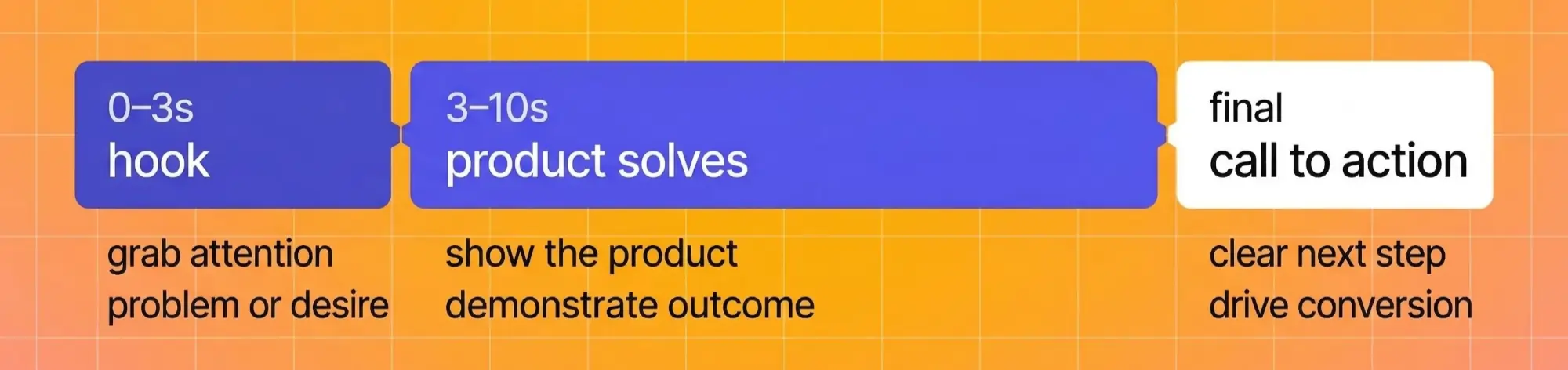
A strong dropshipping ad structure in 2026: first three seconds establish the problem or desire clearly, the middle section demonstrates the product solving it, the final seconds include a direct CTA. Lo-fi production helps — the ad should look like something a satisfied customer made, not a brand campaign.

Hook , product solves, call to action

Build a multi-channel testing stack

Organic TikTok for pre-validation, Meta for scale, TikTok ads for volume when you've confirmed a winner. Retargeting flows for anyone who added to cart but didn't purchase. Email or SMS follow-ups for post-purchase to build repeat business on the products that convert.

The entire stack should be optimized around speed. How fast can you get a new product from idea to live ad? The operators hitting the best numbers in 2026 have compressed this from weeks to days.

Dropshipping advertising: what formats work

Video ads in 9:16 vertical format dominate on both TikTok and Meta's Reels placement. Hook-first scripts — leading with the problem, the outcome, or a surprising claim — consistently outperform product-feature-led scripts. Testimonial and UGC-style framing (even AI-generated) outperforms polished studio creative.

Run at least five creative variants per product test. More is better. The platforms need volume to find winners, and you need variation to learn which angle resonates.

When to order samples and invest in deeper production

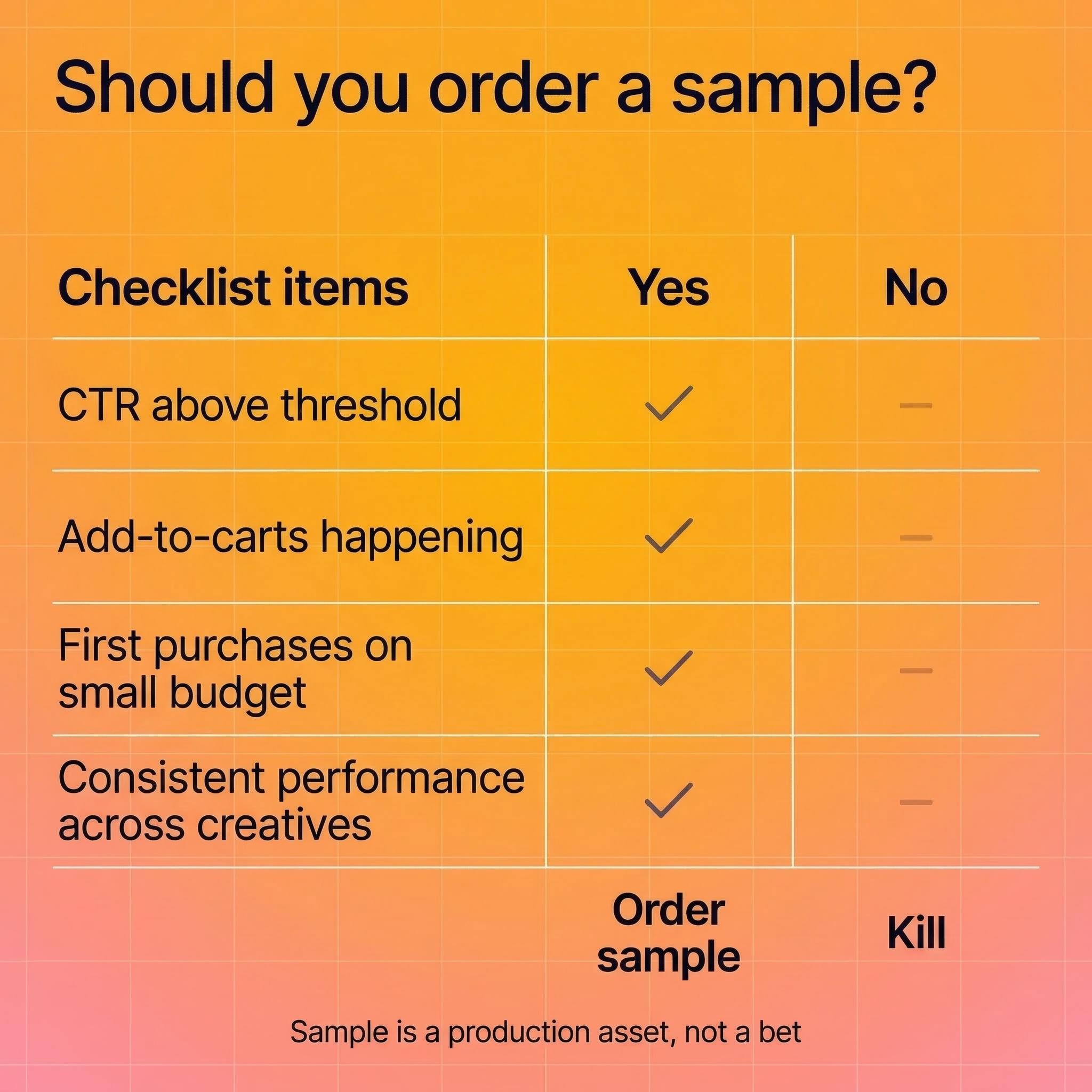
The right time to order a sample is after your first round of AI-generated creative tests returns clear signal: CTR above threshold, add-to-carts happening, maybe even a few purchases on limited budget.

At that point, you've validated demand with minimal capital risk. The sample becomes a production asset, not a bet. You film high-quality UGC, comparison content, in-depth demonstrations - creative that competitors running purely on supplier photos can't match. That's the real advantage of the testing-first approach: you only invest in products that have already earned it.

The products that don't show signal in the AI-generated test phase? Kill them fast. The sample money and the production money stay in your pocket and move to the next test.

Should you order a sample?

Common testing mistakes to avoid

Launching with only one creative. One video is not a test. It's a coin flip. You need multiple hooks and angles to produce meaningful data.

Testing with too small a budget. Spending $20 total on a product test doesn't generate enough impressions to draw conclusions. Set a real budget, hit meaningful impression volume, then make the call.

Chasing competitor creatives without understanding the angle. Copying the look of a competitor's ad without understanding why it works produces mediocre versions of something that already isn't yours. Study the underlying hook and emotional mechanism, then build your own version.

Holding onto losing products emotionally. If the data isn't there after a structured test, the product doesn't become a winner with more time or more spend. Cut it and move the budget to something with actual signal.

Waiting for the sample before testing anything. This is the most expensive mistake. Three weeks of delay multiplied across five products is fifteen weeks of opportunity cost. Test first, commit later.

The 2026 dropshipping operator mindset

The model is still profitable. The market is still growing at over 22% annually. But the edge in 2026 belongs to operators who've built systems — not to people who stumbled onto a winning product once.

That system has one core skill at its center: fast, structured product validation. Everything else — sourcing, fulfillment, customer service — has been commoditized. The operators who can test ten products in the time it used to take to test two, and who can do it without burning thousands on production before they have a single data point, are the ones building real businesses.

AI-generated video creative is one of the few remaining unfair advantages available to anyone willing to use it. The sample bottleneck still exists. It just no longer has to stop you from running your first real test.

Create your first product ad for free→

Frequently Asked Questions

Is dropshipping still profitable in 2026?

Yes. The global dropshipping market is projected to grow from around $365 billion in 2024 to over $1.2 trillion by 2030 at a 22% CAGR, per Grand View Research. Profitability depends on execution: most successful operators run 15–30% net margins. The failure rate remains high — around 80–90% — but that reflects poor testing discipline more than anything wrong with the model itself.

What is dropshipping and how does it work?

Dropshipping is a retail fulfillment model where you sell products without holding inventory. When a customer orders, you purchase the item from a third-party supplier who ships it directly to them. You earn the margin between your selling price and the supplier cost. It requires low upfront capital but demands strong marketing and testing discipline to be profitable.

What are the best dropshipping niches in 2026?

The strongest categories going into 2026 are health and wellness (wearables, recovery tools), home organization and smart home devices, pet accessories, eco-friendly household products, and personalized print-on-demand goods. The key criterion: can you demonstrate the product's value in a 15–30 second video? If yes, it has strong dropshipping potential.

What are the biggest dropshipping trends in 2026?

Three trends are shaping the market: AI automation has compressed nearly every operational task, short-form video (TikTok, Reels, Shorts) has become the primary acquisition channel, and testing speed has become the main competitive advantage. The operators performing best are those who can validate new products in days rather than weeks.

How do I test dropshipping products without a sample?

Pre-validate demand with Google Trends, Amazon review volume, and competitor ad research. Then use AI video tools like Creatify's Product Video feature to generate multiple ad variants from supplier images — including AI model demonstrations — without needing physical product. Run structured paid tests with 5–10 creative variants and watch for CTR and add-to-cart signal. Order the sample only after you've confirmed demand.

What are the best dropshipping marketing strategies in 2026?

Creative-led campaigns outperform targeting-led ones. Build multiple video hooks per product, use lo-fi UGC-style formats, and let the algorithm optimize toward the winners. Stack organic TikTok for pre-validation, Meta for scale, and retargeting for people who showed intent but didn't purchase. Compress the time from product idea to live ad as much as possible.

What's the difference between dropshipping and affiliate marketing?

Dropshipping makes you the merchant - you set prices, control the brand, handle customer service, and keep the full margin. Affiliate marketing earns you a commission (typically 5–15%) for driving traffic to someone else's product with no customer service or fulfillment responsibility. Dropshipping offers higher upside and more optimization levers; affiliate marketing has lower startup cost and almost no operational overhead.

How many creative variations should I test per product?

A minimum of five, ideally ten or more. Platforms need volume to find winning creative, and you need variation to learn which angle works. Launching with one or two variants produces insufficient data to make kill-or-scale decisions. AI video generation makes testing at this volume financially practical — the per-video cost drops to around $1 compared to hundreds of dollars for traditional production.

Dropshipping in 2026 looks nothing like it did five years ago. Supplier research, product listing, order fulfillment, customer service, pricing optimization - nearly all of it has been automated or made dramatically cheaper with AI tools. Creative production got solved too: AI platforms can now turn raw supplier images into studio-grade video ads in minutes. You can build and run a lean store with a fraction of the overhead that used to be required.

But one assumption is still costing operators weeks and hundreds of dollars per product: the idea that you need to order a sample before you can test anything.

That assumption made sense when creative production required physical access to the product. You needed the item in hand to shoot it. But that dependency is gone. In 2026, you can generate high-quality video ads from a handful of supplier photos - AI models wearing and demonstrating your product, cinematic product shots, UGC-style hooks - without touching the physical item. Which means the sample is no longer a prerequisite for testing. It's a reward for products that have already proven themselves.

The operators who've internalized this are testing 20, 30, 50 products at a time with minimal upfront cost, and only committing to samples and deeper production for the ones that return real signal. That's the gap this article is about closing.

What is dropshipping?

Packing product for dropshipping

Dropshipping is a retail fulfillment model where you sell products you don't physically stock. When a customer places an order, you purchase the item from a third-party supplier who ships it directly to them. You never touch the inventory.

The appeal is obvious: low upfront cost, no warehousing, the ability to list hundreds of products without capital risk. The challenge is also obvious: everyone has access to the same suppliers, the same product catalogs, and increasingly the same marketing tools. Differentiation comes from execution - specifically, how fast you can find what works and cut what doesn't.

Is dropshipping still profitable in 2026?

Yes, but the numbers require honest framing.

The global dropshipping market was valued at $365.67 billion in 2024 and is projected to grow at a CAGR of 22% through 2030, with the market estimated at $0.41 trillion in 2025 and expected to reach $1.12 trillion by 2030. The model is expanding, not contracting.

But market growth doesn't mean every operator is profitable. Most dropshippers run net margins of 15–20%, with high-performing stores reaching closer to 30% and beginners often falling below 10% or failing entirely. The failure rate across new dropshipping stores sits around 80–90% — a figure that reflects execution problems more than anything fundamentally wrong with the model.

Dropshipping profitability

Profitability in 2026 comes down to three things:

  • picking the right niches

  • building a testing system that finds winners before you've spent a lot of money on losers

  • running paid ads efficiently once you've identified what works.

The operators who've cracked this are making real money. Those still running single-product test campaigns with one static ad creative are not.

Dropshipping trends 2026

AI has automated the entire stack - including creative production

Product research, competitor analysis, pricing, fulfillment, customer service - AI tools have compressed the time and cost involved in every one of these. Creative production joined that list between 2023 and 2025. You can now generate studio-grade video ads from a product URL or a set of images in minutes. The full dropshipping operation can run leaner and faster than at any point in the model's history.

The one thing that hasn't changed is the habit of ordering a sample before running a single ad. That sequence was rational when you needed the physical product to make creative. It's no longer rational when AI tools can generate high-quality video from supplier photos before your sample has even shipped. The cost of testing a product before committing to a sample is now close to zero. The cost of not doing it is the same as it always was: weeks of delay and hundreds of dollars per product, multiplied across everything you test.

Short-form video is the primary acquisition channel

TikTok Shop, Instagram Reels, and YouTube Shorts have become the dominant discovery and purchase channels for dropshipping products. Social-commerce platforms are advancing at a 27.1% CAGR over 2025–2030, accelerating faster than any other sales channel. Static image ads still work, but video — specifically lo-fi, UGC-style video — is where the best CAC numbers live right now.

Testing volume beats creative quality

The brands winning on TikTok and Meta in 2026 are not the ones with the most polished creative. They're the ones testing the most angles. A dozen mediocre-to-good video variants will consistently outperform three excellent ones, because the algorithm needs volume to find its winners and the audience needs variety before fatigue sets in.

This matters for any operator still waiting on samples before testing: if creative volume is gated behind physical product, you're limited to two or three variants per test at best. That's not enough surface area to produce meaningful signal. It's guessing with extra steps.

Best dropshipping niches 2026

Dropshipping niches

The strongest-performing categories going into 2026 share common traits: clear pain point or desire, visually demonstrable benefit, and enough search and social volume to sustain paid acquisition.

Health and wellness — wearable fitness tech, posture correctors, sleep aids, recovery tools. Benefit is demonstrable in video, and the target audience is large and consistently buying.

Home and organization — smart home devices, space-saving furniture, kitchen organization. Strong impulse-buy characteristics, especially when shown in a satisfying "before and after" format.

Pet products — accessories, grooming tools, enrichment toys. High emotional involvement, strong community on TikTok and Instagram, low creative production requirements.

Eco-friendly household products — reusable alternatives to single-use items. Growing consumer intent, and the "swap" format works well in short video.

Print-on-demand and personalized goods — lower margin but almost no risk, since production only happens after purchase.

The underlying principle is the same across all of these: choose categories where the product's benefit is visible in a 15–30 second video. If you can't demonstrate the value in a short clip, you're fighting the algorithm.

The real bottleneck: Still ordering samples before testing anything

Here's what most dropshippers still do in 2026:

  1. Find an interesting product through supplier catalog or competitor research

  2. Order a sample — 3–5 weeks shipping time, $20–$100 cost

  3. Film content themselves or hire a UGC creator — $150–$500, another 1–2 weeks

  4. Edit, add captions, format for platform

  5. Launch first ad — often with only 2–3 creative variations

  6. Wait for data

Three to five weeks and $200–$600 spent before they know whether this product has any legs. Multiply that across five products being tested simultaneously and it becomes a serious constraint on how many bets you can run at once.

This sequence used to be unavoidable. You needed the sample because you needed to shoot it to make creative. That logic no longer holds. AI tools now turn raw supplier images into studio-grade video ads — cinematic product shots, UGC-style formats, AI models physically demonstrating the product — without the item ever being in the room. The creative dependency on the sample has been broken.

What hasn't changed is the habit. Operators who are still defaulting to sample-first are paying a weeks-long tax on every product test, for a reason that stopped being valid two years ago.

Read also: How to create an AI influencer in 2026: Step-by-step guide

Traditional and AI Workflow

How to test dropshipping products before your sample arrives

Step 1: Pre-validate with data before spending anything

Before investing in creative, confirm there's actual demand.

Check Google Trends for the product category — you want stable or rising interest, not a spike that's already peaked. Look at Amazon review volume for similar products; dense, detailed reviews mean buyers care about this category and talk to each other about it. Search TikTok and the Meta Ad Library for competitors advertising similar products consistently. Consistent advertising over weeks or months is a reliable proxy for profitability — nobody runs losing ads on purpose.

Organic TikTok comments are also underused as a validation tool. Post a simple video using supplier photos or a basic slideshow and read the comments. Questions about price, shipping, where to buy — that's buying intent. Silence or "lol" reactions means move on.

Step 2: Build testable creatives from supplier assets

You don't need a sample to start testing creative. You need a credible story and enough visual material to tell it.

Most supplier listings include multiple product photos, lifestyle shots, and sometimes short demo clips. The job is to turn those into something that looks native in a social feed — not polished, but purposeful.

This is where AI video generation changes the equation. Creatify's Product Video feature takes a single product image and generates professional video ads in minutes. The output includes multiple styles: cinematic product shots, dynamic UGC-style formats, and Product Avatar - where an AI model wears, holds, or demonstrates your product in a realistic video. No photoshoot, no creator coordination, no sample required.

The practical workflow: upload your supplier's product images to Creatify, generate 10–15 variants across different styles and hooks, and launch them as separate ad creatives. You're giving your paid campaigns meaningful variety to test — not one video with your fingers crossed, but a real experiment with enough surface area to produce signal.

Cost comparison: traditional production runs $1,000 or more per video and takes two to six weeks. Creatify's Product Video generates variations at around $1 per video in about two minutes.

Step 3: Run structured ad tests for early signals

The goal of a first test is not to scale — it's to detect early buying interest before committing further.

Run small daily budgets across multiple creatives. Watch CTR and add-to-cart rate as your primary early signals. A CTR above 1–1.5% on TikTok or Meta combined with meaningful add-to-cart activity tells you the hook is working and there's interest in the product. That's enough to justify ordering a sample and investing in deeper production.

Change one variable at a time: hook, product angle, avatar persona, price point in the copy. Let data make the kill decision, not intuition. Most products that look promising in research don't survive first contact with a real audience — the faster you find that out, the less money you've lost.

Pre-validation system

Dropshipping marketing strategies in 2026

Creative-led campaigns beat targeting-led campaigns

Targeting optimization has largely been handed to the algorithm. Meta and TikTok are sophisticated enough that broad audiences with strong creative almost always outperform narrow audiences with weak creative. Your time is better spent on hooks and angles than on audience segmentation.

A strong dropshipping ad structure in 2026: first three seconds establish the problem or desire clearly, the middle section demonstrates the product solving it, the final seconds include a direct CTA. Lo-fi production helps — the ad should look like something a satisfied customer made, not a brand campaign.

Hook , product solves, call to action

Build a multi-channel testing stack

Organic TikTok for pre-validation, Meta for scale, TikTok ads for volume when you've confirmed a winner. Retargeting flows for anyone who added to cart but didn't purchase. Email or SMS follow-ups for post-purchase to build repeat business on the products that convert.

The entire stack should be optimized around speed. How fast can you get a new product from idea to live ad? The operators hitting the best numbers in 2026 have compressed this from weeks to days.

Dropshipping advertising: what formats work

Video ads in 9:16 vertical format dominate on both TikTok and Meta's Reels placement. Hook-first scripts — leading with the problem, the outcome, or a surprising claim — consistently outperform product-feature-led scripts. Testimonial and UGC-style framing (even AI-generated) outperforms polished studio creative.

Run at least five creative variants per product test. More is better. The platforms need volume to find winners, and you need variation to learn which angle resonates.

When to order samples and invest in deeper production

The right time to order a sample is after your first round of AI-generated creative tests returns clear signal: CTR above threshold, add-to-carts happening, maybe even a few purchases on limited budget.

At that point, you've validated demand with minimal capital risk. The sample becomes a production asset, not a bet. You film high-quality UGC, comparison content, in-depth demonstrations - creative that competitors running purely on supplier photos can't match. That's the real advantage of the testing-first approach: you only invest in products that have already earned it.

The products that don't show signal in the AI-generated test phase? Kill them fast. The sample money and the production money stay in your pocket and move to the next test.

Should you order a sample?

Common testing mistakes to avoid

Launching with only one creative. One video is not a test. It's a coin flip. You need multiple hooks and angles to produce meaningful data.

Testing with too small a budget. Spending $20 total on a product test doesn't generate enough impressions to draw conclusions. Set a real budget, hit meaningful impression volume, then make the call.

Chasing competitor creatives without understanding the angle. Copying the look of a competitor's ad without understanding why it works produces mediocre versions of something that already isn't yours. Study the underlying hook and emotional mechanism, then build your own version.

Holding onto losing products emotionally. If the data isn't there after a structured test, the product doesn't become a winner with more time or more spend. Cut it and move the budget to something with actual signal.

Waiting for the sample before testing anything. This is the most expensive mistake. Three weeks of delay multiplied across five products is fifteen weeks of opportunity cost. Test first, commit later.

The 2026 dropshipping operator mindset

The model is still profitable. The market is still growing at over 22% annually. But the edge in 2026 belongs to operators who've built systems — not to people who stumbled onto a winning product once.

That system has one core skill at its center: fast, structured product validation. Everything else — sourcing, fulfillment, customer service — has been commoditized. The operators who can test ten products in the time it used to take to test two, and who can do it without burning thousands on production before they have a single data point, are the ones building real businesses.

AI-generated video creative is one of the few remaining unfair advantages available to anyone willing to use it. The sample bottleneck still exists. It just no longer has to stop you from running your first real test.

Create your first product ad for free→

Frequently Asked Questions

Is dropshipping still profitable in 2026?

Yes. The global dropshipping market is projected to grow from around $365 billion in 2024 to over $1.2 trillion by 2030 at a 22% CAGR, per Grand View Research. Profitability depends on execution: most successful operators run 15–30% net margins. The failure rate remains high — around 80–90% — but that reflects poor testing discipline more than anything wrong with the model itself.

What is dropshipping and how does it work?

Dropshipping is a retail fulfillment model where you sell products without holding inventory. When a customer orders, you purchase the item from a third-party supplier who ships it directly to them. You earn the margin between your selling price and the supplier cost. It requires low upfront capital but demands strong marketing and testing discipline to be profitable.

What are the best dropshipping niches in 2026?

The strongest categories going into 2026 are health and wellness (wearables, recovery tools), home organization and smart home devices, pet accessories, eco-friendly household products, and personalized print-on-demand goods. The key criterion: can you demonstrate the product's value in a 15–30 second video? If yes, it has strong dropshipping potential.

What are the biggest dropshipping trends in 2026?

Three trends are shaping the market: AI automation has compressed nearly every operational task, short-form video (TikTok, Reels, Shorts) has become the primary acquisition channel, and testing speed has become the main competitive advantage. The operators performing best are those who can validate new products in days rather than weeks.

How do I test dropshipping products without a sample?

Pre-validate demand with Google Trends, Amazon review volume, and competitor ad research. Then use AI video tools like Creatify's Product Video feature to generate multiple ad variants from supplier images — including AI model demonstrations — without needing physical product. Run structured paid tests with 5–10 creative variants and watch for CTR and add-to-cart signal. Order the sample only after you've confirmed demand.

What are the best dropshipping marketing strategies in 2026?

Creative-led campaigns outperform targeting-led ones. Build multiple video hooks per product, use lo-fi UGC-style formats, and let the algorithm optimize toward the winners. Stack organic TikTok for pre-validation, Meta for scale, and retargeting for people who showed intent but didn't purchase. Compress the time from product idea to live ad as much as possible.

What's the difference between dropshipping and affiliate marketing?

Dropshipping makes you the merchant - you set prices, control the brand, handle customer service, and keep the full margin. Affiliate marketing earns you a commission (typically 5–15%) for driving traffic to someone else's product with no customer service or fulfillment responsibility. Dropshipping offers higher upside and more optimization levers; affiliate marketing has lower startup cost and almost no operational overhead.

How many creative variations should I test per product?

A minimum of five, ideally ten or more. Platforms need volume to find winning creative, and you need variation to learn which angle works. Launching with one or two variants produces insufficient data to make kill-or-scale decisions. AI video generation makes testing at this volume financially practical — the per-video cost drops to around $1 compared to hundreds of dollars for traditional production.

Icon
Icon

あなたの製品を魅力的なビデオに変える準備はできましたか?

マーケティングを加速する準備はできましたか?

AIが生成した動画広告で新製品のアイデアを数分でテストしましょう

矢印アイコン。
Gradient

マーケティングを加速する準備はできましたか?

AIが生成した動画広告で新製品のアイデアを数分でテストしましょう

矢印アイコン。
Gradient

マーケティングを加速する準備はできましたか?

AIが生成した動画広告で新製品のアイデアを数分でテストしましょう

矢印アイコン。
Gradient

マーケティングを加速する準備はできましたか?

AIが生成した動画広告で新製品のアイデアを数分でテストしましょう

矢印アイコン。
Gradient
Gradient