
Pada tahun 2016, JPMorgan Chase menjalankan eksperimen senyap. Mereka membiarkan AI menulis teks iklannya dan mengadu versi mesin tersebut secara langsung dengan teks buatan pemasar manusia mereka sendiri. AI menang. Iklan yang menggunakan susunan katanya menghasilkan rasio klik-tayang hingga 450% lebih tinggi daripada iklan yang ditulis manusia. Beberapa tahun kemudian, bank tersebut menandatangani kesepakatan lima tahun untuk menggunakannya di seluruh perusahaan.
Itulah versi pemasaran berbasis AI yang dibayangkan kebanyakan orang: robot yang menulis tweet dengan lebih baik. Realitanya jauh lebih besar. AI kini menjadi sistem dasar dalam pemasaran, hal yang menentukan apa yang dibuat, siapa yang melihatnya, dan apa pesannya. Panduan ini menjelaskan apa itu pemasaran berbasis AI, menunjukkan bagaimana merek-merek terbesar menggunakannya, dan membahas dua pergeseran yang akan mengubah aturan main sekali lagi.
Apa itu pemasaran berbasis AI
Pemasaran berbasis AI adalah penggunaan kecerdasan buatan untuk memprediksi, membuat, dan mempersonalisasi seluruh perjalanan pelanggan, mulai dari iklan pertama yang dilihat seseorang hingga email yang memenangkan mereka kembali. Singkirkan jargon-jargon rumit, pemasaran ini digerakkan oleh tiga mesin utama.
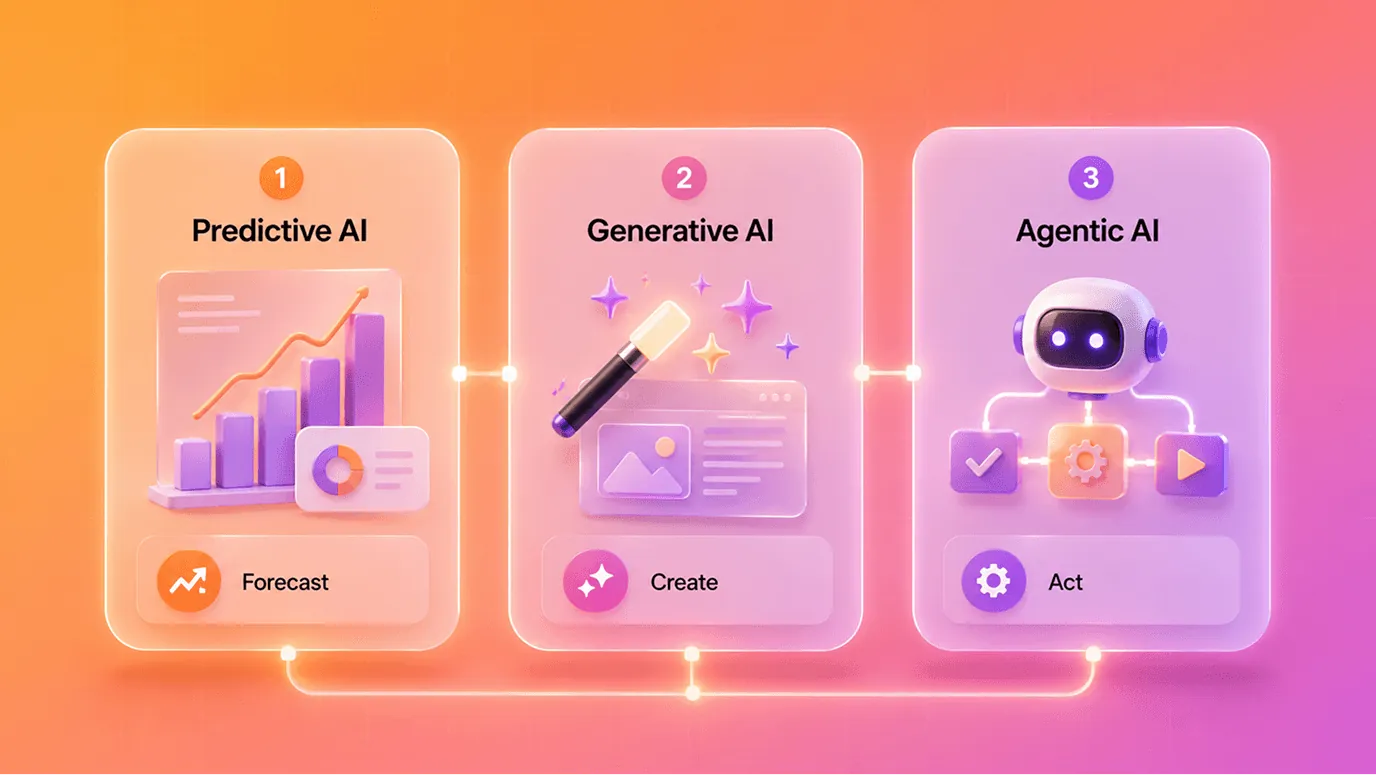
Yang pertama adalah predictive AI, sang peramal. Mesin ini membaca data Anda untuk menjawab pertanyaan-pertanyaan yang biasanya ditebak oleh manusia: siapa yang akan membeli, siapa yang akan pergi, berapa nilai seorang pelanggan, dan prospek mana yang layak dihubungi. Ini adalah bagian tertua dan paling sederhana dari pemasaran AI, dan secara diam-diam mendorong banyak hasil nyata.
Yang kedua adalah generative AI, sang pembuat. Ini adalah bagian yang mulai dikenal semua orang pada tahun 2023: model yang menulis salinan teks, menghasilkan gambar dan video, serta mengembangkan satu ide menjadi lima puluh variasi. Inilah yang mengubah produksi konten dari yang awalnya merupakan hambatan menjadi keran yang bisa Anda putar kapan saja.
Yang ketiga adalah agentic AI, sang pelaksana. Masih baru dan belum banyak terbukti, ini adalah sistem yang mengambil tindakan sendiri: menyesuaikan anggaran, meluncurkan kampanye, dan, semakin sering, bertindak atas nama pelanggan. Kita akan membahas pergeseran itu nanti, karena ini adalah salah satu hal yang belum diperhitungkan oleh sebagian besar pemasar.
Sebagian besar teknologi pemasaran AI yang sebenarnya memadukan ketiganya. Sebuah model memprediksi siapa yang kemungkinan besar akan churn, sistem generatif menulis penawaran untuk memenangkan mereka kembali, dan alur kerja otomatis mengirimkannya pada saat setiap orang paling mungkin membukanya.
Mengapa setiap tim pemasaran saling berebut
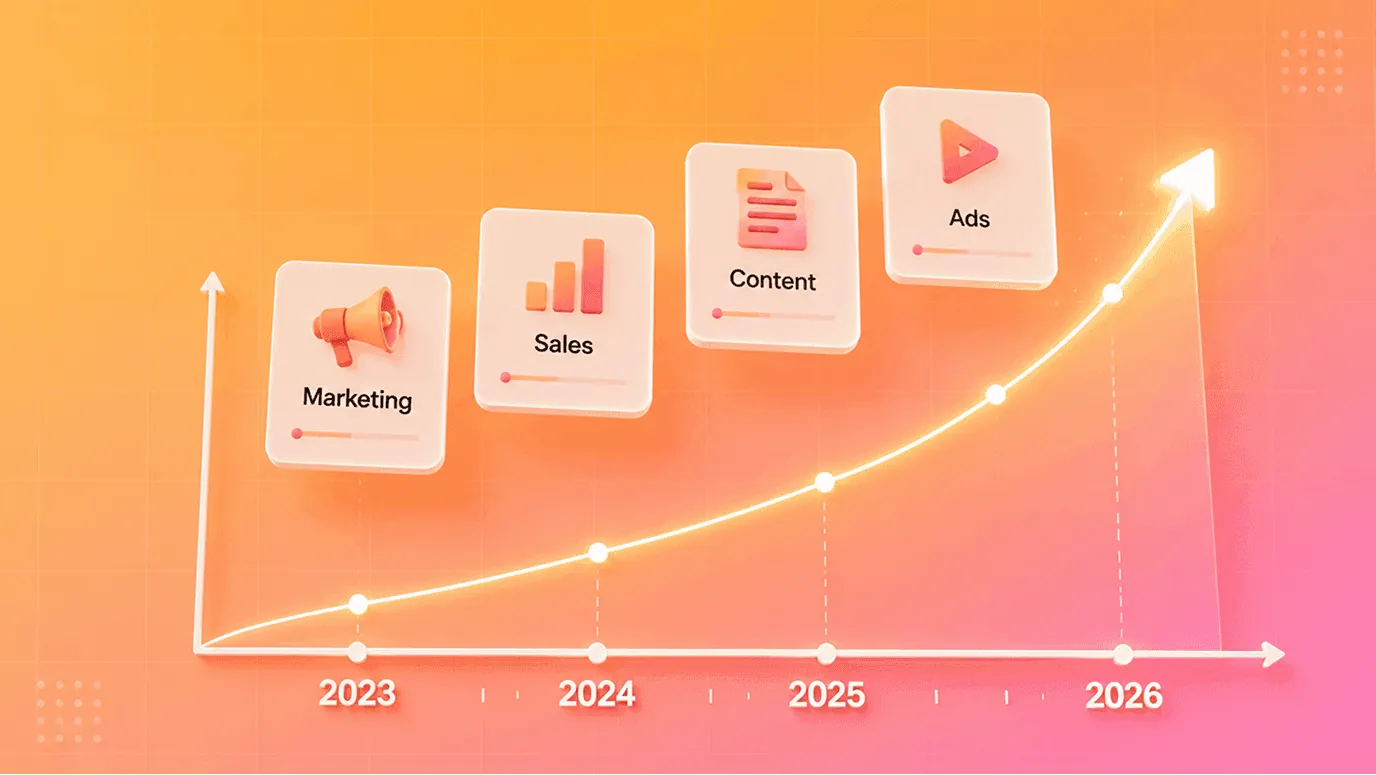
Urgensi ini bermuara pada matematika sederhana. McKinsey memperkirakan AI generatif dapat memberikan kontribusi hingga $4,4 triliun per tahun bagi ekonomi global, dan menemukan bahwa empat fungsi bisnis akan menangkap sekitar tiga perempat dari nilai tersebut. Pemasaran dan penjualan berada di urutan teratas daftar itu. Ketika orang-orang yang menasihati perusahaan Fortune 500 memberi tahu mereka bahwa hasil terbesar dari AI adalah di bidang pemasaran, anggaran pun bergerak cepat.
Hasilnya adalah perebutan wilayah. Tim yang mengetahui di mana AI benar-benar membantu akan melesat maju, dan mereka yang memperlakukannya sebagai hal baru yang sekadar unik secara diam-diam akan tertinggal. Jadi, mari kita lihat merek-merek yang sudah menerapkannya.
Bagaimana merek-merek besar melakukannya
Cara terbaik untuk memahami pemasaran berbasis AI adalah dengan melihat di mana ia telah menghasilkan metrik yang nyata.
Netflix mengubah personalisasi menjadi parit pertahanan mereka. Barisan konten yang Anda gulir, gambar poster yang Anda lihat, saran "karena Anda menonton", semuanya adalah AI yang membaca perilaku Anda dan semua orang lainnya. Netflix menyatakan bahwa sistem rekomendasinya mendorong sekitar 80% dari apa yang ditonton orang dan menghemat lebih dari $1 miliar per tahun dengan mencegah pelanggan membatalkan langganan. Pelajaran untuk merek apa pun: relevansi adalah retensi. Semakin tepat Anda mencocokkan apa yang Anda tunjukkan dengan apa yang diinginkan seseorang, semakin lama mereka bertahan.
JPMorgan Chase membiarkan mesin menulis. Eksperimen peningkatan 450% di awal artikel ini bukanlah kejadian sekali saja. Bank tersebut menguji teks yang dihasilkan AI terhadap pemasar mereka sendiri untuk produk kartu kredit dan KPR, mesin tersebut secara konsisten menang dalam hal interaksi (engagement), dan Chase berkomitmen untuk menerapkannya di seluruh perusahaan. Pelajarannya: perlakukan naluri copywriter terbaik Anda sebagai sebuah hipotesis. Buat variasi, uji terhadap klik yang nyata, dan biarkan audiens yang memberikan keputusan.
Amazon dan Spotify membangun lingkaran kebiasaan. Rekomendasi produk Amazon dan Discover Weekly serta Wrapped dari Spotify adalah ide yang sama dalam kemasan berbeda: AI mempelajari perilaku untuk menyajikan sesuatu yang sangat relevan sehingga terasa personal. Sephora melakukannya di industri kecantikan, menggunakan AI dan AR agar pembeli dapat mencoba produk secara virtual sebelum membeli. Bagian yang menarik adalah bahwa dalam setiap kasus, AI dibangun ke dalam produk itu sendiri, membentuk apa yang dilihat dan dilakukan pelanggan, yang merupakan tempat keunggulan pemasaran terdalam sekarang berada.
Pola di semua merek tersebut sama: masing-masing mengarahkan AI ke pekerjaan spesifik bernilai tinggi—personalisasi, pengujian kreatif, atau penemuan produk—dan membangun kembali pekerjaan tersebut di sekitarnya.
Dua pergeseran yang belum Anda perhitungkan
Inilah bagian yang membedakan pemahaman sekilas dengan pemahaman yang mendalam. Selain membuat pemasaran saat ini menjadi lebih cepat, AI mengubah dua hal mendasar, seperti yang dipaparkan Harvard Business Review pada awal tahun 2026. Lewatkan hal ini, maka strategi Anda yang lain akan cepat usang.
Pergeseran pertama: penemuan (discovery) beralih dari pencarian ke jawaban langsung. Selama dua puluh tahun, agar dapat ditemukan berarti harus berada di peringkat atas Google. Sekarang, semakin banyak orang bertanya ke ChatGPT, Perplexity, atau ringkasan AI dan menerima jawaban yang disintesis tanpa mengeklik apa pun. Hal itu mengubah penemuan menjadi kompetisi baru: alih-alih mengoptimalkan peringkat halaman, Anda mencoba menjadi sumber yang dikutip model saat memberikan jawaban. Para pemasar mulai mengoptimalkan hal itu secara langsung, menyusun konten dan data agar sistem AI dapat menemukan, memercayai, dan mengutip mereka. Anggap ini sebagai penerus SEO.
Pergeseran kedua: pembeli mungkin adalah sebuah mesin. Orang-orang mulai menyerahkan riset dan bahkan pembelian kepada agen AI yang membandingkan opsi dan memutuskan atas nama mereka. Ketika hal ini meluas, Anda tidak lagi hanya membujuk manusia dengan iklan yang cerdas. Anda juga memberi makan mesin yang membaca data produk, spesifikasi, dan ulasan Anda untuk menilai apakah akan merekomendasikan Anda. Memasarkan ke algoritma, dengan data terstruktur yang bersih dan informasi produk yang mudah dibaca, menjadi pekerjaan yang nyata seperti halnya memasarkan ke manusia. Merek-merek yang bersiap untuk kedua audiens ini sekarang akan memiliki awal yang lebih maju ketika hal ini menjadi normal.
Cara memulai pemasaran digital AI
Semua ini tidak memerlukan langkah yang ekstrem. Merek yang mendapatkan hasil dari pemasaran digital dan AI memulainya dari hal kecil lalu mengembangkannya.
Perbaiki data Anda terlebih dahulu. AI hanya akan sebagus data yang Anda berikan, dan model yang diarahkan pada data pelanggan yang berantakan dan tersebar akan menghasilkan omong kosong yang meyakinkan. Bersihkan data pihak pertama Anda dan kumpulkan di satu tempat sebelum Anda mengharapkan keajaiban.
Kemudian mulailah dengan satu pekerjaan. Hasil tercepat bagi sebagian besar tim adalah produksi kreatif, karena ini adalah hambatan yang paling jelas dan paling mudah diukur. Di sinilah Creatify Agent berperan: berikan brief dan ia akan meriset merek serta kompetitor Anda, menulis naskah, memilih avatar, dan menghasilkan variasi iklan jadi dari awal hingga akhir. Padukan dengan Creatify's AI Media Buyer, yang terhubung ke akun Meta, Google, dan TikTok Anda untuk meluncurkan variasi tersebut, menampilkan apa yang berhasil, dan mengalihkan anggaran ke yang paling unggul. Bersama-sama, mereka menutup lingkaran yang sama seperti yang dibuktikan oleh JPMorgan: buat variasi, lalu biarkan performa nyata yang menentukan. Kuasai satu alur kerja, lalu kembangkan ke alur kerja berikutnya.
Tetap libatkan manusia dalam prosesnya. Peran pemasar bergeser dari membuat setiap aset secara manual menjadi mengarahkan sistem, mengedit hasilnya, serta memegang kendali atas selera estetika dan citra merek. Tetapkan filter persetujuan yang jelas pada apa pun yang akan ditayangkan. Kemudian ukur secara jujur, dan kembangkan alur kerja yang menghasilkan keuntungan daripada menyebarkan energi Anda secara sia-sia ke setiap alat baru yang menarik perhatian.
Baca juga: Kecerdasan periklanan: cara membaca iklan kompetitor
Mana yang nyata dan mana yang masih sekadar hype
Dua hal ini menjaga kita tetap realistis. Pemasaran AI itu berhasil, namun ada juga janji-janji yang terlalu berlebihan dalam beberapa hal spesifik yang perlu disebutkan.
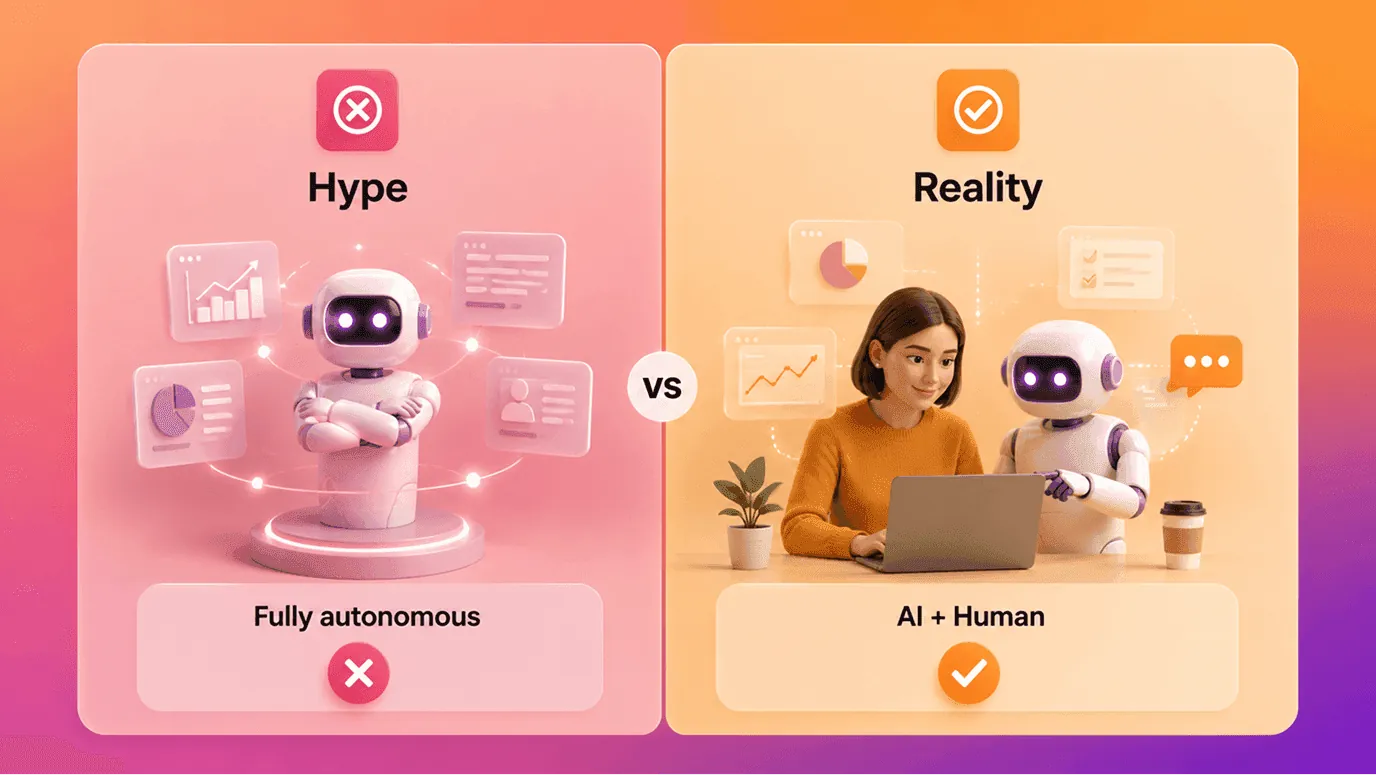
Hype yang berlebihan adalah departemen pemasaran yang sepenuhnya otonom. Terlepas dari pembicaraan tentang agen AI, AI tidak dapat mengambil alih strategi, penilaian subjektif, atau selera merek, dan perusahaan yang berpura-pura sebaliknya cenderung menghasilkan banyak konten yang membosankan dan seragam. Ada dampak nyata jika salah menerapkannya juga: Forrester memperkirakan bahwa pada tahun 2026 sebagian merek akan mengikis kepercayaan pelanggan dengan layanan mandiri AI yang kaku dan personalisasi dangkal yang justru lebih mengganggu daripada membantu.
Yang nyata adalah AI sebagai pengganda kekuatan bagi pemasar yang andal: konten lebih cepat, penargetan lebih tajam, pengujian lebih baik, dan personalisasi pada skala yang tidak dapat ditandingi oleh manusia secara manual. Tim yang menang dengannya mengarahkannya pada pertumbuhan, yang merupakan perbedaan yang terus ditekankan oleh Harvard Business Review. Arahkan AI hanya pada PHK dan penghematan biaya, maka Anda akan melewatkan hadiah yang lebih besar: pendapatan yang lebih banyak.
Di mana posisi Anda sekarang
Pemasaran berbasis AI secara diam-diam telah menjadi sistem operasi pemasaran: lapisan yang menentukan apa yang dibuat, siapa yang melihatnya, dan apa pesannya, mulai dari beranda Netflix hingga teks iklan bank. Anda tidak perlu langsung melakukan perubahan besar untuk ikut serta. Perbaiki data Anda, arahkan AI pada satu pekerjaan bernilai tinggi, tetap pegang kendali, dan berkembanglah dari sana.
Satu pemikiran terakhir yang patut diingat. Ketika setiap pesaing memiliki model AI yang sama, alat tersebut tidak lagi menjadi keunggulan. Yang tersisa adalah kualitas ide Anda dan data yang Anda berikan ke mesin tersebut. AI dapat menghasilkan seribu versi dari konsep yang buruk semudah menghasilkan versi dari konsep yang bagus. Strategi, selera estetika, dan narasi tetap menjadi milik Anda, dan di dunia di mana eksekusi hampir tanpa biaya, hal-hal tersebut menjadi jauh lebih bernilai dari sebelumnya.
Baca juga: Cara menjalankan iklan Snapchat: saluran yang dilewati sebagian besar pemasar
Pertanyaan yang Sering Diajukan
Apa itu pemasaran AI?
Pemasaran AI adalah penggunaan kecerdasan buatan, termasuk model prediktif, AI generatif, dan otomatisasi, untuk membuat keputusan pemasaran, membuat konten, dan mempersonalisasi pengalaman di seluruh perjalanan pelanggan. Dalam praktiknya, ini berarti menggunakan AI untuk memprediksi siapa yang akan membeli atau churn, memproduksi teks dan video dalam skala besar, serta menyesuaikan pesan untuk setiap orang.
Apa saja contoh AI dalam pemasaran?
Contoh nyatanya termasuk mesin rekomendasi Netflix yang mendorong sekitar 80% tontonan, JPMorgan Chase yang menggunakan AI untuk menulis teks iklan yang mengalahkan penulis manusia, serta Amazon, Spotify, dan Sephora yang menggunakan AI untuk mempersonalisasi rekomendasi dan belanja. Pada skala yang lebih kecil, merek menggunakan AI untuk optimalisasi waktu pengiriman email, variasi materi iklan, dan analisis sentimen pelanggan.
Apakah pemasaran AI hanya tentang chatbot dan pembuatan konten?
Tidak. Pembuatan konten adalah bagian yang paling terlihat, tetapi pemasaran AI juga mencakup analitik prediktif (peramalan churn dan nilai seumur hidup pelanggan), mesin personalisasi, penawaran iklan terprogram, dan agen yang semakin otonom yang bertindak berdasarkan keputusan. Bagian konten hanyalah satu dari tiga mesin utama.
Apa itu AI dalam pemasaran digital?
AI dalam pemasaran digital adalah ide yang sama yang diterapkan pada saluran online: menggunakan AI untuk menargetkan dan menawar iklan, mempersonalisasi situs web dan email, menghasilkan materi kreatif media sosial dan video, serta menganalisis performa. Di sinilah sebagian besar teknologi pemasaran AI diterapkan terlebih dahulu, karena saluran digital menghasilkan data yang dibutuhkan AI.
Bagaimana cara mulai menggunakan AI dalam pemasaran?
Mulailah dengan membersihkan dan memusatkan data pelanggan Anda, lalu pilih satu alur kerja bernilai tinggi, sering kali produksi kreatif, dan bangun kembali alur kerja tersebut di sekitar AI. Pastikan manusia tetap meninjau apa pun yang ditayangkan, ukur hasilnya selama beberapa minggu, dan kembangkan ke alur kerja berikutnya setelah alur kerja pertama membuahkan hasil.
Apakah AI akan menggantikan pemasar?
Tidak. AI mengambil alih tugas-tugas spesifik sementara pemasar tetap memegang kendali. AI menangani produksi massal, peramalan, dan personalisasi, sementara strategi, penilaian subjektif, selera merek, dan tanggung jawab tetap berada di tangan manusia. Pergeseran jangka pendeknya adalah pemasar mengarahkan dan mengedit AI daripada melakukan setiap tugas secara manual.