
Creatify-Team
TEILEN


IN DIESEM ARTIKEL
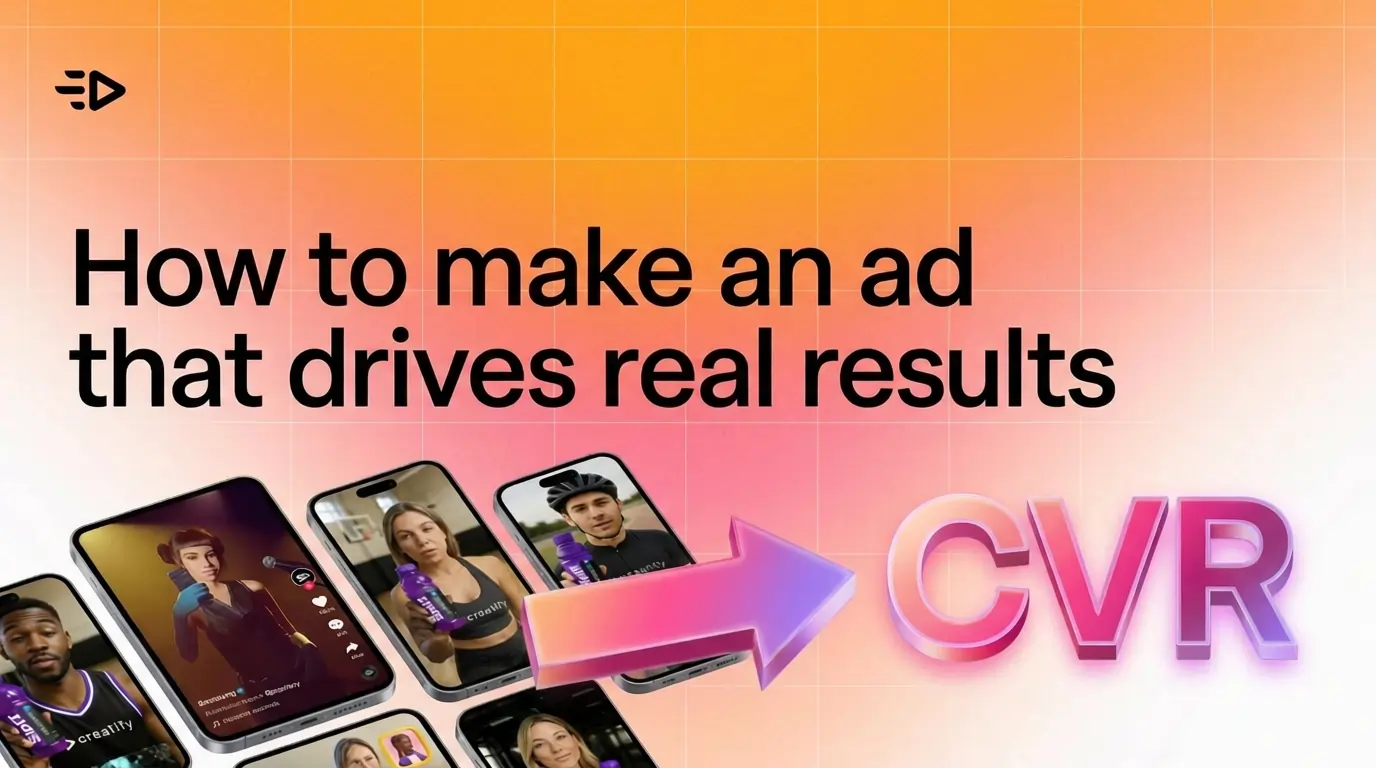
Die meisten Anzeigen scheitern, noch bevor das Creative überhaupt erstellt wurde. Das Angebot ist vage, die Zielgruppe ungenau definiert und die Landingpage widerspricht dem, was die Anzeige verspricht. Ein besseres Design wird das nicht beheben. In diesem Leitfaden erfahren Sie, wie Sie Anzeigen erstellen, die tatsächlich messbare Ergebnisse liefern – egal, ob Sie ein physisches Produkt, eine SaaS-Testversion oder App-Installationen verkaufen.
Definieren Sie, was „Ergebnisse“ bedeutet, bevor Sie eine Anzeige erstellen
Anzeigen sollten nach den nachgelagerten Ergebnissen beurteilt werden, nicht nach oberflächlichen Metriken. Klicks und Impressionen zeigen Ihnen nur, dass die Anzeige Aufmerksamkeit erregt hat. Sie sagen Ihnen jedoch nicht, ob sie das Geschäft vorangebracht hat.
Wählen Sie vor dem Start den KPI aus, der Ihrem tatsächlichen Ziel entspricht: Cost-per-Conversion, Return on Ad Spend, Cost-per-Install, Cost-per-Trial oder Cost-per-Booked-Call. Google Ads empfiehlt, auf Conversions zu optimieren und die Cost-per-Conversion zu überwachen – als primäres Signal für die Kampagnengesundheit, nicht das Klickvolumen.
Unterschiedliche Phasen erfordern unterschiedliche Definitionen. Eine Marke in der frühen Awareness-Phase sollte die Reichweite und die Engagement-Qualität messen. Ein Produkt mit nachgewiesener Nachfrage sollte CPA und ROAS messen. Verbuchen Sie beides im selben Topf, verschwinden Budgets, ohne dass Sie Lerneffekte erzielen.
Starten Sie mit dem Angebot, nicht mit der Anzeige
Eine starke Anzeige verstärkt ein überzeugendes Angebot. Ein schwaches Angebot wird selten allein durch ein besseres Creative zum Gewinner.
Definieren Sie eine klare Aktion pro Anzeige: Installieren, Testen, Kaufen oder Buchen. Die Richtlinien von Google zur Anzeigenrelevanz sind hier eindeutig: Der Anzeigentext und die Landingpage sollten auf denselben nächsten Schritt verweisen und der Absicht des Nutzers entsprechen, anstatt ein ganzes Menü an Optionen anzubieten.
Die Angebotsstruktur unterscheidet sich je nach Produkttyp. Eine App-Install-Anzeige muss vermitteln, was die App tut und warum sie den Download-Aufwand wert ist. Eine SaaS-Testanzeige muss das wahrgenommene Risiko einer Bindung reduzieren. Eine Anzeige für ein physisches Produkt muss das Ergebnis so bildhaft machen, dass der Betrachter es will, noch bevor er es vollständig versteht.
Lesen Sie auch: Wie Sie einen Social-Media-Marketingplan erstellen, der funktioniert
Verstehen Sie Zielgruppe und Absicht, bevor Sie Anzeigen erstellen
Dasselbe Produkt benötigt unterschiedliche Botschaften, je nachdem, wo der Käufer in seinem Entscheidungsprozess steht. Jemand, der nach einer Lösung sucht, hat bereits eine Absicht. Jemand, der durch Instagram scrollt, benötigt die Anzeige, um das Verlangen überhaupt erst zu wecken, bevor man es einfangen kann.

Das Google Framework für Anzeigenrelevanz basiert darauf, Keywords und Anzeigentexte auf das abzustimmen, wonach der Nutzer sucht. Auf Social Media dreht sich die Logik um: Sie unterbrechen den Nutzer, also muss der Hook in den ersten 2 Sekunden Aufmerksamkeit generieren, bevor überhaupt eine Botschaft ankommen kann.
Identifizieren Sie das Hauptproblem der Zielgruppe, ihr Bewusstseinsniveau und ihre Kaufdringlichkeit. Eine Anzeige, die auf jemanden abzielt, der gar nicht weiß, dass er das Problem hat, sieht völlig anders aus als eine, die sich an jemanden richtet, der bereits einen Konkurrenten ausprobiert hat und enttäuscht wurde.
Bauen Sie eine klare Botschaft auf
Eine Anzeige, eine Idee. Eine Zielgruppe, ein Versprechen, eine Aktion.
Der schnellste Weg, eine Anzeige zu ruinieren, besteht darin, mehrere Botschaften hineinzupacken. Jeder Satz, der das Kernversprechen verwässert, konkurriert direkt mit dem Satz, der den Betrachter eigentlich überzeugen sollte.
Machen Sie aus Features konkrete Ergebnisse. Aus „75+ Sprachen“ wird „dieselbe Anzeige in jedem Markt schalten, ohne neu zu drehen“. Aus „1.500+ AI avatars“ wird „einen Sprecher finden, dem Ihre Zielgruppe vertraut, ohne einen einzigen Schauspieler zu buchen“. Google Ads empfiehlt, mehrere Anzeigentitel und Beschreibungen zu erstellen und zu testen, aber die zugrundeliegende Botschaft in jeder Variante sollte singulär und klar bleiben.
Starke Hooks benennen das Problem konkret, nutzen Belege, wo immer möglich, und erzeugen Dringlichkeit ohne künstliche Verknappung. Spezifität wirkt. „Sparen Sie Zeit bei Anzeigen“ ist leicht zu vergessen. „Senken Sie die Produktionszeit von 3 Wochen auf 45 Minuten“ dagegen nicht.
Wählen Sie das richtige Format für Ihre Werbeanzeige
Das Format bestimmt den Kontext, und der Kontext bestimmt, was die Zielgruppe von der Anzeige erwartet.
Suchanzeigen erreichen Menschen, die bereits aktiv suchen – sie befinden sich ganz unten in Ihrem Funnel. Ihre Aufgabe ist es, die relevanteste und klarste Antwort auf das zu sein, was eingegeben wurde. Social- und Video-Anzeigen hingegen erreichen Menschen, die nicht aktiv suchten. Ihre Aufgabe ist es, das Scrollen zu stoppen, bevor die Botschaft überhaupt vermittelt werden kann.
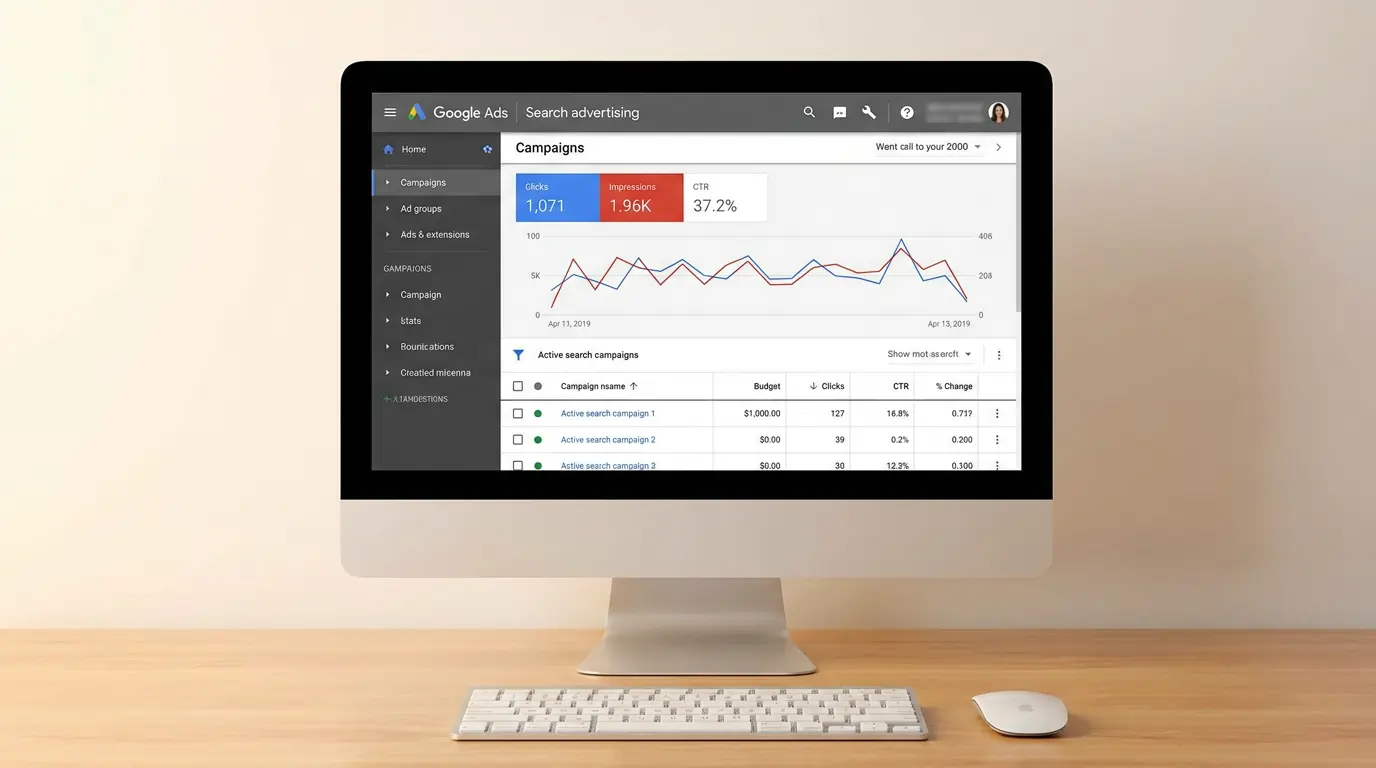
Responsive Suchanzeigen von Google ermöglichen es Ihnen, mehrere Anzeigentitel und Beschreibungen anzugeben, woraufhin das System die leistungsstärksten Kombinationen ermittelt. Bei Video-Anzeigen dominieren vertikale Formate die mobilen Platzierungen auf TikTok, Instagram und YouTube Shorts. Horizontal funktioniert weiterhin gut für YouTube Pre-Rolls und CTV. Passen Sie das Format an den tatsächlichen Aufenthaltsort Ihrer Zielgruppe an.
Bei App-Installationen übertreffen Videos, die das UI in Aktion zeigen, statische Bilder. Bei SaaS konvertieren ergebnisorientierte Demos besser als Feature-Listen. Bei physischen Produkten schlägt die Darstellung des Artikels in Nutzung in den meisten Paid-Social-Kontexten das klassische Produktbild auf weißem Hintergrund.
Schreiben Sie Copy, die konvertiert
Schreiben Sie zuerst für Klarheit, dann für Überzeugung. Verwirrte Leser kaufen nicht.
Eine funktionale Anzeige hat: einen Anzeigentitel, der das Problem der Zielgruppe trifft, eine Beschreibung, die das Versprechen erweitert und den Haupteinwand entkräftet, sowie einen CTA, der genau sagt, was als Nächstes passiert. „Mehr erfahren“ ist kein guter CTA. „Starten Sie Ihre kostenlose Testversion“ oder „Sichern Sie sich Ihren 25 % Rabatt-Gutschein“ hingegen schon.
Verwenden Sie die Sprache, die Ihre Zielgruppe spricht, und heben Sie sich nicht künstlich ab. Nutzen Sie das Vokabular des Problems, nicht das Vokabular Ihrer Produkt-Roadmap. Die Copywriting-Richtlinien von Google bestärken ebenfalls darin, mehrere Versionen zu schreiben und zu testen, anstatt alles auf eine einzige Umsetzung zu setzen.
Creative, das Aufmerksamkeit verdient
Das Creative ist Teil der Botschaft, nicht nur Deko obendrauf.
Die Aufgabe des Visuellen ist es, das Scrollen in weniger als 2 Sekunden zu stoppen. Klarheit, Kontrast und Relevanz gelingt das weit besser als Komplexität. Eine Anzeige, bei der man 3 Sekunden braucht, um sie zu verstehen, hat den Großteil ihres Publikums bereits verloren.
Nielsens Untersuchungen zur Creative-Evaluierung bestätigen, dass die Creative-Qualität einer der stärksten Treiber für den Kampagnenerfolg ist. Schwache Creatives führen zu messbar geringerem Umsatzwachstum, selbst wenn Targeting und Budget stark sind.
Die Arbeit von System1 zur Creative-Effektivität fügt einen nützlichen Aspekt hinzu: Leistung ist relativ zu den Erwartungen der Kategorie. Eine Anzeige, die wie jede andere in Ihrer Nische aussieht, geht unter. Aufzufallen ist Teil des kreativen Jobs, nicht nur eine ästhetische Vorliebe.
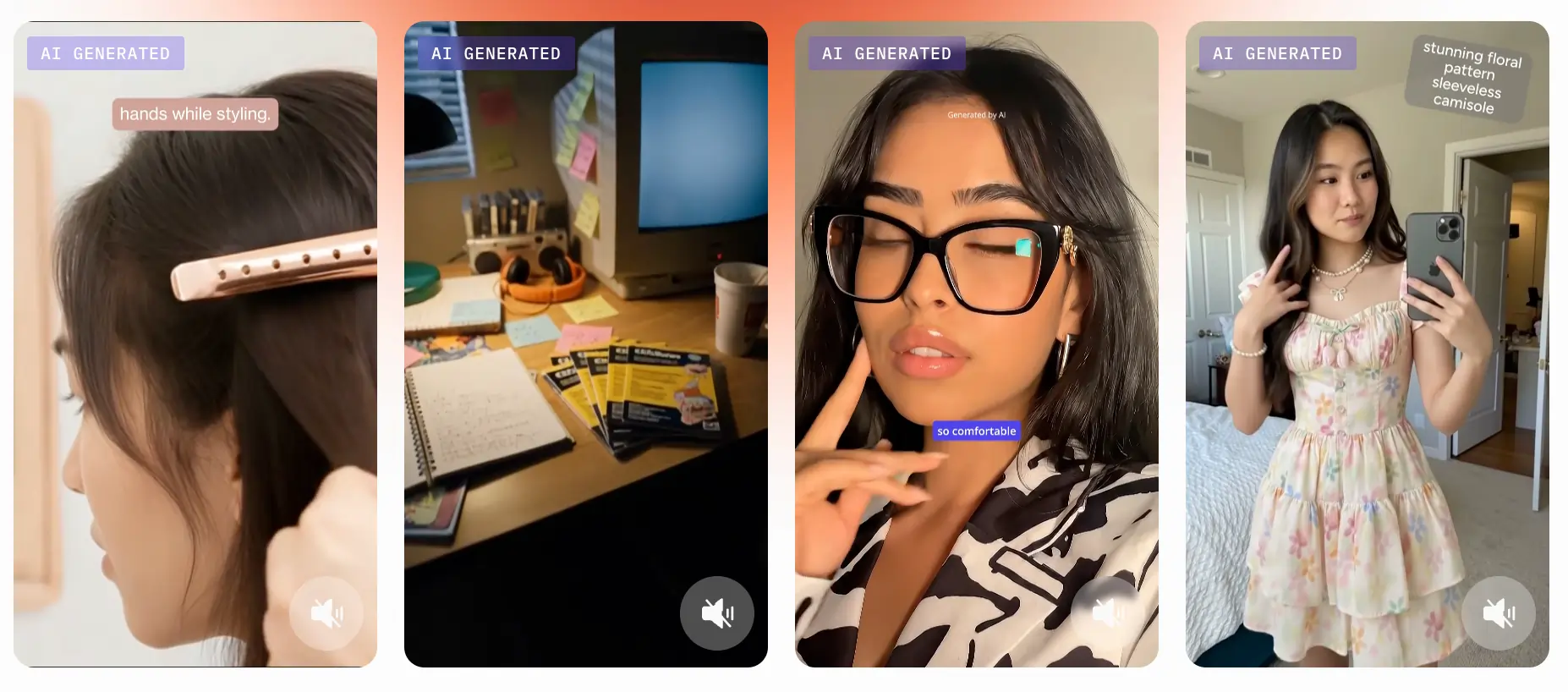
Das praktische Fazit: Testen Sie mehr Variationen, als Ihnen lieb ist. Eine einzige, hochglanzpolierte Version ist eine Wette. Zwanzig Variationen mit unterschiedlichen Hooks, Formaten und Sprechern sind eine datenbasierte Strategie. Brands, die konsistent Gewinner-Creatives finden, setzen zuerst auf Quantität und optimieren dann basierend auf den ersten Signalen.
Stimmen Sie die Landingpage ab
Die Anzeige holt den Klick. Die Landingpage holt die Conversion. Beide müssen dieselbe Geschichte erzählen.
Das Matching der Botschaft („Message Match“) ist wichtiger, als die meisten Marketer glauben. Wenn die Anzeige verspricht „Analysieren Sie Ihre KI-Suchpräsenz in 60 Sekunden“ und die Landingpage mit einer Feature-Liste beginnt, wird sich dieser Bruch direkt in der Conversion-Rate widerspiegeln.
Googles Best Practices für Landingpages sind eindeutig: schnelle Ladezeiten, mobiloptimiert, ein einziger klarer CTA „above the fold“ (im direkt sichtbaren Bereich) und Inhalte, die das Versprechen der Anzeige nahtlos fortführen. Verlinken Sie bei Apps direkt zum Store, idealerweise mit einer Vorschau des Haupt-Use-Case. Bei SaaS sollte der Test- oder Demo-CTA das dominierende Element sein. Bei physischen Produkten müssen Produktbild, Hauptvorteil und Kaufen-Button ohne Scrollen sichtbar sein.
Entfernen Sie Navigationsoptionen, die den Besucher vom Conversion-Pfad abbringen. Jeder zusätzliche Link auf einer Landingpage ist ein potenzielles Leck.
Messen Sie, bevor Sie optimieren
Richten Sie Ihre Erfolgsmessung ein, bevor die Kampagne live geht, nicht danach.
Saubere Conversion-Daten sind das Fundament, auf dem alles andere aufbaut. Im Jahr 2026 optimieren KI-gestützte Werbeplattformen automatisch, aber sie funktionieren nur dann gut, wenn sie mit präzisen Conversion-Signalen gefüttert werden. Tracking-Lücken erzeugen nicht nur blinde Flecken im Reporting. Sie verschlechtern aktiv die Leistung der automatischen Gebotseinstellung.
Verfolgen Sie Conversions, CPA, ROAS und Funnel-Drop-offs von Anfang an. Metas Best Practices für Messungen weisen auf dasselbe Prinzip hin: Die Qualität des Signals, das in die Plattform einfließt, bestimmt die Qualität der Optimierung, die am Ende herauskommt.
Ein einfaches Test-Framework: Ändern Sie immer nur eine Variable auf einmal (Creative, Angebot, Zielgruppe oder Landingpage), lassen Sie die Kampagne laufen, bis statistische Signifikanz erreicht ist, setzen Sie die Erkenntnis um und testen Sie die nächste Variable. Die gleichzeitige Änderung von fünf Variablen sagt Ihnen zwar, dass sich etwas verändert hat – aber nicht, was Sie beibehalten sollten.
Lesen Sie auch: ChatGPT-Prompts für Social-Media-Marketing im Jahr 2026
KI-Tools, Freelancer, Agenturen: Das richtige Produktionsmodell für Ihre Anzeigen finden
Dies sind reine Umsetzungsmodelle. Keines davon ersetzt die oben beschriebene strategische Arbeit.
Freelancer eignen sich für spezialisierte Aufgaben: Copy, Motion Graphics, Videoschnitt, Illustration. Sie funktionieren hervorragend, wenn das Briefing präzise und die Feedbackschleife kurz ist. Ihre Grenzen liegen im Koordinationsaufwand und im Produktionstempo bei hohem Volumen.

Agenturen bringen integrierte Strategie, Media-Buying und etablierte Creative-Systeme mit. Der Trade-off liegt im Preis, in der Geschwindigkeit und in der Tatsache, dass Ihr Account nur einer von vielen ist, die dort betreut werden.
KI übernimmt die Entwurfserstellung, Recherche, Skalierung von Variationen und schnelle Iteration. Googles Leitfaden zu Automatisierung und responsiven Anzeigen zeigt, wohin die Branche steuert: KI funktioniert am besten, wenn der Input (Conversion-Daten, Creative Assets, Zielgruppensignale) von hoher Qualität ist.
Creatify wurde speziell für den KI-gestützten Produktionsweg von Anzeigen entwickelt. Der Creatify Agent übernimmt die Schritte, die für die meisten am zeitaufwendigsten sind: Er analysiert das Produkt und die Wettbewerber, identifiziert die Pain Points der Zielgruppe, verfasst Skripte, wählt Avatare aus, generiert parallel verschiedene Szenen und prüft das Ergebnis vor der Auslieferung gegen das Briefing. Der gesamte Workflow von der Recherche bis zur fertigen Anzeige läuft über eine einzige Produkt-URL oder ein einfaches Chat-Gespräch.
Für Teams, die detaillierte Kontrolle wünschen, ermöglicht der Wechsel vom Chat-Fenster auf die Node-basierte AdFlow-Canvas die Steuerung jedes einzelnen Schritts: Hooks austauschen, Avatare wechseln, verschiedene CTAs testen und mehr als 20 Variationen aus einem gemeinsamen Basis-Workflow generieren, ohne alles neu aufbauen zu müssen. Bei Kosten von $5 bis $8 pro fertiger Anzeige macht dies volumenbasiertes Creative-Testing ökonomisch erst sinnvoll.
Häufige Fehler, die ansonsten gute Kampagnen ruinieren
Vages Targeting: Breite Zielgruppen liefern günstige Impressionen und teure Conversions.
Eine generische Anzeige für alle Segmente: Eine Botschaft, die jeden ansprechen will, konvertiert niemanden.
Zu viele Ideen in einem Creative: Wählen Sie ein Problem, ein Versprechen, eine Aktion.
Schwacher Landingpage-Match: Der Absprung zwischen Klick und Conversion liegt fast immer an einer mangelnden Abstimmung der Botschaft.
Tracking-Lücken: Googles Richtlinien zu Relevanz und Conversion-Tracking heben explizit hervor, dass Relevanz, die richtige Asset-Nutzung und saubere Conversion-Daten den Qualitätsfaktor und die Leistung der automatisierten Gebotsabgabe direkt beeinflussen. Lücken summieren sich im Laufe der Zeit.
Auf Klicks statt Conversions optimieren: Klickvolumen ist eine Aktivitätsmetrik. Sie sagt nichts darüber aus, ob die Kampagne profitabel läuft.
Lesen Sie auch: Was sind KI-Influencer & wie Marken virtuelle Creator nutzen
Eine Pre-Launch-Checkliste für die Erstellung von Werbeanzeigen
Bevor eine Anzeige live geht, gehen Sie diese Punkte durch:
Ist das Conversion-Ziel klar definiert und getrackt?
Fordert das Angebot zu einer einzigen, klaren Aktion auf?
Ist die Zielgruppe spezifisch genug, um ein echtes Problem zu haben?
Vermittelt das Creative die Kernbotschaft in unter 2 Sekunden?
Stimmt das Versprechen der Landingpage mit dem der Anzeige überein?
Gibt es mindestens 3–5 Creative-Varianten zum Testen?
Gibt es einen Plan, die Ergebnisse nach 7 Tagen zu prüfen und zu iterieren?
Wenn eine der Antworten „Nein“ lautet, ist die Kampagne noch nicht bereit für den Start.
Häufig gestellte Fragen (FAQ)
Wie erstelle ich eine Anzeige, die tatsächlich konvertiert?
Beginnen Sie mit einem klaren Angebot und einer spezifischen Zielgruppe. Richten Sie die Botschaft danach aus, wo der Käufer in seiner Entscheidungsfindung steht, stoppen Sie das Scrollen mit dem Creative in unter 2 Sekunden und leiten Sie den Traffic auf eine Landingpage, die genau dasselbe Versprechen einlöst. Testen Sie mehrere Variationen, anstatt alles auf eine Karte zu setzen.
Wie erstelle ich eine Werbeanzeige für Social Media?
Social-Media-Anzeigen unterbrechen den Nutzer, anstatt auf eine Suchabsicht zu reagieren. Daher muss der Hook die Aufmerksamkeit sichern, noch bevor die Botschaft platziert wird. Nutzen Sie vertikales Video für Mobilgeräte, benennen Sie ein konkretes Problem in den ersten 2 Sekunden und halten Sie den CTA einfach und direkt. Testen Sie Hooks aggressiver als jede andere Variable, da die Perfomance des Hooks alles Weitere beeinflusst.
Wie fange ich ohne großes Produktionsbudget an, Anzeigen zu erstellen?
Definieren Sie zuerst Botschaft und Angebot. Nutzen Sie dann KI-Tools, um Creative-Variationen zu extrem niedrigen Kosten pro Asset zu erstellen. Creatify verwandelt eine Produkt-URL in weniger als 60 Sekunden in mehrere fertige Video-Anzeigen – ganz ohne Filmcrew, Schauspieler oder aufwendige Videoschnitt-Zyklen. Testen Sie 10–20 Variationen, bevor Sie das Mediabudget hochfahren.
Wie viele Anzeigenvariationen sollte ich testen?
Mehr als die meisten denken. Ein einzelnes Creative ist nur eine einzige Wette. Brands, die konsistent Gewinner finden, testen 20–40 Variationen pro Kampagne und skalieren dann diejenigen, die gute Signale liefern. KI-Produktionstools machen dies auch für Teams ohne riesige Budgets wirtschaftlich machbar.
Wie messe ich, ob meine Anzeigen funktionieren?
Verfolgen Sie Cost-per-Conversion, ROAS und Funnel-Drop-offs vom ersten Tag an. Klicks und Impressionen messen lediglich Aktivität. Conversions messen Resultate. Richten Sie vor dem Launch ein sauberes Tracking ein, da KI-Gebotsplattformen auf Basis der Conversion-Daten optimieren, die Sie ihnen füttern. Lücken im Tracking verschlechtern die Performance mit der Zeit.
Wie schreibe ich Ad Copy, die konvertiert?
Der Anzeigentitel trifft das Problem der Zielgruppe, die Beschreibung führt das Versprechen weiter und entkräftet den Haupteinwand, der CTA nennt den genauen nächsten Schritt. Verwenden Sie die natürliche Sprache Ihrer Zielgruppe. Schreiben Sie mehrere Versionen und testen Sie diese, anstatt unendlich lang an einer einzigen Formulierung zu feilen.
Wie stimme ich meine Anzeige auf meine Landingpage ab?
Die Landingpage sollte das genaue Versprechen der Anzeige fortführen: dieselbe Sprache, dasselbe Angebot, dieselbe Aktion. Entfernen Sie Navigationselemente, die den Besucher vom Conversion-Pfad weglocken. Der CTA muss auf Mobilgeräten ohne Scrollen direkt im sichtbaren Bereich sein.
Inwiefern unterscheidet sich die Anzeigenerstellung im Jahr 2026 von früher?
Die KI übernimmt heute einen weitaus größeren Teil der Produktion und Optimierung, aber die Grundlagen bleiben unverändert: der Match zwischen Zielgruppe und Botschaft, klare Angebote und die nahtlose Abstimmung mit der Landingpage. Die größte Veränderung ist, dass KI-Gebotsplattformen fehlerfreie Conversion-Daten benötigen, um gut zu funktionieren. Zudem ist das Creative-Volumen wichtiger denn je, da die Algorithmen viele verschiedene Assets brauchen, um die besten Kombinationen zu finden.
Die meisten Anzeigen scheitern, noch bevor das Creative überhaupt erstellt wurde. Das Angebot ist vage, die Zielgruppe ungenau definiert und die Landingpage widerspricht dem, was die Anzeige verspricht. Ein besseres Design wird das nicht beheben. In diesem Leitfaden erfahren Sie, wie Sie Anzeigen erstellen, die tatsächlich messbare Ergebnisse liefern – egal, ob Sie ein physisches Produkt, eine SaaS-Testversion oder App-Installationen verkaufen.
Definieren Sie, was „Ergebnisse“ bedeutet, bevor Sie eine Anzeige erstellen
Anzeigen sollten nach den nachgelagerten Ergebnissen beurteilt werden, nicht nach oberflächlichen Metriken. Klicks und Impressionen zeigen Ihnen nur, dass die Anzeige Aufmerksamkeit erregt hat. Sie sagen Ihnen jedoch nicht, ob sie das Geschäft vorangebracht hat.
Wählen Sie vor dem Start den KPI aus, der Ihrem tatsächlichen Ziel entspricht: Cost-per-Conversion, Return on Ad Spend, Cost-per-Install, Cost-per-Trial oder Cost-per-Booked-Call. Google Ads empfiehlt, auf Conversions zu optimieren und die Cost-per-Conversion zu überwachen – als primäres Signal für die Kampagnengesundheit, nicht das Klickvolumen.
Unterschiedliche Phasen erfordern unterschiedliche Definitionen. Eine Marke in der frühen Awareness-Phase sollte die Reichweite und die Engagement-Qualität messen. Ein Produkt mit nachgewiesener Nachfrage sollte CPA und ROAS messen. Verbuchen Sie beides im selben Topf, verschwinden Budgets, ohne dass Sie Lerneffekte erzielen.
Starten Sie mit dem Angebot, nicht mit der Anzeige
Eine starke Anzeige verstärkt ein überzeugendes Angebot. Ein schwaches Angebot wird selten allein durch ein besseres Creative zum Gewinner.
Definieren Sie eine klare Aktion pro Anzeige: Installieren, Testen, Kaufen oder Buchen. Die Richtlinien von Google zur Anzeigenrelevanz sind hier eindeutig: Der Anzeigentext und die Landingpage sollten auf denselben nächsten Schritt verweisen und der Absicht des Nutzers entsprechen, anstatt ein ganzes Menü an Optionen anzubieten.
Die Angebotsstruktur unterscheidet sich je nach Produkttyp. Eine App-Install-Anzeige muss vermitteln, was die App tut und warum sie den Download-Aufwand wert ist. Eine SaaS-Testanzeige muss das wahrgenommene Risiko einer Bindung reduzieren. Eine Anzeige für ein physisches Produkt muss das Ergebnis so bildhaft machen, dass der Betrachter es will, noch bevor er es vollständig versteht.
Lesen Sie auch: Wie Sie einen Social-Media-Marketingplan erstellen, der funktioniert
Verstehen Sie Zielgruppe und Absicht, bevor Sie Anzeigen erstellen
Dasselbe Produkt benötigt unterschiedliche Botschaften, je nachdem, wo der Käufer in seinem Entscheidungsprozess steht. Jemand, der nach einer Lösung sucht, hat bereits eine Absicht. Jemand, der durch Instagram scrollt, benötigt die Anzeige, um das Verlangen überhaupt erst zu wecken, bevor man es einfangen kann.
Das Google Framework für Anzeigenrelevanz basiert darauf, Keywords und Anzeigentexte auf das abzustimmen, wonach der Nutzer sucht. Auf Social Media dreht sich die Logik um: Sie unterbrechen den Nutzer, also muss der Hook in den ersten 2 Sekunden Aufmerksamkeit generieren, bevor überhaupt eine Botschaft ankommen kann.
Identifizieren Sie das Hauptproblem der Zielgruppe, ihr Bewusstseinsniveau und ihre Kaufdringlichkeit. Eine Anzeige, die auf jemanden abzielt, der gar nicht weiß, dass er das Problem hat, sieht völlig anders aus als eine, die sich an jemanden richtet, der bereits einen Konkurrenten ausprobiert hat und enttäuscht wurde.
Bauen Sie eine klare Botschaft auf
Eine Anzeige, eine Idee. Eine Zielgruppe, ein Versprechen, eine Aktion.
Der schnellste Weg, eine Anzeige zu ruinieren, besteht darin, mehrere Botschaften hineinzupacken. Jeder Satz, der das Kernversprechen verwässert, konkurriert direkt mit dem Satz, der den Betrachter eigentlich überzeugen sollte.
Machen Sie aus Features konkrete Ergebnisse. Aus „75+ Sprachen“ wird „dieselbe Anzeige in jedem Markt schalten, ohne neu zu drehen“. Aus „1.500+ AI avatars“ wird „einen Sprecher finden, dem Ihre Zielgruppe vertraut, ohne einen einzigen Schauspieler zu buchen“. Google Ads empfiehlt, mehrere Anzeigentitel und Beschreibungen zu erstellen und zu testen, aber die zugrundeliegende Botschaft in jeder Variante sollte singulär und klar bleiben.
Starke Hooks benennen das Problem konkret, nutzen Belege, wo immer möglich, und erzeugen Dringlichkeit ohne künstliche Verknappung. Spezifität wirkt. „Sparen Sie Zeit bei Anzeigen“ ist leicht zu vergessen. „Senken Sie die Produktionszeit von 3 Wochen auf 45 Minuten“ dagegen nicht.
Wählen Sie das richtige Format für Ihre Werbeanzeige
Das Format bestimmt den Kontext, und der Kontext bestimmt, was die Zielgruppe von der Anzeige erwartet.
Suchanzeigen erreichen Menschen, die bereits aktiv suchen – sie befinden sich ganz unten in Ihrem Funnel. Ihre Aufgabe ist es, die relevanteste und klarste Antwort auf das zu sein, was eingegeben wurde. Social- und Video-Anzeigen hingegen erreichen Menschen, die nicht aktiv suchten. Ihre Aufgabe ist es, das Scrollen zu stoppen, bevor die Botschaft überhaupt vermittelt werden kann.
Responsive Suchanzeigen von Google ermöglichen es Ihnen, mehrere Anzeigentitel und Beschreibungen anzugeben, woraufhin das System die leistungsstärksten Kombinationen ermittelt. Bei Video-Anzeigen dominieren vertikale Formate die mobilen Platzierungen auf TikTok, Instagram und YouTube Shorts. Horizontal funktioniert weiterhin gut für YouTube Pre-Rolls und CTV. Passen Sie das Format an den tatsächlichen Aufenthaltsort Ihrer Zielgruppe an.
Bei App-Installationen übertreffen Videos, die das UI in Aktion zeigen, statische Bilder. Bei SaaS konvertieren ergebnisorientierte Demos besser als Feature-Listen. Bei physischen Produkten schlägt die Darstellung des Artikels in Nutzung in den meisten Paid-Social-Kontexten das klassische Produktbild auf weißem Hintergrund.
Schreiben Sie Copy, die konvertiert
Schreiben Sie zuerst für Klarheit, dann für Überzeugung. Verwirrte Leser kaufen nicht.
Eine funktionale Anzeige hat: einen Anzeigentitel, der das Problem der Zielgruppe trifft, eine Beschreibung, die das Versprechen erweitert und den Haupteinwand entkräftet, sowie einen CTA, der genau sagt, was als Nächstes passiert. „Mehr erfahren“ ist kein guter CTA. „Starten Sie Ihre kostenlose Testversion“ oder „Sichern Sie sich Ihren 25 % Rabatt-Gutschein“ hingegen schon.
Verwenden Sie die Sprache, die Ihre Zielgruppe spricht, und heben Sie sich nicht künstlich ab. Nutzen Sie das Vokabular des Problems, nicht das Vokabular Ihrer Produkt-Roadmap. Die Copywriting-Richtlinien von Google bestärken ebenfalls darin, mehrere Versionen zu schreiben und zu testen, anstatt alles auf eine einzige Umsetzung zu setzen.
Creative, das Aufmerksamkeit verdient
Das Creative ist Teil der Botschaft, nicht nur Deko obendrauf.
Die Aufgabe des Visuellen ist es, das Scrollen in weniger als 2 Sekunden zu stoppen. Klarheit, Kontrast und Relevanz gelingt das weit besser als Komplexität. Eine Anzeige, bei der man 3 Sekunden braucht, um sie zu verstehen, hat den Großteil ihres Publikums bereits verloren.
Nielsens Untersuchungen zur Creative-Evaluierung bestätigen, dass die Creative-Qualität einer der stärksten Treiber für den Kampagnenerfolg ist. Schwache Creatives führen zu messbar geringerem Umsatzwachstum, selbst wenn Targeting und Budget stark sind.
Die Arbeit von System1 zur Creative-Effektivität fügt einen nützlichen Aspekt hinzu: Leistung ist relativ zu den Erwartungen der Kategorie. Eine Anzeige, die wie jede andere in Ihrer Nische aussieht, geht unter. Aufzufallen ist Teil des kreativen Jobs, nicht nur eine ästhetische Vorliebe.
Das praktische Fazit: Testen Sie mehr Variationen, als Ihnen lieb ist. Eine einzige, hochglanzpolierte Version ist eine Wette. Zwanzig Variationen mit unterschiedlichen Hooks, Formaten und Sprechern sind eine datenbasierte Strategie. Brands, die konsistent Gewinner-Creatives finden, setzen zuerst auf Quantität und optimieren dann basierend auf den ersten Signalen.
Stimmen Sie die Landingpage ab
Die Anzeige holt den Klick. Die Landingpage holt die Conversion. Beide müssen dieselbe Geschichte erzählen.
Das Matching der Botschaft („Message Match“) ist wichtiger, als die meisten Marketer glauben. Wenn die Anzeige verspricht „Analysieren Sie Ihre KI-Suchpräsenz in 60 Sekunden“ und die Landingpage mit einer Feature-Liste beginnt, wird sich dieser Bruch direkt in der Conversion-Rate widerspiegeln.
Googles Best Practices für Landingpages sind eindeutig: schnelle Ladezeiten, mobiloptimiert, ein einziger klarer CTA „above the fold“ (im direkt sichtbaren Bereich) und Inhalte, die das Versprechen der Anzeige nahtlos fortführen. Verlinken Sie bei Apps direkt zum Store, idealerweise mit einer Vorschau des Haupt-Use-Case. Bei SaaS sollte der Test- oder Demo-CTA das dominierende Element sein. Bei physischen Produkten müssen Produktbild, Hauptvorteil und Kaufen-Button ohne Scrollen sichtbar sein.
Entfernen Sie Navigationsoptionen, die den Besucher vom Conversion-Pfad abbringen. Jeder zusätzliche Link auf einer Landingpage ist ein potenzielles Leck.
Messen Sie, bevor Sie optimieren
Richten Sie Ihre Erfolgsmessung ein, bevor die Kampagne live geht, nicht danach.
Saubere Conversion-Daten sind das Fundament, auf dem alles andere aufbaut. Im Jahr 2026 optimieren KI-gestützte Werbeplattformen automatisch, aber sie funktionieren nur dann gut, wenn sie mit präzisen Conversion-Signalen gefüttert werden. Tracking-Lücken erzeugen nicht nur blinde Flecken im Reporting. Sie verschlechtern aktiv die Leistung der automatischen Gebotseinstellung.
Verfolgen Sie Conversions, CPA, ROAS und Funnel-Drop-offs von Anfang an. Metas Best Practices für Messungen weisen auf dasselbe Prinzip hin: Die Qualität des Signals, das in die Plattform einfließt, bestimmt die Qualität der Optimierung, die am Ende herauskommt.
Ein einfaches Test-Framework: Ändern Sie immer nur eine Variable auf einmal (Creative, Angebot, Zielgruppe oder Landingpage), lassen Sie die Kampagne laufen, bis statistische Signifikanz erreicht ist, setzen Sie die Erkenntnis um und testen Sie die nächste Variable. Die gleichzeitige Änderung von fünf Variablen sagt Ihnen zwar, dass sich etwas verändert hat – aber nicht, was Sie beibehalten sollten.
Lesen Sie auch: ChatGPT-Prompts für Social-Media-Marketing im Jahr 2026
KI-Tools, Freelancer, Agenturen: Das richtige Produktionsmodell für Ihre Anzeigen finden
Dies sind reine Umsetzungsmodelle. Keines davon ersetzt die oben beschriebene strategische Arbeit.
Freelancer eignen sich für spezialisierte Aufgaben: Copy, Motion Graphics, Videoschnitt, Illustration. Sie funktionieren hervorragend, wenn das Briefing präzise und die Feedbackschleife kurz ist. Ihre Grenzen liegen im Koordinationsaufwand und im Produktionstempo bei hohem Volumen.
Agenturen bringen integrierte Strategie, Media-Buying und etablierte Creative-Systeme mit. Der Trade-off liegt im Preis, in der Geschwindigkeit und in der Tatsache, dass Ihr Account nur einer von vielen ist, die dort betreut werden.
KI übernimmt die Entwurfserstellung, Recherche, Skalierung von Variationen und schnelle Iteration. Googles Leitfaden zu Automatisierung und responsiven Anzeigen zeigt, wohin die Branche steuert: KI funktioniert am besten, wenn der Input (Conversion-Daten, Creative Assets, Zielgruppensignale) von hoher Qualität ist.
Creatify wurde speziell für den KI-gestützten Produktionsweg von Anzeigen entwickelt. Der Creatify Agent übernimmt die Schritte, die für die meisten am zeitaufwendigsten sind: Er analysiert das Produkt und die Wettbewerber, identifiziert die Pain Points der Zielgruppe, verfasst Skripte, wählt Avatare aus, generiert parallel verschiedene Szenen und prüft das Ergebnis vor der Auslieferung gegen das Briefing. Der gesamte Workflow von der Recherche bis zur fertigen Anzeige läuft über eine einzige Produkt-URL oder ein einfaches Chat-Gespräch.
Für Teams, die detaillierte Kontrolle wünschen, ermöglicht der Wechsel vom Chat-Fenster auf die Node-basierte AdFlow-Canvas die Steuerung jedes einzelnen Schritts: Hooks austauschen, Avatare wechseln, verschiedene CTAs testen und mehr als 20 Variationen aus einem gemeinsamen Basis-Workflow generieren, ohne alles neu aufbauen zu müssen. Bei Kosten von $5 bis $8 pro fertiger Anzeige macht dies volumenbasiertes Creative-Testing ökonomisch erst sinnvoll.
Häufige Fehler, die ansonsten gute Kampagnen ruinieren
Vages Targeting: Breite Zielgruppen liefern günstige Impressionen und teure Conversions.
Eine generische Anzeige für alle Segmente: Eine Botschaft, die jeden ansprechen will, konvertiert niemanden.
Zu viele Ideen in einem Creative: Wählen Sie ein Problem, ein Versprechen, eine Aktion.
Schwacher Landingpage-Match: Der Absprung zwischen Klick und Conversion liegt fast immer an einer mangelnden Abstimmung der Botschaft.
Tracking-Lücken: Googles Richtlinien zu Relevanz und Conversion-Tracking heben explizit hervor, dass Relevanz, die richtige Asset-Nutzung und saubere Conversion-Daten den Qualitätsfaktor und die Leistung der automatisierten Gebotsabgabe direkt beeinflussen. Lücken summieren sich im Laufe der Zeit.
Auf Klicks statt Conversions optimieren: Klickvolumen ist eine Aktivitätsmetrik. Sie sagt nichts darüber aus, ob die Kampagne profitabel läuft.
Lesen Sie auch: Was sind KI-Influencer & wie Marken virtuelle Creator nutzen
Eine Pre-Launch-Checkliste für die Erstellung von Werbeanzeigen
Bevor eine Anzeige live geht, gehen Sie diese Punkte durch:
Ist das Conversion-Ziel klar definiert und getrackt?
Fordert das Angebot zu einer einzigen, klaren Aktion auf?
Ist die Zielgruppe spezifisch genug, um ein echtes Problem zu haben?
Vermittelt das Creative die Kernbotschaft in unter 2 Sekunden?
Stimmt das Versprechen der Landingpage mit dem der Anzeige überein?
Gibt es mindestens 3–5 Creative-Varianten zum Testen?
Gibt es einen Plan, die Ergebnisse nach 7 Tagen zu prüfen und zu iterieren?
Wenn eine der Antworten „Nein“ lautet, ist die Kampagne noch nicht bereit für den Start.
Häufig gestellte Fragen (FAQ)
Wie erstelle ich eine Anzeige, die tatsächlich konvertiert?
Beginnen Sie mit einem klaren Angebot und einer spezifischen Zielgruppe. Richten Sie die Botschaft danach aus, wo der Käufer in seiner Entscheidungsfindung steht, stoppen Sie das Scrollen mit dem Creative in unter 2 Sekunden und leiten Sie den Traffic auf eine Landingpage, die genau dasselbe Versprechen einlöst. Testen Sie mehrere Variationen, anstatt alles auf eine Karte zu setzen.
Wie erstelle ich eine Werbeanzeige für Social Media?
Social-Media-Anzeigen unterbrechen den Nutzer, anstatt auf eine Suchabsicht zu reagieren. Daher muss der Hook die Aufmerksamkeit sichern, noch bevor die Botschaft platziert wird. Nutzen Sie vertikales Video für Mobilgeräte, benennen Sie ein konkretes Problem in den ersten 2 Sekunden und halten Sie den CTA einfach und direkt. Testen Sie Hooks aggressiver als jede andere Variable, da die Perfomance des Hooks alles Weitere beeinflusst.
Wie fange ich ohne großes Produktionsbudget an, Anzeigen zu erstellen?
Definieren Sie zuerst Botschaft und Angebot. Nutzen Sie dann KI-Tools, um Creative-Variationen zu extrem niedrigen Kosten pro Asset zu erstellen. Creatify verwandelt eine Produkt-URL in weniger als 60 Sekunden in mehrere fertige Video-Anzeigen – ganz ohne Filmcrew, Schauspieler oder aufwendige Videoschnitt-Zyklen. Testen Sie 10–20 Variationen, bevor Sie das Mediabudget hochfahren.
Wie viele Anzeigenvariationen sollte ich testen?
Mehr als die meisten denken. Ein einzelnes Creative ist nur eine einzige Wette. Brands, die konsistent Gewinner finden, testen 20–40 Variationen pro Kampagne und skalieren dann diejenigen, die gute Signale liefern. KI-Produktionstools machen dies auch für Teams ohne riesige Budgets wirtschaftlich machbar.
Wie messe ich, ob meine Anzeigen funktionieren?
Verfolgen Sie Cost-per-Conversion, ROAS und Funnel-Drop-offs vom ersten Tag an. Klicks und Impressionen messen lediglich Aktivität. Conversions messen Resultate. Richten Sie vor dem Launch ein sauberes Tracking ein, da KI-Gebotsplattformen auf Basis der Conversion-Daten optimieren, die Sie ihnen füttern. Lücken im Tracking verschlechtern die Performance mit der Zeit.
Wie schreibe ich Ad Copy, die konvertiert?
Der Anzeigentitel trifft das Problem der Zielgruppe, die Beschreibung führt das Versprechen weiter und entkräftet den Haupteinwand, der CTA nennt den genauen nächsten Schritt. Verwenden Sie die natürliche Sprache Ihrer Zielgruppe. Schreiben Sie mehrere Versionen und testen Sie diese, anstatt unendlich lang an einer einzigen Formulierung zu feilen.
Wie stimme ich meine Anzeige auf meine Landingpage ab?
Die Landingpage sollte das genaue Versprechen der Anzeige fortführen: dieselbe Sprache, dasselbe Angebot, dieselbe Aktion. Entfernen Sie Navigationselemente, die den Besucher vom Conversion-Pfad weglocken. Der CTA muss auf Mobilgeräten ohne Scrollen direkt im sichtbaren Bereich sein.
Inwiefern unterscheidet sich die Anzeigenerstellung im Jahr 2026 von früher?
Die KI übernimmt heute einen weitaus größeren Teil der Produktion und Optimierung, aber die Grundlagen bleiben unverändert: der Match zwischen Zielgruppe und Botschaft, klare Angebote und die nahtlose Abstimmung mit der Landingpage. Die größte Veränderung ist, dass KI-Gebotsplattformen fehlerfreie Conversion-Daten benötigen, um gut zu funktionieren. Zudem ist das Creative-Volumen wichtiger denn je, da die Algorithmen viele verschiedene Assets brauchen, um die besten Kombinationen zu finden.

Bereit, Ihr Produkt in ein fesselndes Video zu verwandeln?