

Synthesia AI: a complete review for 2026
Synthesia turns a script into a polished, presenter-led video: pick an avatar, paste text, and it handles the delivery, lip sync, and dubbing into 140+ languages. Avatar realism is genuinely strong, among the best available for a corporate-polished presenter look, and the platform is built for training, onboarding, and internal communication at enterprise scale.
This review covers what Synthesia does well, where it falls short, real 2026 pricing, and how it compares to Creatify AI for advertisers.
 Rated 4.8/5 on G2
What is Synthesia AI?
Synthesia is an AI video platform that turns a script into a presenter-led video using AI avatars, built for corporate training, onboarding, and internal communications rather than consumer content or paid ads.
Who made Synthesia AI?
Synthesia was founded in London in 2017 by CEO Victor Riparbelli and co-founders. The company raised a $200 million Series E in January 2026 at a $4 billion valuation, with over $530 million raised in total. Roughly 90% of Fortune 100 companies use the platform, including Bosch, Merck, SAP, and Teleperformance.
How does Synthesia AI work?
Write or paste a script, pick a stock or custom avatar and voice, and Synthesia generates a lip-synced video. One-click translation dubs the same video into dozens of languages, preserving the avatar's delivery, without re-recording or re-scripting.
What can you make with Synthesia AI?
Training and onboarding videos, sales enablement content, product tutorials, internal announcements, and multilingual versions of any of the above, all from the same script and avatar setup.
Synthesia 2.0: what's new in 2026
Synthesia's newest avatar engine, internally called Express-2, pairs voice cloning with a diffusion transformer model to produce full-body avatars with natural gestures rather than a static talking head. Personal Avatar creation now takes minutes from a short recorded sample. Video Agents, avatars that hold real-time conversations with viewers instead of playing a fixed script, are rolling out to Enterprise customers.
Key features
Expressive AI avatars (230+ library)
Stock avatars scale from 9 on the free plan up to 240+ on Enterprise, built on Synthesia's Express-2 engine for natural facial expression and full-body gesture rather than a fixed-frame talking head.
What Synthesia AI doesn't offer
UGC-style actors, ad templates, competitor ad tracking, and direct launch to Meta, TikTok, or AppLovin are all absent. Synthesia produces presenter video; it doesn't produce or manage paid ad creative.
Personal avatar (custom avatar of yourself)
Creates a digital version of a specific person from a short recorded sample, available from 3 avatars on Starter up to unlimited on Enterprise.
PowerPoint to video
Imports an existing PowerPoint deck and converts each slide into a narrated, avatar-led video scene, reusing content that already exists rather than starting from a blank script.
AI voice & 140+ languages
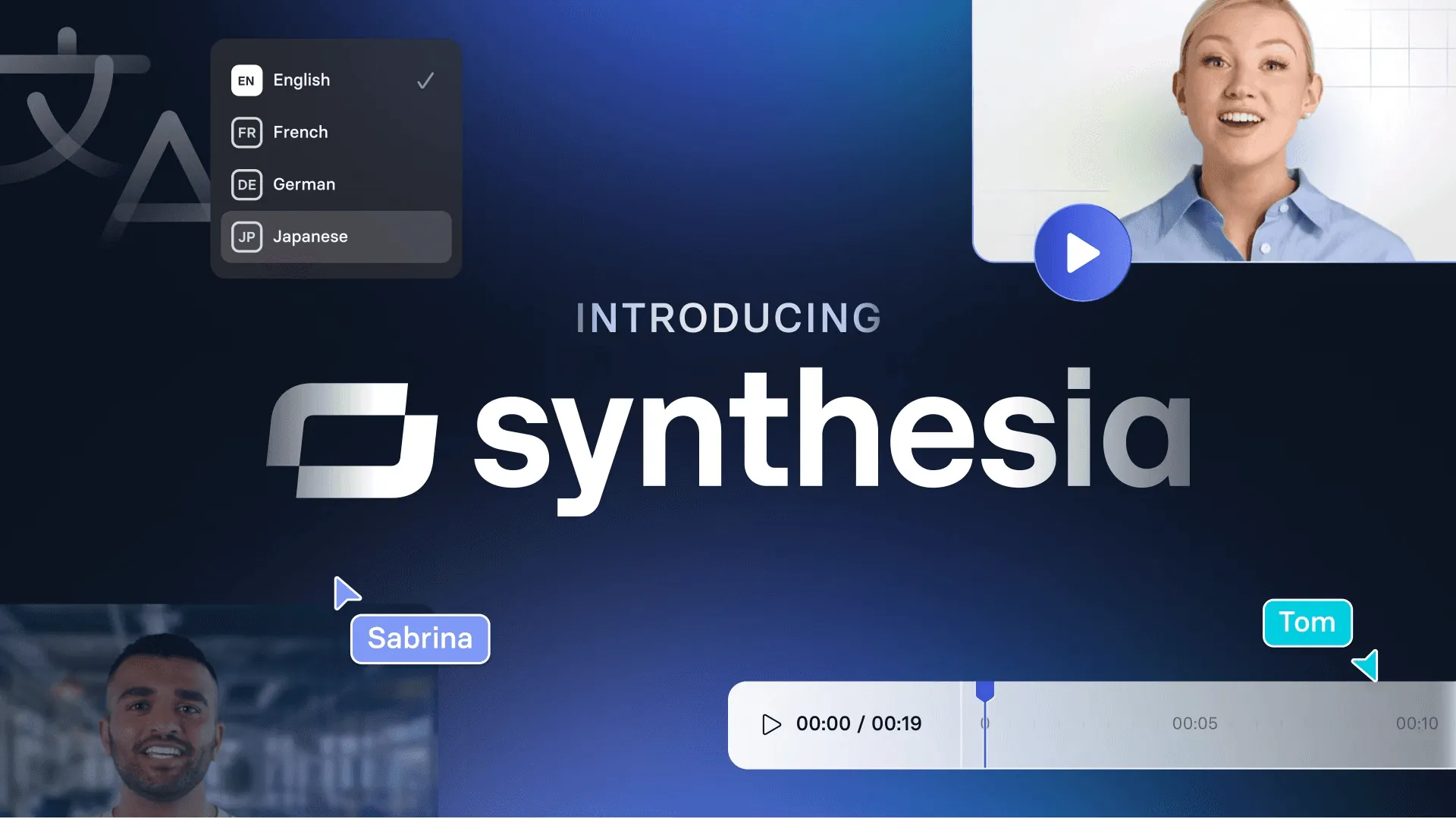
Text-to-speech and voice cloning across 160+ languages and voices for generation, with AI Dubbing covering 70+ languages on paid plans and 140+ on Enterprise.
Synthesia AI output quality
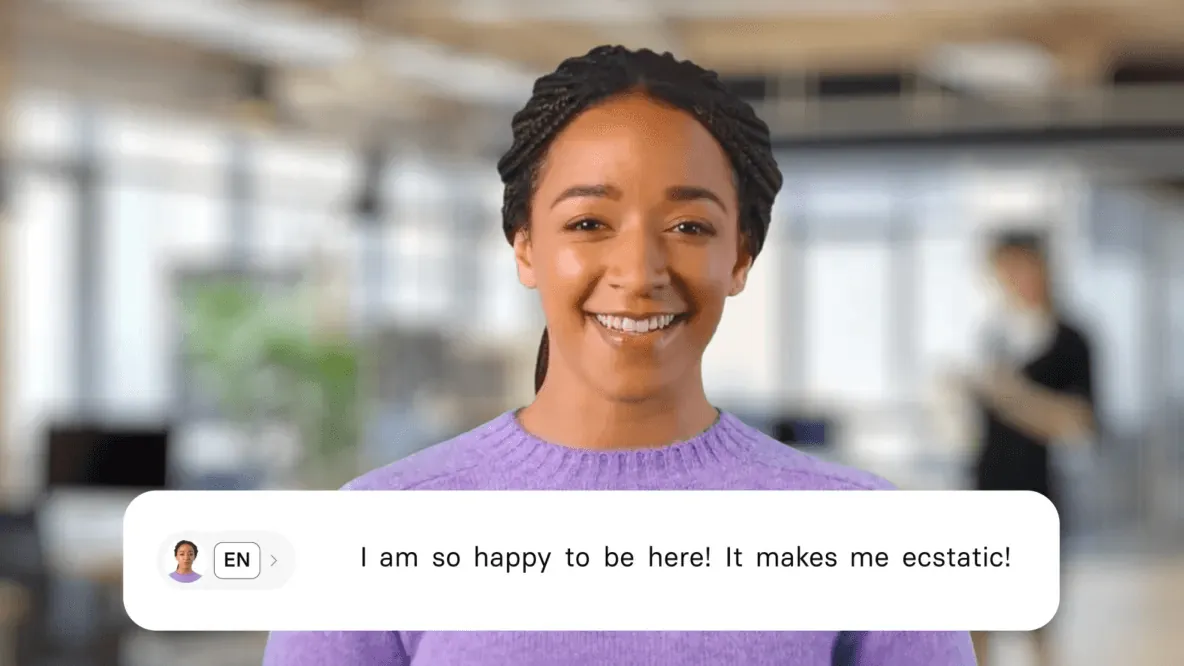
Avatar realism is Synthesia's strongest claim, and it holds up: Express-2 avatars show natural facial expression, accurate lip sync, and full-body gesture that reads as a professional presenter rather than an animated template.
Voice naturalness is strong across the platform's stock voice library, and cloned voices preserve identity and accent closely enough to pass in a corporate training context.
Lip-sync accuracy is consistently tight across languages, a byproduct of Synthesia's dubbing-first design: the same avatar performance re-syncs to translated audio rather than generating a new take per language.
Render speed scales with video length and avatar count per scene; single-avatar training videos generate in minutes, and multi-avatar interactive scenes take longer.
The tradeoff is tone: the avatars are built and trained for corporate delivery. That reads as polished for training and internal comms, but feels rather stiff for UGC-style content where an authentic, off-script feel matters more than polish.
Pros and cons of Synthesia AI
PROS
- Express-2 avatars are among the most realistic corporate-presenter avatars available, with natural gesture and expression
- Personal Avatar creation from a short recorded sample, no studio shoot required
- AI Dubbing covers 70+ languages on paid plans and 140+ on Enterprise, re-syncing the same performance rather than re-recording
- PowerPoint import turns existing decks into narrated video without a new script
- SCORM export and major LMS integrations (Docebo, Litmos, Cornerstone) built for training delivery
- SOC 2 Type II, GDPR, and ISO 27001 certified, with consent-based avatar creation and content moderation
CONS
- Free plan caps at 10 minutes of video a month, no MP4 download, preview and watermark only
- Starter's 3 personal avatars and 125+ stock avatars sit well below Creator and Enterprise tiers
- Avatars read as corporate-polished, which works against authenticity in UGC-style ad creative
- No ad-specific tooling: ad templates, competitor tracking, and direct ad launching aren't part of the platform
- API access and branded video pages are gated to Creator ($89/mo) and above
- Video Agents (real-time conversational avatars) are Enterprise-only, not available on Starter or Creator
Synthesia AI use cases
Corporate training & L&D
Structured training modules built from a script, with SCORM export for LMS delivery at scale across large workforces.
Sales enablement
Product and pitch videos that stay consistent as messaging updates, without rebooking a presenter.
Internal communications
$Leadership updates and company announcements delivered on-brand, at a cadence live video production can't sustain./$
Where Synthesia falls short
Synthesia produces presenter video; it doesn't produce ads. A path from a product link to finished ad creative, competitor ad tracking, AdClone-style format replication, and direct launch to Meta, TikTok, or AppLovin are all missing. Teams that need UGC-style testing at volume, or a system that manages spend after the ad ships, have to look elsewhere.
HR onboarding
Standardized onboarding content, reusable across departments and localized without re-shooting.
Customer education & product tutorials
Script-driven walkthroughs of a product or process, easy to update as the product changes.
Multilingual marketing content
One script, dubbed into dozens of languages with the same avatar performance, for global teams standardizing messaging across markets.
Who should use Synthesia AI?
Enterprise L&D teams standardizing training across large workforces, global companies localizing internal content into dozens of languages, educators and course creators building structured video curricula, and HR teams that need consistent onboarding at scale.
Not recommended for
Performance marketers running paid ad campaigns, DTC brands and UGC creators who need an authentic, off-script feel, and teams that need competitor tracking or a direct path to launching and managing ads on Meta or TikTok.
Synthesia AI vs Creatify AI
Price comparison
Synthesia's entry price is lower, but the free and Starter tiers cap video minutes hard (10/month free, 120/year on Starter), and API access, branded pages, and interactive video don't unlock until Creator at $89/mo. Creatify includes video ad creation on every paid plan from the entry tier, with no video-minute ceiling to work around.
Output comparison
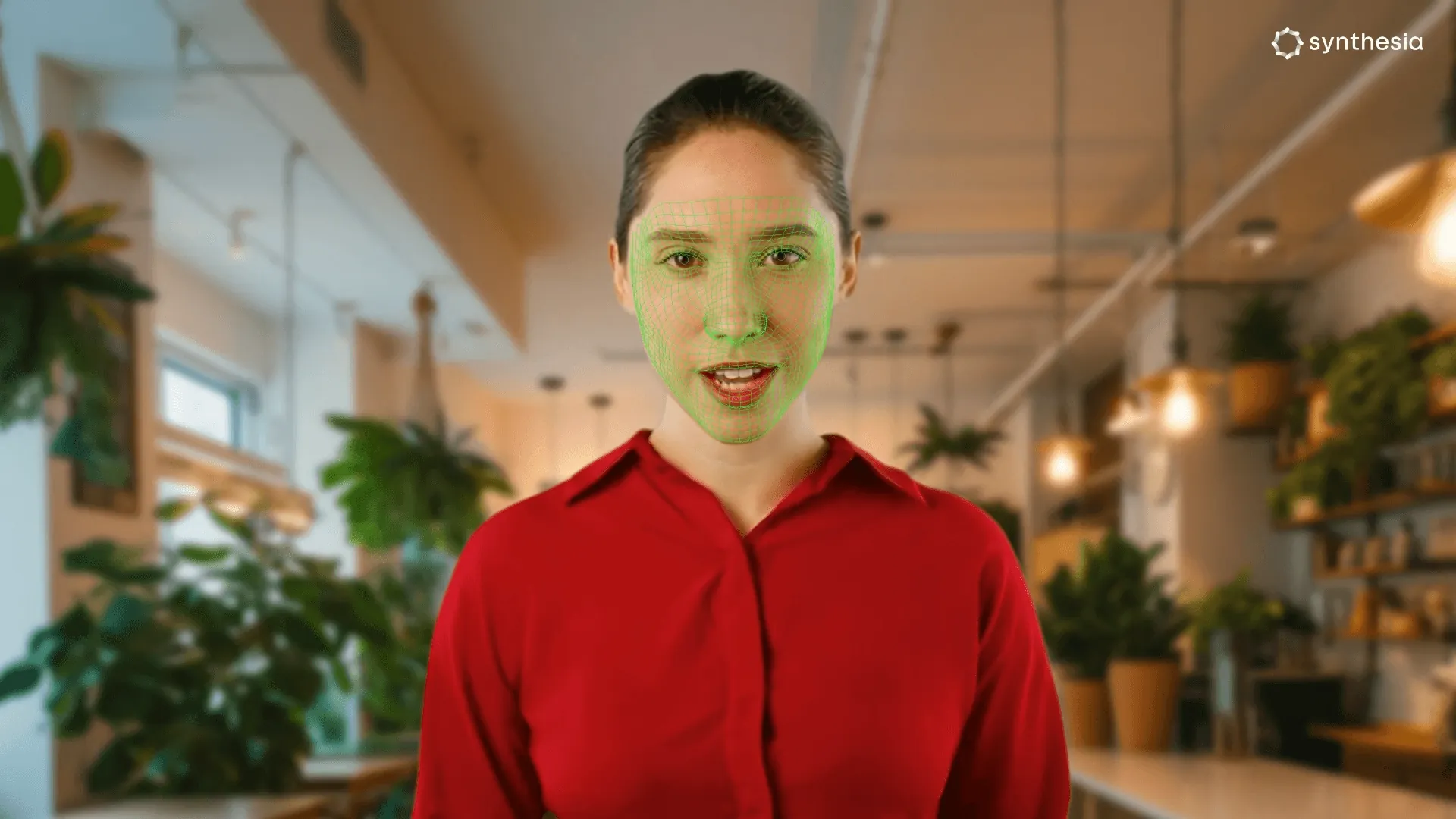
Synthesia's edge is presenter realism at enterprise scale: Express-2 avatars, tight lip sync, and dubbing into 140+ languages from a single performance, built for training and internal comms where consistency and polish matter more than authenticity.
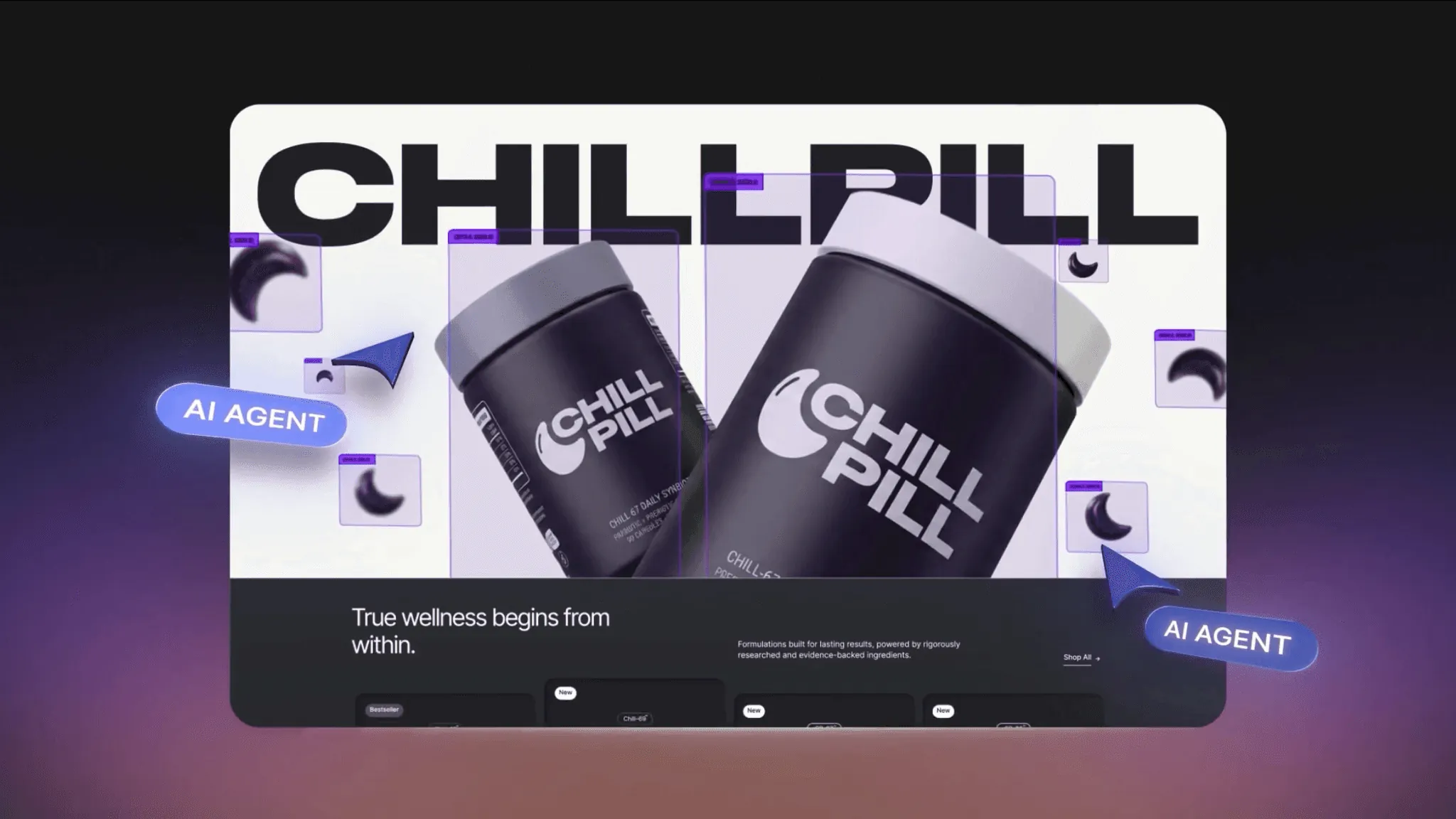
Creatify's edge is ad performance: finished creative built around a hook, pacing, and a call to action, benchmarked against other ad-generation systems. VideoAdAgent Bench v1 puts Creatify Agent at a 94% win rate against competing AI ad agents on finished-ad quality. Synthesia's corporate-polished tone works against it here; it reads as scripted where UGC-style ads need to read as authentic.
Final verdict — is Synthesia AI worth it in 2026?
Higgsfield AI is worth it for cinematic content creators who want multi-model access with real camera control in one workspace. The 70+ camera presets are a genuine differentiator, and having Veo 3.1, Kling 3.0, and Sora 2 under one subscription is legitimately useful for creative experimentation.
It's a weaker fit for performance marketers and DTC brands. The credit economics get expensive fast on premium models, unlimited access doesn't cover the models worth using, and the ad tooling isn't there.
If your goal is producing ad creative at volume with predictable costs, Creatify is built for that workflow in a way Higgsfield isn't.