ボリス・ゴンチャロフ
シェア


この記事では
2016年、北大西洋の小さな国が、Googleマップに自国を載せるよう圧力をかけるために、羊にカメラを装着しました。その2週間後、首都のホテルはすべて満室になりました。
これが旅行広告の基準です。美しいビーチの映像を撮るのは簡単です。しかし、予約を動かすことこそが難しい部分であり、以下に紹介するキャンペーンは、その両方を成し遂げました。業界の称賛を浴びると同時に、座席と客室を埋めたのです。
ここでは、2026年に学ぶべき10の旅行広告キャンペーンを、それらがもたらした成果と、それぞれから取り入れられるアイデアと共に紹介します。最近のものもあれば、現代のクラシックとも言えるもの、そして、これからの観光マーケティングの方向性を示すかもしれない最新のモデルも含まれています。
何が旅行広告を成功させるのか
最も強力な旅行キャンペーンには、いくつかの共通点があります。それらは場所ではなく、感情を売っています。メディアや一般層がそのメッセージを無料で広めてくれるよう、アーンドメディアを仕掛けます。カメラを本物の一般人やリアルなキャラクターに託すことも多いです。そして、優れた観光キャンペーンは、単なる再生回数ではなく、訪問者数や売上で成功を測定します。これらの特徴を頭に置いて読み進めてください。これらは、このリストにあるほぼすべてのクリエイティブな旅行広告の基盤となっているからです。
1. オーストラリア政府観光局:「Dundee」
2018年の第52回スーパーボウルの直前、オーストラリア政府観光局はハリウッドのキャスト陣を揃え、映画『クロコダイル・ダンディー』の新作の「偽予告編」を流しました。そして、試合中にその「映画」が、実はオーストラリアの観光広告であることを明かしたのです。
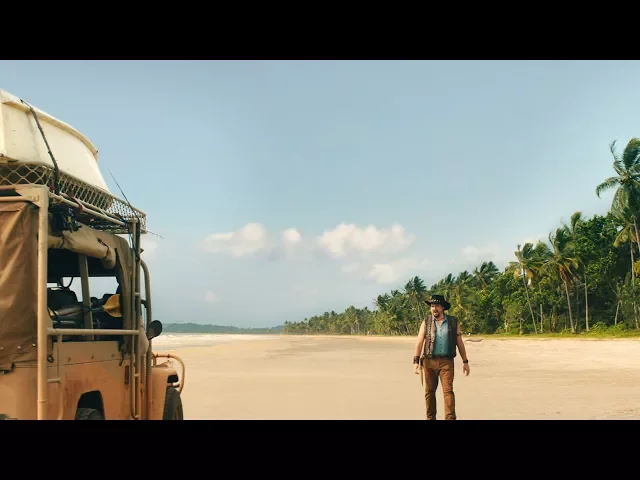
3,600万ドルを投じたこの取り組みは、経済に8億6,000万ドルの追加効果をもたらすことを目指していました。結果は期待通りでした。アメリカ人観光客のオーストラリアでの消費額は約30%増加し、この仕掛けは、度重なる広告枠購入にかかる費用の数分の一で、スーパーボウル級の広範なメディア露出を獲得しました。ここから得られる教訓は、説得力のある「ミスディレクション(誤誘導)」を仕掛けた1回の大きな勝負が、1年間のストレートな広告よりも優れた成果を上げることがあるということです。
2. アイスランド観光局:「OutHorse Your Email」
アイスランドは、2010年の「Inspired by Iceland」という震災復興キャンペーン以来、世界で最もスマートな観光戦略を静かに展開してきました。このキャンペーンは火山噴火で観光客が激減した後に実施され、予測値を27%上回る訪問者を呼び込み、経済に1億3,870万ポンドをもたらしました。
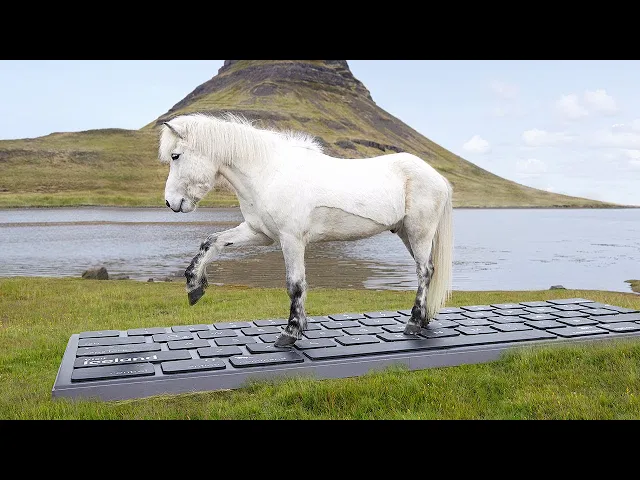
そして、2022年の後続キャンペーンこそが、人々の記憶に強く残っているものです。OutHorse Your Emailは、休暇中の人々が仕事のメールの受信トレイを、アイスランドの馬が歩きながら踏み分ける巨大なキーボードに委ねるという仕組みでした。これは贅沢な皮肉であり、常に連絡が取れる状態にある文化に対するユーモアで、疲れ果てたビジネスパーソンをターゲットにしました。このキャンペーンは37億回のインプレッション、680万ドル相当のアーンドメディア、そして米国におけるアイスランドへの旅行意欲の16.8%向上を達成しました。ここから得られる教訓は、旅行者が抱える本質的な感情の課題(ここでは「仕事から離れられないこと」)を解決すれば、商品は自ずと売れるということです。
3. フェロー諸島観光局:「Sheep View 360」
予算がほとんどなかったフェロー諸島観光局は、羊の背中に360度カメラを取り付けてその映像を公開し、これまで諸島を無視していたGoogleに対してストリートビューを導入するよう、公に促しました。
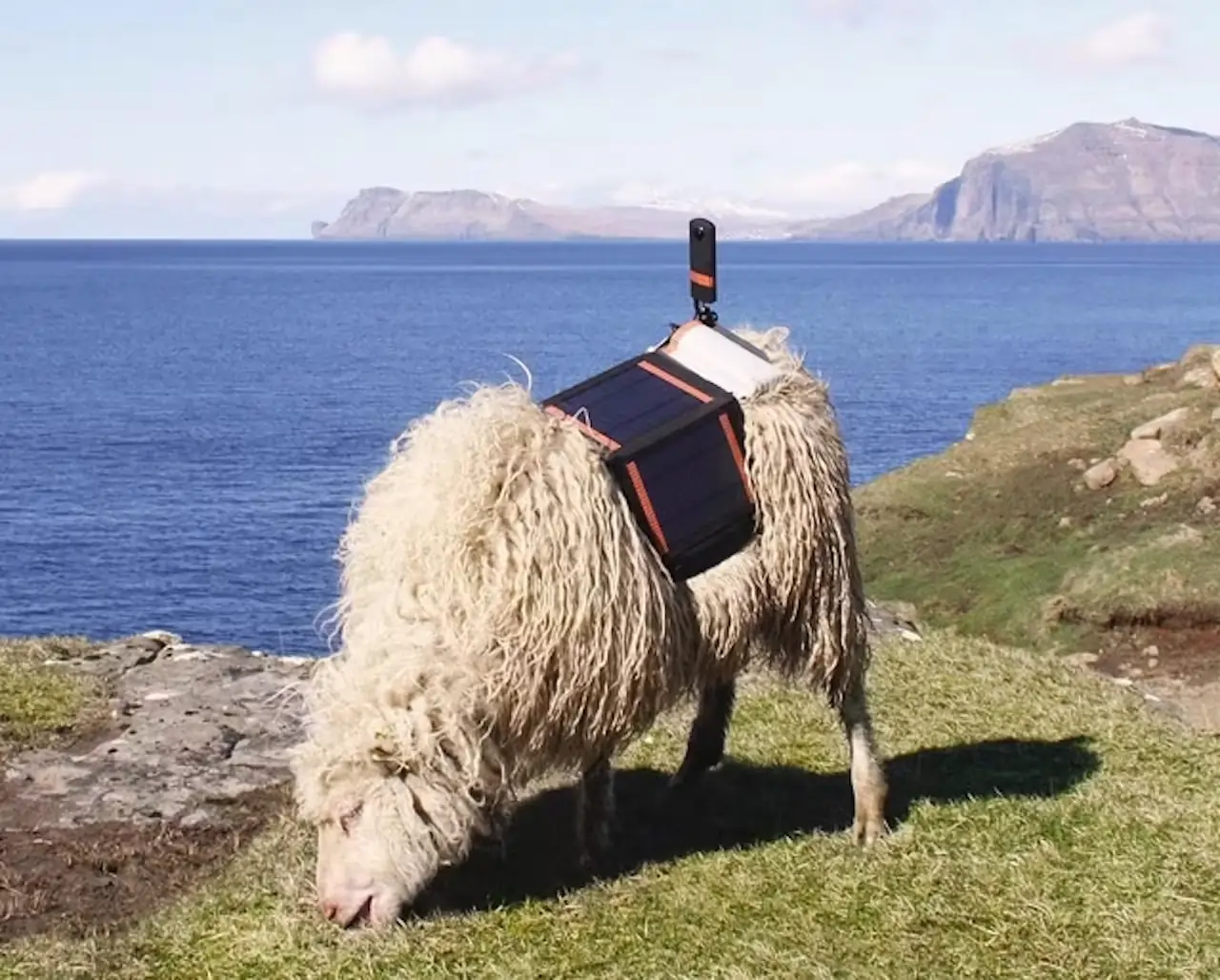
Googleはこれに注目して撮影チームを派遣し、この弱者が大企業に挑むストーリーは世界中に拡散されました。2週間も経たないうちに、首都トースハウンのホテルは完売となり、その後の数年間で訪問者数は約30%増加しました。ここから得られる教訓は、巨大ブランドを相手にしたスマートな「挑発」を行えば、小さな目的地でも、本来なら到底手が届かないような数百万ドル規模の注目を呼び込めるということです。
4. Go Vilnius:「The G-Spot of Europe(ヨーロッパのGスポット)」
2018年、リトアニアの首都は「誰も場所を知らない都市」から脱却することを決意しました。Go Vilniusは、「The G-Spot of Europe」という、意図的にきわどいスローガンを掲げ、「誰もどこにあるのか知らないが、見つければ素晴らしい場所」というコピーと共に送り出しました。
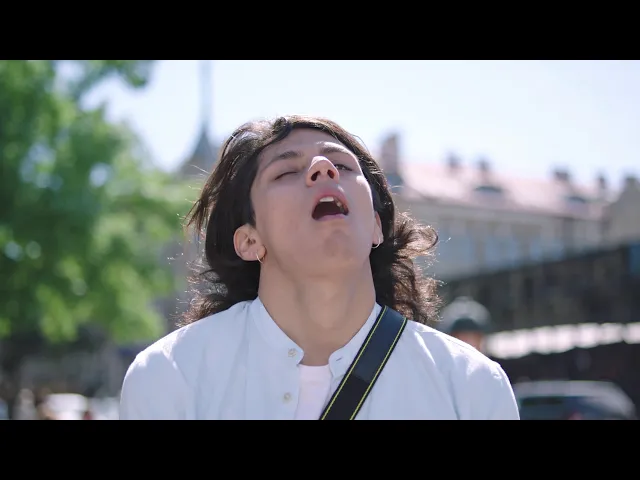
このリスクは報われました。キャンペーンは1,000以上のメディアを通じて約6億人にリーチし、同都市のGoogle検索数は3倍になり、観光客数は約12%増加、そしてインターナショナル・トラベル・アンド・ツーリズム・ゴールドアワードを受賞しました。これは過去10年間で最も大胆な観光キャンペーンの一つであり続けています。ここから得られる教訓は、本気で面白いと思えるエッジの効いたアイデアは、無難で洗練されたアイデアよりもはるか遠くまで届くということです。
5. スイス政府観光局:「No Drama」
スイス政府観光局は、ロジャー・フェデラーとロバート・デ・ニーロをコメディタッチのPR動画シリーズで共演させました。テニスのスターであるフェデラーが、乗り気でないデ・ニーロをスイス観光動画への出演に誘う一方で、背景の美しいスイスの景色が本物の説得力を放つという内容です。
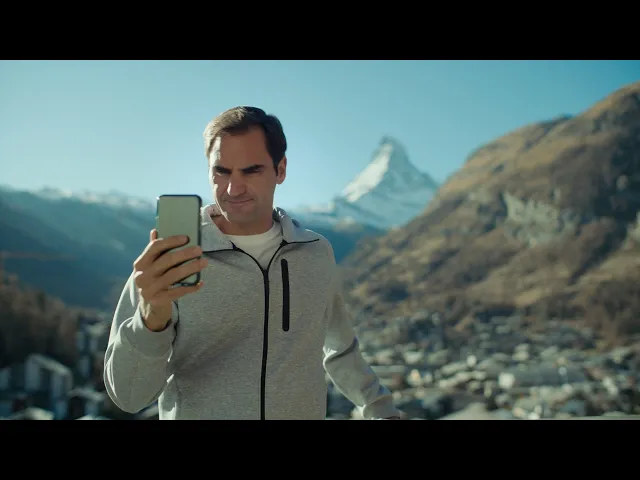
このシリーズはクリック率最大3.5%に達し、広告想起率を15.1%高め、カンヌYouTube広告リーダーボードのトップ10に入りました。スイス政府観光局は、フェデラーとのパートナーシップをこれまでで最も成功したグローバルキャンペーンと位置づけています。ここでの数値は予約数ではなく、エンゲージメントと広告想起率であるため、いかに人の目を惹きつけるかの優れたお手本として捉えてください。ここから得られる教訓は、セレブリティがブランドのトーンに合っていれば強力なブランドの力を発揮すること、そしてユーモアを加えることで、美しい観光地の広告が単なる絵葉書のように退屈に見えるのを防ぐことができるということです。
6. ウエストジェット航空:「Christmas Miracle(クリスマスの奇跡)」
カナダの航空会社ウエストジェット航空は、搭乗客にクリスマスに何が欲しいかを尋ね、目的地に到着した際、手荷物受け取り用コンベアにその通りのプレゼントを用意してサプライズを行いました。その様子を撮影した動画は3,500万回以上再生されました。
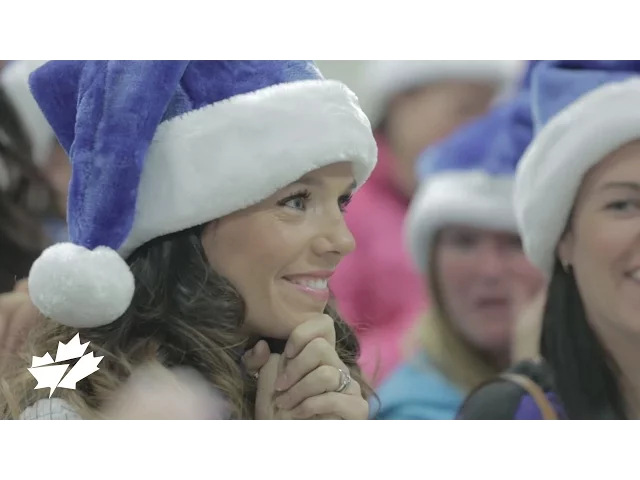
この好意的な取り組みはしっかりと成果につながりました。ウエストジェットは、前年比で売上が86%増加、予約数が77%増加、サイト訪問数が100%増加したと報告し、その後の同様のキャンペーンでは、800万ドルから1,100万ドルの直接売上を叩き出しました。ここから得られる教訓は、深く心を揺さぶる瞬間をプロの手で捉えることができれば、単なるイメージアップにとどまらず、確実な収益をもたらすことができるということです。
7. Airbnb:「アイコン(Icons)」
2024年、Airbnbは「アイコン(Icons)」という、これまで体験できなかった特別な宿泊カテゴリを立ち上げました。映画『カールおじさんの空飛ぶ家』のように風船で浮かぶ家で過ごす夜や、フェラーリ・ミュージアムでの宿泊など、新たな発表があるたびにメディアが大きく取り上げました。
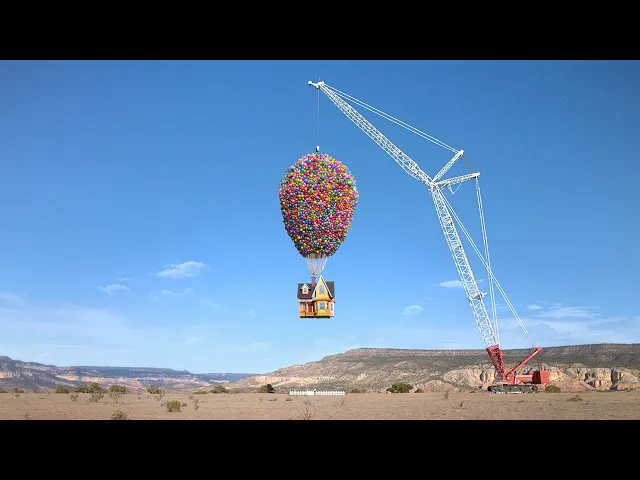
この戦略はアワードシーンを席巻し、カンヌライオンズで4つの賞を獲得したほか、年間を通じて11の主要な賞を受賞しました。Airbnbは、アイコンが単一の予約件数の増加ではなく、認知度と話題性を高めるためのブランド投資であることを率直に認めています。ここから得られる教訓は、希少性と演出がアーンドメディアを生み出すこと、そして規模を持つブランドであれば、認知のための長期的な投資を十分に行う価値があるということです。
8. ミネソタ州観光局:「Bring Ya A**(さっさと来い)」
2024年のNBAプレーオフ中、ティンバーウルブズのスター、アンソニー・エドワーズは、「(ミネソタには)20年以上訪れていない」と明かしたチャールズ・バークレーに対して、テレビの生放送で「ミネソタにさっさと来い(bring ya a** to Minnesota)」と言い放ちました。このクリップは数分のうちにネット上で拡散されました。
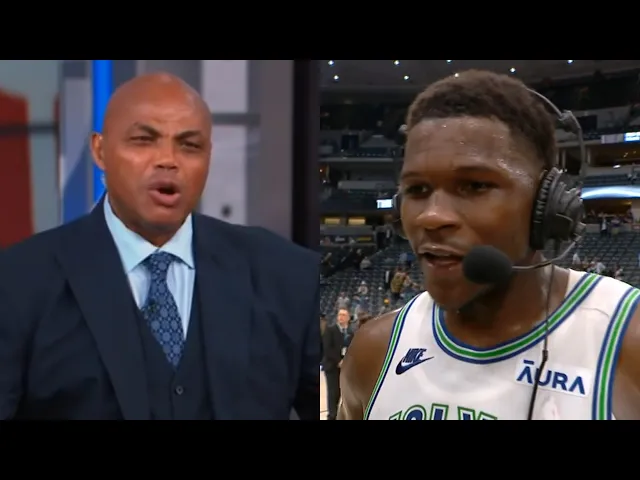
ミネソタ州の観光局であるExplore Minnesotaは、このフィルターのない台詞から逃げ出す代わりに、それを観光プロモーションとして受け入れました。彼らはソーシャルやデジタルツール全体で「Bring Ya A**」をキャッチコピーとして採用。さらにあるファンが「bringyaass.com」というドメインを購入して、Explore Minnesotaのホームページにリダイレクトさせ、州知事でさえも公式スローガンをこれに変更することを冗談交じりに示唆しました。
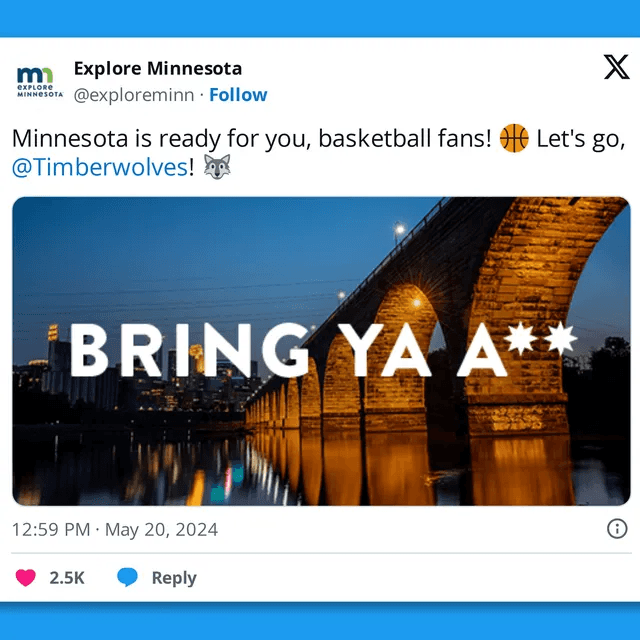
この動きは、お行儀の良い「Minnesota Nice(親切なミネソタ人)」というこれまでのステレオタイプを覆し、何気ないスポーツ選手の発言を、近年で最も話題を集めた同州への観光の勧誘へと昇華させました。この成果は、確実な予約数字の増加というよりも、アーンドメディアと注目度の向上であり、このような瞬間の価値を如実に示しています。ここから得られる教訓は、インターネットから絶好のチャンスを与えられたときには、スピード感とユーモアのセンスこそが、事前のフォーカスグループによる計画を打ち負かすということです。
9. TikTokにおけるライアンエアー
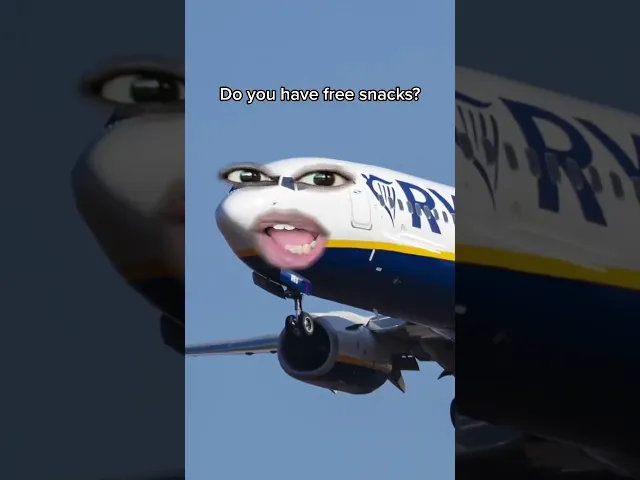
格安航空会社のライアンエアーは、自虐的なミーム、おもちゃの目がついた喋る飛行機のフィルター、そして乗客からの苦情に対するぶっちゃけた返信などを駆使して、長年をかけて旅行業界で最も見られているソーシャルアカウントを築き上げ、TikTokでは210万人のフォロワーと3,360万件の「いいね」を獲得しています。そのほぼすべてがオーガニック配信による成果です。
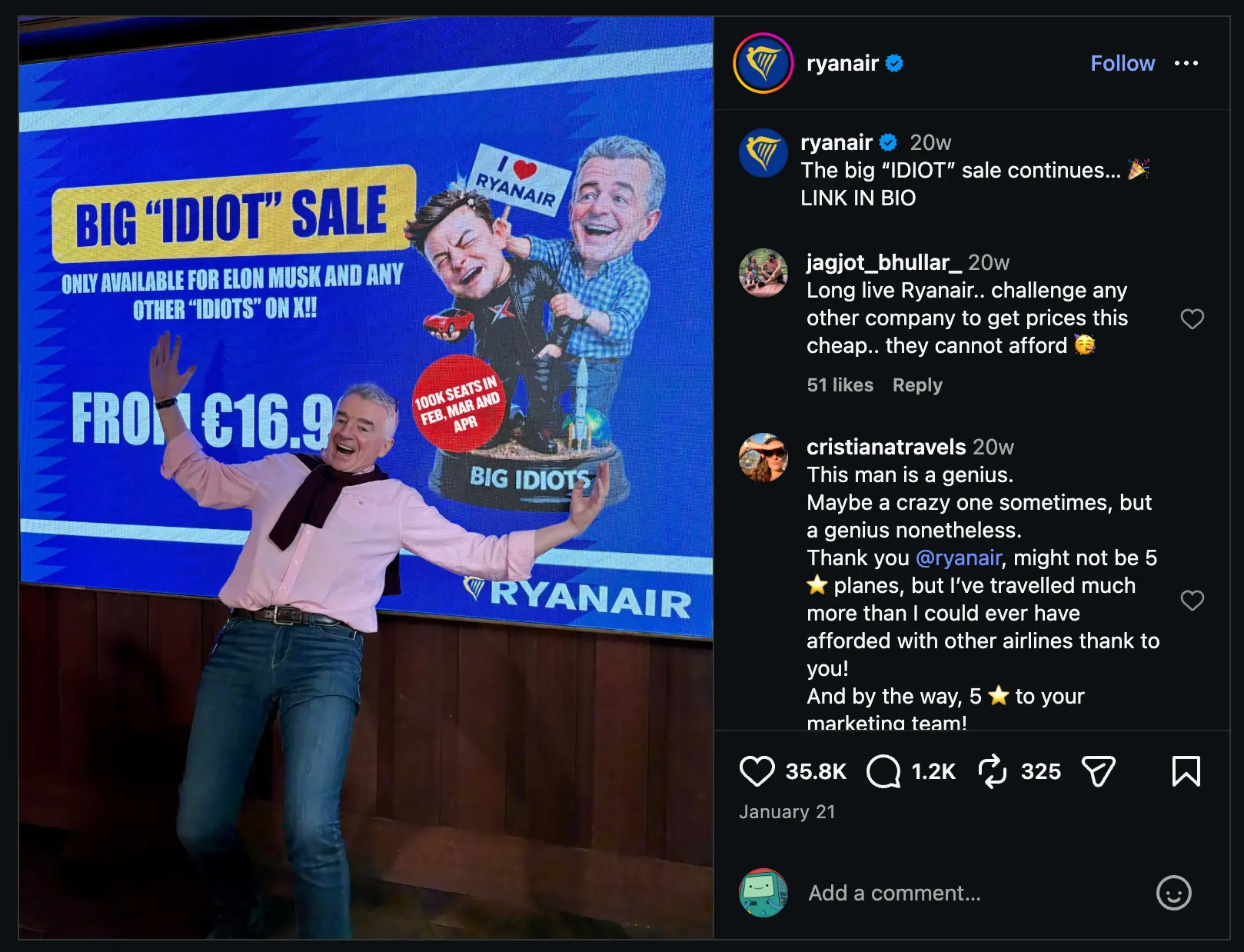
2026年、彼らは完璧な「相手」を見つけました。ライアンエアーのボスであるマイケル・オライリーが、所有する機体にStarlinkのWiFiを搭載するかどうかの議論の中で、イーロン・マスクを「愚か者(idiot)」と呼んだ後、マスクはX(旧Twitter)上で対抗し、オライリーを「大馬鹿者」「白痴」と罵倒しました。慎重な企業としての返信をする代わりに、ライアンエアーは「The Big Idiot Seat Sale(大馬鹿者シートセール)」を開始しました。料金は16.99ポンドからで、10万席を提供。ライアンエアー特有のペイントソフト(MS-Paint)で描いたようなスタイルで、「マスクが買う前に手に入れろ!!!」といったコピーを投稿し、さらにはXのダブリンオフィスに無料の航空券を手渡しで届けにまで行きました。このキャンペーンにかかった費用はほぼゼロでありながら、ソーシャル上の侮辱を、同社とその航空路線に対する数日間に及ぶプロモーションのチャンスに変えたのです。ここから得られる教訓は、明確でブレない『ブランドのトーン』を持っていれば、数週間ではなく『数時間』で動く迅速ささえあれば、競合からの攻撃をもその年で最高の広告へと変換できるということです。
10. カナリア諸島政府観光局:「An Island of You(あなただけの島)」
このリストにある最新の事例は、一見すると広告のようには見えません。Forbesが2026年に報じたように、カナリア諸島政府観光局は、従来の広告配信を繰り返す代わりに、島全体を舞台にした完全出資のロマンチックコメディ映画『A Una Isla De Ti(あなただけの島)』を共同制作しました。
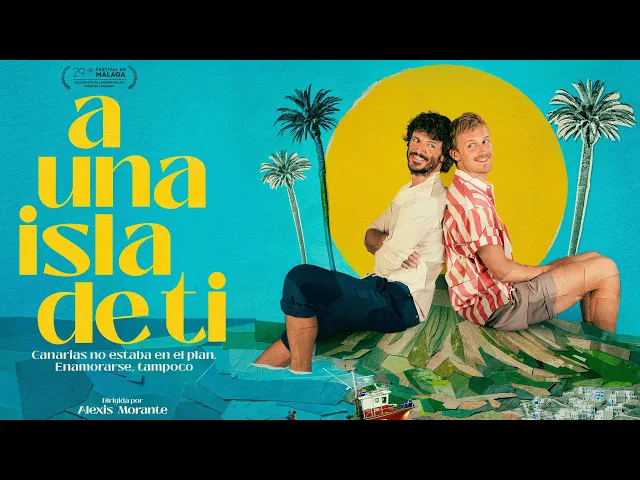
この映画はすでにスペイン国内でのHBO Maxでの配信枠を確保しており、国際的な配給交渉も進んでいます。また、長期的には食、田舎での暮らし、文化へと多角化できる長期プロモーションとしての基盤として設計されています。訪問客数に与える効果については今後明らかになる段階のため、これは実績というよりも最先端の挑戦です。ここから得られる教訓は、ユーザーを邪魔するのではなく「楽しませること」を中心とした『ブランド主導のエンターテインメント』は、従来の30秒広告では成し得なかった方法でその目的地のポジションを確立できるということです。
旅行ブランドが2026年に取り入れられること
これらの観光キャンペーンを削ぎ落としていくと、共通したパターンが繰り返し現れます。「感情を伝える」「毎回プロモーション費用を支払う代わりに、アーンドメディアを巻き起こす」「本物の人々やリアルなキャラクターにメッセージを託す」「インフルエンサーを活用すること」「そして、アワードの受賞では客室が埋まらないため、実質的な訪問者数や売上で測定すること」です。この旅行マーケティングの基礎こそが、大ヒットを収めた観光マーケティングキャンペーンの背後にある、再現性の高い成功の公式に近いものです。
そして、そのほとんどを結びつけている一本のラインが「強力なビデオクリエイティブ」です。かつてビデオ制作は多額の予算がある大企業だけの特権であり、だからこそこのリストも国の観光局や航空会社に偏っていました。しかし、AIビデオ制作ツールが登場したことで、その参入障壁は一気に下がりました。例えば、Creatifyのようなプラットフォームを活用すれば、ホテル、ツアー運営者、あるいは地域コミュニティが、スーパーボウルのような予算を投じることなく、自社の場所や宿泊施設を数十もの言語での動画広告に変換し、ソーシャルメディアやコネクテッドTV向けのフォーマットに最適化して数分で制作できます。上記で紹介した優れたマーケティングキャンペーンは、大きな『一打』のスゴさを示しています。より小規模な旅行ブランドにとって重要なのは、今やあなた自身がそのような『一打』をより高い頻度で、自ら放つことができるようになったということです。
関連記事: 本物の成果を出す広告の作り方
よくある質問(FAQ)
優れた旅行広告キャンペーンの要素とは何ですか?
優れた旅行広告キャンペーンは、機能のリストを伝えるのではなく「感情」を売り込み、人々が無料で体験を広めたくなるアーンドメディアを構築し、実際の予約や訪問者数といった具体的なビジネスの成果に結びつけます。フェロー諸島やヴィリニュスの事例が示すように、制作予算よりも「明確で他とは異なるアイデア」の重要性が勝ります。
これまでの歴史において最高の観光キャンペーンは何ですか?
よく挙げられる最高の観光キャンペーンとしては、オーストラリア政府観光局のスーパーボウルでの「Dundee」の仕掛け、アイスランドの「Inspired by Iceland」や「OutHorse Your Email」、フェロー諸島の「Sheep View 360」、そしてヴィリニュスの「G-Spot of Europe」などがあります。それぞれが、記憶に残る創造的なアイデアと、旅行支出、検索数、または訪問数の具体的な増加を組み合わせています。
観光局は、キャンペーンが実際に客室や座席を埋めることができたかをどのように測定していますか?
彼らは、到着旅客数、ホテルの宿泊数、旅行消費額、目的地への検索ボリューム、旅行意欲に関するブランドリサーチなどを測定し、通常はキャンペーン期間を当初の予測や前年の数値と比較します。例えば、オーストラリア政府観光局の「Dundee」キャンペーンは、増加したアメリカ人旅行者の消費額を基準にその成果が判断されました。
低予算でも実施できる旅行マーケティングのアイデアはありますか?
効果を上げた低予算の旅行マーケティングのアイデアには、アーンドメディアを活用した施策(フェロー諸島の羊のカメラ)、エッジの効いたスローガン(ヴィリニュス)、そして独自のトーンで構築された一貫したソーシャルメディア戦略(TikTok上のライアンエアー)などがあります。共通しているのは、莫大な広告費ではなく、一度見たら忘れられないようなアイデアとオーガニックなリーチの掛け合わせです。
2026年において、クリエイティブな旅行広告を際立たせるものは何ですか?
クリエイティブな旅行広告が際立つのは、「ユーモア」「驚き」または「本物の感情」など、人々が自らシェアしたくなるような何かを提供している場合であり、さらに、それぞれのプラットフォームやターゲット層に最適化されたスマートな動画として配信されている場合です。カナリア諸島政府観光局の長編映画のような『ブランド主導のエンターテインメント』は、従来の広告フォーマットを超えて目立つための新たな手段となりつつあります。
2016年、北大西洋の小さな国が、Googleマップに自国を載せるよう圧力をかけるために、羊にカメラを装着しました。その2週間後、首都のホテルはすべて満室になりました。
これが旅行広告の基準です。美しいビーチの映像を撮るのは簡単です。しかし、予約を動かすことこそが難しい部分であり、以下に紹介するキャンペーンは、その両方を成し遂げました。業界の称賛を浴びると同時に、座席と客室を埋めたのです。
ここでは、2026年に学ぶべき10の旅行広告キャンペーンを、それらがもたらした成果と、それぞれから取り入れられるアイデアと共に紹介します。最近のものもあれば、現代のクラシックとも言えるもの、そして、これからの観光マーケティングの方向性を示すかもしれない最新のモデルも含まれています。
何が旅行広告を成功させるのか
最も強力な旅行キャンペーンには、いくつかの共通点があります。それらは場所ではなく、感情を売っています。メディアや一般層がそのメッセージを無料で広めてくれるよう、アーンドメディアを仕掛けます。カメラを本物の一般人やリアルなキャラクターに託すことも多いです。そして、優れた観光キャンペーンは、単なる再生回数ではなく、訪問者数や売上で成功を測定します。これらの特徴を頭に置いて読み進めてください。これらは、このリストにあるほぼすべてのクリエイティブな旅行広告の基盤となっているからです。
1. オーストラリア政府観光局:「Dundee」
2018年の第52回スーパーボウルの直前、オーストラリア政府観光局はハリウッドのキャスト陣を揃え、映画『クロコダイル・ダンディー』の新作の「偽予告編」を流しました。そして、試合中にその「映画」が、実はオーストラリアの観光広告であることを明かしたのです。
3,600万ドルを投じたこの取り組みは、経済に8億6,000万ドルの追加効果をもたらすことを目指していました。結果は期待通りでした。アメリカ人観光客のオーストラリアでの消費額は約30%増加し、この仕掛けは、度重なる広告枠購入にかかる費用の数分の一で、スーパーボウル級の広範なメディア露出を獲得しました。ここから得られる教訓は、説得力のある「ミスディレクション(誤誘導)」を仕掛けた1回の大きな勝負が、1年間のストレートな広告よりも優れた成果を上げることがあるということです。
2. アイスランド観光局:「OutHorse Your Email」
アイスランドは、2010年の「Inspired by Iceland」という震災復興キャンペーン以来、世界で最もスマートな観光戦略を静かに展開してきました。このキャンペーンは火山噴火で観光客が激減した後に実施され、予測値を27%上回る訪問者を呼び込み、経済に1億3,870万ポンドをもたらしました。
そして、2022年の後続キャンペーンこそが、人々の記憶に強く残っているものです。OutHorse Your Emailは、休暇中の人々が仕事のメールの受信トレイを、アイスランドの馬が歩きながら踏み分ける巨大なキーボードに委ねるという仕組みでした。これは贅沢な皮肉であり、常に連絡が取れる状態にある文化に対するユーモアで、疲れ果てたビジネスパーソンをターゲットにしました。このキャンペーンは37億回のインプレッション、680万ドル相当のアーンドメディア、そして米国におけるアイスランドへの旅行意欲の16.8%向上を達成しました。ここから得られる教訓は、旅行者が抱える本質的な感情の課題(ここでは「仕事から離れられないこと」)を解決すれば、商品は自ずと売れるということです。
3. フェロー諸島観光局:「Sheep View 360」
予算がほとんどなかったフェロー諸島観光局は、羊の背中に360度カメラを取り付けてその映像を公開し、これまで諸島を無視していたGoogleに対してストリートビューを導入するよう、公に促しました。
Googleはこれに注目して撮影チームを派遣し、この弱者が大企業に挑むストーリーは世界中に拡散されました。2週間も経たないうちに、首都トースハウンのホテルは完売となり、その後の数年間で訪問者数は約30%増加しました。ここから得られる教訓は、巨大ブランドを相手にしたスマートな「挑発」を行えば、小さな目的地でも、本来なら到底手が届かないような数百万ドル規模の注目を呼び込めるということです。
4. Go Vilnius:「The G-Spot of Europe(ヨーロッパのGスポット)」
2018年、リトアニアの首都は「誰も場所を知らない都市」から脱却することを決意しました。Go Vilniusは、「The G-Spot of Europe」という、意図的にきわどいスローガンを掲げ、「誰もどこにあるのか知らないが、見つければ素晴らしい場所」というコピーと共に送り出しました。
このリスクは報われました。キャンペーンは1,000以上のメディアを通じて約6億人にリーチし、同都市のGoogle検索数は3倍になり、観光客数は約12%増加、そしてインターナショナル・トラベル・アンド・ツーリズム・ゴールドアワードを受賞しました。これは過去10年間で最も大胆な観光キャンペーンの一つであり続けています。ここから得られる教訓は、本気で面白いと思えるエッジの効いたアイデアは、無難で洗練されたアイデアよりもはるか遠くまで届くということです。
5. スイス政府観光局:「No Drama」
スイス政府観光局は、ロジャー・フェデラーとロバート・デ・ニーロをコメディタッチのPR動画シリーズで共演させました。テニスのスターであるフェデラーが、乗り気でないデ・ニーロをスイス観光動画への出演に誘う一方で、背景の美しいスイスの景色が本物の説得力を放つという内容です。
このシリーズはクリック率最大3.5%に達し、広告想起率を15.1%高め、カンヌYouTube広告リーダーボードのトップ10に入りました。スイス政府観光局は、フェデラーとのパートナーシップをこれまでで最も成功したグローバルキャンペーンと位置づけています。ここでの数値は予約数ではなく、エンゲージメントと広告想起率であるため、いかに人の目を惹きつけるかの優れたお手本として捉えてください。ここから得られる教訓は、セレブリティがブランドのトーンに合っていれば強力なブランドの力を発揮すること、そしてユーモアを加えることで、美しい観光地の広告が単なる絵葉書のように退屈に見えるのを防ぐことができるということです。
6. ウエストジェット航空:「Christmas Miracle(クリスマスの奇跡)」
カナダの航空会社ウエストジェット航空は、搭乗客にクリスマスに何が欲しいかを尋ね、目的地に到着した際、手荷物受け取り用コンベアにその通りのプレゼントを用意してサプライズを行いました。その様子を撮影した動画は3,500万回以上再生されました。
この好意的な取り組みはしっかりと成果につながりました。ウエストジェットは、前年比で売上が86%増加、予約数が77%増加、サイト訪問数が100%増加したと報告し、その後の同様のキャンペーンでは、800万ドルから1,100万ドルの直接売上を叩き出しました。ここから得られる教訓は、深く心を揺さぶる瞬間をプロの手で捉えることができれば、単なるイメージアップにとどまらず、確実な収益をもたらすことができるということです。
7. Airbnb:「アイコン(Icons)」
2024年、Airbnbは「アイコン(Icons)」という、これまで体験できなかった特別な宿泊カテゴリを立ち上げました。映画『カールおじさんの空飛ぶ家』のように風船で浮かぶ家で過ごす夜や、フェラーリ・ミュージアムでの宿泊など、新たな発表があるたびにメディアが大きく取り上げました。
この戦略はアワードシーンを席巻し、カンヌライオンズで4つの賞を獲得したほか、年間を通じて11の主要な賞を受賞しました。Airbnbは、アイコンが単一の予約件数の増加ではなく、認知度と話題性を高めるためのブランド投資であることを率直に認めています。ここから得られる教訓は、希少性と演出がアーンドメディアを生み出すこと、そして規模を持つブランドであれば、認知のための長期的な投資を十分に行う価値があるということです。
8. ミネソタ州観光局:「Bring Ya A**(さっさと来い)」
2024年のNBAプレーオフ中、ティンバーウルブズのスター、アンソニー・エドワーズは、「(ミネソタには)20年以上訪れていない」と明かしたチャールズ・バークレーに対して、テレビの生放送で「ミネソタにさっさと来い(bring ya a** to Minnesota)」と言い放ちました。このクリップは数分のうちにネット上で拡散されました。
ミネソタ州の観光局であるExplore Minnesotaは、このフィルターのない台詞から逃げ出す代わりに、それを観光プロモーションとして受け入れました。彼らはソーシャルやデジタルツール全体で「Bring Ya A**」をキャッチコピーとして採用。さらにあるファンが「bringyaass.com」というドメインを購入して、Explore Minnesotaのホームページにリダイレクトさせ、州知事でさえも公式スローガンをこれに変更することを冗談交じりに示唆しました。
この動きは、お行儀の良い「Minnesota Nice(親切なミネソタ人)」というこれまでのステレオタイプを覆し、何気ないスポーツ選手の発言を、近年で最も話題を集めた同州への観光の勧誘へと昇華させました。この成果は、確実な予約数字の増加というよりも、アーンドメディアと注目度の向上であり、このような瞬間の価値を如実に示しています。ここから得られる教訓は、インターネットから絶好のチャンスを与えられたときには、スピード感とユーモアのセンスこそが、事前のフォーカスグループによる計画を打ち負かすということです。
9. TikTokにおけるライアンエアー
格安航空会社のライアンエアーは、自虐的なミーム、おもちゃの目がついた喋る飛行機のフィルター、そして乗客からの苦情に対するぶっちゃけた返信などを駆使して、長年をかけて旅行業界で最も見られているソーシャルアカウントを築き上げ、TikTokでは210万人のフォロワーと3,360万件の「いいね」を獲得しています。そのほぼすべてがオーガニック配信による成果です。
2026年、彼らは完璧な「相手」を見つけました。ライアンエアーのボスであるマイケル・オライリーが、所有する機体にStarlinkのWiFiを搭載するかどうかの議論の中で、イーロン・マスクを「愚か者(idiot)」と呼んだ後、マスクはX(旧Twitter)上で対抗し、オライリーを「大馬鹿者」「白痴」と罵倒しました。慎重な企業としての返信をする代わりに、ライアンエアーは「The Big Idiot Seat Sale(大馬鹿者シートセール)」を開始しました。料金は16.99ポンドからで、10万席を提供。ライアンエアー特有のペイントソフト(MS-Paint)で描いたようなスタイルで、「マスクが買う前に手に入れろ!!!」といったコピーを投稿し、さらにはXのダブリンオフィスに無料の航空券を手渡しで届けにまで行きました。このキャンペーンにかかった費用はほぼゼロでありながら、ソーシャル上の侮辱を、同社とその航空路線に対する数日間に及ぶプロモーションのチャンスに変えたのです。ここから得られる教訓は、明確でブレない『ブランドのトーン』を持っていれば、数週間ではなく『数時間』で動く迅速ささえあれば、競合からの攻撃をもその年で最高の広告へと変換できるということです。
10. カナリア諸島政府観光局:「An Island of You(あなただけの島)」
このリストにある最新の事例は、一見すると広告のようには見えません。Forbesが2026年に報じたように、カナリア諸島政府観光局は、従来の広告配信を繰り返す代わりに、島全体を舞台にした完全出資のロマンチックコメディ映画『A Una Isla De Ti(あなただけの島)』を共同制作しました。
この映画はすでにスペイン国内でのHBO Maxでの配信枠を確保しており、国際的な配給交渉も進んでいます。また、長期的には食、田舎での暮らし、文化へと多角化できる長期プロモーションとしての基盤として設計されています。訪問客数に与える効果については今後明らかになる段階のため、これは実績というよりも最先端の挑戦です。ここから得られる教訓は、ユーザーを邪魔するのではなく「楽しませること」を中心とした『ブランド主導のエンターテインメント』は、従来の30秒広告では成し得なかった方法でその目的地のポジションを確立できるということです。
旅行ブランドが2026年に取り入れられること
これらの観光キャンペーンを削ぎ落としていくと、共通したパターンが繰り返し現れます。「感情を伝える」「毎回プロモーション費用を支払う代わりに、アーンドメディアを巻き起こす」「本物の人々やリアルなキャラクターにメッセージを託す」「インフルエンサーを活用すること」「そして、アワードの受賞では客室が埋まらないため、実質的な訪問者数や売上で測定すること」です。この旅行マーケティングの基礎こそが、大ヒットを収めた観光マーケティングキャンペーンの背後にある、再現性の高い成功の公式に近いものです。
そして、そのほとんどを結びつけている一本のラインが「強力なビデオクリエイティブ」です。かつてビデオ制作は多額の予算がある大企業だけの特権であり、だからこそこのリストも国の観光局や航空会社に偏っていました。しかし、AIビデオ制作ツールが登場したことで、その参入障壁は一気に下がりました。例えば、Creatifyのようなプラットフォームを活用すれば、ホテル、ツアー運営者、あるいは地域コミュニティが、スーパーボウルのような予算を投じることなく、自社の場所や宿泊施設を数十もの言語での動画広告に変換し、ソーシャルメディアやコネクテッドTV向けのフォーマットに最適化して数分で制作できます。上記で紹介した優れたマーケティングキャンペーンは、大きな『一打』のスゴさを示しています。より小規模な旅行ブランドにとって重要なのは、今やあなた自身がそのような『一打』をより高い頻度で、自ら放つことができるようになったということです。
関連記事: 本物の成果を出す広告の作り方
よくある質問(FAQ)
優れた旅行広告キャンペーンの要素とは何ですか?
優れた旅行広告キャンペーンは、機能のリストを伝えるのではなく「感情」を売り込み、人々が無料で体験を広めたくなるアーンドメディアを構築し、実際の予約や訪問者数といった具体的なビジネスの成果に結びつけます。フェロー諸島やヴィリニュスの事例が示すように、制作予算よりも「明確で他とは異なるアイデア」の重要性が勝ります。
これまでの歴史において最高の観光キャンペーンは何ですか?
よく挙げられる最高の観光キャンペーンとしては、オーストラリア政府観光局のスーパーボウルでの「Dundee」の仕掛け、アイスランドの「Inspired by Iceland」や「OutHorse Your Email」、フェロー諸島の「Sheep View 360」、そしてヴィリニュスの「G-Spot of Europe」などがあります。それぞれが、記憶に残る創造的なアイデアと、旅行支出、検索数、または訪問数の具体的な増加を組み合わせています。
観光局は、キャンペーンが実際に客室や座席を埋めることができたかをどのように測定していますか?
彼らは、到着旅客数、ホテルの宿泊数、旅行消費額、目的地への検索ボリューム、旅行意欲に関するブランドリサーチなどを測定し、通常はキャンペーン期間を当初の予測や前年の数値と比較します。例えば、オーストラリア政府観光局の「Dundee」キャンペーンは、増加したアメリカ人旅行者の消費額を基準にその成果が判断されました。
低予算でも実施できる旅行マーケティングのアイデアはありますか?
効果を上げた低予算の旅行マーケティングのアイデアには、アーンドメディアを活用した施策(フェロー諸島の羊のカメラ)、エッジの効いたスローガン(ヴィリニュス)、そして独自のトーンで構築された一貫したソーシャルメディア戦略(TikTok上のライアンエアー)などがあります。共通しているのは、莫大な広告費ではなく、一度見たら忘れられないようなアイデアとオーガニックなリーチの掛け合わせです。
2026年において、クリエイティブな旅行広告を際立たせるものは何ですか?
クリエイティブな旅行広告が際立つのは、「ユーモア」「驚き」または「本物の感情」など、人々が自らシェアしたくなるような何かを提供している場合であり、さらに、それぞれのプラットフォームやターゲット層に最適化されたスマートな動画として配信されている場合です。カナリア諸島政府観光局の長編映画のような『ブランド主導のエンターテインメント』は、従来の広告フォーマットを超えて目立つための新たな手段となりつつあります。