Creatify チーム
シェア


この記事では
Meta、Google、TikTokにはいずれも、配信中のすべての広告に透明性を提供する広告ライブラリが存在します。これらの広告ライブラリの使い方と検索方法をマスターすれば、貴重なデータの巨大な宝庫にアクセスできるようになります。これらの広告ライブラリを活用すれば、最もパフォーマンスの高い広告を無料でソートして見つけ出すことができ、広告について学ぶための素晴らしいスタートラインとなります。
既存の広告、そのインプレッション数、そして配信期間を調べることで、その広告が費用に見合うものかどうかを見極めるインサイトが得られます。長期間配信されている広告は、その構成やフック(訴求)のコンバージョン率が非常に高い可能性を示している一方で、1週間しか配信されていない広告は、フックや広告の切り口が良くなかった可能性を示唆しています。
この記事では、競合他社の広告アクティビティを特定し、成果を上げている潜在的なフックを分析するために、さまざまな広告ライブラリや透明性センターを使い始める方法を紹介します。さらに、複数の広告ライブラリを横断して検索することで、PC上の画像広告やスマートフォン上の動画広告など、さまざまなプラットフォームやデバイスにおける既存の広告市場の全体像を包括的に把握することができます。
重要なポイント
広告ライブラリは、パフォーマンスの高い広告や効果的なフックを見つけるための優れた情報源です。
GoogleとMetaの広告ライブラリは、最も多くの広告主を網羅しており、最大の商業的リーチを誇ります。
TikTokクリエイティブセンターは、さまざまな地域での広告パフォーマンスを分析するのに役立つ、グローバルな広告ライブラリを提供しています。
成果を上げているトップ広告を特定したら、そのフックと構成を分析することで、効果的な広告戦略のインサイトを得ることができます。
ステップ 1:市場、競合、そして解決すべき問いを定義する
まずは、国、短いウォッチリスト、そしてクリエイティブに関する1つの問いから始めましょう。これらの境界線を設定しないと、ライブラリ検索によって、異なる市場、ターゲット層、購入コンテキストの広告が乱雑に表示され、意思決定のための回答を得られなくなります。
国を選択し、プラットフォームとメディアタイプで広告主またはキーワード検索をフィルタリングします。検索設定で言語を設定してください。まずは ランニングシューズ や AIエージェント といったカテゴリークエリから始めて、見落としている可能性のあるブランドを特定し、競合セットが明確になった段階で正確な広告主検索に切り替えます。カテゴリークエリは全体像を捉えるためのものであり、名指しでの検索は同じ条件での比較を可能にします。
リポジトリを開く前に問いを書き出しましょう。「ドイツにおける5つの競合他社で共通して使われている動画フックは何か?」という問いがあれば、「各動画の最初の3秒間を記録し、繰り返されるフックのタイプをカウントする」という、実用的な分析ルールが作成できます。Metaのキーワード検索結果にはノイズが混ざることがありますが、特定の広告主を指名して検索することで、クリエイティブブリーフ(制作指示書)に本当に含めるべきブランドだけに情報を絞り込むことができます。
シンプルなスタート用シートには、次の3つの列が必要です。
市場 | ウォッチリスト | 調査目的の問い |
|---|---|---|
ドイツ | 直接競合するランニングシューズの5ブランド | 配信中の動画広告で繰り返されている動画フックはどれか? |
この構造を維持することで、特定市場向けの「送料無料」オファーを、カテゴリー全体の共通ルールと誤認するのを防ぐことができます。
ステップ 2:チャネルと市場に合致する公式ライブラリを選択する
検索すべき公式ライブラリは、チャネルのポリシーや地域の開示規則によって決まります。比較表を使って、対象市場に最適なリポジトリを特定してください。EUデジタルサービス法(DSA)第39条に基づき、超大規模オンラインプラットフォームは、広告主の身元、広告クリエイティブ、ターゲティングパラメータ、およびリーチを開示する、検索可能な広告リポジトリを維持することが義務付けられています [デジタルサービス法]。これらの記録は、少なくとも1年間保存される必要があります。
GIJNは2026年中頃までに、少なくとも13の稼働中のデジタル広告ライブラリを特定しており [GIJN]、その多くはDSAの要件により拡張されました。ライブラリの有用性は市場やキャンペーンの種類によって異なります。米国でのローンチ、ドイツのB2Bキャンペーン、あるいはグローバルなクリエイティブスキャンでは、それぞれ異なるソースが必要になる場合があります。まずは、該当市場の商用広告を実際に開示できる、各プラットフォーム独自のネイティブソースから始めましょう。
最初に検索すべき広告ライブラリは?
プラットフォーム | 公式アクセス先 | 実践的な検索用途 | 実際のカバー範囲 |
|---|---|---|---|
Meta | ペイドソーシャルにおける広範な競合分析 | グローバルで配信中の商用広告。EU/英国の商用広告は、最後のインプレッションから1年間保持 | |
検索、動画、ディスプレイ、および広告主・資金提供者の調査 | 広範なグローバルな可視性。商業広告の保持期間は約30日から1年間と異なる | ||
TikTok | クリエイティブセンター Top Ads / 商業コンテンツライブラリ | クリエイティブのインスピレーション / EEA(欧州経済領域)の広告主分析 | 「Top Ads」はグローバルかつ厳選されたもの。「商業コンテンツライブラリ」は地域に特化 |
LinkedIn広告ライブラリ | B2Bメッセージ、ドキュメント広告、ソートリーダーシップに関する調査 | 広告は最後のインプレッションから1年間保持。EUの登録データには、より詳細なデータが含まれる | |
Pinterest広告リポジトリ | Pinterestのクリエイティブ調査 | 12ヶ月間の記録を持つEU限定のリポジトリ | |
Microsoft | Microsoft広告ライブラリ | BingおよびMicrosoft広告の調査 | EU/EEAをカバー。広告主またはコンテンツで検索可能 |
SnapchatおよびX | 各社の透明性リポジトリ | 補完的なチェック | 商用カバー範囲と検索性はMetaやGoogleよりも限定的 |
表を参考に、調査の問いに適合する市場カバー範囲を持つネイティブソースを選択してください。そのカバー範囲によって、検索結果が何も表示されなかった場合に、それが対象市場で配信中のキャンペーンについて何を意味するのかを判断できます。Pinterestでの検索結果がない場合は、そのキャンペーンがEU外で配信されていることを意味する可能性があります。一方で、Metaでの検索結果がない場合は、選択した国でアクティブに展開されている商用キャンペーンにおいて、より重要な意味を持ちます。
ステップ 3:MetaとGoogleを検索して、最も広範な商業的全体像を把握する
カテゴリー用語を使用する前に、MetaとGoogleで特定の広告主名で検索を行います。指名検索は各競合他社のアクティブなベンチマークを確立し、カテゴリー検索は類似の成果をアピールするために複数の広告主が使用している言語やフォーマットを明らかにします。
Metaによると、広告は最初のインプレッションが発生してから24時間以内に広告ライブラリに表示されます。Googleの「広告の透明性センター」は、広告主、および広告主と異なる場合は資金提供者、そして広告フォーマットを特定します。また、最後に表示された日付と地域も確認できます。これらの項目を活用することで、使い慣れたコンシューマーブランドと実際に広告費を支払っている事業体を区別し、新しい実験的な試みと、一貫して表示され続けている成果の出ているクリエイティブを分類することができます。
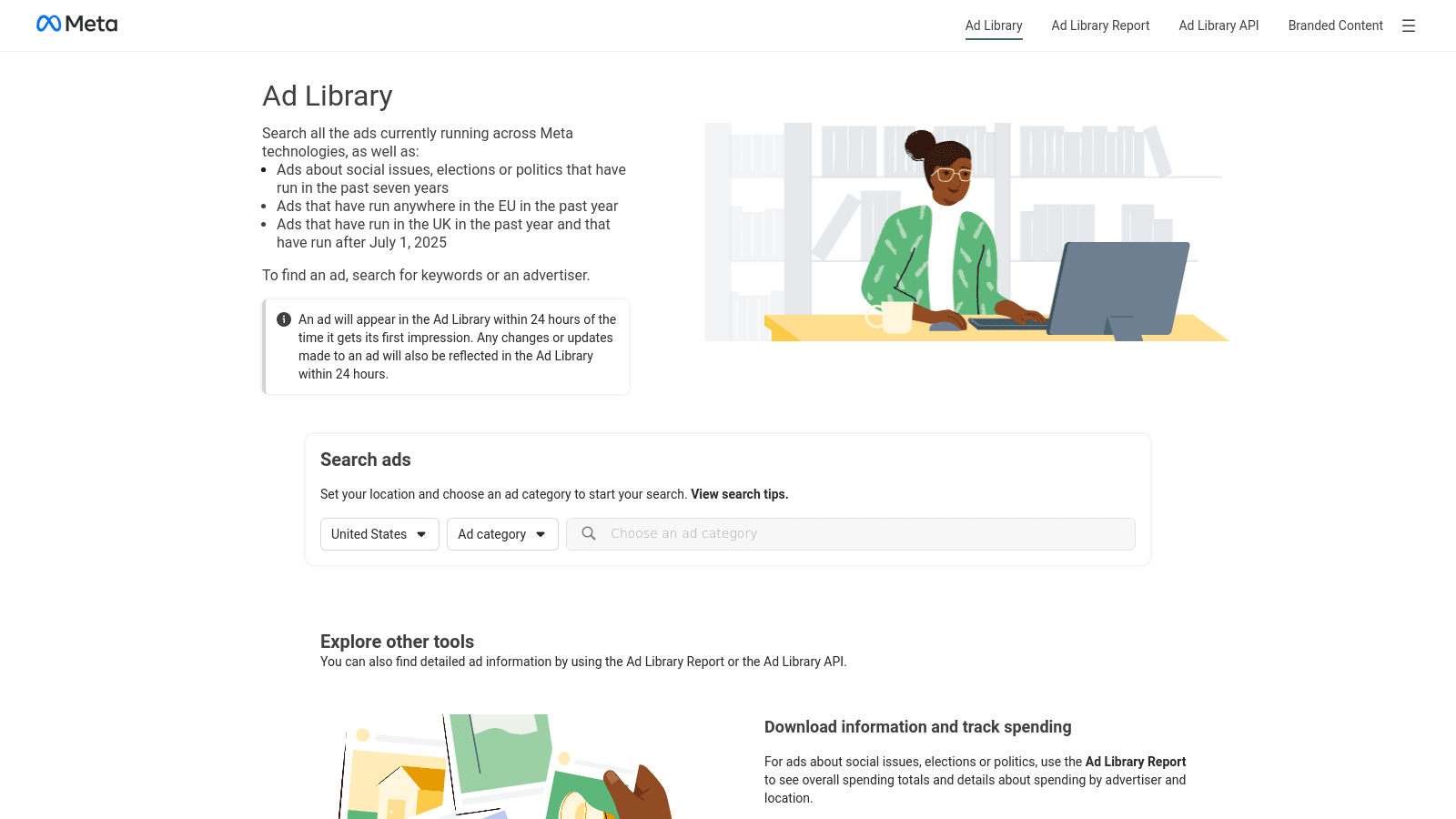
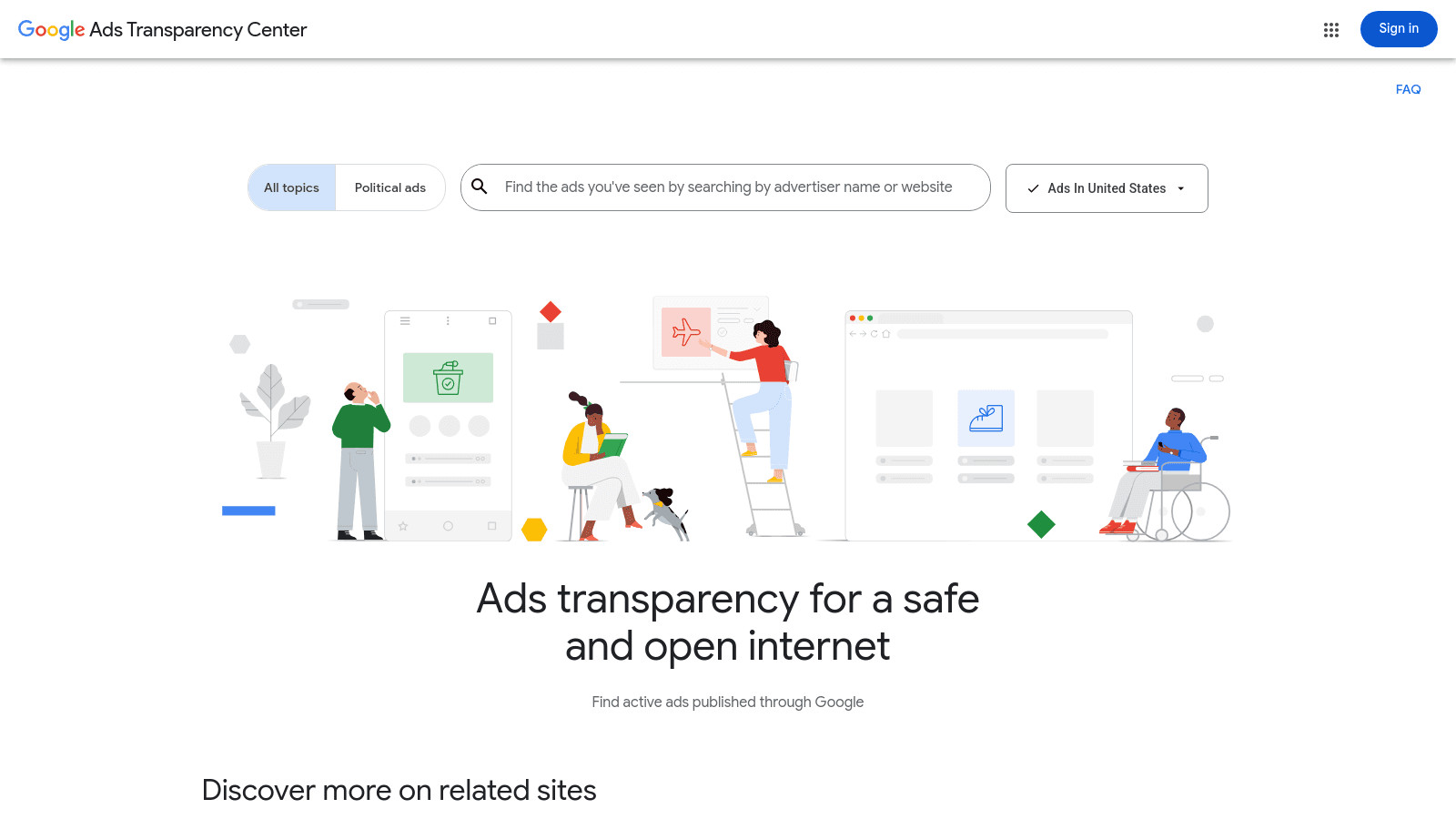
以下の手順を実行します。
Meta広告ライブラリを開き、対象国を選択し、「すべての広告」を選択します。
正確な競合他社名またはページ名を検索し、プラットフォームとメディアタイプで結果を絞り込みます。
Google広告の透明性センターの検索結果ごとに、資金提供者、フォーマット、および最後に表示された日付を記録します。
両方のプラットフォームで同じカテゴリーキーワードを実行し、新しく発見した信頼できる広告主をウォッチリストに追加します。
検索結果ごとに、クリエイティブ自体に加えて、訴求内容と最初に表示される主張をキャプチャします。広告主レベルの検索はキャンペーンのセットを示し、カテゴリー検索は「専門家による実証」「期間限定の割引」「課題ファースト」などのフレーズがセット全体で繰り返されているかどうかを明らかにします。非アクティブなMetaの商用広告は、EUのデータ保持期間外になると消えてしまう可能性がありますが、毎週または毎月記録を残しておくことで、キャンペーンのローンチや終了の状況を把握するのに役立ちます。
ステップ 4:TikTokとLinkedInを活用してプラットフォーム特化型のクリエイティブ調査を行う
TikTokの公開ツールはそれぞれ独立したプロダクトとして扱い、ターゲット層がビジネスパーソン向けの場合はLinkedInを使用します。2つのTikTokツールの役割を混同すると、期待する結果が得られません。一方のツールは優れたパフォーマンスを上げているクリエイティブのアイデアを厳選するためのものであり、もう一方は地域の広告主調査をサポートするためのものです。
TikTokによると、Top Adsには、パフォーマンスのしきい値を満たし、広告主の承認要件をクリアした実際の広告が含まれています。関連する業界、目的、フォーマットのフィルターを活用することで、類似の広告において、クリエイターがどのようにメッセージを構成し、広告を開始し、コール・トゥ・アクション(行動喚起)を提示しているかを比較できます。成果重視の美容系広告が、検討フェーズにあるSaaS向けのクリエイティブブリーフに影響を与えないよう、事例を保存する前にフィルタリングを行ってください。
EEA、英国、またはスイスで広告を配信した可能性のある特定の広告主を調査する場合は、TikTokの「商業コンテンツライブラリ」が最適なツールです。LinkedIn広告ライブラリは、会社名、広告費の支払者、またはキーワードでの検索に対応しています。EUの広告には、インプレッション数やターゲティングのデータも含まれています。LinkedInは、B2Bの広告主がドキュメント広告やソートリーダーシップ広告などのビジネス向けフォーマットでどのように主張を展開しているかを明らかにし、こうした領域では、視覚的な表現と同等にメッセージの内容が重視されます。
TikTok Top Adsでは、関連する業界と目的を選択し、最初のフックとクリエイターの表現方法を記録します。
TikTok商業コンテンツライブラリでは、キャンペーンがEEA、英国、またはスイスで配信された可能性がある場合にのみ、特定の広告主を指名して検索します。
LinkedIn広告ライブラリでは、配信されたメッセージやフォーマットの選定を分析する前に、会社検索を国と日付で絞り込みます。
広範なリポジトリは競合セットを特定します。その上で、各チャネル独自のネイティブツールを活用し、同じカテゴリーが特定のフィードやビジネス文脈のルールにメッセージをどのように適応させているかを分析します。
ステップ 5:地域の広告リポジトリをチェックする(ただし、完全なデータとは見なさない)
特定のチャネルのギャップを埋めるために補完的なリポジトリを活用し、検索結果の横にそのデータの制限事項を記録しておきましょう。リポジトリの検索結果が空であるからといって、そのブランドが広告配信を停止した証明にはならず、多くの場合、表示に関する制限事項によるものです。
Pinterestの広告リポジトリは、EU向けの広告を12ヶ月間カバーしています。Microsoftの広告ライブラリは、EUおよびEEAのBing広告をカバーし、コンテンツまたは広告主による検索をサポートしているため、ソーシャルメディア中心の調査では見落とされがちな検索広告のテキストを明らかにすることができます。
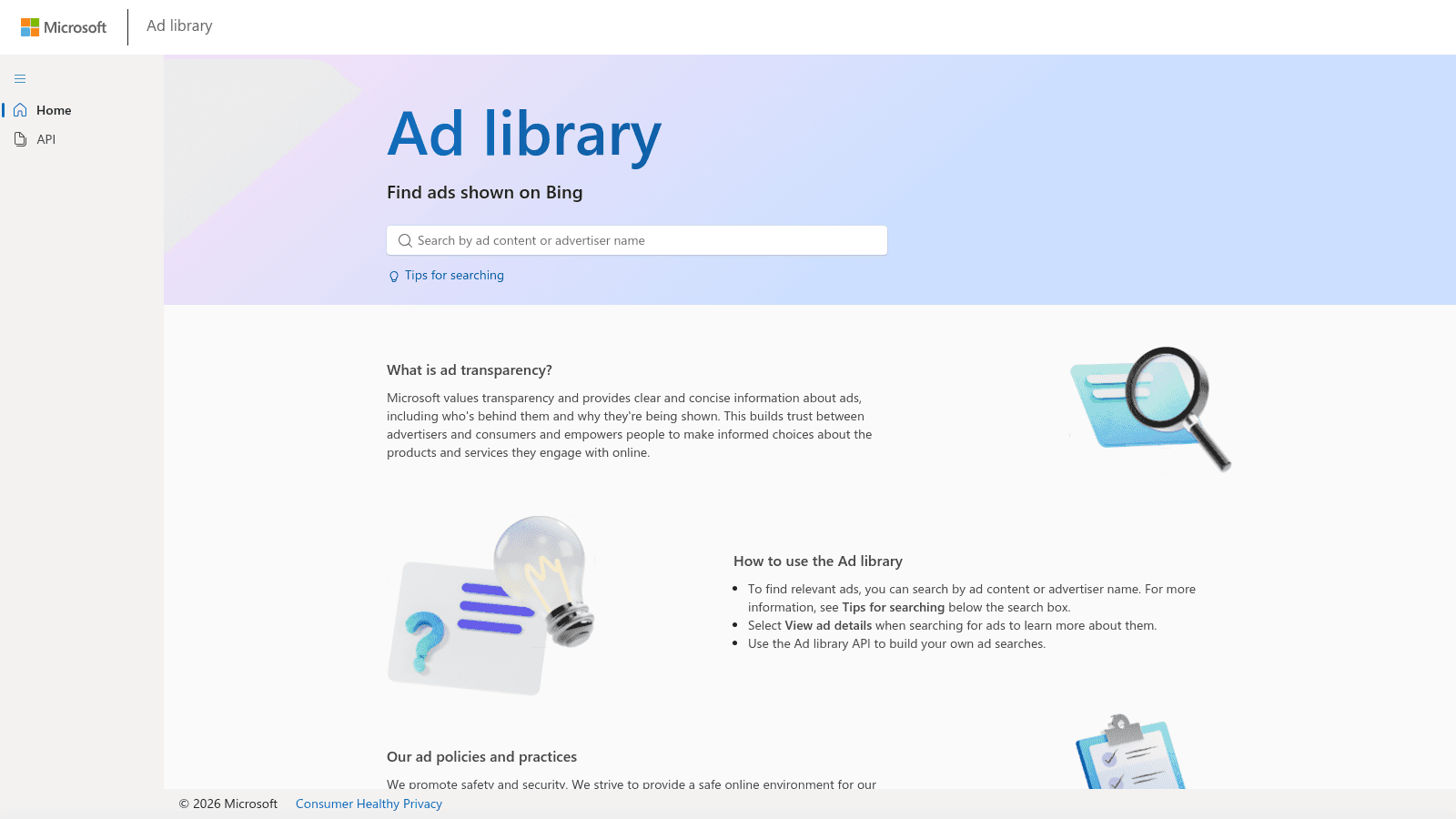
AI Forensicsの調査によると、2026年4月の修正以降、Snapchatのリポジトリ利用可能性はほぼゼロから100%近くまで上昇したものの、広告主名での検索や商用広告の網羅性は依然として限定的であることが判明しました。欧州委員会は2025年12月、広告主の身元、コンテンツ、検索性に関するリポジトリの不備などを理由に、Xに対して1億2,000万ユーロの罰金を科しました。補完的なリポジトリは、チャネル固有の証拠を提供できますが、文書化されているカバー範囲の制限が分析結果に影響することに留意してください。
補完的な検索を行うたびに、カバー範囲に関するメモを追加します。
リポジトリ | 検索結果 | カバー範囲に関するメモ |
|---|---|---|
広告が見つかりません | EU限定。競合他社がEU市場で広告を出稿しているか確認が必要 | |
Microsoft | 広告が見つかりました | EU/EEAのBingをカバー。クエリ言語をGoogleの結果と比較する |
Snapchat | 広告主の結果なし | 広告主名検索と商用カバー範囲が制限されている可能性あり |
記録例:「Snapchatで広告主の結果なし。広告主名検索と商用広告のカバー範囲が限定的なため、広告主が非アクティブであるとは断定できない。」
ステップ 6:パターンをランク付けし、テスト用の構成案を構築してモニタリングする
個別の広告を再現可能なパターンのリストに落とし込み、自社プロダクト向けのオリジナルバリアントを作成します。この調査のゴールは、自社プロダクト向けの再現可能なフック、訴求の構造、または実証デバイスを組み込んだオリジナルのテスト用ブリーフ(構成案)を作成することです。
多くのマーケターは、30日〜60日以上継続して配信されている広告を、成果の目安として活用します。なぜなら、成果の出ない広告に資金を投じ続ける広告主はいないからです。実際、1,247ブランドにおける47,392件の広告のうち、60日以上連続で配信されたのはわずか11.3%でした [Segwise]。また、Metaはすべての広告に対しておおよそのインプレッション数の範囲を提供していますが、より詳細なデモグラフィックや広告費の範囲は、政治関連やEU規制対象の記録に限定されています。
配信期間の長さ、確認可能なインプレッション数の範囲、そして同一ブランドの広告群で同じフックやオファーが繰り返し使用されているかに基づいて、各候補をランク付けします。ここでの「繰り返し」は極めて重要です。なぜなら、配信期間の長い単一の広告は、単にキャンペーンのスケジュールや検証予算を反映しているだけである可能性があるのに対し、一つの訴求を軸に複数のバリエーションが構築されている場合は、意図的なクリエイティブ戦略であることを示すからです。ただし、配信寿命は検証予算やブランドキャンペーンを反映している場合もあるため、勝者を決める決定打としてではなく、検証する仮説の優先順位付けとして活用してください。
構成案(ブリーフ)は以下の手順で作成します。
構成案に広告主、市場、フォーマットを記録し、その他の観察事項はコンパクトなワークシートにまとめます。
構成案を執筆する前に、共通する課題解決フックを中心に事例をグループ化します。
広告主のプロダクト、ターゲット層、ブランドボイスに合わせて、各パターンをオリジナルの構成案に適応させます。
複数のバリエーションを作成して各テストを開始し、キャンペーン実施後にパフォーマンス結果を分析します。
ブックマークした広告主のページを毎週または毎月再訪し、新しい広告のローンチや終了を記録します。
Creatifyをお試しください: 承認された構成案をもとに、Creatifyの「URLから動画作成」または「写真から動画作成」ワークフローを使用してバリエーションを作成し、Creatifyパフォーマンスエージェントを活用して効果測定やレポート作成を行い、キャンペーンの成果を評価しましょう。Creatifyは、プロダクトのインプットから複数のオリジナルの動画や画像の広告バリエーションを作成し、そのテストループへとつなげる最も直接的なアプローチを提供します。
この構成案は、再現可能な仕組みを1つ抽出し、広告主のプロダクト、ターゲット層、ブランドボイスに合わせたオリジナルな表現を指定するものです。この再現可能な仕組みは、顧客の課題提示から10秒間のプロダクトデモへと移行し、構成案に基づくオリジナルのコピーとデザインで実装されます。
さらに進んだステップ:サードパーティ製ツールは、真に必要なギャップを埋めるためだけに活用する
アグリゲーターツールを導入するのは、クロスプラットフォーム検索やアーカイブの保存が必要とされる場合に限定すべきです。サードパーティのサービスは、クロスプラットフォーム検索の効率化、過去データの保存、AIを用いたフックや切り口の分類を可能にします。
広告が現在も配信中かどうかは、各プラットフォームの公式ライブラリで必ず確認してください。アグリゲーターを利用することで、複数プラットフォームでの重複チェックの手間が省け、各公式メディアでデータが消去された後も過去の検証用データを保存できます。保存した広告には必ずソース元のプラットフォームと日付を付記し、過去の記録を現在のキャンペーンと混同しないように管理してください。
1つの具体的な問いから始めましょう
最初の広告ライブラリのセッションでは、オリジナルキャンペーン向けに、検証可能なクリエイティブパターンを1つ導き出すことを目指してください。競合をそのまま模倣することは、知的財産(IP)やブランドセーフティ上のリスクを招きますが、パターンを抽出して自社プロダクトやポジショニングに適合させる方法であれば、安全かつ効果的に展開できます。
今日、まずは1つの競合、1つの国、そして1つのチャネルを選んでみましょう。最も長く配信されている、または最も繰り返し使用されているパターンを記録し、その観察結果をもとに、明確な目標指標を設定したオリジナルのクリエイティブテストを作成しましょう。
よくある質問(FAQ)
2026年現在、広告ライブラリを検索するにはログインや広告予算が必要ですか?
いいえ。主要な広告ライブラリのほとんどは、ログインや広告費の支払いなしで検索可能であり、現在配信中のクリエイティブや広告主情報を閲覧できます(法律で義務付けられている場合)。
競合他社を比較する前に、なぜターゲット国を設定する必要があるのですか?
カバー範囲、広告開示ルール、言語、そして一般的な訴求内容やクリエイティブのスタイルは市場によって異なるためです。異なる国の検索結果をそのまま直接比較することはできません。
有料広告の調査を始める際、まずどの広告ライブラリを使うべきですか?
自社の配信チャネルと市場に合致するネイティブソースから始めてください。ペイドソーシャルなら「Meta広告ライブラリ」、Google検索/YouTube/ディスプレイ広告で認証済みの広告主を調べるなら「Google広告の透明性センター」が最適です。
パフォーマンス指標(KPI数値など)が入手できない場合、調査結果をどのように記録すべきですか?
確認できる要素をキャプチャします。クリエイティブのフォーマット、動画や音声の最初のフック、オファーの構造(価格、無料トライアル、送料無料など)、そして主な実証方法(顧客の声、統計データ、デモなど)を記録してください。
配信期間の長い他社の広告を、自社のテストに最適に活用する方法は?
アクティブに配信され続けている広告から、繰り返されている「フック / オファー / 実証」のパターンを抽出し、それをベースに自社オリジナルのバリエーションを作成して成果を測定してください。ライブラリから開示されない隠れたROI(投資対効果)の数値を追い求める必要はありません。
Meta、Google、TikTokにはいずれも、配信中のすべての広告に透明性を提供する広告ライブラリが存在します。これらの広告ライブラリの使い方と検索方法をマスターすれば、貴重なデータの巨大な宝庫にアクセスできるようになります。これらの広告ライブラリを活用すれば、最もパフォーマンスの高い広告を無料でソートして見つけ出すことができ、広告について学ぶための素晴らしいスタートラインとなります。
既存の広告、そのインプレッション数、そして配信期間を調べることで、その広告が費用に見合うものかどうかを見極めるインサイトが得られます。長期間配信されている広告は、その構成やフック(訴求)のコンバージョン率が非常に高い可能性を示している一方で、1週間しか配信されていない広告は、フックや広告の切り口が良くなかった可能性を示唆しています。
この記事では、競合他社の広告アクティビティを特定し、成果を上げている潜在的なフックを分析するために、さまざまな広告ライブラリや透明性センターを使い始める方法を紹介します。さらに、複数の広告ライブラリを横断して検索することで、PC上の画像広告やスマートフォン上の動画広告など、さまざまなプラットフォームやデバイスにおける既存の広告市場の全体像を包括的に把握することができます。
重要なポイント
広告ライブラリは、パフォーマンスの高い広告や効果的なフックを見つけるための優れた情報源です。
GoogleとMetaの広告ライブラリは、最も多くの広告主を網羅しており、最大の商業的リーチを誇ります。
TikTokクリエイティブセンターは、さまざまな地域での広告パフォーマンスを分析するのに役立つ、グローバルな広告ライブラリを提供しています。
成果を上げているトップ広告を特定したら、そのフックと構成を分析することで、効果的な広告戦略のインサイトを得ることができます。
ステップ 1:市場、競合、そして解決すべき問いを定義する
まずは、国、短いウォッチリスト、そしてクリエイティブに関する1つの問いから始めましょう。これらの境界線を設定しないと、ライブラリ検索によって、異なる市場、ターゲット層、購入コンテキストの広告が乱雑に表示され、意思決定のための回答を得られなくなります。
国を選択し、プラットフォームとメディアタイプで広告主またはキーワード検索をフィルタリングします。検索設定で言語を設定してください。まずは ランニングシューズ や AIエージェント といったカテゴリークエリから始めて、見落としている可能性のあるブランドを特定し、競合セットが明確になった段階で正確な広告主検索に切り替えます。カテゴリークエリは全体像を捉えるためのものであり、名指しでの検索は同じ条件での比較を可能にします。
リポジトリを開く前に問いを書き出しましょう。「ドイツにおける5つの競合他社で共通して使われている動画フックは何か?」という問いがあれば、「各動画の最初の3秒間を記録し、繰り返されるフックのタイプをカウントする」という、実用的な分析ルールが作成できます。Metaのキーワード検索結果にはノイズが混ざることがありますが、特定の広告主を指名して検索することで、クリエイティブブリーフ(制作指示書)に本当に含めるべきブランドだけに情報を絞り込むことができます。
シンプルなスタート用シートには、次の3つの列が必要です。
市場 | ウォッチリスト | 調査目的の問い |
|---|---|---|
ドイツ | 直接競合するランニングシューズの5ブランド | 配信中の動画広告で繰り返されている動画フックはどれか? |
この構造を維持することで、特定市場向けの「送料無料」オファーを、カテゴリー全体の共通ルールと誤認するのを防ぐことができます。
ステップ 2:チャネルと市場に合致する公式ライブラリを選択する
検索すべき公式ライブラリは、チャネルのポリシーや地域の開示規則によって決まります。比較表を使って、対象市場に最適なリポジトリを特定してください。EUデジタルサービス法(DSA)第39条に基づき、超大規模オンラインプラットフォームは、広告主の身元、広告クリエイティブ、ターゲティングパラメータ、およびリーチを開示する、検索可能な広告リポジトリを維持することが義務付けられています [デジタルサービス法]。これらの記録は、少なくとも1年間保存される必要があります。
GIJNは2026年中頃までに、少なくとも13の稼働中のデジタル広告ライブラリを特定しており [GIJN]、その多くはDSAの要件により拡張されました。ライブラリの有用性は市場やキャンペーンの種類によって異なります。米国でのローンチ、ドイツのB2Bキャンペーン、あるいはグローバルなクリエイティブスキャンでは、それぞれ異なるソースが必要になる場合があります。まずは、該当市場の商用広告を実際に開示できる、各プラットフォーム独自のネイティブソースから始めましょう。
最初に検索すべき広告ライブラリは?
プラットフォーム | 公式アクセス先 | 実践的な検索用途 | 実際のカバー範囲 |
|---|---|---|---|
Meta | ペイドソーシャルにおける広範な競合分析 | グローバルで配信中の商用広告。EU/英国の商用広告は、最後のインプレッションから1年間保持 | |
検索、動画、ディスプレイ、および広告主・資金提供者の調査 | 広範なグローバルな可視性。商業広告の保持期間は約30日から1年間と異なる | ||
TikTok | クリエイティブセンター Top Ads / 商業コンテンツライブラリ | クリエイティブのインスピレーション / EEA(欧州経済領域)の広告主分析 | 「Top Ads」はグローバルかつ厳選されたもの。「商業コンテンツライブラリ」は地域に特化 |
LinkedIn広告ライブラリ | B2Bメッセージ、ドキュメント広告、ソートリーダーシップに関する調査 | 広告は最後のインプレッションから1年間保持。EUの登録データには、より詳細なデータが含まれる | |
Pinterest広告リポジトリ | Pinterestのクリエイティブ調査 | 12ヶ月間の記録を持つEU限定のリポジトリ | |
Microsoft | Microsoft広告ライブラリ | BingおよびMicrosoft広告の調査 | EU/EEAをカバー。広告主またはコンテンツで検索可能 |
SnapchatおよびX | 各社の透明性リポジトリ | 補完的なチェック | 商用カバー範囲と検索性はMetaやGoogleよりも限定的 |
表を参考に、調査の問いに適合する市場カバー範囲を持つネイティブソースを選択してください。そのカバー範囲によって、検索結果が何も表示されなかった場合に、それが対象市場で配信中のキャンペーンについて何を意味するのかを判断できます。Pinterestでの検索結果がない場合は、そのキャンペーンがEU外で配信されていることを意味する可能性があります。一方で、Metaでの検索結果がない場合は、選択した国でアクティブに展開されている商用キャンペーンにおいて、より重要な意味を持ちます。
ステップ 3:MetaとGoogleを検索して、最も広範な商業的全体像を把握する
カテゴリー用語を使用する前に、MetaとGoogleで特定の広告主名で検索を行います。指名検索は各競合他社のアクティブなベンチマークを確立し、カテゴリー検索は類似の成果をアピールするために複数の広告主が使用している言語やフォーマットを明らかにします。
Metaによると、広告は最初のインプレッションが発生してから24時間以内に広告ライブラリに表示されます。Googleの「広告の透明性センター」は、広告主、および広告主と異なる場合は資金提供者、そして広告フォーマットを特定します。また、最後に表示された日付と地域も確認できます。これらの項目を活用することで、使い慣れたコンシューマーブランドと実際に広告費を支払っている事業体を区別し、新しい実験的な試みと、一貫して表示され続けている成果の出ているクリエイティブを分類することができます。
以下の手順を実行します。
Meta広告ライブラリを開き、対象国を選択し、「すべての広告」を選択します。
正確な競合他社名またはページ名を検索し、プラットフォームとメディアタイプで結果を絞り込みます。
Google広告の透明性センターの検索結果ごとに、資金提供者、フォーマット、および最後に表示された日付を記録します。
両方のプラットフォームで同じカテゴリーキーワードを実行し、新しく発見した信頼できる広告主をウォッチリストに追加します。
検索結果ごとに、クリエイティブ自体に加えて、訴求内容と最初に表示される主張をキャプチャします。広告主レベルの検索はキャンペーンのセットを示し、カテゴリー検索は「専門家による実証」「期間限定の割引」「課題ファースト」などのフレーズがセット全体で繰り返されているかどうかを明らかにします。非アクティブなMetaの商用広告は、EUのデータ保持期間外になると消えてしまう可能性がありますが、毎週または毎月記録を残しておくことで、キャンペーンのローンチや終了の状況を把握するのに役立ちます。
ステップ 4:TikTokとLinkedInを活用してプラットフォーム特化型のクリエイティブ調査を行う
TikTokの公開ツールはそれぞれ独立したプロダクトとして扱い、ターゲット層がビジネスパーソン向けの場合はLinkedInを使用します。2つのTikTokツールの役割を混同すると、期待する結果が得られません。一方のツールは優れたパフォーマンスを上げているクリエイティブのアイデアを厳選するためのものであり、もう一方は地域の広告主調査をサポートするためのものです。
TikTokによると、Top Adsには、パフォーマンスのしきい値を満たし、広告主の承認要件をクリアした実際の広告が含まれています。関連する業界、目的、フォーマットのフィルターを活用することで、類似の広告において、クリエイターがどのようにメッセージを構成し、広告を開始し、コール・トゥ・アクション(行動喚起)を提示しているかを比較できます。成果重視の美容系広告が、検討フェーズにあるSaaS向けのクリエイティブブリーフに影響を与えないよう、事例を保存する前にフィルタリングを行ってください。
EEA、英国、またはスイスで広告を配信した可能性のある特定の広告主を調査する場合は、TikTokの「商業コンテンツライブラリ」が最適なツールです。LinkedIn広告ライブラリは、会社名、広告費の支払者、またはキーワードでの検索に対応しています。EUの広告には、インプレッション数やターゲティングのデータも含まれています。LinkedInは、B2Bの広告主がドキュメント広告やソートリーダーシップ広告などのビジネス向けフォーマットでどのように主張を展開しているかを明らかにし、こうした領域では、視覚的な表現と同等にメッセージの内容が重視されます。
TikTok Top Adsでは、関連する業界と目的を選択し、最初のフックとクリエイターの表現方法を記録します。
TikTok商業コンテンツライブラリでは、キャンペーンがEEA、英国、またはスイスで配信された可能性がある場合にのみ、特定の広告主を指名して検索します。
LinkedIn広告ライブラリでは、配信されたメッセージやフォーマットの選定を分析する前に、会社検索を国と日付で絞り込みます。
広範なリポジトリは競合セットを特定します。その上で、各チャネル独自のネイティブツールを活用し、同じカテゴリーが特定のフィードやビジネス文脈のルールにメッセージをどのように適応させているかを分析します。
ステップ 5:地域の広告リポジトリをチェックする(ただし、完全なデータとは見なさない)
特定のチャネルのギャップを埋めるために補完的なリポジトリを活用し、検索結果の横にそのデータの制限事項を記録しておきましょう。リポジトリの検索結果が空であるからといって、そのブランドが広告配信を停止した証明にはならず、多くの場合、表示に関する制限事項によるものです。
Pinterestの広告リポジトリは、EU向けの広告を12ヶ月間カバーしています。Microsoftの広告ライブラリは、EUおよびEEAのBing広告をカバーし、コンテンツまたは広告主による検索をサポートしているため、ソーシャルメディア中心の調査では見落とされがちな検索広告のテキストを明らかにすることができます。
AI Forensicsの調査によると、2026年4月の修正以降、Snapchatのリポジトリ利用可能性はほぼゼロから100%近くまで上昇したものの、広告主名での検索や商用広告の網羅性は依然として限定的であることが判明しました。欧州委員会は2025年12月、広告主の身元、コンテンツ、検索性に関するリポジトリの不備などを理由に、Xに対して1億2,000万ユーロの罰金を科しました。補完的なリポジトリは、チャネル固有の証拠を提供できますが、文書化されているカバー範囲の制限が分析結果に影響することに留意してください。
補完的な検索を行うたびに、カバー範囲に関するメモを追加します。
リポジトリ | 検索結果 | カバー範囲に関するメモ |
|---|---|---|
広告が見つかりません | EU限定。競合他社がEU市場で広告を出稿しているか確認が必要 | |
Microsoft | 広告が見つかりました | EU/EEAのBingをカバー。クエリ言語をGoogleの結果と比較する |
Snapchat | 広告主の結果なし | 広告主名検索と商用カバー範囲が制限されている可能性あり |
記録例:「Snapchatで広告主の結果なし。広告主名検索と商用広告のカバー範囲が限定的なため、広告主が非アクティブであるとは断定できない。」
ステップ 6:パターンをランク付けし、テスト用の構成案を構築してモニタリングする
個別の広告を再現可能なパターンのリストに落とし込み、自社プロダクト向けのオリジナルバリアントを作成します。この調査のゴールは、自社プロダクト向けの再現可能なフック、訴求の構造、または実証デバイスを組み込んだオリジナルのテスト用ブリーフ(構成案)を作成することです。
多くのマーケターは、30日〜60日以上継続して配信されている広告を、成果の目安として活用します。なぜなら、成果の出ない広告に資金を投じ続ける広告主はいないからです。実際、1,247ブランドにおける47,392件の広告のうち、60日以上連続で配信されたのはわずか11.3%でした [Segwise]。また、Metaはすべての広告に対しておおよそのインプレッション数の範囲を提供していますが、より詳細なデモグラフィックや広告費の範囲は、政治関連やEU規制対象の記録に限定されています。
配信期間の長さ、確認可能なインプレッション数の範囲、そして同一ブランドの広告群で同じフックやオファーが繰り返し使用されているかに基づいて、各候補をランク付けします。ここでの「繰り返し」は極めて重要です。なぜなら、配信期間の長い単一の広告は、単にキャンペーンのスケジュールや検証予算を反映しているだけである可能性があるのに対し、一つの訴求を軸に複数のバリエーションが構築されている場合は、意図的なクリエイティブ戦略であることを示すからです。ただし、配信寿命は検証予算やブランドキャンペーンを反映している場合もあるため、勝者を決める決定打としてではなく、検証する仮説の優先順位付けとして活用してください。
構成案(ブリーフ)は以下の手順で作成します。
構成案に広告主、市場、フォーマットを記録し、その他の観察事項はコンパクトなワークシートにまとめます。
構成案を執筆する前に、共通する課題解決フックを中心に事例をグループ化します。
広告主のプロダクト、ターゲット層、ブランドボイスに合わせて、各パターンをオリジナルの構成案に適応させます。
複数のバリエーションを作成して各テストを開始し、キャンペーン実施後にパフォーマンス結果を分析します。
ブックマークした広告主のページを毎週または毎月再訪し、新しい広告のローンチや終了を記録します。
Creatifyをお試しください: 承認された構成案をもとに、Creatifyの「URLから動画作成」または「写真から動画作成」ワークフローを使用してバリエーションを作成し、Creatifyパフォーマンスエージェントを活用して効果測定やレポート作成を行い、キャンペーンの成果を評価しましょう。Creatifyは、プロダクトのインプットから複数のオリジナルの動画や画像の広告バリエーションを作成し、そのテストループへとつなげる最も直接的なアプローチを提供します。
この構成案は、再現可能な仕組みを1つ抽出し、広告主のプロダクト、ターゲット層、ブランドボイスに合わせたオリジナルな表現を指定するものです。この再現可能な仕組みは、顧客の課題提示から10秒間のプロダクトデモへと移行し、構成案に基づくオリジナルのコピーとデザインで実装されます。
さらに進んだステップ:サードパーティ製ツールは、真に必要なギャップを埋めるためだけに活用する
アグリゲーターツールを導入するのは、クロスプラットフォーム検索やアーカイブの保存が必要とされる場合に限定すべきです。サードパーティのサービスは、クロスプラットフォーム検索の効率化、過去データの保存、AIを用いたフックや切り口の分類を可能にします。
広告が現在も配信中かどうかは、各プラットフォームの公式ライブラリで必ず確認してください。アグリゲーターを利用することで、複数プラットフォームでの重複チェックの手間が省け、各公式メディアでデータが消去された後も過去の検証用データを保存できます。保存した広告には必ずソース元のプラットフォームと日付を付記し、過去の記録を現在のキャンペーンと混同しないように管理してください。
1つの具体的な問いから始めましょう
最初の広告ライブラリのセッションでは、オリジナルキャンペーン向けに、検証可能なクリエイティブパターンを1つ導き出すことを目指してください。競合をそのまま模倣することは、知的財産(IP)やブランドセーフティ上のリスクを招きますが、パターンを抽出して自社プロダクトやポジショニングに適合させる方法であれば、安全かつ効果的に展開できます。
今日、まずは1つの競合、1つの国、そして1つのチャネルを選んでみましょう。最も長く配信されている、または最も繰り返し使用されているパターンを記録し、その観察結果をもとに、明確な目標指標を設定したオリジナルのクリエイティブテストを作成しましょう。
よくある質問(FAQ)
2026年現在、広告ライブラリを検索するにはログインや広告予算が必要ですか?
いいえ。主要な広告ライブラリのほとんどは、ログインや広告費の支払いなしで検索可能であり、現在配信中のクリエイティブや広告主情報を閲覧できます(法律で義務付けられている場合)。
競合他社を比較する前に、なぜターゲット国を設定する必要があるのですか?
カバー範囲、広告開示ルール、言語、そして一般的な訴求内容やクリエイティブのスタイルは市場によって異なるためです。異なる国の検索結果をそのまま直接比較することはできません。
有料広告の調査を始める際、まずどの広告ライブラリを使うべきですか?
自社の配信チャネルと市場に合致するネイティブソースから始めてください。ペイドソーシャルなら「Meta広告ライブラリ」、Google検索/YouTube/ディスプレイ広告で認証済みの広告主を調べるなら「Google広告の透明性センター」が最適です。
パフォーマンス指標(KPI数値など)が入手できない場合、調査結果をどのように記録すべきですか?
確認できる要素をキャプチャします。クリエイティブのフォーマット、動画や音声の最初のフック、オファーの構造(価格、無料トライアル、送料無料など)、そして主な実証方法(顧客の声、統計データ、デモなど)を記録してください。
配信期間の長い他社の広告を、自社のテストに最適に活用する方法は?
アクティブに配信され続けている広告から、繰り返されている「フック / オファー / 実証」のパターンを抽出し、それをベースに自社オリジナルのバリエーションを作成して成果を測定してください。ライブラリから開示されない隠れたROI(投資対効果)の数値を追い求める必要はありません。