Creatify チーム
シェア


この記事では
オンラインのアバター作成ツールを開くと、不思議なことが起こります。誰もが同じような見た目で仕上がってしまうのです。デフォルトの顔、デフォルトの髪型、無難なカラー。人々はツールから提示されたものをそのまま受け入れて終わらせてしまうため、ほとんどのアバターはすぐに忘れ去られてしまいます。
記憶に残らないアバターと、一目で認識されるアバターの差は、一握りの小さく意図的な選択にかかっています。目指すべきは、あなたのブランドの代わりとなる、登場した瞬間にそれとわかるような印象的なキャラクターです。このガイドは、そこへ到達するための選択肢のメニューです。アバターをユニークにするために何を変更すべきか、ロゴを貼り付けることなくブランドを織り込む方法、そしてほとんどの人が見落としがちなデザインの決定事項について解説します。これらのアイデアはあらゆるオンラインアバター作成ツールで活用できます。また、後半では自分自身のアバターを一から完成させるまでのシンプルなプロセスを紹介します。
アバターを作成する前に、アイデアから始める
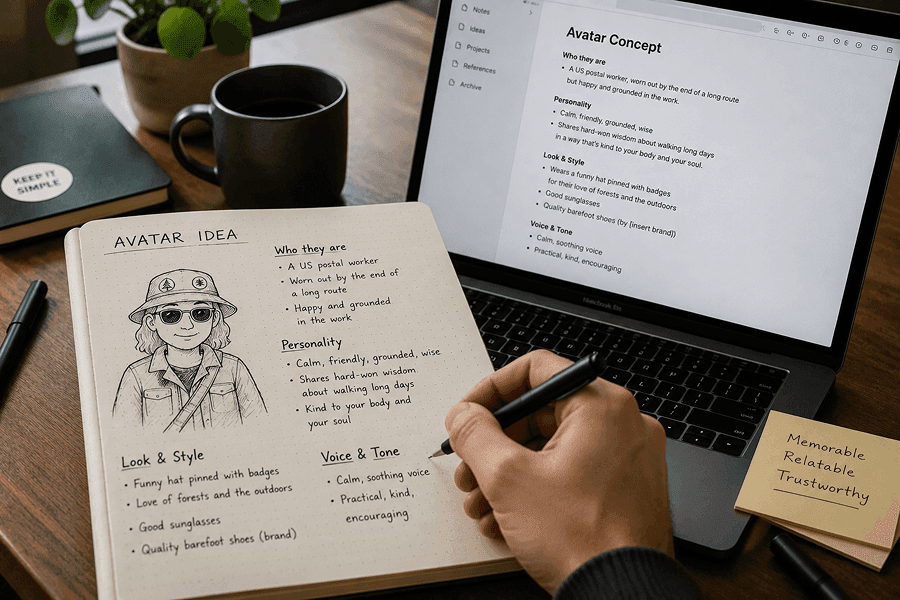
最初のよくある間違いは、何を作るか決める前にエディターを開いてしまうことです。まずはコンセプトの作成に数分を費やし、具体的に考えてみましょう。「親しみやすい専門家」といった単なるラベルで終わらせないでください。その人物の全体像をスケッチするのです。誰なのか、どのような立ち振る舞いをするのか、何を身にまとっているのか、どのように話すのか、そして人々に覚えてもらいたい「1つのこと」は何なのか。具体性こそが、キャラクターをありきたりなストック写真から差別化する要素です。
これくらい鮮明なイメージを目指しましょう。「長いルートの終盤で疲れ果てているが、幸せそうで、仕事に誇りを持っている米国の郵便配達員。森やアウトドアへの愛を示すバッジが留められた面白い帽子、上質なサングラス、そして[ブランド名を入力]の高品質なベアフットシューズを履いている。穏やかで落ち着いた声で話し、体と心に優しい、長い1日を歩き抜くための苦労して得た知恵を共有してくれる。」あるいは「元ラインコックの家庭料理ガイド。少しおっちょこちょいだが深く温かい心の持ち主。片方の肩にディッシュタオルをかけ、エプロンのどこかに小麦粉がついている。早口で話し、自分の失敗を笑い飛ばし、最初のホットケーキを焦がすことも楽しみの一部だと思わせてくれる人物。」
そのスケッチがあなたのコンパスになります。それさえあれば、その後のすべての選択が簡単になります。それぞれの選択肢に対して、「これはキャラクターを活かしているか、それとも台無しにしているか?」というシンプルな質問を投げかけることができるからです。
アバターを構築する際に変更できるレバー
以下は、カスタマイズされたアバターの背後にあるレバーの全メニューです。そのすべては、最終的に「キャラクターを印象的なものにする」という同じ目標のためのレバーです。すべてのレバーを動かす必要はありませんし、そうすべきではありません。あなたのアイデアを表現するいくつかのレバーを選び、それを徹底的に押し出してください。
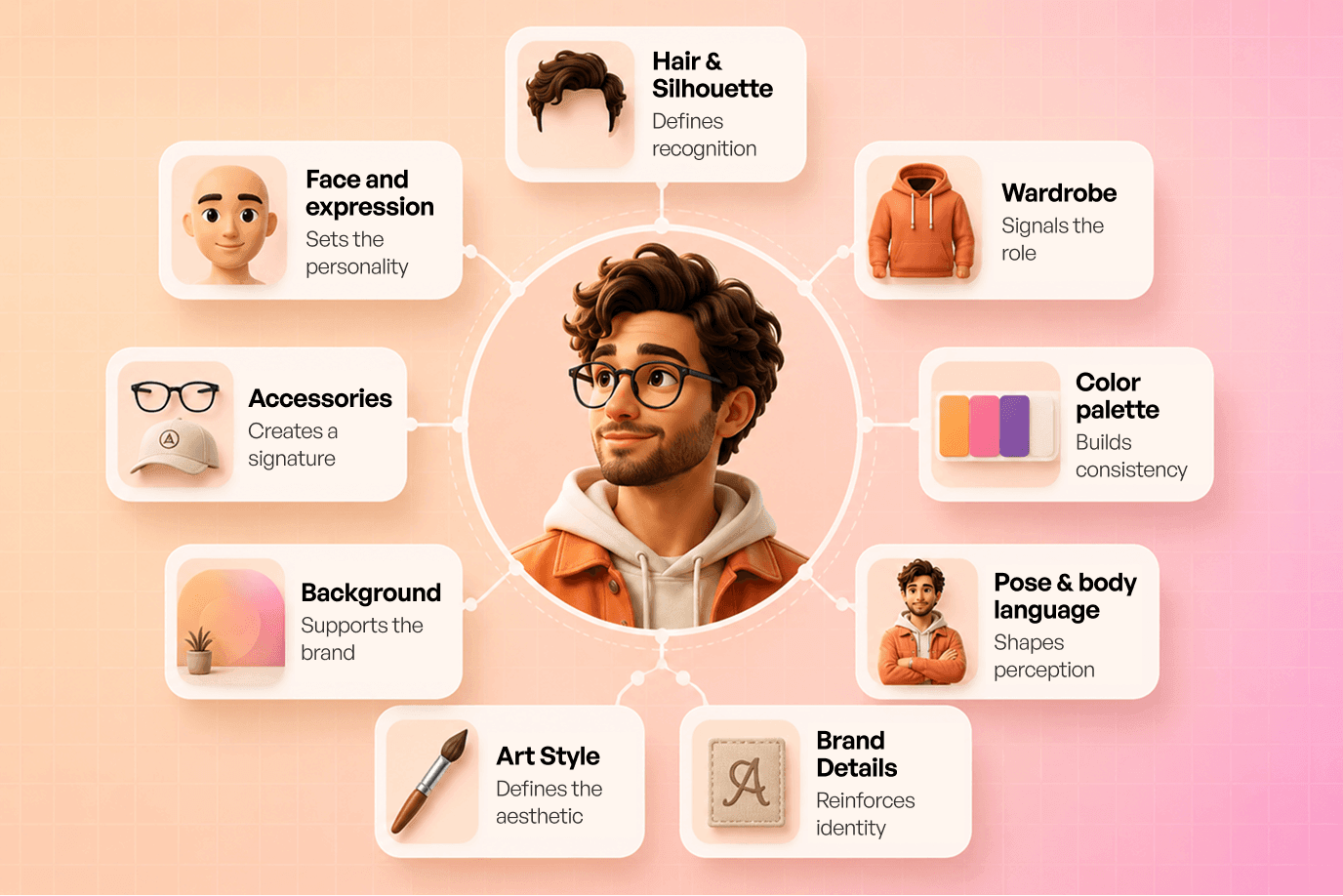
顔と表情。 これはパーソナリティを表現する上で最も大きなレバーであり、多くの人がデフォルトのままにしてしまう部分です。穏やかで温かみのある半笑いは親しみやすさを感じさせます。ニュートラルな口元は、真剣さやプレミアム感を演出します。わずかな不敵な笑みは、遊び心を表現します。そして細部:眉の角度は驚きから懐疑まであらゆる感情を表現し、目の形状は年齢や気分を変化させ、目線の先はアバターが熱心に見えるか、それともよそよそしく見えるかを左右します。パーツを決める前に、表現したい感情を決めてください。
髪型とシルエット。 人は細部よりも先に輪郭を認識するため、髪型はあなたが思っている以上に重要な役割を果たしています。特徴的なカット、珍しいカラー、あるいは強い形状は、一目で瞬時に認識されるきっかけを作ります。細部を黒く塗りつぶしても誰だか識別できるようなシルエットを目指しましょう。
ワードローブ。 服装は、一瞬にしてその人の役割や世界観を伝えます。パーカーはあるメッセージを伝え、ブレザーはまた別のメッセージを、エプロンはさらに異なるメッセージを伝えます。また、ジャケット、襟、帽子などにブランドカラーを取り入れることで、ロゴを使わずにあなたのカラーパレットを表現する最も簡単な方法でもあります。毎回身につけるシグネチャーとなる衣服は、あなたのアイデンティティの一部になります。
カラーパレット。 絞り込みましょう。メインカラー1色、アクセントカラー1色、そしてニュートラルカラー1色という構成は、カラフルにするよりも常に意図的に見えます。ブランドからメインカラーを抽出して全体を支配させ、アクセントカラーは1つの要素に控えめに使用して引き立たせます。一貫性がポイントです。アバター、プロフィール、サムネイルにわたってその同じ限られたパレットを繰り返すことで、すべてが1つのシステムとして感じられるようになります。
アクセサリーとプロップ。 ビジュアルのシグネチャー(特徴)を作る最短ルートです。メガネ、帽子、片方のイヤリング、自分の仕事に関連するプロップ(マイク、レンチ、絵筆など)。1つのものを選び、それを少し特徴的なものにして、すべてのバージョンで維持します。時間が経つにつれ、人々は「メガネをかけた人」ではなく、「あなた」として認識するようになります。
背景とフレーミング。 キャラクターの後ろにあるスペースは、多くの人が灰色のボックスのまま無駄にしている、無料のブランディング領域です。ブランドカラーのソリッドカラー、ソフトなグラデーション、またはシンプルな繰り返しのパターンは、アバターをあなたのアイデンティティと結びつけ、賑やかなフィードの中で際立たせます。フレーミングも重要です。顔をアップで切り取ると大胆でモダンに見え、肩まで少し入れると親しみやすさが増します。
ポーズとボディランゲージ。 アバターが頭部だけでなくそれ以上を表示する場合、姿勢がメッセージを伝えます。スクエアな肩とまっすぐな視線は自信を感じさせます。視聴者側に少し傾いた姿勢は、熱心で温かい印象を与えます。ここでの小さな調整が、1文も読まれる前に全体の印象を変えてしまいます。
アートスタイル。 イラスト調、リアル調、3Dなど、それぞれ異なるシグナルを送信します。どのスタイルを選ぶかよりも、1つを選び、それを維持することのほうが重要です。作成するすべてのコンテンツにわたって一貫した表現を維持することは、意図されたデザインに見せるための大きな要素です。
ブランドのマイクロエレメント。 二度見したくなるような、さりげない要素です。帽子に施されたあなたのイニシャル、ロゴから引用してディテールとして取り入れた形状、ブランドキットのパターンをあしらった衣服などです。コツは、これらをテクスチャとして馴染ませ、アバター自体がブランディングを内包してデザインされているように見せることです。
オンラインでアバターを作成する際に多くの人が見落としがちな決定
これらは、エディターでフルサイズ表示したときだけ良く見えるアバターと、実際に効果的に機能するアバターを分ける決定事項です。
小さくテストする。あなたのアバターは、フルサイズで表示されることよりも、コメントスレッド内の32ピクセルのサイズで表示されることの方がはるかに多くなります。縮小してみて、シルエットと1つの明確なフォーカルポイント(注視点)がまだ維持されていれば合格です。もし潰れて判別できなくなってしまったら、維持できるまでシンプルにしてください。
フォーカルポイントを1つにする。視線が最初にとまる場所を決定します。通常は「目」ですが、特徴的なアクセサリーやアクセントカラーのスポットでも構いません。そして、他のすべてをその引き立て役に徹させます。3つの要素が注意を引こうと競い合うと、結果的にどれも印象に残りません。
プラットフォーム間で一貫したコアを維持する。あなたのアバターには、どのようなトリミングやフォーマットでも損なわれない1つのアイデンティティが必要です。顔、パレット、モチーフは固定したままにしてください。そのコアの周りで、季節の衣装、ゲーム固有のスタイル、あるアプリ用には四角、別のアプリ用には丸といったバリエーションを展開しても、一貫した軸を失うことはありません。
あえて1つの「おかしな要素」を加える。ありきたり(ジェネリック)は敵であり、完璧にバランスの取れたデザインはありきたりに見える傾向があります。あえて意図的に加えた1つの奇妙な点、本来合わないはずなのに機能しているカラー、少し場違いなプロップ、誇張された特徴こそが、往々にして人々の記憶に残る要素になります。1つ選んでそれにこだわり、残りの部分はクリーンに保ちましょう。
こちらもあわせてお読みください:メディアバイイングとは何か?かつては関係性がすべてだった。今はデータがすべてだ
ステップ・バイ・ステップで自分自身のアバターを作成する方法
デザイン思考はどのツールでも応用できます。キャラクターを最も素早く構築する方法は、AIエージェントにその特徴を説明し、指示を1つずつ与えて変更を加えてもらうことです。ここに示すスクリーンショットは、Creatifyでのプロセスを示しています。
まず、エージェントにあなたのスケッチを渡します。書き出したコンセプト(疲れているが誇りを持った郵便配達員、おっちょこちょいで温かい料理人など)をペーストし、最初のバージョンを生成させます。あなたがキャラクターを説明し、エージェントがそれを描きます。
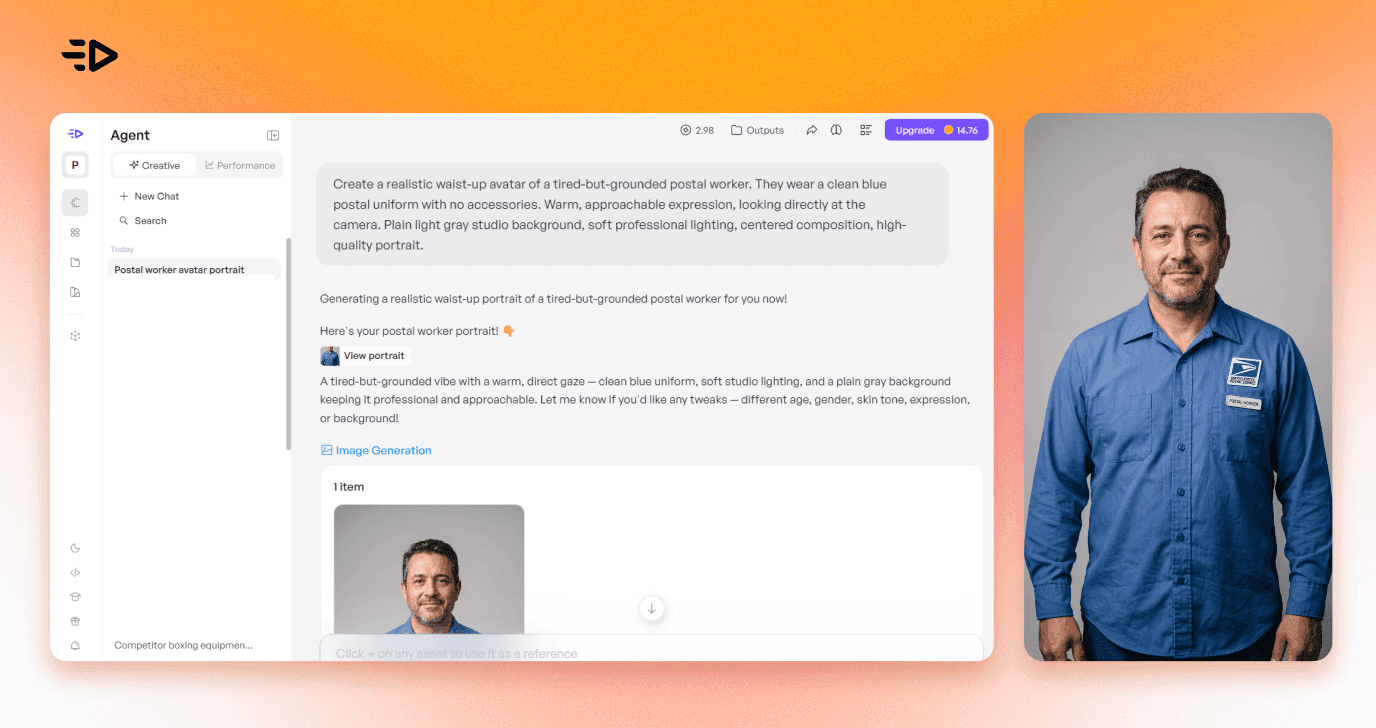
(スクリーンショット:キャラクターの説明と最初のレンダリングが表示されたエージェントのチャット画面。)
次に、対話を通じて調整します。普通の言葉を使って、1つのメッセージにつき1つの変更を加えて洗練させていきます。「森のバッジがついた面白い帽子をかぶせて」「良いサングラスを追加して」「表情をより穏やかにして」「日差しが差し込むホームオフィスに配置して」。機能したバージョンを保持し、そこからさらに指示を出していきます。これはメニューから探すよりもはるかに高速です。
言葉だけでは不十分な場合は、参考資料を与えてください。ここからが真の強みです。写真をドロップして「これとまったく同じ帽子とマフラーを身につけさせて」と指示します。製品写真をドロップして、キャラクターにそれを持たせることもできます。ゲームのスクリーンショットをいくつかドロップして、エージェントにそのスタイルでアニメーションキャラクターを構築してもらうことで、既存のルックをあなたのオリジナルのアバターへと変換することも可能です。
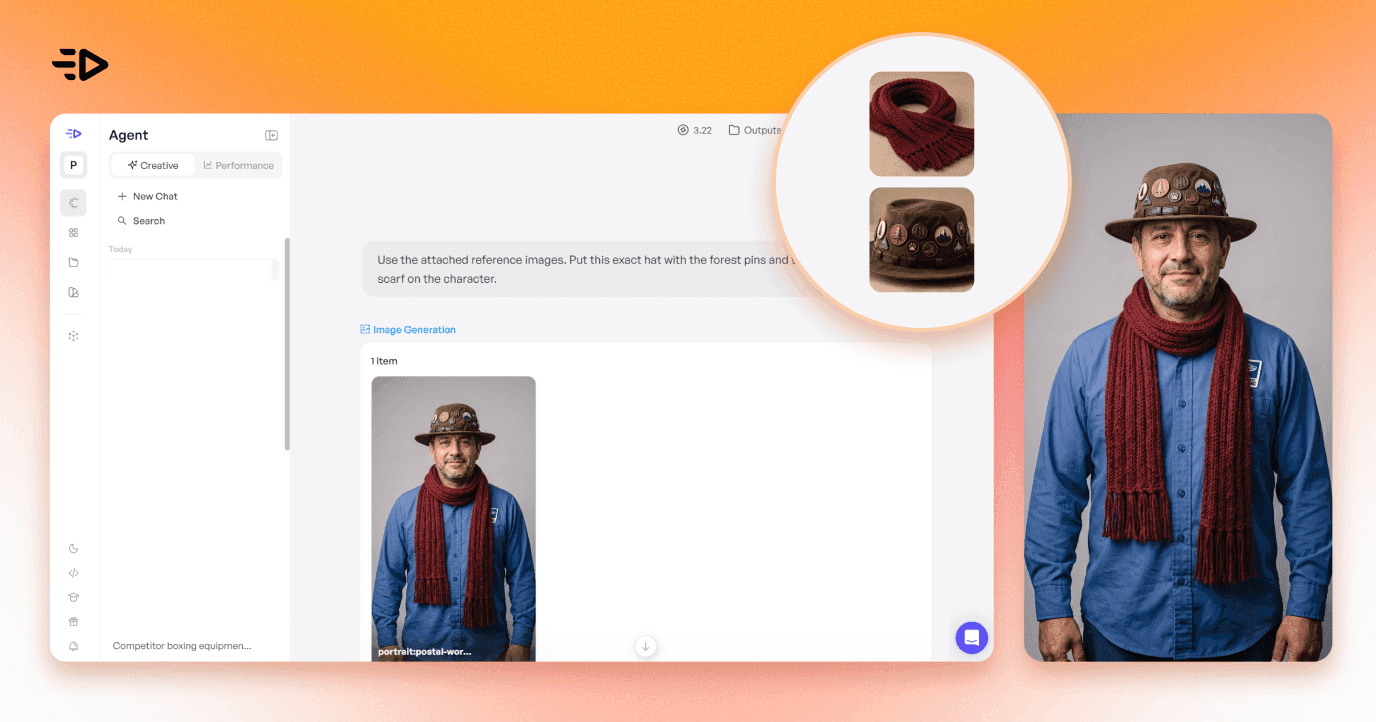
(スクリーンショット:チャットにドロップされた参考写真と、その帽子とマフラーを着用したアバター。)
アセットジェネレーターで段階的に構築していきます。画像ごとに進めます。ベースを生成し、次に個別のアイテム(ジャケット、テクスチャ、あなたの指定した形状のアクセサリーなど)を独立した静止画として生成し、それを再度読み込ませて、エージェントに適用するよう指示します。1つずつパーツを積み上げていくことで、ありきたりなルックを、あなただけの特別なものへと押し上げることができます。
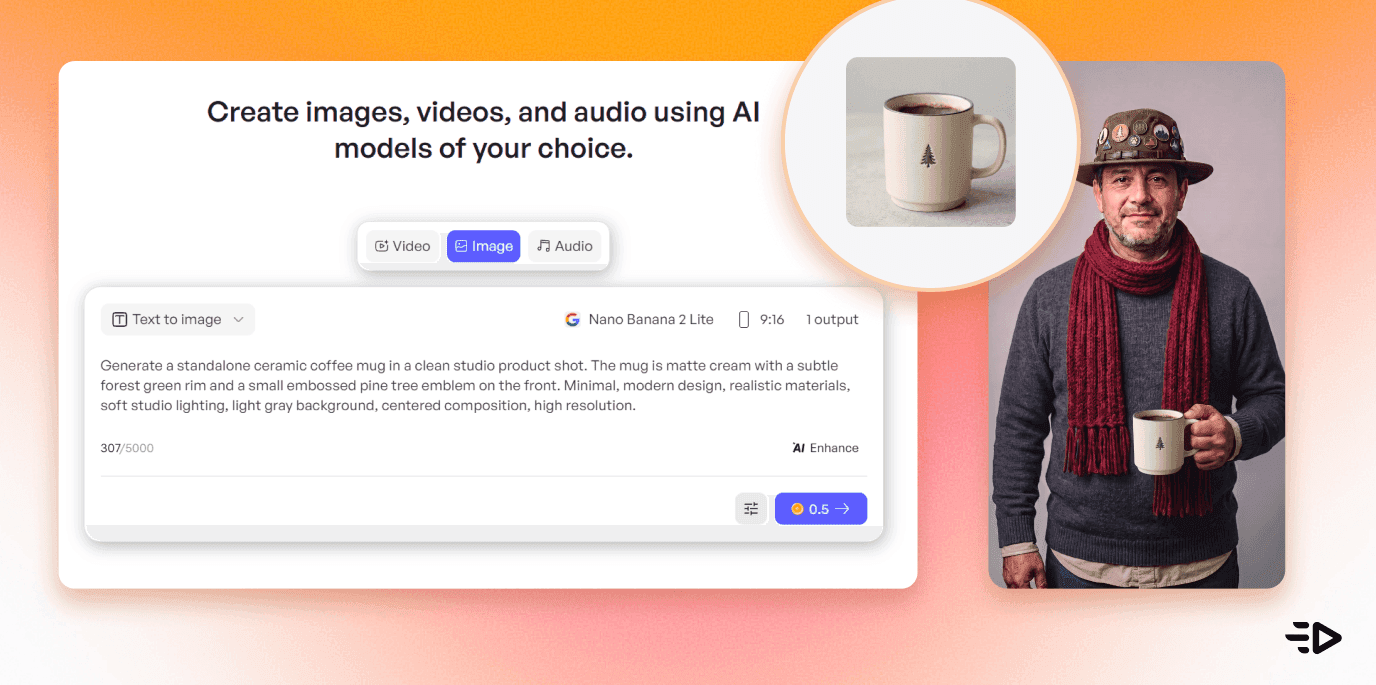
(スクリーンショット:生成されたアイテムと、それを着用したアバター。)
コントロールから始めたい場合は、Creatifyの「Design Your Own Avatar(独自アバターのデザイン)」を使用すると、クラシックなアバター作成ツールのように機能するクイックフォームが用意されています。基本(性別、年齢、人種)、衣装のプリセット、背景、ライティング、そしてシャツや帽子にロゴを配置するブランド設定などです。これを迅速な出発点として使用し、その後チャットでキャラクターを洗練させていきます。
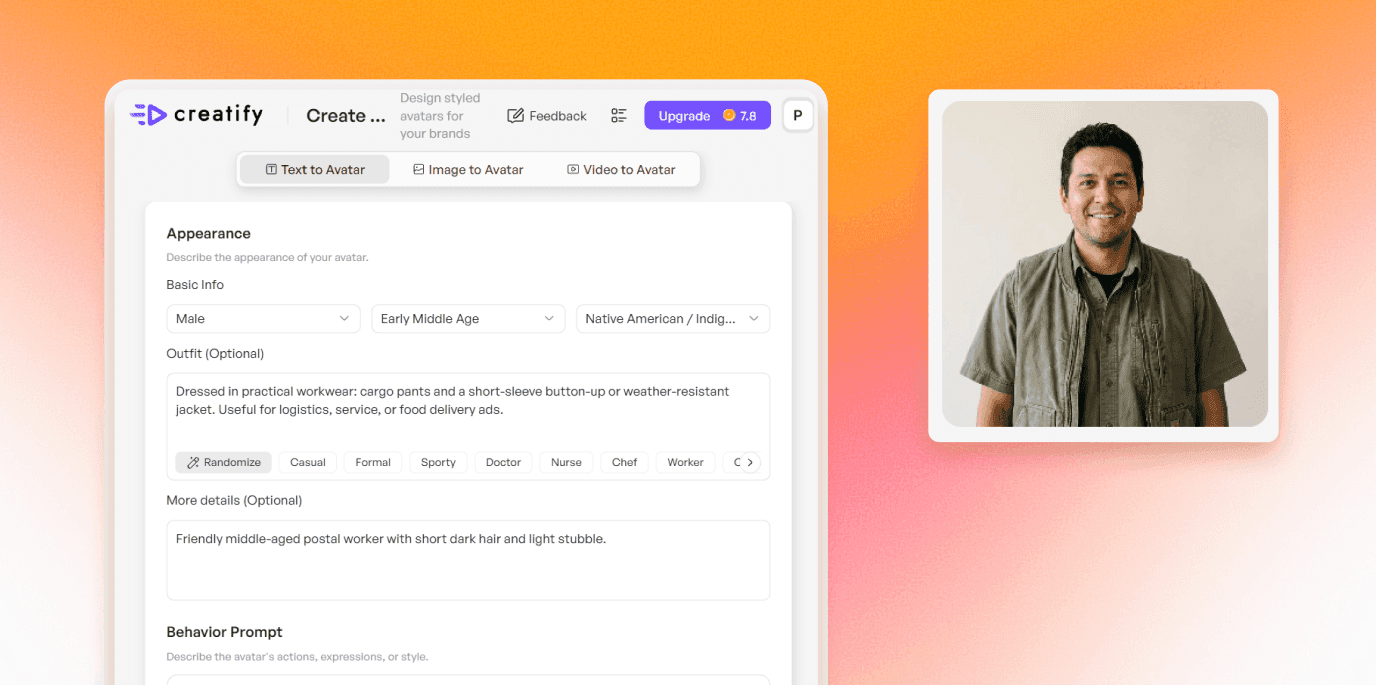
(スクリーンショット:出発点としての「Design Your Own Avatar」フォーム。)
気に入ったバージョンに到達したら、リファレンスセットとしてロックし、エージェントが毎回同じキャラクターを再現できるようにします。キャラクターが印象に残るようになるのは、常に同じ姿で現れるからこそです。コンテンツカレンダー全体で一貫性を維持する部分は、エージェントがあなたに代わって処理してくれます。
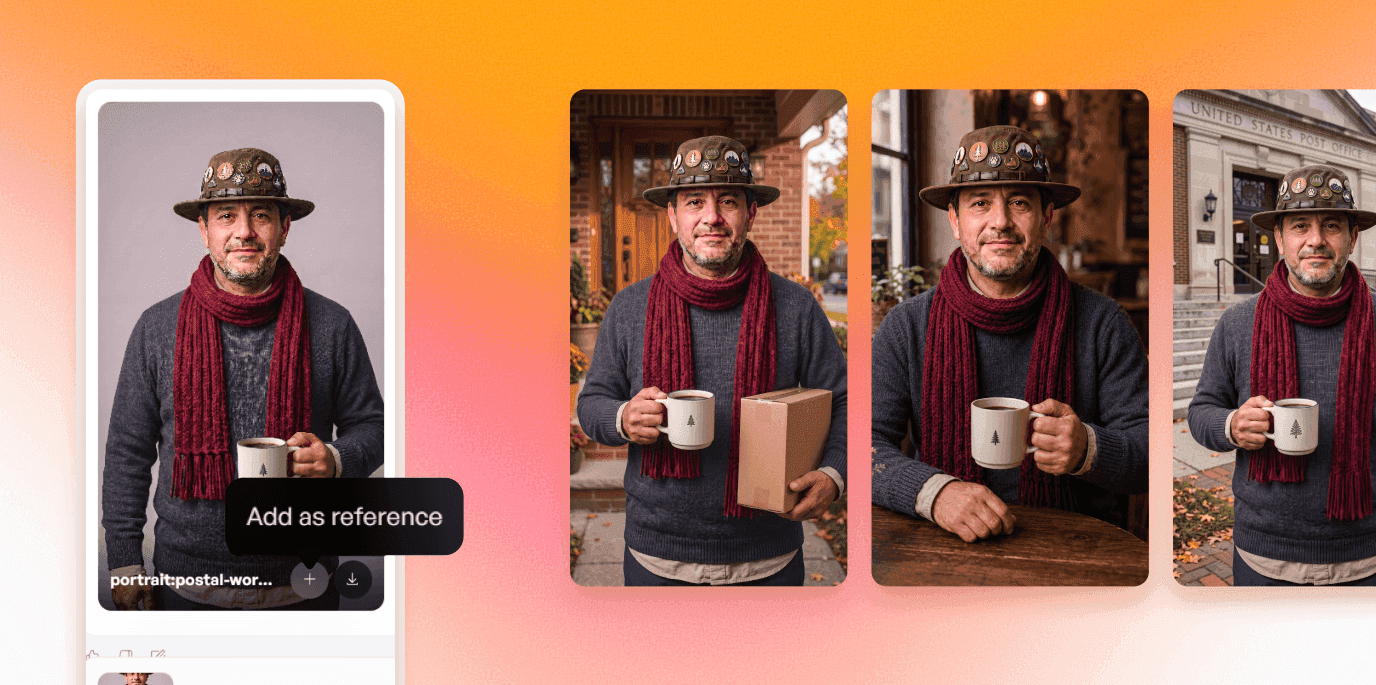
(スクリーンショット:保存されたリファレンスセットと、各シーンで一貫したアウトプット。)
最後に、それをエクスポートしてプロフィール、サムネイル、動画などで活用します。そして、パレット、モチーフ、特徴的なアクセサリーを記載した1ページのスタイルガイドを作成しておけば、将来のバージョンでも一目であなただと認識できるようになります。
記憶に残ることは、洗練されていることに勝る
人々の記憶に残るキャラクターは、必ずしも最も詳細に描かれていたり、最もリアルだったりするわけではありません。それらは、人々が目を閉じたままでもキャラクター全体を思い浮かべることができるようになるまで繰り返された、帽子、サングラス、穏やかな声といった「紛れもない1つのフック」によって勝利を収めています。その認知は時間をかけて、1回の登場ごとに築かれていきます。そのため、あらゆる場所で使用する「特徴的だがシンプルなアバター」は、毎週調整を加える「ゴージャスなアバター」よりも、常に高いパフォーマンスを発揮します。
ですから、説明しやすいキャラクターを目指してください。キャラクターに1つの明確なアイデアを与え、いくつかのレバーを徹底的に押し出し、人々があなたを思い出すきっかけとなる1つのこだわり(クセ)に徹するのです。一貫性を保ち、ブランドとともに成長させていけば、その成果は静かに訪れます。ある日、誰かがアバターを見ることなく、その姿を友人に説明しているでしょう。それこそが、アバターが真にあなたのものになった瞬間です。
こちらもあわせてお読みください:広告、コンテンツ、ソーシャルメディア用のAIキャラクターを作成する方法
よくある質問
アバターはどのように作成すればよいですか?
まずは1行のコンセプト(誰であるか、雰囲気、覚えてもらうための1つのポイント)から始めます。次に、それを表現するためのいくつかのデザインレバー(表情、髪型、カラーパレット、特徴的なアクセサリー、ブランドモチーフなど)を選択します。アバターメーカーやAIツールでベースを生成し、1要素ずつ調整を加え、一貫して再利用できるバージョンをロックします。
アバターをユニークに見せるにはどうすればよいですか?
特定いくつかのレバーを強く押し出すことで、アバターをユニークにします。特徴的なシルエット、2色に絞られたカラーパレット、1つのシグネチャーアクセサリー、そして意図的に加えた1つの奇妙な要素などです。ありきたりさはデフォルトを受け入れることから生じ、ユニークさは一握りの強力で意図的な選択から生じます。
アバターに自分のブランドをどのように反映させればよいですか?
デザインの一部として溶け込むように織り込んでください。ブランドのメインカラーを支配的なパレットとして使用し、イニシャルやロゴに由来する形状を小さなディテールとして配置し、衣服や背景にブランドのパターンを追加します。ブランディングがテクスチャ(質感)として感じられ、アバターが全体としてデザインされているように見える状態を目指します。
優れたアバターの条件とは何ですか?
優れたアバターとは、一目で認識でき、小さなサイズでも機能し、1つの明確なフォーカルポイントを持ち、登場するすべての場所で一貫性を保っているものです。1つの明確なアイデアと、記憶に残る1つのディテールを備えており、ブランドと結びついた厳選されたカラーパレットを使用しています。
プラットフォーム間でアバターの一貫性を保つにはどうすればよいですか?
顔、パレット、シグネチャーモチーフなどのコアアイデンティティを固定し、あらゆるトリミングやフォーマットでも一定に保ちます。リファレンスセットと短いスタイルガイドを保存して、将来のバージョンが確実に一致するようにします。その安定したコアの周囲で、季節の衣装やプラットフォーム固有のフレーミングなど、制御されたバリエーションのみを許可します。
オンラインでアバターを作成する最善の方法は何ですか?
重要な詳細(表情、パレット、アクセサリー)をカスタマイズでき、後からキャラクターを一貫して再現できるツールを選択します。これにより、毎回同じアバターを取得できます。ツールを動かす前にまずデザイン思考を完了させ、ツールを使用してそれを実行し、最終決定する前に小さなサイズで結果をテストしてください。
オンラインのアバター作成ツールを開くと、不思議なことが起こります。誰もが同じような見た目で仕上がってしまうのです。デフォルトの顔、デフォルトの髪型、無難なカラー。人々はツールから提示されたものをそのまま受け入れて終わらせてしまうため、ほとんどのアバターはすぐに忘れ去られてしまいます。
記憶に残らないアバターと、一目で認識されるアバターの差は、一握りの小さく意図的な選択にかかっています。目指すべきは、あなたのブランドの代わりとなる、登場した瞬間にそれとわかるような印象的なキャラクターです。このガイドは、そこへ到達するための選択肢のメニューです。アバターをユニークにするために何を変更すべきか、ロゴを貼り付けることなくブランドを織り込む方法、そしてほとんどの人が見落としがちなデザインの決定事項について解説します。これらのアイデアはあらゆるオンラインアバター作成ツールで活用できます。また、後半では自分自身のアバターを一から完成させるまでのシンプルなプロセスを紹介します。
アバターを作成する前に、アイデアから始める
最初のよくある間違いは、何を作るか決める前にエディターを開いてしまうことです。まずはコンセプトの作成に数分を費やし、具体的に考えてみましょう。「親しみやすい専門家」といった単なるラベルで終わらせないでください。その人物の全体像をスケッチするのです。誰なのか、どのような立ち振る舞いをするのか、何を身にまとっているのか、どのように話すのか、そして人々に覚えてもらいたい「1つのこと」は何なのか。具体性こそが、キャラクターをありきたりなストック写真から差別化する要素です。
これくらい鮮明なイメージを目指しましょう。「長いルートの終盤で疲れ果てているが、幸せそうで、仕事に誇りを持っている米国の郵便配達員。森やアウトドアへの愛を示すバッジが留められた面白い帽子、上質なサングラス、そして[ブランド名を入力]の高品質なベアフットシューズを履いている。穏やかで落ち着いた声で話し、体と心に優しい、長い1日を歩き抜くための苦労して得た知恵を共有してくれる。」あるいは「元ラインコックの家庭料理ガイド。少しおっちょこちょいだが深く温かい心の持ち主。片方の肩にディッシュタオルをかけ、エプロンのどこかに小麦粉がついている。早口で話し、自分の失敗を笑い飛ばし、最初のホットケーキを焦がすことも楽しみの一部だと思わせてくれる人物。」
そのスケッチがあなたのコンパスになります。それさえあれば、その後のすべての選択が簡単になります。それぞれの選択肢に対して、「これはキャラクターを活かしているか、それとも台無しにしているか?」というシンプルな質問を投げかけることができるからです。
アバターを構築する際に変更できるレバー
以下は、カスタマイズされたアバターの背後にあるレバーの全メニューです。そのすべては、最終的に「キャラクターを印象的なものにする」という同じ目標のためのレバーです。すべてのレバーを動かす必要はありませんし、そうすべきではありません。あなたのアイデアを表現するいくつかのレバーを選び、それを徹底的に押し出してください。
顔と表情。 これはパーソナリティを表現する上で最も大きなレバーであり、多くの人がデフォルトのままにしてしまう部分です。穏やかで温かみのある半笑いは親しみやすさを感じさせます。ニュートラルな口元は、真剣さやプレミアム感を演出します。わずかな不敵な笑みは、遊び心を表現します。そして細部:眉の角度は驚きから懐疑まであらゆる感情を表現し、目の形状は年齢や気分を変化させ、目線の先はアバターが熱心に見えるか、それともよそよそしく見えるかを左右します。パーツを決める前に、表現したい感情を決めてください。
髪型とシルエット。 人は細部よりも先に輪郭を認識するため、髪型はあなたが思っている以上に重要な役割を果たしています。特徴的なカット、珍しいカラー、あるいは強い形状は、一目で瞬時に認識されるきっかけを作ります。細部を黒く塗りつぶしても誰だか識別できるようなシルエットを目指しましょう。
ワードローブ。 服装は、一瞬にしてその人の役割や世界観を伝えます。パーカーはあるメッセージを伝え、ブレザーはまた別のメッセージを、エプロンはさらに異なるメッセージを伝えます。また、ジャケット、襟、帽子などにブランドカラーを取り入れることで、ロゴを使わずにあなたのカラーパレットを表現する最も簡単な方法でもあります。毎回身につけるシグネチャーとなる衣服は、あなたのアイデンティティの一部になります。
カラーパレット。 絞り込みましょう。メインカラー1色、アクセントカラー1色、そしてニュートラルカラー1色という構成は、カラフルにするよりも常に意図的に見えます。ブランドからメインカラーを抽出して全体を支配させ、アクセントカラーは1つの要素に控えめに使用して引き立たせます。一貫性がポイントです。アバター、プロフィール、サムネイルにわたってその同じ限られたパレットを繰り返すことで、すべてが1つのシステムとして感じられるようになります。
アクセサリーとプロップ。 ビジュアルのシグネチャー(特徴)を作る最短ルートです。メガネ、帽子、片方のイヤリング、自分の仕事に関連するプロップ(マイク、レンチ、絵筆など)。1つのものを選び、それを少し特徴的なものにして、すべてのバージョンで維持します。時間が経つにつれ、人々は「メガネをかけた人」ではなく、「あなた」として認識するようになります。
背景とフレーミング。 キャラクターの後ろにあるスペースは、多くの人が灰色のボックスのまま無駄にしている、無料のブランディング領域です。ブランドカラーのソリッドカラー、ソフトなグラデーション、またはシンプルな繰り返しのパターンは、アバターをあなたのアイデンティティと結びつけ、賑やかなフィードの中で際立たせます。フレーミングも重要です。顔をアップで切り取ると大胆でモダンに見え、肩まで少し入れると親しみやすさが増します。
ポーズとボディランゲージ。 アバターが頭部だけでなくそれ以上を表示する場合、姿勢がメッセージを伝えます。スクエアな肩とまっすぐな視線は自信を感じさせます。視聴者側に少し傾いた姿勢は、熱心で温かい印象を与えます。ここでの小さな調整が、1文も読まれる前に全体の印象を変えてしまいます。
アートスタイル。 イラスト調、リアル調、3Dなど、それぞれ異なるシグナルを送信します。どのスタイルを選ぶかよりも、1つを選び、それを維持することのほうが重要です。作成するすべてのコンテンツにわたって一貫した表現を維持することは、意図されたデザインに見せるための大きな要素です。
ブランドのマイクロエレメント。 二度見したくなるような、さりげない要素です。帽子に施されたあなたのイニシャル、ロゴから引用してディテールとして取り入れた形状、ブランドキットのパターンをあしらった衣服などです。コツは、これらをテクスチャとして馴染ませ、アバター自体がブランディングを内包してデザインされているように見せることです。
オンラインでアバターを作成する際に多くの人が見落としがちな決定
これらは、エディターでフルサイズ表示したときだけ良く見えるアバターと、実際に効果的に機能するアバターを分ける決定事項です。
小さくテストする。あなたのアバターは、フルサイズで表示されることよりも、コメントスレッド内の32ピクセルのサイズで表示されることの方がはるかに多くなります。縮小してみて、シルエットと1つの明確なフォーカルポイント(注視点)がまだ維持されていれば合格です。もし潰れて判別できなくなってしまったら、維持できるまでシンプルにしてください。
フォーカルポイントを1つにする。視線が最初にとまる場所を決定します。通常は「目」ですが、特徴的なアクセサリーやアクセントカラーのスポットでも構いません。そして、他のすべてをその引き立て役に徹させます。3つの要素が注意を引こうと競い合うと、結果的にどれも印象に残りません。
プラットフォーム間で一貫したコアを維持する。あなたのアバターには、どのようなトリミングやフォーマットでも損なわれない1つのアイデンティティが必要です。顔、パレット、モチーフは固定したままにしてください。そのコアの周りで、季節の衣装、ゲーム固有のスタイル、あるアプリ用には四角、別のアプリ用には丸といったバリエーションを展開しても、一貫した軸を失うことはありません。
あえて1つの「おかしな要素」を加える。ありきたり(ジェネリック)は敵であり、完璧にバランスの取れたデザインはありきたりに見える傾向があります。あえて意図的に加えた1つの奇妙な点、本来合わないはずなのに機能しているカラー、少し場違いなプロップ、誇張された特徴こそが、往々にして人々の記憶に残る要素になります。1つ選んでそれにこだわり、残りの部分はクリーンに保ちましょう。
こちらもあわせてお読みください:メディアバイイングとは何か?かつては関係性がすべてだった。今はデータがすべてだ
ステップ・バイ・ステップで自分自身のアバターを作成する方法
デザイン思考はどのツールでも応用できます。キャラクターを最も素早く構築する方法は、AIエージェントにその特徴を説明し、指示を1つずつ与えて変更を加えてもらうことです。ここに示すスクリーンショットは、Creatifyでのプロセスを示しています。
まず、エージェントにあなたのスケッチを渡します。書き出したコンセプト(疲れているが誇りを持った郵便配達員、おっちょこちょいで温かい料理人など)をペーストし、最初のバージョンを生成させます。あなたがキャラクターを説明し、エージェントがそれを描きます。
(スクリーンショット:キャラクターの説明と最初のレンダリングが表示されたエージェントのチャット画面。)
次に、対話を通じて調整します。普通の言葉を使って、1つのメッセージにつき1つの変更を加えて洗練させていきます。「森のバッジがついた面白い帽子をかぶせて」「良いサングラスを追加して」「表情をより穏やかにして」「日差しが差し込むホームオフィスに配置して」。機能したバージョンを保持し、そこからさらに指示を出していきます。これはメニューから探すよりもはるかに高速です。
言葉だけでは不十分な場合は、参考資料を与えてください。ここからが真の強みです。写真をドロップして「これとまったく同じ帽子とマフラーを身につけさせて」と指示します。製品写真をドロップして、キャラクターにそれを持たせることもできます。ゲームのスクリーンショットをいくつかドロップして、エージェントにそのスタイルでアニメーションキャラクターを構築してもらうことで、既存のルックをあなたのオリジナルのアバターへと変換することも可能です。
(スクリーンショット:チャットにドロップされた参考写真と、その帽子とマフラーを着用したアバター。)
アセットジェネレーターで段階的に構築していきます。画像ごとに進めます。ベースを生成し、次に個別のアイテム(ジャケット、テクスチャ、あなたの指定した形状のアクセサリーなど)を独立した静止画として生成し、それを再度読み込ませて、エージェントに適用するよう指示します。1つずつパーツを積み上げていくことで、ありきたりなルックを、あなただけの特別なものへと押し上げることができます。
(スクリーンショット:生成されたアイテムと、それを着用したアバター。)
コントロールから始めたい場合は、Creatifyの「Design Your Own Avatar(独自アバターのデザイン)」を使用すると、クラシックなアバター作成ツールのように機能するクイックフォームが用意されています。基本(性別、年齢、人種)、衣装のプリセット、背景、ライティング、そしてシャツや帽子にロゴを配置するブランド設定などです。これを迅速な出発点として使用し、その後チャットでキャラクターを洗練させていきます。
(スクリーンショット:出発点としての「Design Your Own Avatar」フォーム。)
気に入ったバージョンに到達したら、リファレンスセットとしてロックし、エージェントが毎回同じキャラクターを再現できるようにします。キャラクターが印象に残るようになるのは、常に同じ姿で現れるからこそです。コンテンツカレンダー全体で一貫性を維持する部分は、エージェントがあなたに代わって処理してくれます。
(スクリーンショット:保存されたリファレンスセットと、各シーンで一貫したアウトプット。)
最後に、それをエクスポートしてプロフィール、サムネイル、動画などで活用します。そして、パレット、モチーフ、特徴的なアクセサリーを記載した1ページのスタイルガイドを作成しておけば、将来のバージョンでも一目であなただと認識できるようになります。
記憶に残ることは、洗練されていることに勝る
人々の記憶に残るキャラクターは、必ずしも最も詳細に描かれていたり、最もリアルだったりするわけではありません。それらは、人々が目を閉じたままでもキャラクター全体を思い浮かべることができるようになるまで繰り返された、帽子、サングラス、穏やかな声といった「紛れもない1つのフック」によって勝利を収めています。その認知は時間をかけて、1回の登場ごとに築かれていきます。そのため、あらゆる場所で使用する「特徴的だがシンプルなアバター」は、毎週調整を加える「ゴージャスなアバター」よりも、常に高いパフォーマンスを発揮します。
ですから、説明しやすいキャラクターを目指してください。キャラクターに1つの明確なアイデアを与え、いくつかのレバーを徹底的に押し出し、人々があなたを思い出すきっかけとなる1つのこだわり(クセ)に徹するのです。一貫性を保ち、ブランドとともに成長させていけば、その成果は静かに訪れます。ある日、誰かがアバターを見ることなく、その姿を友人に説明しているでしょう。それこそが、アバターが真にあなたのものになった瞬間です。
こちらもあわせてお読みください:広告、コンテンツ、ソーシャルメディア用のAIキャラクターを作成する方法
よくある質問
アバターはどのように作成すればよいですか?
まずは1行のコンセプト(誰であるか、雰囲気、覚えてもらうための1つのポイント)から始めます。次に、それを表現するためのいくつかのデザインレバー(表情、髪型、カラーパレット、特徴的なアクセサリー、ブランドモチーフなど)を選択します。アバターメーカーやAIツールでベースを生成し、1要素ずつ調整を加え、一貫して再利用できるバージョンをロックします。
アバターをユニークに見せるにはどうすればよいですか?
特定いくつかのレバーを強く押し出すことで、アバターをユニークにします。特徴的なシルエット、2色に絞られたカラーパレット、1つのシグネチャーアクセサリー、そして意図的に加えた1つの奇妙な要素などです。ありきたりさはデフォルトを受け入れることから生じ、ユニークさは一握りの強力で意図的な選択から生じます。
アバターに自分のブランドをどのように反映させればよいですか?
デザインの一部として溶け込むように織り込んでください。ブランドのメインカラーを支配的なパレットとして使用し、イニシャルやロゴに由来する形状を小さなディテールとして配置し、衣服や背景にブランドのパターンを追加します。ブランディングがテクスチャ(質感)として感じられ、アバターが全体としてデザインされているように見える状態を目指します。
優れたアバターの条件とは何ですか?
優れたアバターとは、一目で認識でき、小さなサイズでも機能し、1つの明確なフォーカルポイントを持ち、登場するすべての場所で一貫性を保っているものです。1つの明確なアイデアと、記憶に残る1つのディテールを備えており、ブランドと結びついた厳選されたカラーパレットを使用しています。
プラットフォーム間でアバターの一貫性を保つにはどうすればよいですか?
顔、パレット、シグネチャーモチーフなどのコアアイデンティティを固定し、あらゆるトリミングやフォーマットでも一定に保ちます。リファレンスセットと短いスタイルガイドを保存して、将来のバージョンが確実に一致するようにします。その安定したコアの周囲で、季節の衣装やプラットフォーム固有のフレーミングなど、制御されたバリエーションのみを許可します。
オンラインでアバターを作成する最善の方法は何ですか?
重要な詳細(表情、パレット、アクセサリー)をカスタマイズでき、後からキャラクターを一貫して再現できるツールを選択します。これにより、毎回同じアバターを取得できます。ツールを動かす前にまずデザイン思考を完了させ、ツールを使用してそれを実行し、最終決定する前に小さなサイズで結果をテストしてください。