
La publicidad programática nació automatizada. Cada vez que se carga una página, se abre una subasta para el espacio publicitario, llegan las ofertas y se elige al ganador, todo en el tiempo que tarda la página en aparecer. Esa maquinaria ha impulsado la economía publicitaria de Internet durante más de una década.
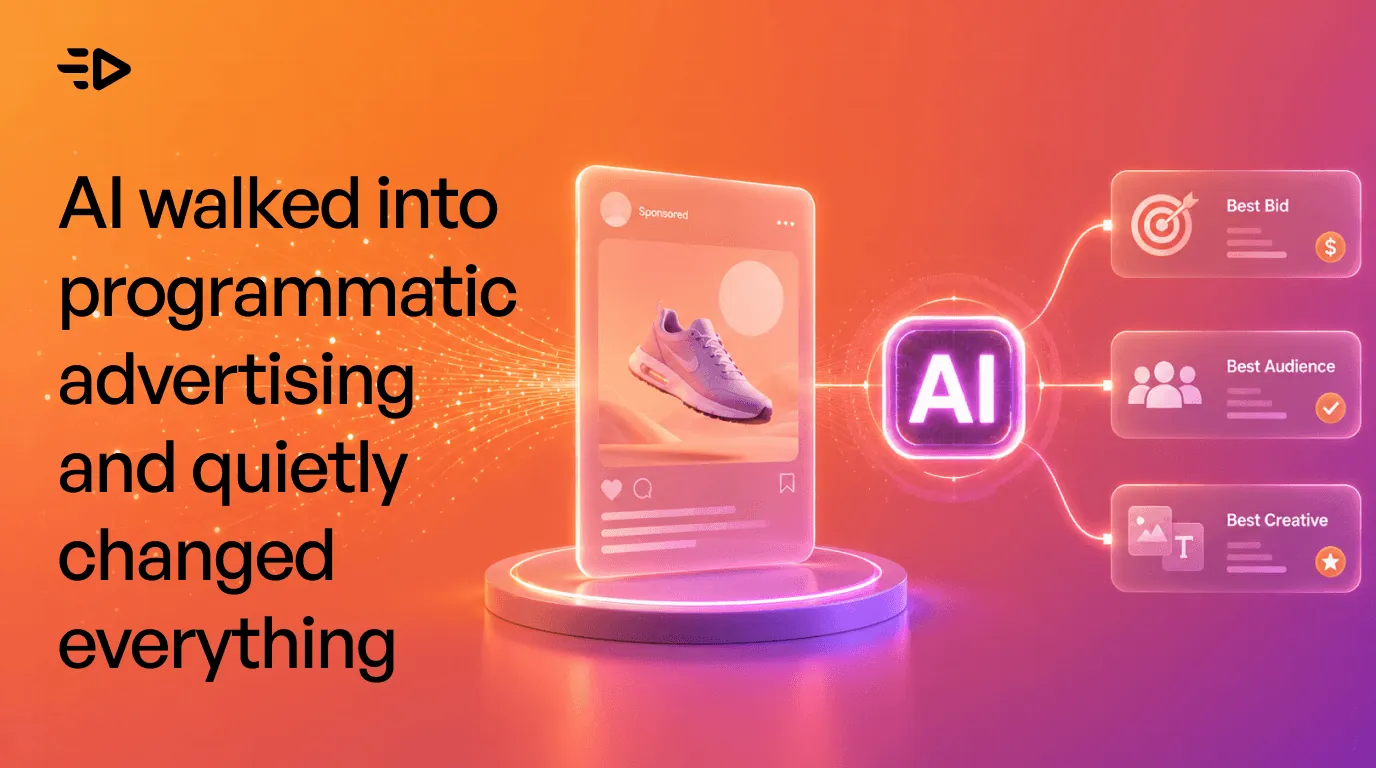
Durante la mayor parte de ese tiempo, la automatización solo ejecutaba reglas escritas por personas. Un comprador de medios establecía la audiencia, el presupuesto y la lógica de oferta, y el sistema ejecutaba esas instrucciones a una velocidad que ningún humano podría igualar. Luego, la IA cambió lo que se estaba automatizando. El auge de la publicidad programática con IA significó que las ofertas, las audiencias y las elecciones creativas que los compradores solían hacer a mano son tomadas cada vez más por modelos de machine learning que aprenden sobre la marcha.
Esa es la parte silenciosa. No hubo un único momento de lanzamiento, pero la capa de toma de decisiones de la publicidad pasó de las personas al software. Hoy en día, más del 90% del gasto en publicidad digital display en EE. UU. se compra de forma programática, lo que significa que una gran parte de toda la publicidad se ejecuta ahora a través de sistemas donde las decisiones sobre a quién llegar y cuánto pagar las toma la IA. Así es como sucedió y esto es lo que cambia.
Qué es la publicidad programática
Comencemos con lo básico, porque el término oculta un mecanismo simple. La publicidad programática es la compra y venta automatizada de espacios publicitarios a través de subastas en tiempo real. Un editor ofrece sus espacios publicitarios a través de una plataforma del lado de la oferta (SSP). Los anunciantes pujan por esos espacios a través de una plataforma del lado de la demanda (DSP). Un exchange ejecuta la subasta. Todo se resuelve en milisegundos, para una sola impresión, miles de millones de veces al día.
El atractivo siempre fue la eficiencia: comprar la impresión exacta que deseas, en el momento en que aparece, a un precio fijado por la demanda en vivo, en lugar de negociar una colocación masiva con semanas de anticipación. Durante años, la inteligencia de ese sistema fue un conjunto de reglas definidas por humanos. La IA es lo que convirtió esas reglas en predicciones.
Lee también: ¿Qué es el marketing impulsado por IA? Ejemplos reales y cómo lo hacen las grandes marcas
De las reglas a la predicción
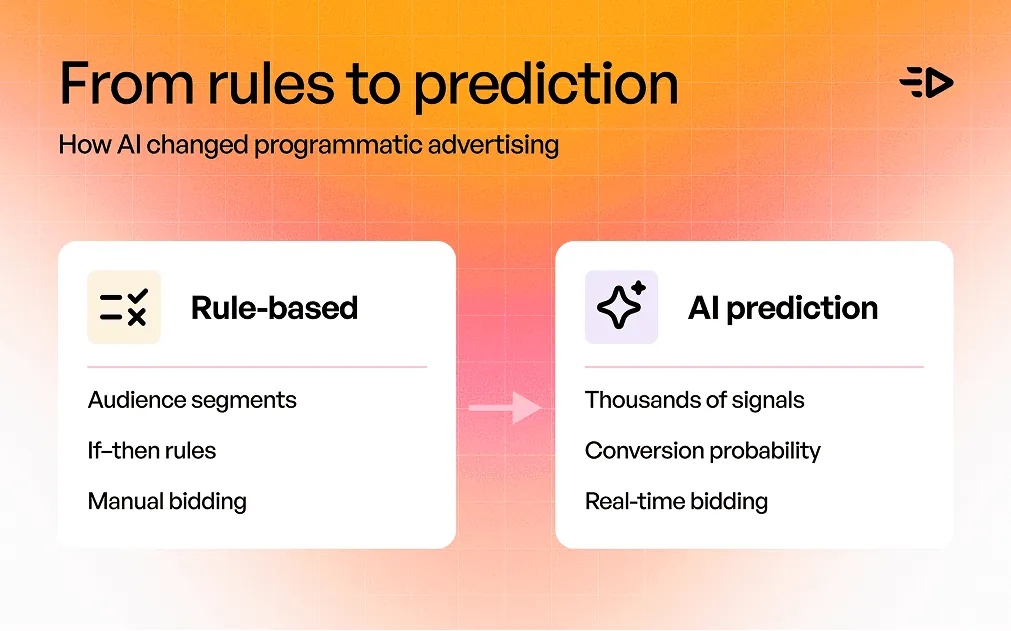
La programática tradicional funcionaba con segmentos y heurísticas. Creabas una audiencia ("mujeres de 25 a 34 años interesadas en el fitness"), establecías una oferta máxima, escribías algunas reglas de tipo "si pasa esto, haz aquello" y observabas un panel de control. El sistema era rápido, pero solo era tan inteligente como las instrucciones que le dabas.
El machine learning en la publicidad programática reemplazó eso con predicciones probabilísticas. En lugar de hacer coincidir una impresión con un segmento fijo, un modelo analiza miles de señales en tiempo real para estimar la probabilidad de que una persona determinada convierta y cuánto vale esa impresión, y luego puja en consecuencia. Se actualiza constantemente a medida que llegan los resultados. La visión de eMarketer para 2026 es contundente: la IA generativa se está apoderando de la programática, y la IA agéntica (sistemas que actúan con autonomía real) le sigue de cerca.
Cuatro partes de la máquina fueron las que más cambiaron.
Dónde cambió la IA la máquina en la publicidad programática
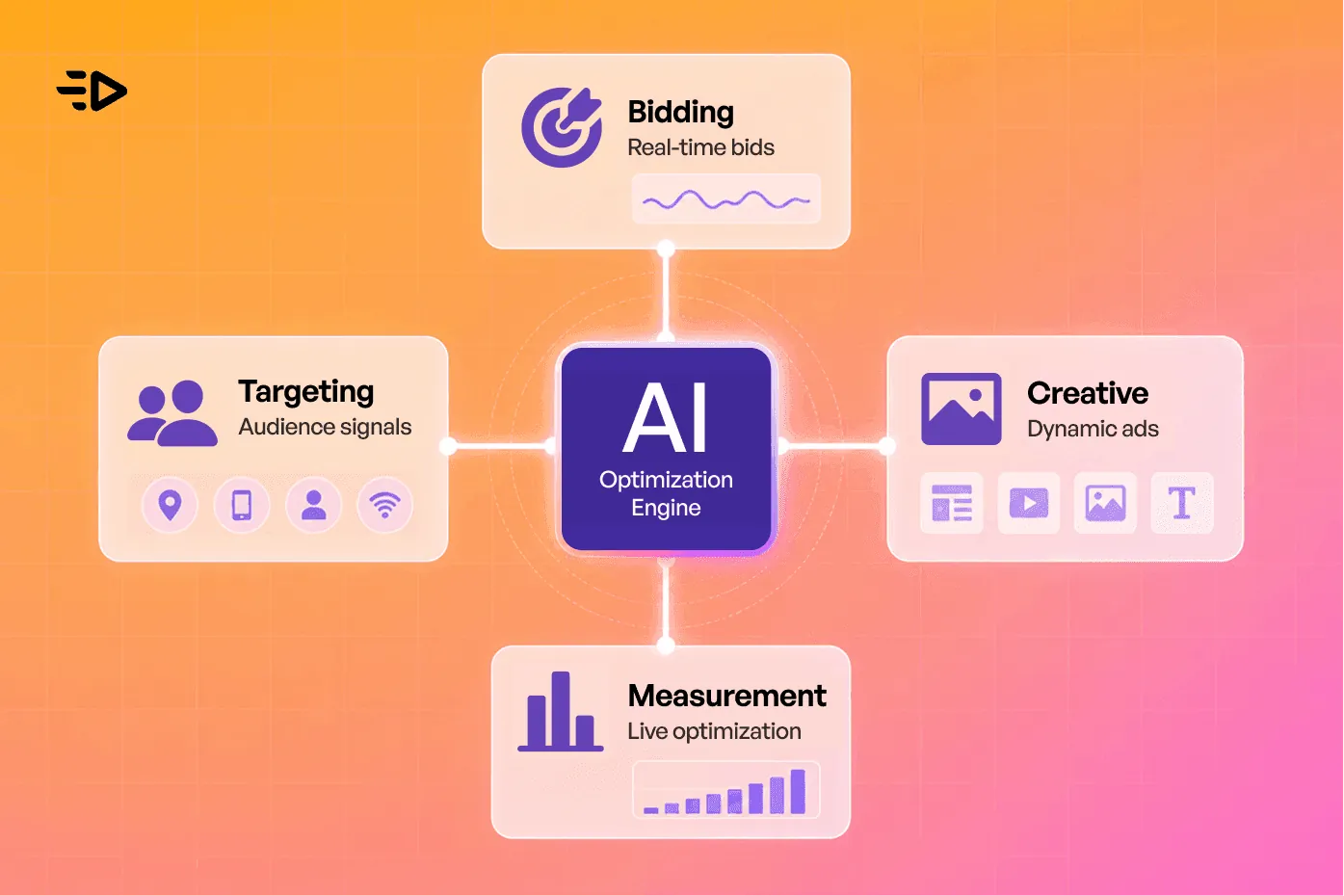
Ofertas
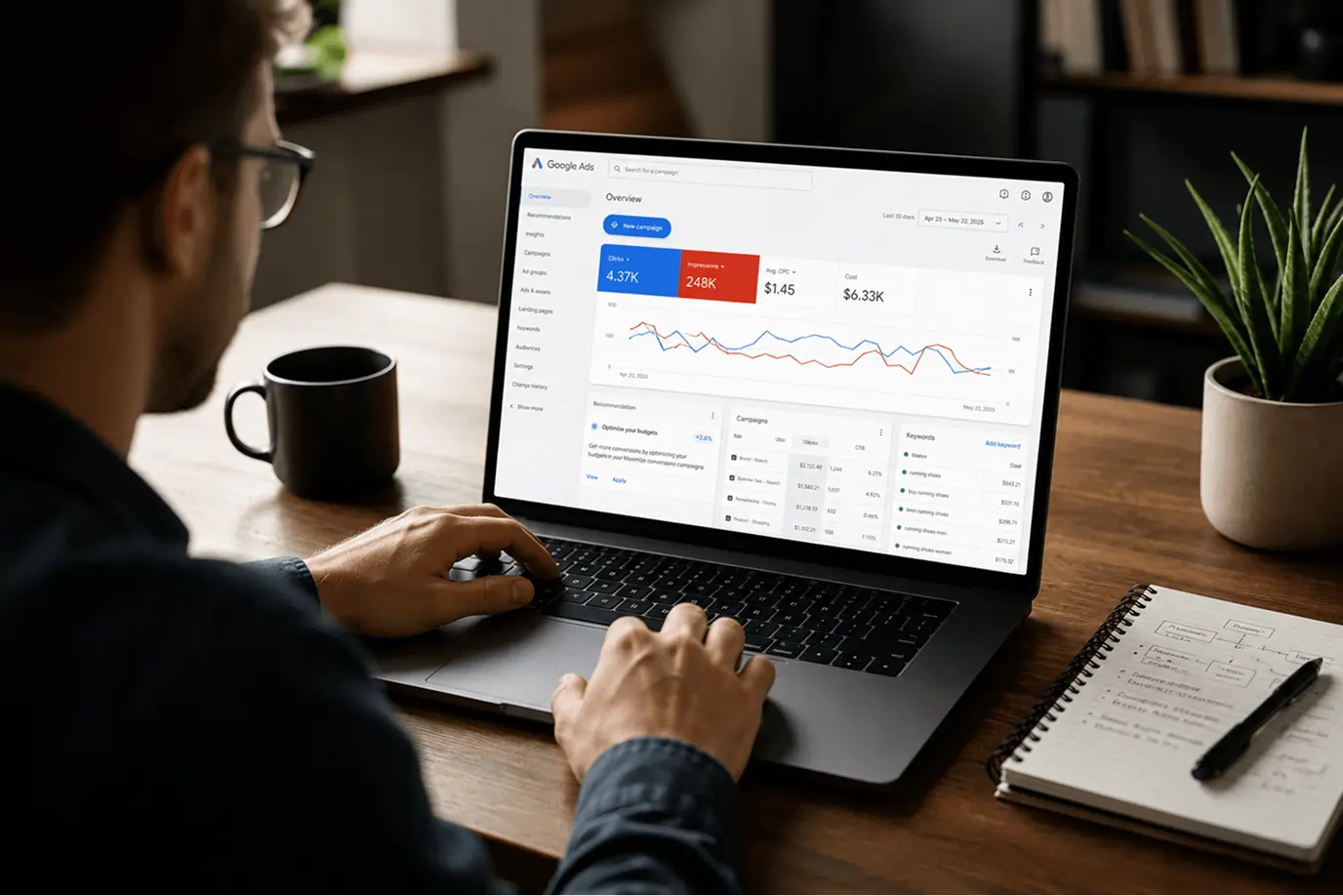
Las ofertas pasaron de reglas estáticas a modelos que valoran cada impresión sobre la marcha y reasignan el gasto en el momento en que cambia el rendimiento. La señal más clara de esto es que las plataformas más grandes dejaron de mostrar los controles manuales por completo. Performance Max de Google y Advantage+ de Meta le entregan al anunciante un objetivo y un presupuesto, y luego dejan que la IA se encargue de la segmentación, las ofertas y la selección de creatividades de forma conjunta. Lo que antes requería un equipo de especialistas ahora es un único tipo de campaña automatizada, con la desventaja de que ves mucho menos de lo que está haciendo.
Segmentación e identidad
El fin de las cookies de terceros obligó a reinventar la forma en que se construyen las audiencias. A medida que ese identificador se desvanecía, la industria se apoyó en los datos de primera fuente y en las señales contextuales, y la IA se convirtió en el motor que hace que funcionen. La segmentación se convirtió en una lectura en tiempo real del contexto y el comportamiento, actualizada continuamente. En el lado de la oferta, los editores lo están integrando directamente: NBCUniversal, por ejemplo, introdujo una segmentación contextual por IA que escanea el contenido en vivo y bajo demanda para colocar anuncios en el momento adecuado del contenido, yendo más allá de la simple coincidencia de palabras clave.
Creatividad
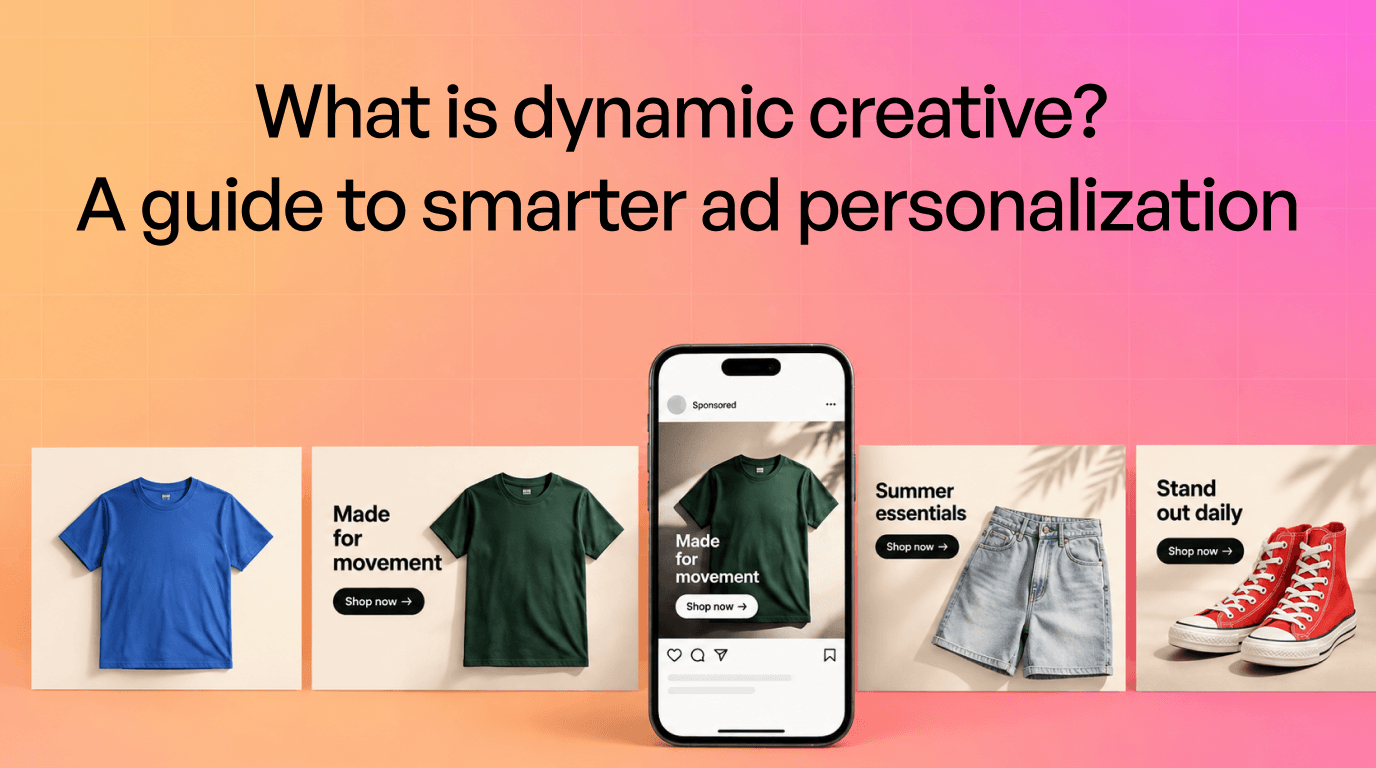
Durante años, la creatividad fue la parte que la programática dejó de lado. Subías unos cuantos banners y la máquina decidía dónde mostrarlos. La IA cerró esa brecha. La optimización creativa dinámica ahora genera y ensambla variantes sobre la marcha, adaptando la imagen, el texto y la oferta al contexto, el momento y la audiencia, y realizando pruebas a lo largo de todo un abecedario de versiones en lugar de un simple test A/B.
Ese cambio creó un nuevo cuello de botella: la máquina puede probar mucha más creatividad de la que la mayoría de los equipos pueden producir. Alimentarla es donde entran en juego herramientas como Creatify, que transforman productos e instrucciones en variaciones de video e imagen alineadas con la marca en el volumen que requiere la optimización dinámica. Cuando el sistema premia a quien suministra la mayor cantidad de creatividades potentes, la producción se convierte en el límite a resolver.
Medición
La medición solía llegar demasiado tarde para importar; era un informe que leías después de haber gastado el dinero. La IA acelera eso. Analiza grandes conjuntos de datos para potenciar los modelos de atribución y marketing-mix de forma más rápida, y convierte la medición en un bucle de retroalimentación en vivo que fluye directamente de vuelta al sistema de ofertas. El resultado es que las campañas se optimizan hacia resultados comerciales reales, como ventas y visitas a tiendas, y dependen menos de métricas secundarias como los clics.
Dónde se mueve más rápido
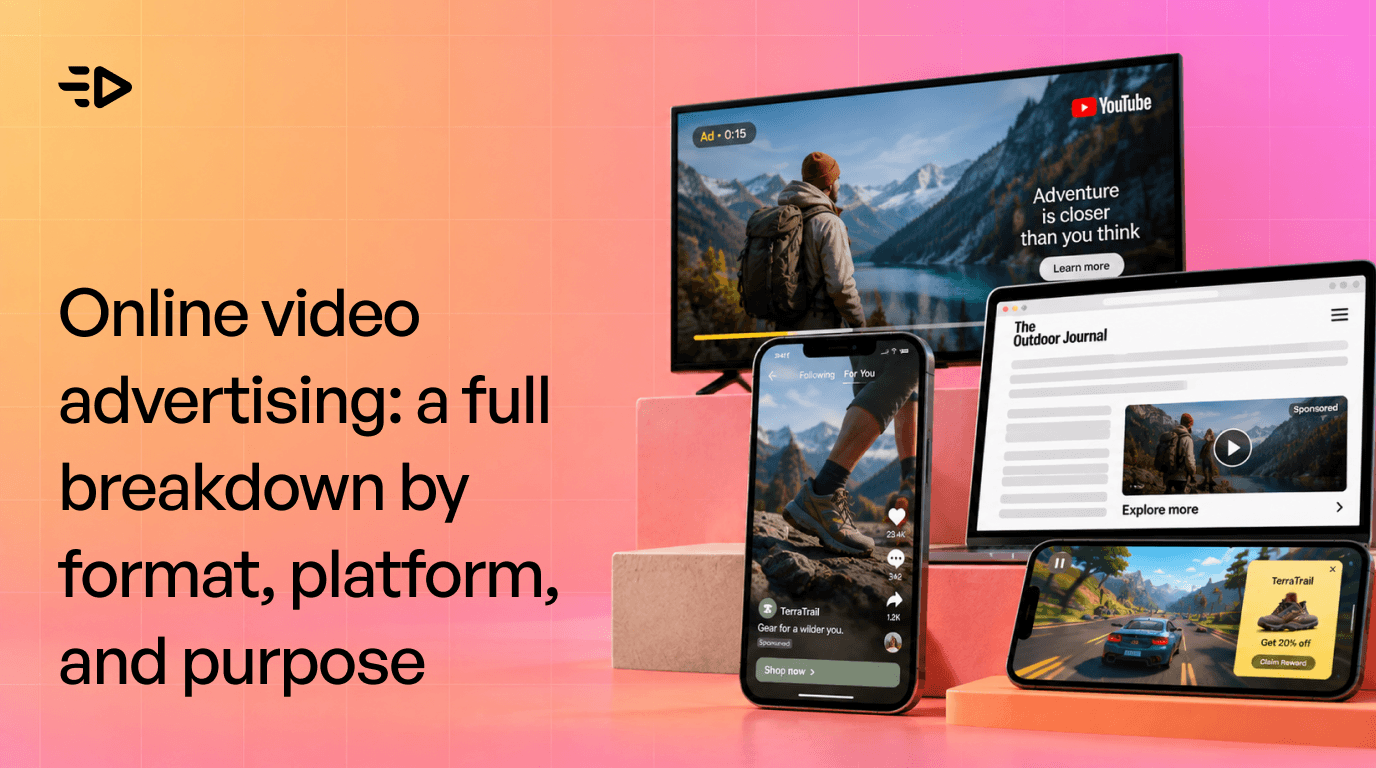
La acción siguió a las pantallas. La televisión conectada (CTV) se convirtió en la frontera: la gran mayoría del gasto publicitario en CTV ya se negocia de forma programática, y esa proporción sigue aumentando a medida que el gasto pasa del cable al streaming. El retail media, las redes publicitarias gestionadas por los minoristas sobre sus propios datos de compra de primera fuente, es el otro gran auge, y la publicidad exterior digital (DOOH) sigue el mismo camino, con vallas publicitarias que ahora se compran de forma programática y se activan según el clima, el tráfico y la hora del día. El hilo conductor es que la IA hizo que cada uno de estos canales fuera direccionable de formas que nunca antes lo habían sido.
El avance desigual: los jardines amurallados frente a la web abierta
Aquí está la tensión que define a dónde van los presupuestos. Las herramientas de IA más capaces están madurando más rápido dentro de los jardines amurallados (Google, Meta, Amazon), donde la plataforma posee los datos, los modelos y el inventario de principio a fin. Esa integración total hace que sus productos automatizados funcionen bien, lo que atrae más gasto hacia ecosistemas cerrados.
La web abierta, el vasto mercado de sitios y aplicaciones independientes, compite por mantenerse al día construyendo herramientas compartidas y protocolos abiertos para que los agentes de IA de diferentes compañías puedan trabajar juntos. La rapidez con la que se logre esto definirá si la próxima fase de la programática se concentra en unas pocas plataformas o se extiende por todo Internet.
Qué viene después: agentes que hablan con agentes
La frontera es agéntica. En lugar de un modelo que optimiza una campaña dentro de una plataforma, la industria está diseñando protocolos que permiten a los agentes de IA negociar y transaccionar entre sí a lo largo de la cadena de suministro: un agente del comprador hablando directamente con un agente del vendedor. Es poco probable que la autonomía total en todo el proceso llegue en un solo año, y las previsiones más realistas esperan que los informes, el análisis y las operaciones rutinarias del funnel se automaticen primero. Sin embargo, el rumbo está marcado: más partes del proceso cerrándose sin la intervención de un humano.
Qué significa para los humanos
El trabajo del especialista en marketing sobrevivió a todo esto, pero su centro de gravedad cambió. El trabajo antiguo consistía en operar la máquina: mover palancas, ajustar ofertas y crear segmentos a mano. El nuevo trabajo es de orquestación: definir el objetivo hacia el cual se optimiza la IA, alimentarla con datos limpios y bien gestionados, dirigir las piezas creativas que ensambla y decidir dónde termina su autoridad. El valor pasó de ejecutar campañas a dirigir los sistemas que las ejecutan, y de la producción en volumen al criterio, el gusto y la estrategia.
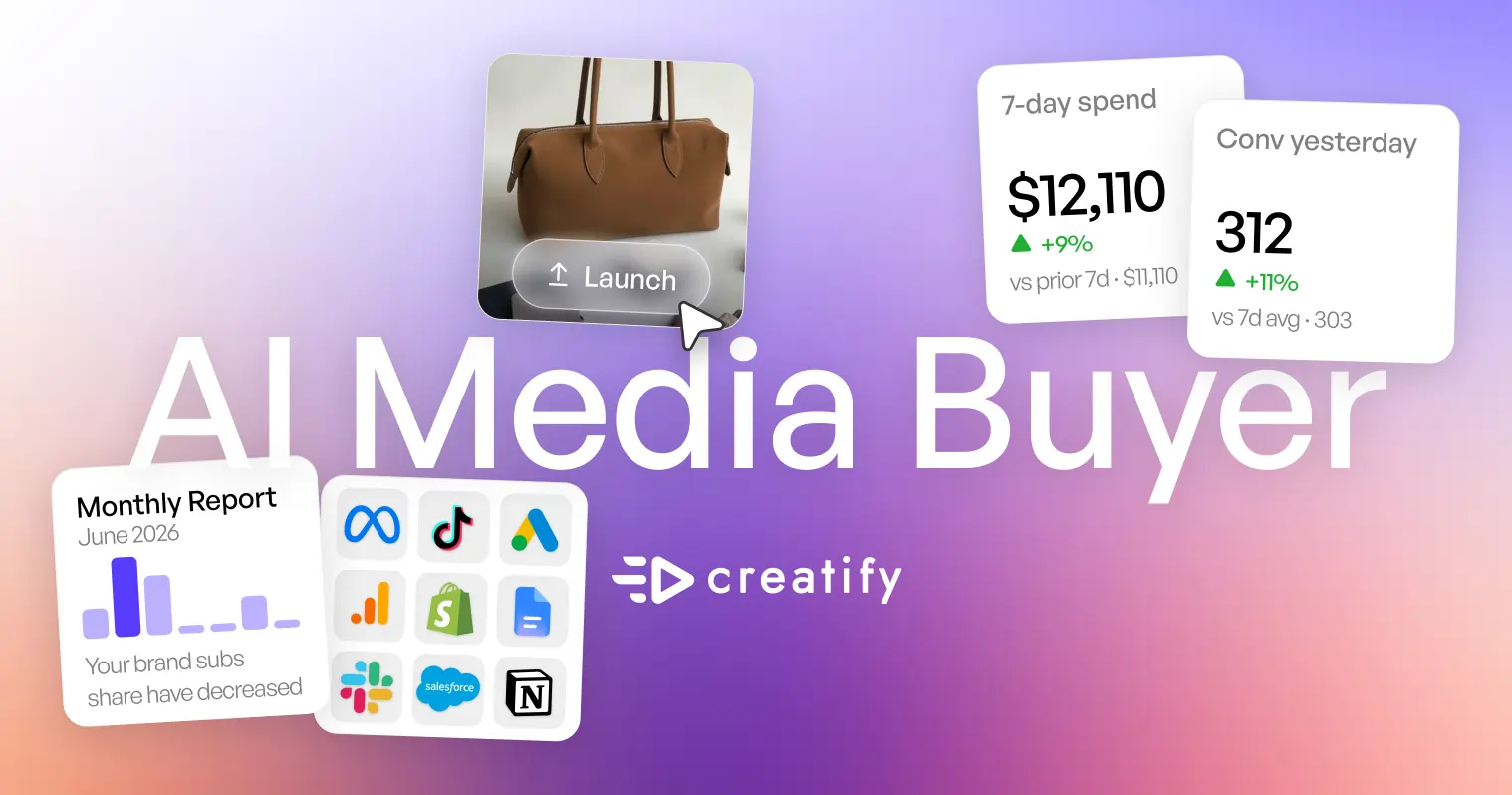
Esa división del trabajo es exactamente la base sobre la que se construyen las herramientas más nuevas. El comprador de medios con IA de Creatify se conecta a tus cuentas de Meta, Google y TikTok para auditar el gasto, detectar qué funciona y trasladar el presupuesto hacia las opciones ganadoras, mientras tú defines los objetivos y los límites dentro de los cuales trabaja.
La contraparte: transparencia, seguridad de marca y la caja negra
A pesar de todos sus avances, este cambio viene con fricciones reales, y los operadores honestos lo reconocen. La mayor de ellas es la opacidad. Cuando un único tipo de campaña automatizada toma las decisiones de segmentación, oferta y creatividad en conjunto, pierdes visibilidad de por qué hizo lo que hizo, y la IAB ha descubierto que la precisión y la transparencia se encuentran entre las principales barreras que impiden a los profesionales del marketing apoyarse más en la IA.
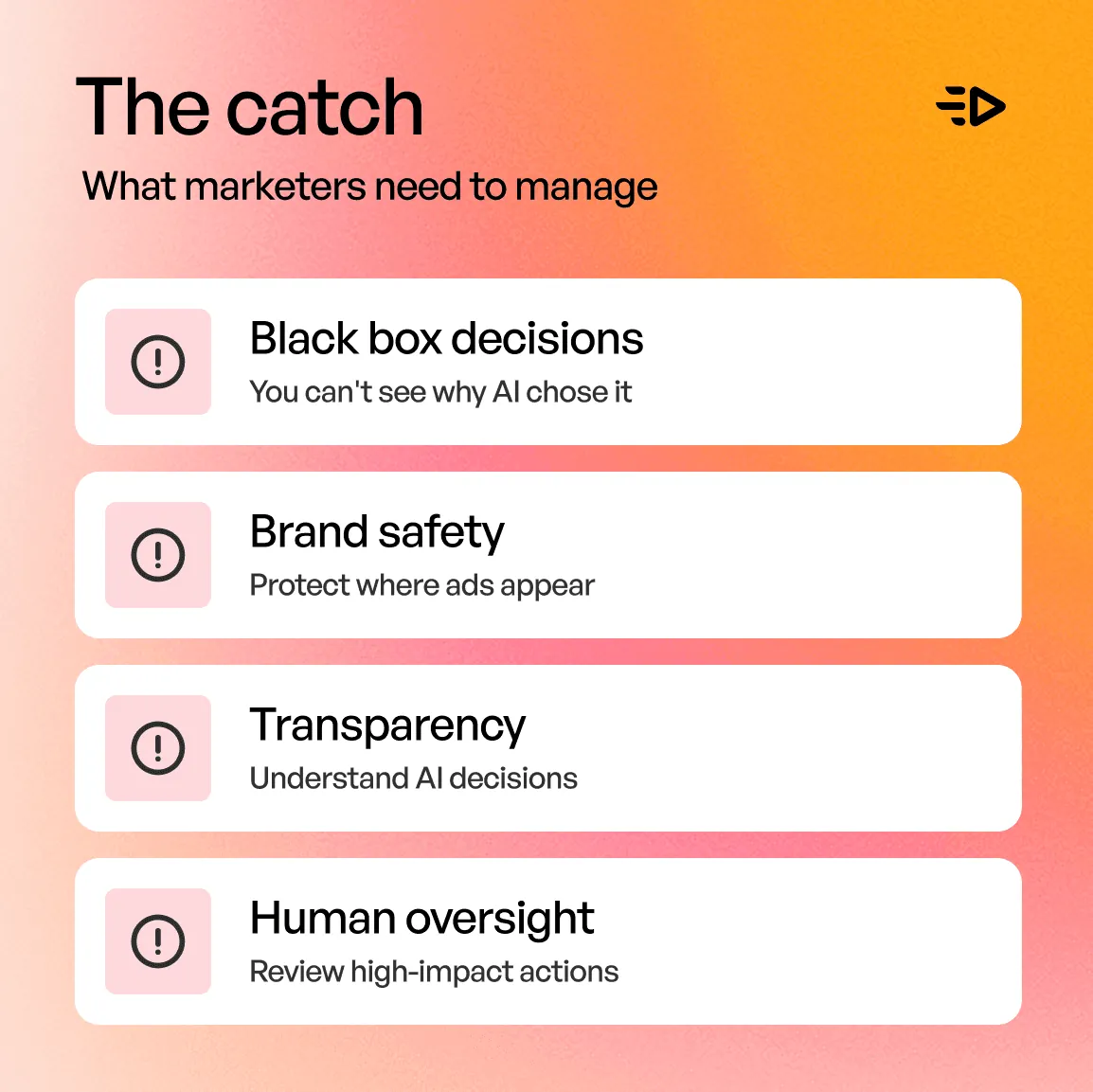
Hay trampas más allá de la opacidad. Los sistemas que optimizan implacablemente hacia un número a corto plazo pueden perjudicar silenciosamente a la marca, buscando conversiones baratas en lugares que nunca elegirías a mano. El contrapeso es la supervisión humana en decisiones críticas y límites claros sobre lo que la automatización puede hacer por sí sola. Por el lado positivo, la misma IA que plantea estas preguntas también lee el contenido y el contexto lo suficientemente bien como para proteger la seguridad de la marca de manera más precisa que las antiguas listas de exclusión de palabras clave.
Cuando la ejecución es gratuita, los inputs ganan
Si lo reducimos a lo esencial, el cambio es fácil de definir. La IA redujo la distancia entre una señal y una acción hasta que las decisiones en el centro de la publicidad programática pasaron a ser tomadas por un modelo de aprendizaje. Las ofertas, la segmentación, el ensamblaje creativo y la medición ocurren ahora dentro de un sistema inteligente que funciona más rápido que cualquier equipo.
Los ganadores tratan esto como una actualización de su sistema operativo, alineando sus datos, creatividad, medición y gobernanza en torno a él. Y hay una lección más sutil por debajo. Cuando la máquina se encarga de la ejecución, tu ventaja se desplaza a los inputs que controlas: la calidad de tus datos de primera fuente y la fuerza de las piezas creativas con las que la alimentas. La IA hizo que el mecanismo fuera autónomo. Las ideas y los datos que fluyen por él siguen dependiendo de ti.
Lee también: Inteligencia publicitaria: cómo analizar los anuncios de la competencia en 2026
Preguntas frecuentes
¿Qué es la publicidad programática?
La publicidad programática es la compra y venta automatizada de espacios publicitarios digitales a través de subastas en tiempo real. Cuando se carga una página o aplicación, se ejecuta una subasta para el espacio publicitario en milisegundos a través de plataformas de demanda (DSP) y de oferta (SSP), y el anuncio ganador se muestra al instante. Más del 90% de la publicidad digital display en EE. UU. se compra actualmente de esta manera.
¿Cómo se utiliza la IA en la publicidad programática?
La IA impulsa las decisiones dentro de la subasta. El machine learning predice el valor de cada impresión y establece las ofertas, crea audiencias en tiempo real a partir de señales de primera fuente y contextuales, genera y selecciona variantes creativas mediante la optimización creativa dinámica, y acelera la medición para que los resultados retroalimenten el sistema en vivo.
¿Qué es la IA agéntica en la publicidad?
La IA agéntica se refiere a sistemas que actúan con autonomía real: planifican, deciden y ejecutan por sí mismos. En publicidad, esto significa una IA que puede ejecutar una campaña de extremo a extremo y, eventualmente, negociar y transaccionar con otros agentes de IA a lo largo de la cadena de suministro. Es la siguiente etapa después de la IA generativa, y aún se encuentra en sus inicios.
¿Es la publicidad programática lo mismo que la publicidad con IA?
No del todo. La programática es la infraestructura de subasta automatizada para comprar anuncios, la cual existía antes de la IA moderna. La IA es la capa de inteligencia que ahora se ejecuta sobre ella, tomando las decisiones de oferta, segmentación y creatividad que antes tomaban las personas. La mayor parte de la programática actual está impulsada por IA, por lo que ambas áreas se superponen cada vez más.
¿Reemplazará la IA a los compradores de medios?
La IA se está haciendo cargo de la ejecución manual, como ajustar ofertas y crear segmentos, mientras que el rol del comprador de medios se desplaza hacia la orquestación: definir objetivos, gobernar datos, dirigir la creatividad y supervisar la automatización. El cambio a corto plazo es pasar de operar la máquina a dirigirla.
¿Qué hace el machine learning en la publicidad programática?
Los modelos de machine learning analizan miles de señales por subasta para estimar la probabilidad de que alguien convierta y cuánto vale una impresión, para luego ofertar en consecuencia y aprender del resultado. Esto reemplazó el enfoque antiguo de segmentos de audiencia fijos y reglas de oferta escritas por humanos.