Creatify-Team
TEILEN


IN DIESEM ARTIKEL
Sie kennen das Muster. Eine Anzeige hat Ihr Konto wochenlang getragen, dann sinkt der Return on Ad Spend, die Cost-per-Acquisition steigt und an der Kampagne hat sich nichts geändert. Sie haben weder das Targeting, das Budget noch das Creative angerührt. Dennoch hat sie aufgehört zu funktionieren.
Diese Anzeige hat an Wirkung verloren. Eine erfolgreiche Anzeige stirbt fast nie auf einen Schlag; sie verblasst, wenn die Zielgruppe sie zu oft sieht, sich die Auktion verschiebt oder der Plattform die neuen Leute ausgehen, denen sie sie zeigen kann. Das Schwierige ist herauszufinden, welcher dieser Faktoren zutrifft, denn die Lösung für jeden einzelnen ist unterschiedlich – und den falschen Hebel zu ziehen, verschwendet nur noch mehr Budget.
Genau hier machen sich Tools zur Anzeigenoptimierung bezahlt. Die Dashboards, die Sie bereits haben, zeigen Ihnen die Symptome. Diese Tools helfen Ihnen, die Ursache zu finden und schnell zu handeln. Hier sind sieben, die man kennen sollte, und genau das Problem, das sie lösen.
Warum erfolgreiche Anzeigen aufhören, erfolgreich zu sein
Vor den Tools kommt die Diagnose, denn das ganze Spiel besteht darin, die Lösung auf die Ursache abzustimmen. Vier Dinge killen eine erfolgreiche Anzeige, und jedes hinterlässt einen anderen Fingerabdruck in Ihren Metriken.
Creative Fatigue (Ermüdung des Werbemittels) ist am häufigsten. Die Zielgruppe hat die Anzeige so oft gesehen, dass sie sie nicht mehr wahrnimmt. Das Indiz: Die Frequenz steigt, während die Click-Through-Rate und die Hook-Rate sinken, und Ihre Kosten pro tausend Impressionen (CPM) steigen, da die Plattform den Rückgang des Engagements als geringere Relevanz interpretiert.
Zielgruppensättigung ist die nächste Stufe. Die Personen, die am ehesten konvertieren, haben bereits konvertiert, und die Plattform schöpft nun aus einem seichteren Pool. Das Indiz: Selbst frische Creatives performen unterdurchschnittlich und die Conversions schwächeln bei jeder Anzeige im Set.
Bidding-Drift (Gebotsdrift) ist unauffälliger. Die Anzeige konvertiert zwar immer noch, aber die Effizienz sinkt, da Konkurrenz oder Saisonalität die Auktion verändern. Das Indiz: Click-Through- und Conversion-Rate bleiben stabil, während Ihre Kosten pro Ergebnis steigen.
Signalverlust ist das, was viele übersehen. Wenn das Conversion-Tracking nachlässt, optimiert der Gebotsalgorithmus auf Basis fehlerhafter Daten und läuft im Stillen schief. Das Indiz: Die Click-Through-Rate sieht gut aus, aber die gemeldeten Conversions brechen ein, ohne dass das Frontend dies erklären kann.
Bestimmen Sie zuerst den Fingerabdruck und greifen Sie dann zu dem Anzeigenoptimierungstool, das ihn behebt. Moderne Anzeigenoptimierung setzt zunehmend auf maschinelles Lernen für die Online-Anzeigenoptimierung, um diese Muster schneller zu erkennen, als es jede manuelle Überprüfung könnte.
1. Creatify AI Media Buyer
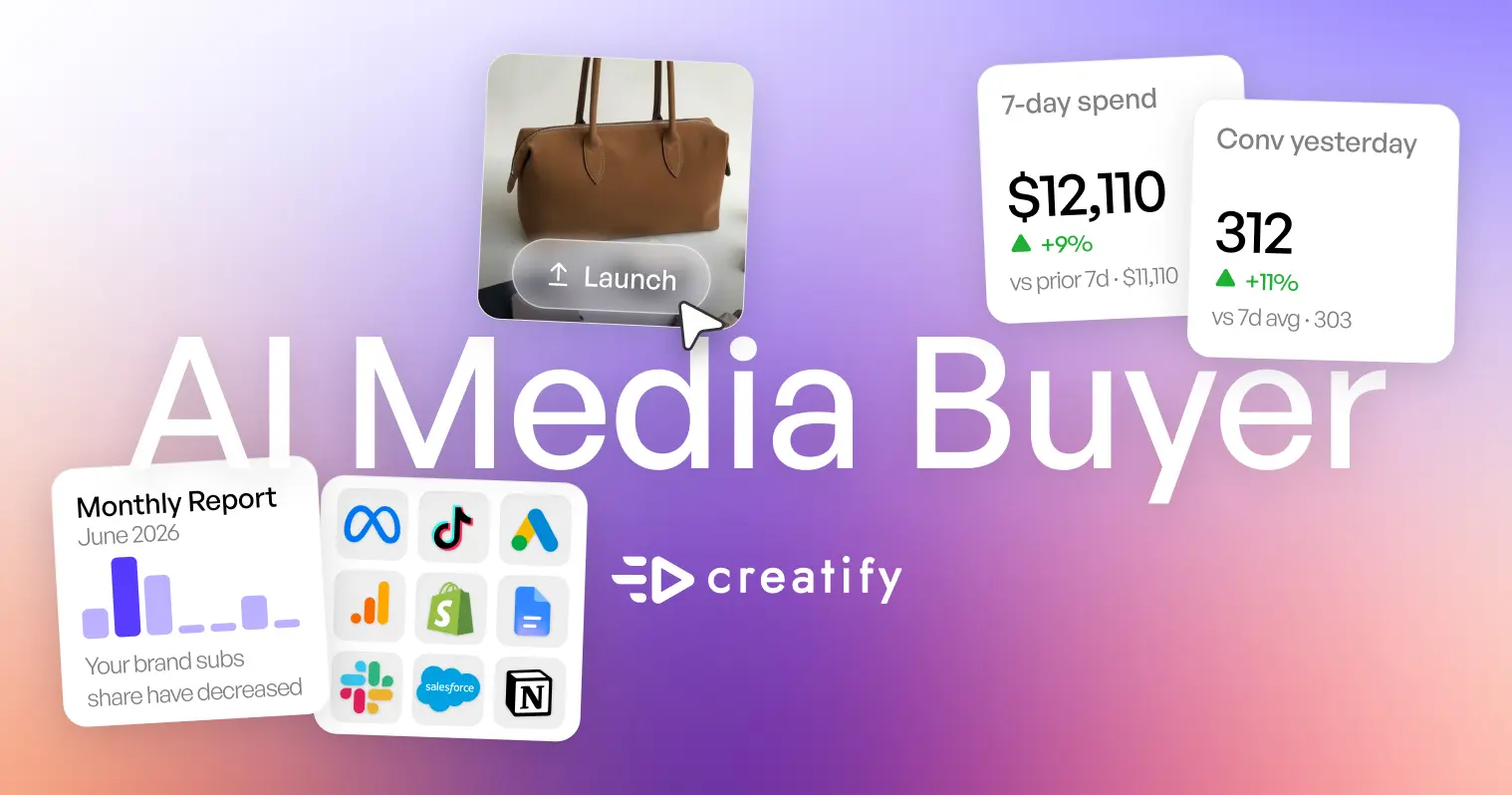
Die meisten Tools lösen nur eines der vier Probleme. Der AI Media Buyer von Creatify ist so konzipiert, dass er alle diese Probleme aus einem einzigen Chat heraus angeht. Verbinden Sie Meta, Google, TikTok, Shopify und GA4, und der Agent prüft jede Kampagne, zeigt auf, wo Budget verschwendet wird, warnt vor Fatigue, bevor sie eintritt, und verschiebt das Budget auf die Anzeigen, die noch funktionieren. Er verfügt außerdem über eine integrierte Creative-Engine: Wenn also eine Anzeige ermüdet, können Sie die nächste Variante erstellen und sie direkt dort starten, wo Sie das Problem diagnostiziert haben.
Was ihn perfekt für diesen Artikel macht, ist sein Umfang. Ein Bidding-Tool kann kein Creative-Problem erkennen und ein Creative-Tool sieht die Auktion nicht. Die Diagnose bedeutet also meist, zwischen Plattformen hin- und herzuspringen. Ein Agent, der das gesamte Konto analysiert, erfasst die Fehlerquelle, wo immer sie liegt – was sonst der mühsamste Teil bei der Rettung eines nachlassenden Gewinners ist. Er läuft auf Claude, einem der logischen Modelle von Anthropic, und arbeitet im Hintergrund, sodass das Konto auch zwischen Ihren Check-ins überwacht wird. Als Advertising Optimizer bündelt er Diagnose und Aktion in einem einzigen Workflow, statt eine Vielzahl von Einzellösungen zu verlangen.
Bestens geeignet für: Teams, die Paid Social and Search über mehrere Plattformen hinweg schalten und Diagnose sowie Behebung in einem einzigen Workflow haben möchten.
Lesen Sie auch: Was ist Media Buying? Früher ging es um Beziehungen. Heute geht es um Daten
2. Google Smart Bidding
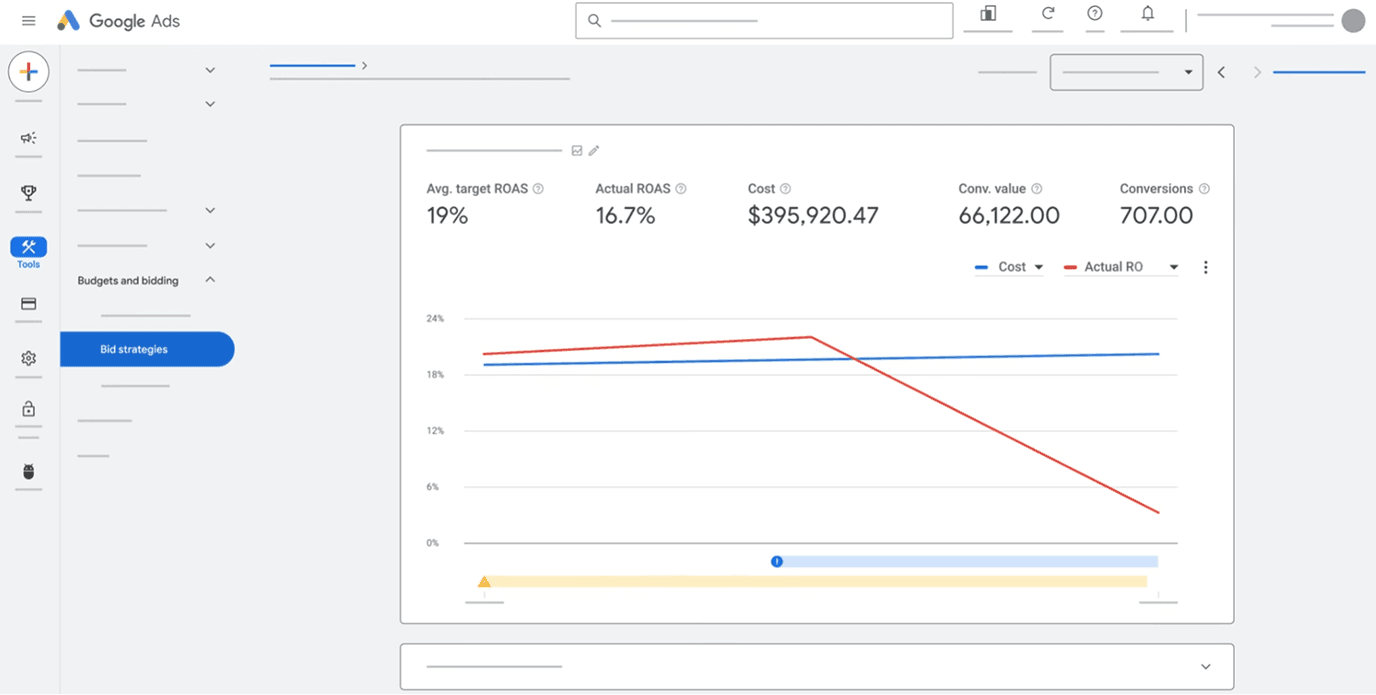
Wenn das Problem ein Bidding-Drift ist, fangen Sie mit dem maschinellen Lernen an, das bereits in der Plattform integriert ist. Google Smart Bidding legt bei jeder einzelnen Auktion ein Gebot fest und nutzt dabei eine Vielzahl von Kontextfaktoren, darunter Gerät, Standort, Tageszeit und Sprache, um vorherzusagen, wie sich ein bestimmtes Gebot auf Conversions oder den Conversion-Wert auswirkt. Ziel-CPA, Ziel-ROAS, Conversions maximieren und Conversion-Wert maximieren sind allesamt Smart Bidding-Strategien. Dies ist AdWords-Optimierung in ihrer nativsten Form, da die KI-gestützte AdWords-Optimierung direkt in der Auktion selbst und nicht als Aufsatz darüber läuft.
Bei einer nachlassenden Anzeige besteht der Schritt darin, die Strategie an dem Ziel auszurichten, bei dem sie schwächelt, und die Ziele schrittweise zu ändern, da abrupte Wechsel das Modell während der Lernphase stören. Wertbasiertes Bidding, gefüttert mit Ihren eigenen Kundendaten, lenkt den Algorithmus zudem in Richtung umsatzstärkerer Käufer, wenn das volumenorientierte Bidding die einfachen Conversions bereits ausgeschöpft hat.
Bestens geeignet für: Search- und Performance Max-Werbetreibende, deren Anzeigen zwar noch konvertieren, aber an Effizienz verloren haben.
3. Meta Advantage+
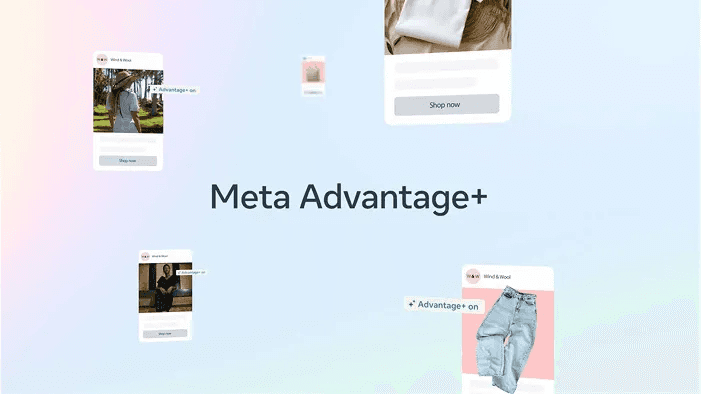
Auf Meta ist die schnellste Reaktion auf Creative Fatigue und Zielgruppensättigung oft die plattformeigene Automatisierungsebene. Advantage+ Creative erstellt automatisch Variationen Ihrer Bilder und Videos, passt Elemente wie Bildformat, Helligkeit und Layout an und zeigt jedem Nutzer die Version, auf die er am ehesten reagiert. Aus einem Asset werden viele, was die Lebensdauer eines Creatives verlängert, bevor Sie ein neues erstellen müssen.
Advantage+ Audience kümmert sich um die Sättigungsseite und ermöglicht es dem System, über ein enges, erschöpftes Segment hinaus nach neuen Käufern zu suchen. Beide nutzen das maschinelle Lernen von Meta, um die Ausspielung effizient zu halten, wenn Ihre ursprüngliche Zielgruppe gesättigt ist.
Bestens geeignet für: Facebook- und Instagram-Werbetreibende, deren Frequenz steigt und deren beste Segmente erschöpft sind.
4. Optmyzr
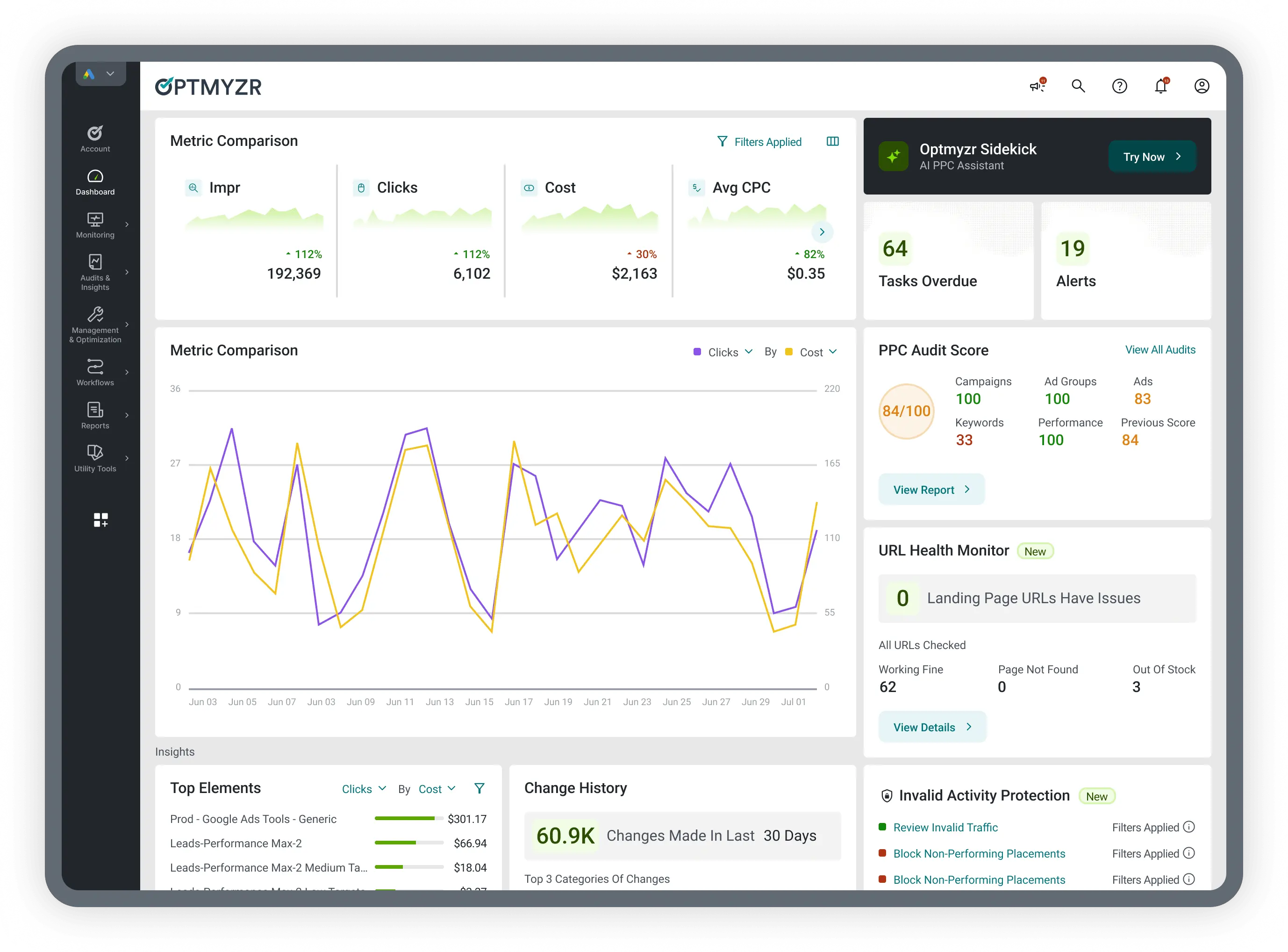
Wenn Sie viele Konten oder ein großes Suchportfolio verwalten, ist die manuelle Optimierung ein echter Zeitfresser. Optmyzr setzt auf Google, Microsoft und Amazon Ads auf und kombiniert eine Rule-Engine mit One-Click-Anzeigenoptimierungen für Gebote, Budgets, Keywords und Shopping-Kampagnen. Die Konto-Audits und Suchbegriffsanalysen bringen die Probleme ans Licht, die die Performance bremsen, sodass Sie sehen, was nachlässt, ohne jede Kampagne manuell prüfen zu müssen.
Der Wert liegt hier in der Diagnose im großen Stil, bei der die menschliche Kontrolle stets gewahrt bleibt. Routineprüfungen werden automatisiert und Anomalien markiert – Sie entscheiden weiterhin, worauf Sie reagieren.
Bestens geeignet für: Agenturen und Inhouse-Teams, die große oder multikontenfähige Paid-Search-Kampagnen verwalten.
5. Motion
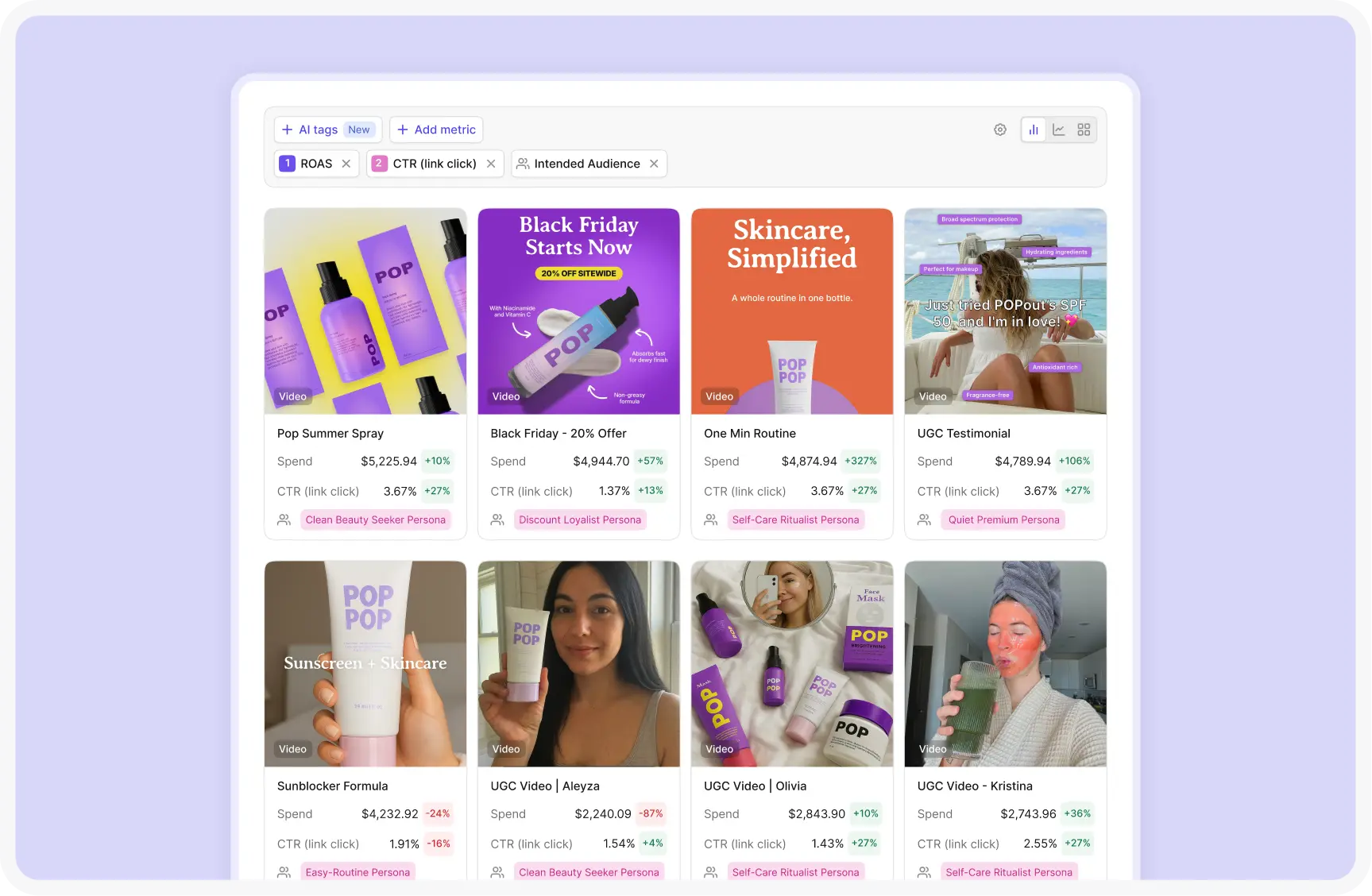
Da Creative Fatigue die häufigste Ursache für eine sterbende Anzeige ist, lohnt sich ein Tool, das genau darauf spezialisiert ist. Motion zentralisiert die Creative-Performance über Meta, TikTok und YouTube hinweg und gruppiert ähnliche Anzeigen, damit Sie sie vergleichen können. So sehen Sie, welche Hooks, Formate und Visuals Ergebnisse liefern und welche sich abnutzen. Es ersetzt das Rätselraten: Sie beobachten den Rückgang der Hook-Rate und des Engagements einer Anzeige in einem Bericht und können handeln, bevor der Return on Ad Spend einbricht.
Motion schlägt zudem die Brücke zwischen Media Buyern und Creative-Teams durch eine gemeinsame Ansicht, was die Schleife zwischen dem Erkennen von Fatigue und dem Briefing für den Ersatz verkürzt.
Bestens geeignet für: Performance- und Creative-Teams, die dank datengestützter Analysen eine frühzeitige Warnung vor nachlassenden Creatives erhalten möchten.
6. Madgicx
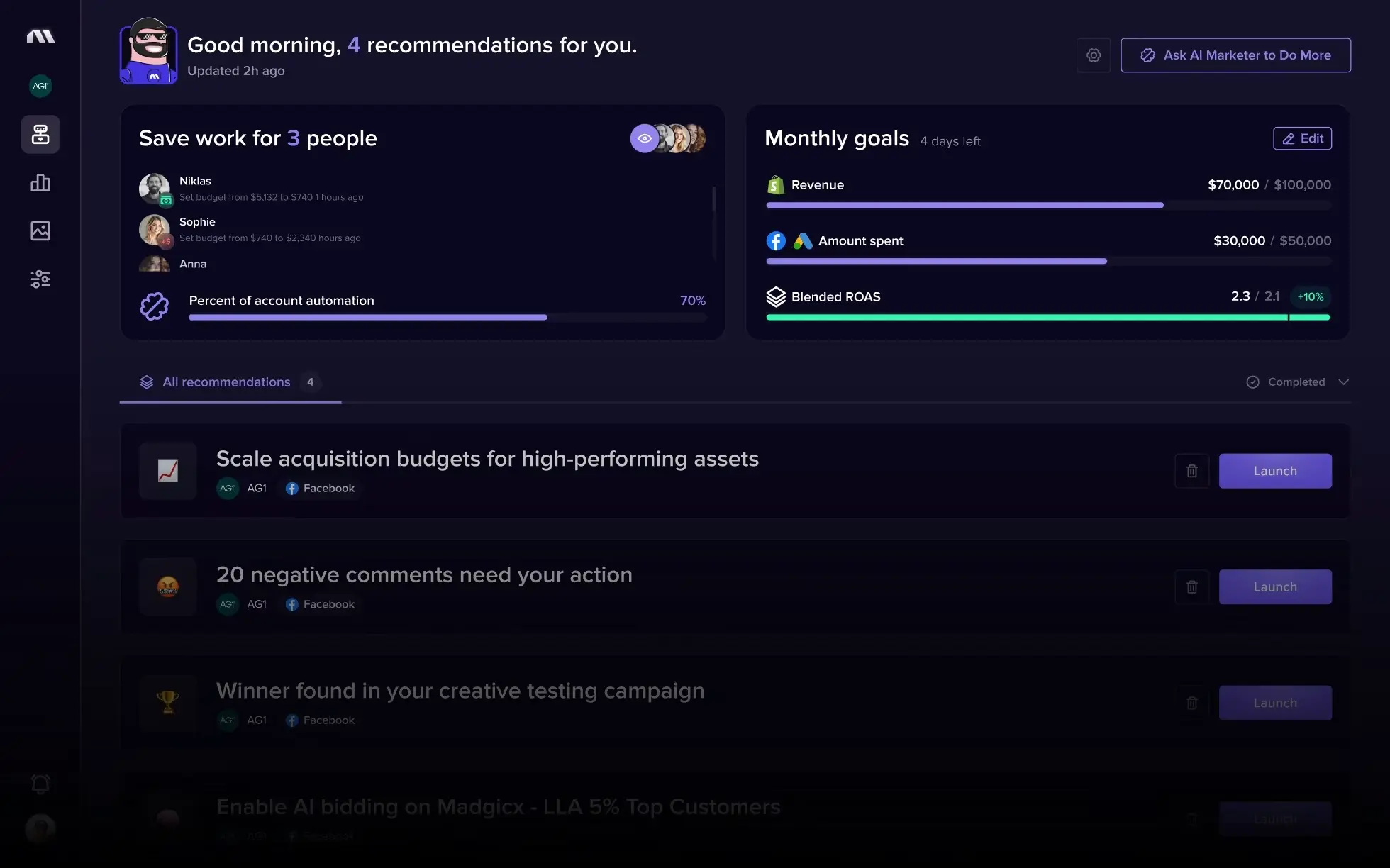
Für Werbetreibende, die primär auf Meta aktiv sind, bündelt Madgicx Automatisierung, Budgetumverteilung und Creative-Analysen auf einer Plattform. Es wendet Regeln an, die das Budget dorthin verschieben, was funktioniert, und weg von dem, was nachlässt. Die Creative Insights helfen Ihnen zudem dabei, die Anzeigen zu erkennen, die an Schwung verlieren. Betrachten Sie es als eine Automatisierungsebene, die das Konto zwischen manuellen Überprüfungen optimiert hält.
Bestens geeignet für: Meta-First-Werbetreibende, die regelbasierte Automatisierung und Creative-Diagnosen in einem einzigen Tool suchen.
7. Meta Conversions-API
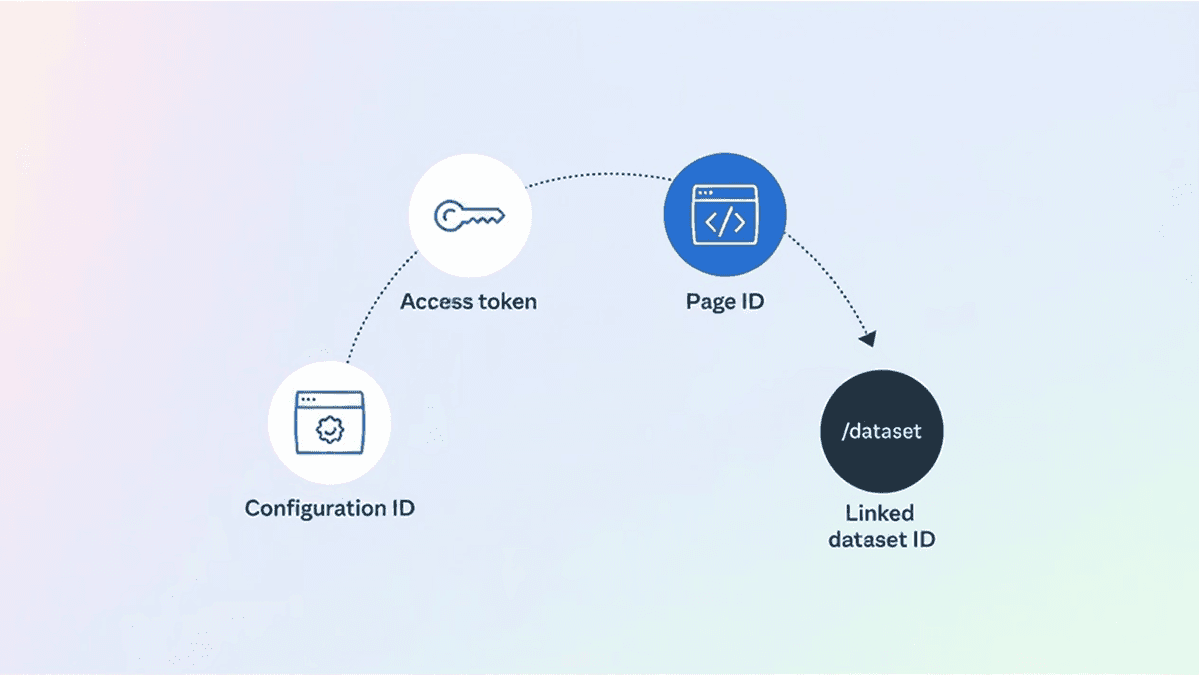
Wenn die Conversions Ihres Gewinners eingebrochen sind, während die Klicks stabil geblieben sind, sollten Sie Ihre Messung überprüfen, bevor Sie die Anzeige ändern. Die Meta Conversions-API sendet Conversion-Events direkt von Ihrem Server an Meta und stellt so Signale wieder her, die durch Browser-Einschränkungen und Datenschutzänderungen verloren gegangen sind. Saubere Daten füttern die Gebotsmodelle mit besseren Informationen, sodass die automatisierte Optimierung nicht mehr aufgrund von Lücken, die sie nicht sehen kann, fehlerhaft arbeitet.
Dies ist die Grundlage. Jedes oben genannte Tool hängt von präzisen Conversion-Daten ab, und Server-Side-Tracking ist der Weg, diese zu schützen. Beheben Sie zuerst die Messung, sonst wird selbst der cleverste Gebotsalgorithmus selbstbewusst auf das Falsche hin optimieren.
Bestens geeignet für: Alle Werbetreibenden, die auf automatisiertes Bidding setzen, insbesondere nach Signalverlusten durch iOS- und Cookie-Änderungen.
Wie man diese Tools zur Anzeigenoptimierung optimal kombiniert
Tools entfalten ihre Wirkung erst richtig, wenn man sie in der richtigen Reihenfolge einsetzt. Wenn ein Gewinner an Kraft verliert, arbeiten Sie die Schritte nacheinander ab.
Prüfen Sie zuerst das Tracking mit serverseitigen Daten, damit Sie wissen, dass die Zahlen real sind. Prüfen Sie Frequenz und Zielgruppensättigung, bevor Sie dem Creative die Schuld geben, da eine erschöpfte Zielgruppe eine breitere Ansprache braucht, um sich zu erholen. Analysieren Sie dann Ihre Creative-Analytics, um zu sehen, ob das Werbemittel ermüdet ist, und frischen Sie gegebenenfalls den Hook oder das Format auf. Passen Sie die Gebotsziele schrittweise in kleinen Schritten an. Und bewerten Sie das Ergebnis über einen längeren Zeitraum, denn ein einzelner schlechter Tag ist nur Rauschen.
Die Automatisierung übernimmt das Erkennen und die Routine-Schritte. Die strategischen Entscheidungen, das Angebot, die Positionierung und die Marke bleiben bei Ihnen. Das beste Setup kombiniert ein Tool, das das Konto kontinuierlich überwacht, mit einem Menschen, der entscheidet, was ein Signal tatsächlich bedeutet.
Lesen Sie auch: 7 geniale Social-Media-Anzeigenbeispiele: Was bringt Menschen dazu, mit dem Scrollen aufzuhören?
Häufig gestellte Fragen
Was sind Anzeigenoptimierungstools?
Anzeigenoptimierungstools sind Softwarelösungen, die Werbetreibenden helfen, die Kampagnenperformance in den Bereichen Bidding, Budgetierung, Targeting, Creative und Messung zu verbessern. Einige sind nativ in eine Plattform integriert, wie Google Smart Bidding oder Meta Advantage+, während andere kontenübergreifend agieren, um Probleme zu diagnostizieren und Routineoptimierungen zu automatisieren. KI-gestützte Tools nutzen maschinelles Lernen, um Kampagnendaten zu analysieren und Änderungen zu empfehlen oder direkt vorzunehmen.
Warum hören erfolgreiche Anzeigen auf zu funktionieren?
Eine erfolgreiche Anzeige lässt in der Regel allmählich nach, anstatt abrupt zu scheitern. Die vier häufigsten Ursachen sind Creative Fatigue (die Zielgruppe hat sie zu oft gesehen), Zielgruppensättigung (Ihre besten potenziellen Kunden haben bereits konvertiert), Bidding-Drift (die Auktion hat sich verschoben und die Effizienz ist gesunken) und Signalverlust (das Conversion-Tracking ist ungenau geworden und der Algorithmus hat auf Basis falscher Daten optimiert). Jedes Problem zeigt ein anderes Muster in Ihren Metriken.
Wie behebt man Creative Fatigue?
Frischen Sie den Teil der Anzeige auf, den sich die Zielgruppe gemerkt hat – meist die ersten Sekunden oder den zentralen Hook –, während Sie das beibehalten, was noch funktioniert. Beobachten Sie Frequenz und Hook-Rate, um Fatigue frühzeitig zu erkennen, nutzen Sie ein Creative-Analytics-Tool, um zu bestätigen, welche Anzeigen nachlassen, und halten Sie eine Pipeline getesteter Varianten bereit, um sie schnell auszutauschen, bevor die Performance einbricht.
Kann KI Anzeigen automatisch optimieren?
Ja, in gewissen Grenzen. Maschinelles Lernen steuert bereits das Bidding und die Creative-Ausspielung auf Google und Meta, und KI-Agenten können Konten prüfen, Fatigue melden und Budgets umverteilen. Das funktioniert am besten mit sauberen Conversion-Daten, ausreichend Volumen und stabilen Zielen. KI eignet sich hervorragend für Erkennung und Routine-Schritte; Strategie, Angebot und Positionierung erfordern nach wie vor menschliches Urteilsvermögen.
Was ist der beste Weg, um Anzeigen plattformübergreifend zu optimieren?
Diagnostizieren Sie zuerst die Fehlerquelle, stimmen Sie das Tool darauf ab und halten Sie das Conversion-Tracking präzise, damit jedes Tool auf echten Daten basiert. Für plattformübergreifende Konten kann ein KI-gestützter Media Buyer, der Meta, Google und TikTok zusammen analysiert, das Problem überall dort erkennen, wo es auftritt. Das ist wesentlich schneller, als zwischen separaten Dashboards hin- und herzuwechseln.
Sie kennen das Muster. Eine Anzeige hat Ihr Konto wochenlang getragen, dann sinkt der Return on Ad Spend, die Cost-per-Acquisition steigt und an der Kampagne hat sich nichts geändert. Sie haben weder das Targeting, das Budget noch das Creative angerührt. Dennoch hat sie aufgehört zu funktionieren.
Diese Anzeige hat an Wirkung verloren. Eine erfolgreiche Anzeige stirbt fast nie auf einen Schlag; sie verblasst, wenn die Zielgruppe sie zu oft sieht, sich die Auktion verschiebt oder der Plattform die neuen Leute ausgehen, denen sie sie zeigen kann. Das Schwierige ist herauszufinden, welcher dieser Faktoren zutrifft, denn die Lösung für jeden einzelnen ist unterschiedlich – und den falschen Hebel zu ziehen, verschwendet nur noch mehr Budget.
Genau hier machen sich Tools zur Anzeigenoptimierung bezahlt. Die Dashboards, die Sie bereits haben, zeigen Ihnen die Symptome. Diese Tools helfen Ihnen, die Ursache zu finden und schnell zu handeln. Hier sind sieben, die man kennen sollte, und genau das Problem, das sie lösen.
Warum erfolgreiche Anzeigen aufhören, erfolgreich zu sein
Vor den Tools kommt die Diagnose, denn das ganze Spiel besteht darin, die Lösung auf die Ursache abzustimmen. Vier Dinge killen eine erfolgreiche Anzeige, und jedes hinterlässt einen anderen Fingerabdruck in Ihren Metriken.
Creative Fatigue (Ermüdung des Werbemittels) ist am häufigsten. Die Zielgruppe hat die Anzeige so oft gesehen, dass sie sie nicht mehr wahrnimmt. Das Indiz: Die Frequenz steigt, während die Click-Through-Rate und die Hook-Rate sinken, und Ihre Kosten pro tausend Impressionen (CPM) steigen, da die Plattform den Rückgang des Engagements als geringere Relevanz interpretiert.
Zielgruppensättigung ist die nächste Stufe. Die Personen, die am ehesten konvertieren, haben bereits konvertiert, und die Plattform schöpft nun aus einem seichteren Pool. Das Indiz: Selbst frische Creatives performen unterdurchschnittlich und die Conversions schwächeln bei jeder Anzeige im Set.
Bidding-Drift (Gebotsdrift) ist unauffälliger. Die Anzeige konvertiert zwar immer noch, aber die Effizienz sinkt, da Konkurrenz oder Saisonalität die Auktion verändern. Das Indiz: Click-Through- und Conversion-Rate bleiben stabil, während Ihre Kosten pro Ergebnis steigen.
Signalverlust ist das, was viele übersehen. Wenn das Conversion-Tracking nachlässt, optimiert der Gebotsalgorithmus auf Basis fehlerhafter Daten und läuft im Stillen schief. Das Indiz: Die Click-Through-Rate sieht gut aus, aber die gemeldeten Conversions brechen ein, ohne dass das Frontend dies erklären kann.
Bestimmen Sie zuerst den Fingerabdruck und greifen Sie dann zu dem Anzeigenoptimierungstool, das ihn behebt. Moderne Anzeigenoptimierung setzt zunehmend auf maschinelles Lernen für die Online-Anzeigenoptimierung, um diese Muster schneller zu erkennen, als es jede manuelle Überprüfung könnte.
1. Creatify AI Media Buyer
Die meisten Tools lösen nur eines der vier Probleme. Der AI Media Buyer von Creatify ist so konzipiert, dass er alle diese Probleme aus einem einzigen Chat heraus angeht. Verbinden Sie Meta, Google, TikTok, Shopify und GA4, und der Agent prüft jede Kampagne, zeigt auf, wo Budget verschwendet wird, warnt vor Fatigue, bevor sie eintritt, und verschiebt das Budget auf die Anzeigen, die noch funktionieren. Er verfügt außerdem über eine integrierte Creative-Engine: Wenn also eine Anzeige ermüdet, können Sie die nächste Variante erstellen und sie direkt dort starten, wo Sie das Problem diagnostiziert haben.
Was ihn perfekt für diesen Artikel macht, ist sein Umfang. Ein Bidding-Tool kann kein Creative-Problem erkennen und ein Creative-Tool sieht die Auktion nicht. Die Diagnose bedeutet also meist, zwischen Plattformen hin- und herzuspringen. Ein Agent, der das gesamte Konto analysiert, erfasst die Fehlerquelle, wo immer sie liegt – was sonst der mühsamste Teil bei der Rettung eines nachlassenden Gewinners ist. Er läuft auf Claude, einem der logischen Modelle von Anthropic, und arbeitet im Hintergrund, sodass das Konto auch zwischen Ihren Check-ins überwacht wird. Als Advertising Optimizer bündelt er Diagnose und Aktion in einem einzigen Workflow, statt eine Vielzahl von Einzellösungen zu verlangen.
Bestens geeignet für: Teams, die Paid Social and Search über mehrere Plattformen hinweg schalten und Diagnose sowie Behebung in einem einzigen Workflow haben möchten.
Lesen Sie auch: Was ist Media Buying? Früher ging es um Beziehungen. Heute geht es um Daten
2. Google Smart Bidding
Wenn das Problem ein Bidding-Drift ist, fangen Sie mit dem maschinellen Lernen an, das bereits in der Plattform integriert ist. Google Smart Bidding legt bei jeder einzelnen Auktion ein Gebot fest und nutzt dabei eine Vielzahl von Kontextfaktoren, darunter Gerät, Standort, Tageszeit und Sprache, um vorherzusagen, wie sich ein bestimmtes Gebot auf Conversions oder den Conversion-Wert auswirkt. Ziel-CPA, Ziel-ROAS, Conversions maximieren und Conversion-Wert maximieren sind allesamt Smart Bidding-Strategien. Dies ist AdWords-Optimierung in ihrer nativsten Form, da die KI-gestützte AdWords-Optimierung direkt in der Auktion selbst und nicht als Aufsatz darüber läuft.
Bei einer nachlassenden Anzeige besteht der Schritt darin, die Strategie an dem Ziel auszurichten, bei dem sie schwächelt, und die Ziele schrittweise zu ändern, da abrupte Wechsel das Modell während der Lernphase stören. Wertbasiertes Bidding, gefüttert mit Ihren eigenen Kundendaten, lenkt den Algorithmus zudem in Richtung umsatzstärkerer Käufer, wenn das volumenorientierte Bidding die einfachen Conversions bereits ausgeschöpft hat.
Bestens geeignet für: Search- und Performance Max-Werbetreibende, deren Anzeigen zwar noch konvertieren, aber an Effizienz verloren haben.
3. Meta Advantage+
Auf Meta ist die schnellste Reaktion auf Creative Fatigue und Zielgruppensättigung oft die plattformeigene Automatisierungsebene. Advantage+ Creative erstellt automatisch Variationen Ihrer Bilder und Videos, passt Elemente wie Bildformat, Helligkeit und Layout an und zeigt jedem Nutzer die Version, auf die er am ehesten reagiert. Aus einem Asset werden viele, was die Lebensdauer eines Creatives verlängert, bevor Sie ein neues erstellen müssen.
Advantage+ Audience kümmert sich um die Sättigungsseite und ermöglicht es dem System, über ein enges, erschöpftes Segment hinaus nach neuen Käufern zu suchen. Beide nutzen das maschinelle Lernen von Meta, um die Ausspielung effizient zu halten, wenn Ihre ursprüngliche Zielgruppe gesättigt ist.
Bestens geeignet für: Facebook- und Instagram-Werbetreibende, deren Frequenz steigt und deren beste Segmente erschöpft sind.
4. Optmyzr
Wenn Sie viele Konten oder ein großes Suchportfolio verwalten, ist die manuelle Optimierung ein echter Zeitfresser. Optmyzr setzt auf Google, Microsoft und Amazon Ads auf und kombiniert eine Rule-Engine mit One-Click-Anzeigenoptimierungen für Gebote, Budgets, Keywords und Shopping-Kampagnen. Die Konto-Audits und Suchbegriffsanalysen bringen die Probleme ans Licht, die die Performance bremsen, sodass Sie sehen, was nachlässt, ohne jede Kampagne manuell prüfen zu müssen.
Der Wert liegt hier in der Diagnose im großen Stil, bei der die menschliche Kontrolle stets gewahrt bleibt. Routineprüfungen werden automatisiert und Anomalien markiert – Sie entscheiden weiterhin, worauf Sie reagieren.
Bestens geeignet für: Agenturen und Inhouse-Teams, die große oder multikontenfähige Paid-Search-Kampagnen verwalten.
5. Motion
Da Creative Fatigue die häufigste Ursache für eine sterbende Anzeige ist, lohnt sich ein Tool, das genau darauf spezialisiert ist. Motion zentralisiert die Creative-Performance über Meta, TikTok und YouTube hinweg und gruppiert ähnliche Anzeigen, damit Sie sie vergleichen können. So sehen Sie, welche Hooks, Formate und Visuals Ergebnisse liefern und welche sich abnutzen. Es ersetzt das Rätselraten: Sie beobachten den Rückgang der Hook-Rate und des Engagements einer Anzeige in einem Bericht und können handeln, bevor der Return on Ad Spend einbricht.
Motion schlägt zudem die Brücke zwischen Media Buyern und Creative-Teams durch eine gemeinsame Ansicht, was die Schleife zwischen dem Erkennen von Fatigue und dem Briefing für den Ersatz verkürzt.
Bestens geeignet für: Performance- und Creative-Teams, die dank datengestützter Analysen eine frühzeitige Warnung vor nachlassenden Creatives erhalten möchten.
6. Madgicx
Für Werbetreibende, die primär auf Meta aktiv sind, bündelt Madgicx Automatisierung, Budgetumverteilung und Creative-Analysen auf einer Plattform. Es wendet Regeln an, die das Budget dorthin verschieben, was funktioniert, und weg von dem, was nachlässt. Die Creative Insights helfen Ihnen zudem dabei, die Anzeigen zu erkennen, die an Schwung verlieren. Betrachten Sie es als eine Automatisierungsebene, die das Konto zwischen manuellen Überprüfungen optimiert hält.
Bestens geeignet für: Meta-First-Werbetreibende, die regelbasierte Automatisierung und Creative-Diagnosen in einem einzigen Tool suchen.
7. Meta Conversions-API
Wenn die Conversions Ihres Gewinners eingebrochen sind, während die Klicks stabil geblieben sind, sollten Sie Ihre Messung überprüfen, bevor Sie die Anzeige ändern. Die Meta Conversions-API sendet Conversion-Events direkt von Ihrem Server an Meta und stellt so Signale wieder her, die durch Browser-Einschränkungen und Datenschutzänderungen verloren gegangen sind. Saubere Daten füttern die Gebotsmodelle mit besseren Informationen, sodass die automatisierte Optimierung nicht mehr aufgrund von Lücken, die sie nicht sehen kann, fehlerhaft arbeitet.
Dies ist die Grundlage. Jedes oben genannte Tool hängt von präzisen Conversion-Daten ab, und Server-Side-Tracking ist der Weg, diese zu schützen. Beheben Sie zuerst die Messung, sonst wird selbst der cleverste Gebotsalgorithmus selbstbewusst auf das Falsche hin optimieren.
Bestens geeignet für: Alle Werbetreibenden, die auf automatisiertes Bidding setzen, insbesondere nach Signalverlusten durch iOS- und Cookie-Änderungen.
Wie man diese Tools zur Anzeigenoptimierung optimal kombiniert
Tools entfalten ihre Wirkung erst richtig, wenn man sie in der richtigen Reihenfolge einsetzt. Wenn ein Gewinner an Kraft verliert, arbeiten Sie die Schritte nacheinander ab.
Prüfen Sie zuerst das Tracking mit serverseitigen Daten, damit Sie wissen, dass die Zahlen real sind. Prüfen Sie Frequenz und Zielgruppensättigung, bevor Sie dem Creative die Schuld geben, da eine erschöpfte Zielgruppe eine breitere Ansprache braucht, um sich zu erholen. Analysieren Sie dann Ihre Creative-Analytics, um zu sehen, ob das Werbemittel ermüdet ist, und frischen Sie gegebenenfalls den Hook oder das Format auf. Passen Sie die Gebotsziele schrittweise in kleinen Schritten an. Und bewerten Sie das Ergebnis über einen längeren Zeitraum, denn ein einzelner schlechter Tag ist nur Rauschen.
Die Automatisierung übernimmt das Erkennen und die Routine-Schritte. Die strategischen Entscheidungen, das Angebot, die Positionierung und die Marke bleiben bei Ihnen. Das beste Setup kombiniert ein Tool, das das Konto kontinuierlich überwacht, mit einem Menschen, der entscheidet, was ein Signal tatsächlich bedeutet.
Lesen Sie auch: 7 geniale Social-Media-Anzeigenbeispiele: Was bringt Menschen dazu, mit dem Scrollen aufzuhören?
Häufig gestellte Fragen
Was sind Anzeigenoptimierungstools?
Anzeigenoptimierungstools sind Softwarelösungen, die Werbetreibenden helfen, die Kampagnenperformance in den Bereichen Bidding, Budgetierung, Targeting, Creative und Messung zu verbessern. Einige sind nativ in eine Plattform integriert, wie Google Smart Bidding oder Meta Advantage+, während andere kontenübergreifend agieren, um Probleme zu diagnostizieren und Routineoptimierungen zu automatisieren. KI-gestützte Tools nutzen maschinelles Lernen, um Kampagnendaten zu analysieren und Änderungen zu empfehlen oder direkt vorzunehmen.
Warum hören erfolgreiche Anzeigen auf zu funktionieren?
Eine erfolgreiche Anzeige lässt in der Regel allmählich nach, anstatt abrupt zu scheitern. Die vier häufigsten Ursachen sind Creative Fatigue (die Zielgruppe hat sie zu oft gesehen), Zielgruppensättigung (Ihre besten potenziellen Kunden haben bereits konvertiert), Bidding-Drift (die Auktion hat sich verschoben und die Effizienz ist gesunken) und Signalverlust (das Conversion-Tracking ist ungenau geworden und der Algorithmus hat auf Basis falscher Daten optimiert). Jedes Problem zeigt ein anderes Muster in Ihren Metriken.
Wie behebt man Creative Fatigue?
Frischen Sie den Teil der Anzeige auf, den sich die Zielgruppe gemerkt hat – meist die ersten Sekunden oder den zentralen Hook –, während Sie das beibehalten, was noch funktioniert. Beobachten Sie Frequenz und Hook-Rate, um Fatigue frühzeitig zu erkennen, nutzen Sie ein Creative-Analytics-Tool, um zu bestätigen, welche Anzeigen nachlassen, und halten Sie eine Pipeline getesteter Varianten bereit, um sie schnell auszutauschen, bevor die Performance einbricht.
Kann KI Anzeigen automatisch optimieren?
Ja, in gewissen Grenzen. Maschinelles Lernen steuert bereits das Bidding und die Creative-Ausspielung auf Google und Meta, und KI-Agenten können Konten prüfen, Fatigue melden und Budgets umverteilen. Das funktioniert am besten mit sauberen Conversion-Daten, ausreichend Volumen und stabilen Zielen. KI eignet sich hervorragend für Erkennung und Routine-Schritte; Strategie, Angebot und Positionierung erfordern nach wie vor menschliches Urteilsvermögen.
Was ist der beste Weg, um Anzeigen plattformübergreifend zu optimieren?
Diagnostizieren Sie zuerst die Fehlerquelle, stimmen Sie das Tool darauf ab und halten Sie das Conversion-Tracking präzise, damit jedes Tool auf echten Daten basiert. Für plattformübergreifende Konten kann ein KI-gestützter Media Buyer, der Meta, Google und TikTok zusammen analysiert, das Problem überall dort erkennen, wo es auftritt. Das ist wesentlich schneller, als zwischen separaten Dashboards hin- und herzuwechseln.

Bereit, Ihr Produkt in ein fesselndes Video zu verwandeln?