Equipo Creatify
COMPARTIR


EN ESTE ARTÍCULO
Lo más importante que debes saber sobre YouTube en 2026 es dónde lo ve la gente. Según el Media Distributor Gauge de Nielsen, YouTube es el principal distribuidor de medios en la televisión estadounidense, ocupando el puesto número 1 durante la mayor parte del año pasado y acaparando más tiempo de televisión de los estadounidenses que cualquier cadena tradicional o plataforma de streaming. YouTube es ahora el salón de casa.
Eso cambia el juego. El viejo manual trataba a YouTube como un anuncio pre-roll que tenías que soportar en una laptop antes de un video musical. La versión de 2026 de cualquier estrategia publicitaria eficaz en YouTube tiene que funcionar tanto en una pantalla de 65 pulgadas como en un teléfono, dentro de Shorts y en formatos largos, a través de campañas que un algoritmo gestiona por ti. Los pilares creativos siguen decidiendo quién gana, pero los soportes y los controles han cambiado. Aquí tienes el manual actualizado de mejores prácticas para anuncios en YouTube.
Anuncios de YouTube para el salón de casa
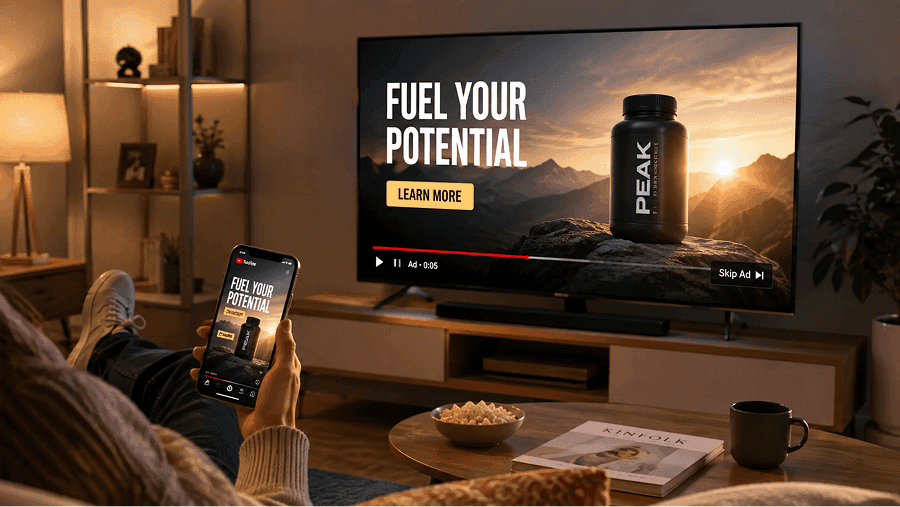
Empieza por diseñar para la pantalla más grande en la que aparecerá tu anuncio. Con tantas reproducciones de YouTube realizándose ahora en Smart TVs, un anuncio diseñado para la pequeña pantalla de un teléfono silenciado puede verse insignificante en un salón. Graba y exporta en alta resolución, mantén el texto grande y legible desde el otro lado de la habitación, y trata el sonido como parte de la creatividad, porque ver la televisión es una experiencia relajada y con el sonido activado.
Sin embargo, el móvil sigue importando. El mismo anuncio también debe funcionar en un feed donde el usuario se desplaza rápidamente con el pulgar, por lo que el objetivo es una pieza creativa que funcione en ambos soportes: elementos visuales potentes, encuadres limpios y un mensaje que impacte tanto si llena una televisión como si se ve en un teléfono. Vale la pena incluir las ubicaciones en Smart TV en el plan de medios como una línea independiente, con su propio presupuesto y creatividad.
Domina las ABCD de las mejores prácticas creativas de YouTube
Para la creatividad en sí, Google ya ha hecho la investigación y la ha empaquetado. Su metodología ABCD resume lo que hace que los anuncios de YouTube funcionen en cuatro tareas: Atención (Attention), Branding, Conexión (Connection) y Dirección (Direction). Capta la atención rápidamente, muestra la marca pronto y con frecuencia, construye una conexión humana a través de la historia o la emoción, y da una dirección clara sobre qué hacer a continuación.
Úsalo como briefing y como lista de verificación. Antes de lanzar un anuncio, compáralo con los cuatro puntos: ¿engancha en los primeros fotogramas?, ¿está la marca integrada desde el principio de forma natural?, ¿hace sentir algo al espectador? y ¿termina con un siguiente paso inequívoco? Google también ajusta el énfasis según el objetivo, por lo que un anuncio de notoriedad y uno de conversión se apoyan en los cuatro pilares de forma diferente. Trata las ABCD como la columna vertebral de cada creatividad que hagas para YouTube.
Gana los primeros cinco segundos
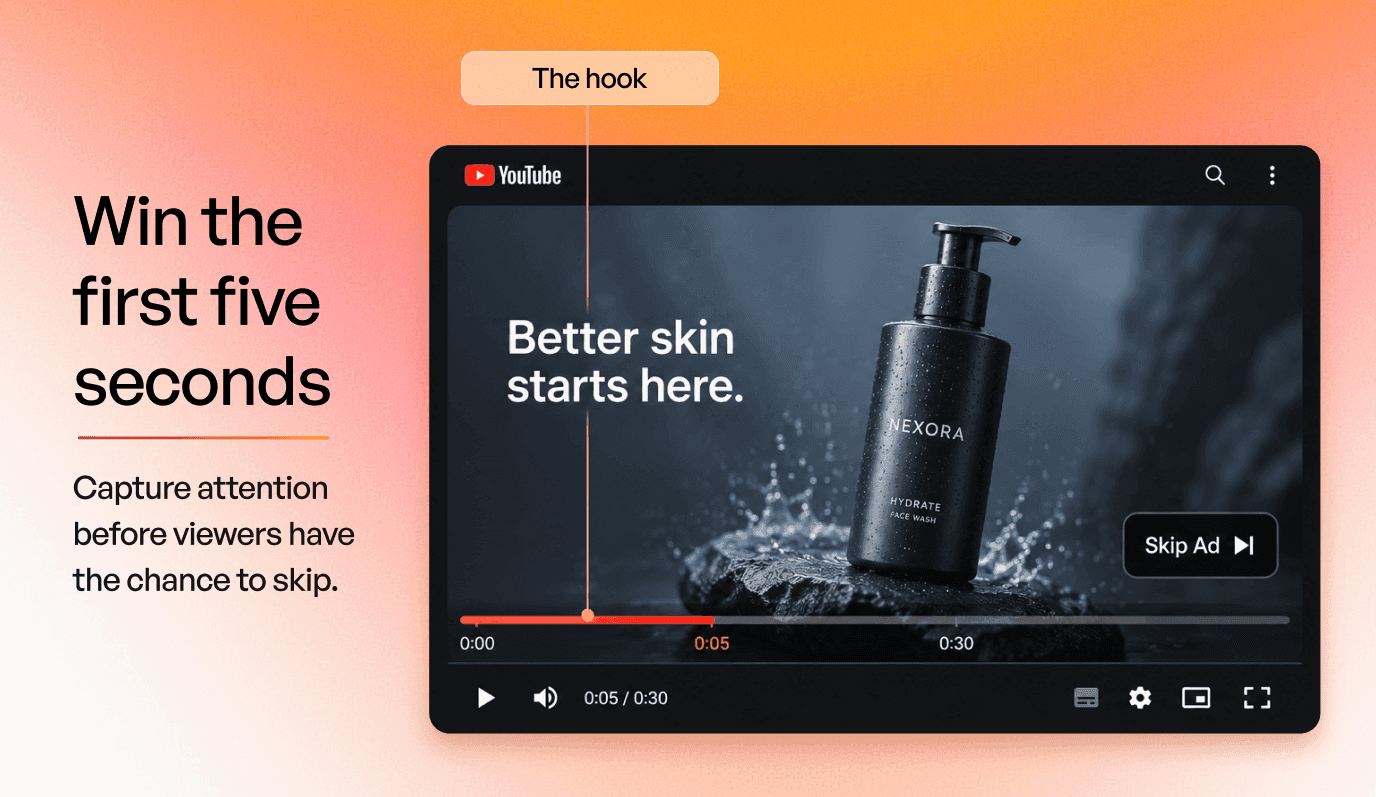
El momento más importante es el inicio. En los anuncios saltables, los espectadores deciden en unos cinco segundos si se quedan, por lo que la apertura sostiene todo el anuncio. La propia guía de YouTube recomienda adelantar el gancho: empieza con un problema, una afirmación audaz o algo sorprendente, y ve al grano antes de que gane el botón de omitir. Este es uno de los consejos publicitarios de YouTube más sencillos y una de las formas más fiables de mejorar tus anuncios en cualquier objetivo.
La investigación de Google añade un consejo específico sobre el branding: muestra tu logotipo en el propio producto, porque los espectadores recuerdan mejor las marcas cuando el logotipo está vinculado a lo que se vende, y los logotipos flotando en otra parte de la pantalla debilitan el recuerdo. Olvídate de la introducción lenta y de la tarjeta de título. Los primeros cinco segundos son el anuncio, y el resto es para la gente a la que ya has convencido de seguir viendo.
Diseña para Shorts, no solo para formato largo
El video vertical es ahora su propia disciplina en YouTube. eMarketer proyecta que la audiencia de YouTube Shorts superará los 200 millones de personas en EE. UU. para 2027, y mucho de lo que funciona en TikTok funciona aquí: rápido, nativo, vertical y hecho para consumirse con el sonido activado. Un anuncio de televisión horizontal metido en Shorts se sentirá fuera de lugar.
Así que produce para el formato bajo sus propias reglas. Edita versiones verticales en 9:16 con el gancho aún más al principio, subtítulos activados por defecto y un ritmo adaptado para un feed. Las mejores prácticas actuales para anuncios de video en YouTube apuntan en la misma dirección: lanza una familia de creatividades a partir de una sola idea, una historia en formato largo para el salón y búsquedas, y versiones nativas de Shorts para el feed, cada una diseñada para la forma en que la gente consume contenido ahí.
Deja que la IA gestione los medios y aliméntala bien
Los tipos de campaña de YouTube han evolucionado hacia la automatización. Las campañas Demand Gen de Google asumen ahora el trabajo que antes realizaban las campañas de Display y de acción de video (Video Action), utilizando la IA de Google para ubicar tu creatividad en YouTube, Shorts y el resto de las superficies del feed. Las campañas de alcance de video y de reproducciones de video gestionan los objetivos de la parte superior del embudo con esa misma segmentación automatizada.
Cuando la máquina se encarga de la segmentación y la ubicación, tu control se reduce a dos cosas: la creatividad con la que la alimentas y las señales que envías. Dale al algoritmo un conjunto de recursos profundo y variado para elegir, y asegúrate de que el seguimiento de conversiones esté limpio y basado en el valor, porque el sistema se optimiza en función de lo que tú definas como éxito. Las señales débiles limitan lo que incluso la mejor automatización puede lograr.
Lee también: 7 ejemplos geniales de anuncios en redes sociales: qué hace que la gente deje de hacer scroll
Diseña para audio activado y desactivado
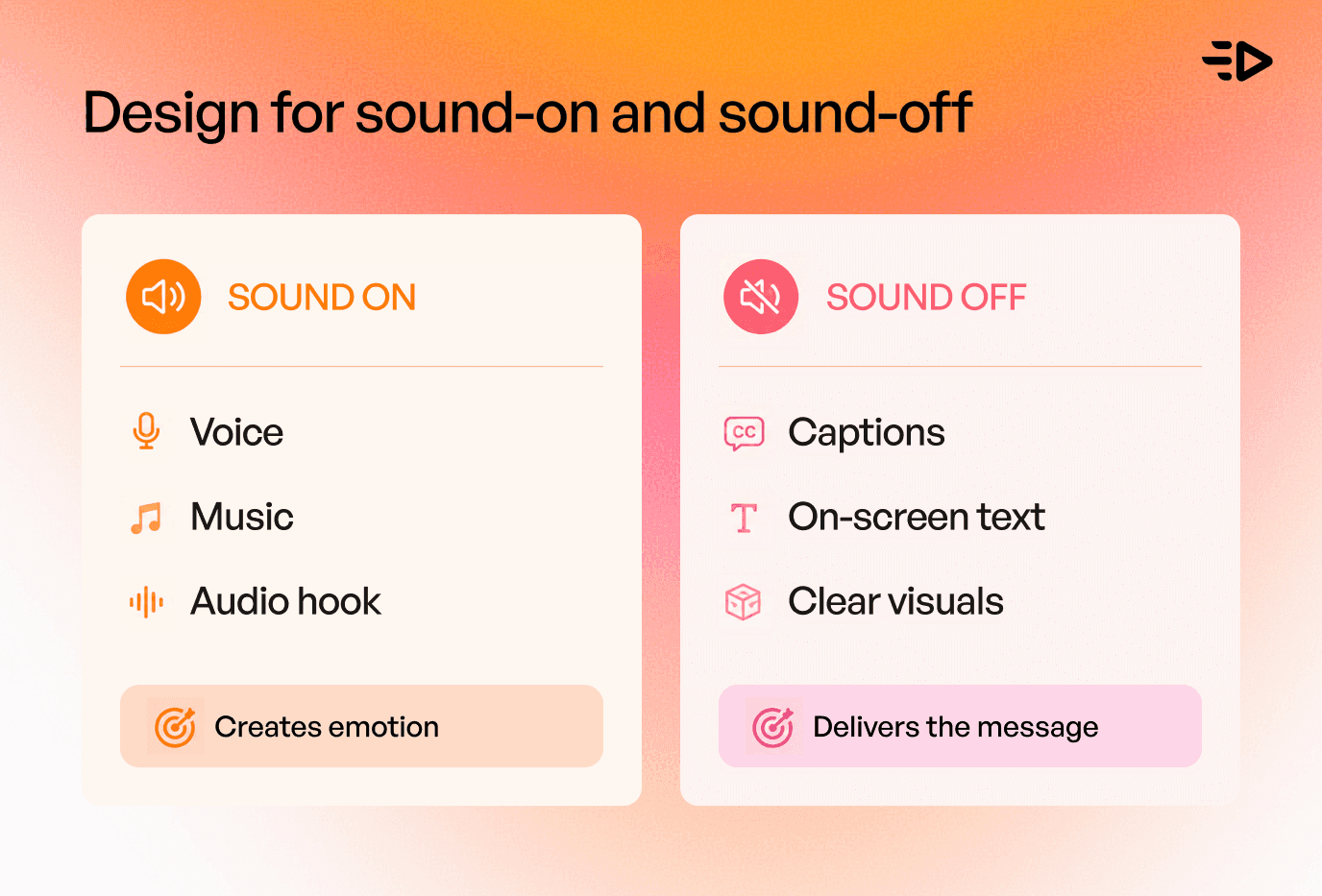
YouTube se consume principalmente con el sonido activado, sobre todo en Smart TVs, lo cual es una ventaja: puedes usar voces, música y ganchos de audio que un feed silenciado desperdiciaría. Sácale partido con un gancho de voz potente y un diseño de sonido que potencie el momento.
Y luego, protege el mensaje para cuando el sonido esté desactivado. Añade subtítulos al diálogo, pon el beneficio principal en pantalla como texto y asegúrate de que la historia se entienda con el audio silenciado. Diseñar para ambos escenarios garantiza que el anuncio funcione tanto en una oficina silenciosa como en un salón ruidoso, que es el rango que YouTube abarca hoy en día.
Mide el incremento de marca, no solo el último clic
Los informes de último clic infravaloran a YouTube, porque gran parte de su valor se manifiesta como atención e interés que surgen más tarde. Las herramientas de medición de Google están diseñadas para eso. Brand Lift mide el cambio en el recuerdo del anuncio y el interés de marca que generan tus campañas, a menudo en cuestión de días, mediante el seguimiento de respuestas a encuestas y búsquedas relacionadas con la marca. Conversion Lift mide la incrementalidad: cuántas conversiones provocaron tus anuncios que de otro modo no habrían ocurrido.
Úsalos para juzgar las campañas por su impacto real. Para el trabajo de notoriedad y consideración, vigila el Brand Lift. Para el rendimiento, apóyate en Conversion Lift y en la incrementalidad en lugar de la atribución de último clic, que suele pasar por alto las asistencias que YouTube aporta en el camino hacia la venta.
Prueba creatividades en volumen
Al juntar todas las piezas, destaca una gran verdad: una vez que la IA gestiona la distribución de medios, la creatividad es la palanca más grande que sigues controlando. Los equipos que gestionan los anuncios de YouTube más eficaces en 2026 son los que lanzan la mayor cantidad de creatividades a prueba, alimentando sus campañas con un suministro constante de nuevos ganchos, formatos y enfoques.
Ese volumen es difícil de alcanzar con un proceso de producción tradicional, y ahí es donde ayuda el video con IA. Una herramienta como Creatify convierte un producto en variaciones de video listas para YouTube, en formato largo 16:9 para el salón y vertical 9:16 para Shorts, con avatares de IA y voces, para que puedas producir y probar suficientes versiones para mantener el algoritmo bien alimentado sin necesidad de un rodaje para cada edición.
Lee también: Tipos de anuncios de TikTok explicados: encuentra el formato adecuado para tu campaña
Preguntas frecuentes
¿Cuáles son las mejores prácticas más importantes para anuncios de YouTube en 2026?
Diseña para el salón de casa, ya que la mayor parte de las reproducciones de YouTube ocurren ahora en Smart TVs; crea piezas basadas en la metodología ABCD de Google (Atención, Branding, Conexión, Dirección); gana los primeros cinco segundos con un gancho potente; crea versiones verticales para Shorts además del formato largo; deja que los tipos de campaña de IA como Demand Gen gestionen la distribución de medios mientras tú te enfocas en la creatividad y en señales limpias de conversión; y mide el incremento de marca (lift), ya que el último clic infravalora el video.
¿Cuánto debe durar un anuncio de YouTube?
Depende del formato y del objetivo. Para los anuncios in-stream saltables, lo que más importa es enganchar a los espectadores en los primeros cinco segundos y luego retener su atención solo el tiempo que la historia lo merezca. Los Shorts premian las ediciones rápidas y directas. Los anuncios bumper duran seis segundos por diseño. Adapta la duración a la ubicación y al objetivo; no existe una única cifra correcta.
¿Cómo evito que se salten mis anuncios de YouTube?
Adelanta el gancho. Empieza con un problema, una afirmación audaz o algo sorprendente en los primeros segundos, muestra la marca pronto y vinculada al producto, y mantén un ritmo rápido. Los anuncios saltables se deciden en unos cinco segundos, por lo que la apertura tiene que ganarse el resto de la reproducción. Una introducción lenta o un inicio que solo muestre el logotipo es lo que hace perder espectadores.
¿Cuál es el mejor tipo de campaña de YouTube en 2026?
Para la mayoría de los anunciantes, Demand Gen se ha convertido en la opción predeterminada para generar acción en YouTube y Shorts, ya que utiliza la IA de Google para colocar la creatividad en todas las superficies. Las campañas de alcance de video y de reproducciones de video cubren la notoriedad y consideración en la parte superior del embudo. La elección correcta depende de tu objetivo y, en todos los casos, la automatización funciona tan bien como las creatividades y las señales de conversión con las que la alimentes.
¿Cómo mido el rendimiento de mis anuncios en YouTube?
Ve más allá del último clic. Utiliza Brand Lift para medir las mejoras en el recuerdo y el interés de marca en campañas de la parte superior del embudo, y Conversion Lift para medir las conversiones incrementales que causaron tus anuncios en campañas de rendimiento. Estas herramientas ofrecen una lectura más real del impacto de YouTube que la atribución de último clic, que suele omitir las asistencias que el video aporta en las fases iniciales del proceso de compra.
Lo más importante que debes saber sobre YouTube en 2026 es dónde lo ve la gente. Según el Media Distributor Gauge de Nielsen, YouTube es el principal distribuidor de medios en la televisión estadounidense, ocupando el puesto número 1 durante la mayor parte del año pasado y acaparando más tiempo de televisión de los estadounidenses que cualquier cadena tradicional o plataforma de streaming. YouTube es ahora el salón de casa.
Eso cambia el juego. El viejo manual trataba a YouTube como un anuncio pre-roll que tenías que soportar en una laptop antes de un video musical. La versión de 2026 de cualquier estrategia publicitaria eficaz en YouTube tiene que funcionar tanto en una pantalla de 65 pulgadas como en un teléfono, dentro de Shorts y en formatos largos, a través de campañas que un algoritmo gestiona por ti. Los pilares creativos siguen decidiendo quién gana, pero los soportes y los controles han cambiado. Aquí tienes el manual actualizado de mejores prácticas para anuncios en YouTube.
Anuncios de YouTube para el salón de casa
Empieza por diseñar para la pantalla más grande en la que aparecerá tu anuncio. Con tantas reproducciones de YouTube realizándose ahora en Smart TVs, un anuncio diseñado para la pequeña pantalla de un teléfono silenciado puede verse insignificante en un salón. Graba y exporta en alta resolución, mantén el texto grande y legible desde el otro lado de la habitación, y trata el sonido como parte de la creatividad, porque ver la televisión es una experiencia relajada y con el sonido activado.
Sin embargo, el móvil sigue importando. El mismo anuncio también debe funcionar en un feed donde el usuario se desplaza rápidamente con el pulgar, por lo que el objetivo es una pieza creativa que funcione en ambos soportes: elementos visuales potentes, encuadres limpios y un mensaje que impacte tanto si llena una televisión como si se ve en un teléfono. Vale la pena incluir las ubicaciones en Smart TV en el plan de medios como una línea independiente, con su propio presupuesto y creatividad.
Domina las ABCD de las mejores prácticas creativas de YouTube
Para la creatividad en sí, Google ya ha hecho la investigación y la ha empaquetado. Su metodología ABCD resume lo que hace que los anuncios de YouTube funcionen en cuatro tareas: Atención (Attention), Branding, Conexión (Connection) y Dirección (Direction). Capta la atención rápidamente, muestra la marca pronto y con frecuencia, construye una conexión humana a través de la historia o la emoción, y da una dirección clara sobre qué hacer a continuación.
Úsalo como briefing y como lista de verificación. Antes de lanzar un anuncio, compáralo con los cuatro puntos: ¿engancha en los primeros fotogramas?, ¿está la marca integrada desde el principio de forma natural?, ¿hace sentir algo al espectador? y ¿termina con un siguiente paso inequívoco? Google también ajusta el énfasis según el objetivo, por lo que un anuncio de notoriedad y uno de conversión se apoyan en los cuatro pilares de forma diferente. Trata las ABCD como la columna vertebral de cada creatividad que hagas para YouTube.
Gana los primeros cinco segundos
El momento más importante es el inicio. En los anuncios saltables, los espectadores deciden en unos cinco segundos si se quedan, por lo que la apertura sostiene todo el anuncio. La propia guía de YouTube recomienda adelantar el gancho: empieza con un problema, una afirmación audaz o algo sorprendente, y ve al grano antes de que gane el botón de omitir. Este es uno de los consejos publicitarios de YouTube más sencillos y una de las formas más fiables de mejorar tus anuncios en cualquier objetivo.
La investigación de Google añade un consejo específico sobre el branding: muestra tu logotipo en el propio producto, porque los espectadores recuerdan mejor las marcas cuando el logotipo está vinculado a lo que se vende, y los logotipos flotando en otra parte de la pantalla debilitan el recuerdo. Olvídate de la introducción lenta y de la tarjeta de título. Los primeros cinco segundos son el anuncio, y el resto es para la gente a la que ya has convencido de seguir viendo.
Diseña para Shorts, no solo para formato largo
El video vertical es ahora su propia disciplina en YouTube. eMarketer proyecta que la audiencia de YouTube Shorts superará los 200 millones de personas en EE. UU. para 2027, y mucho de lo que funciona en TikTok funciona aquí: rápido, nativo, vertical y hecho para consumirse con el sonido activado. Un anuncio de televisión horizontal metido en Shorts se sentirá fuera de lugar.
Así que produce para el formato bajo sus propias reglas. Edita versiones verticales en 9:16 con el gancho aún más al principio, subtítulos activados por defecto y un ritmo adaptado para un feed. Las mejores prácticas actuales para anuncios de video en YouTube apuntan en la misma dirección: lanza una familia de creatividades a partir de una sola idea, una historia en formato largo para el salón y búsquedas, y versiones nativas de Shorts para el feed, cada una diseñada para la forma en que la gente consume contenido ahí.
Deja que la IA gestione los medios y aliméntala bien
Los tipos de campaña de YouTube han evolucionado hacia la automatización. Las campañas Demand Gen de Google asumen ahora el trabajo que antes realizaban las campañas de Display y de acción de video (Video Action), utilizando la IA de Google para ubicar tu creatividad en YouTube, Shorts y el resto de las superficies del feed. Las campañas de alcance de video y de reproducciones de video gestionan los objetivos de la parte superior del embudo con esa misma segmentación automatizada.
Cuando la máquina se encarga de la segmentación y la ubicación, tu control se reduce a dos cosas: la creatividad con la que la alimentas y las señales que envías. Dale al algoritmo un conjunto de recursos profundo y variado para elegir, y asegúrate de que el seguimiento de conversiones esté limpio y basado en el valor, porque el sistema se optimiza en función de lo que tú definas como éxito. Las señales débiles limitan lo que incluso la mejor automatización puede lograr.
Lee también: 7 ejemplos geniales de anuncios en redes sociales: qué hace que la gente deje de hacer scroll
Diseña para audio activado y desactivado
YouTube se consume principalmente con el sonido activado, sobre todo en Smart TVs, lo cual es una ventaja: puedes usar voces, música y ganchos de audio que un feed silenciado desperdiciaría. Sácale partido con un gancho de voz potente y un diseño de sonido que potencie el momento.
Y luego, protege el mensaje para cuando el sonido esté desactivado. Añade subtítulos al diálogo, pon el beneficio principal en pantalla como texto y asegúrate de que la historia se entienda con el audio silenciado. Diseñar para ambos escenarios garantiza que el anuncio funcione tanto en una oficina silenciosa como en un salón ruidoso, que es el rango que YouTube abarca hoy en día.
Mide el incremento de marca, no solo el último clic
Los informes de último clic infravaloran a YouTube, porque gran parte de su valor se manifiesta como atención e interés que surgen más tarde. Las herramientas de medición de Google están diseñadas para eso. Brand Lift mide el cambio en el recuerdo del anuncio y el interés de marca que generan tus campañas, a menudo en cuestión de días, mediante el seguimiento de respuestas a encuestas y búsquedas relacionadas con la marca. Conversion Lift mide la incrementalidad: cuántas conversiones provocaron tus anuncios que de otro modo no habrían ocurrido.
Úsalos para juzgar las campañas por su impacto real. Para el trabajo de notoriedad y consideración, vigila el Brand Lift. Para el rendimiento, apóyate en Conversion Lift y en la incrementalidad en lugar de la atribución de último clic, que suele pasar por alto las asistencias que YouTube aporta en el camino hacia la venta.
Prueba creatividades en volumen
Al juntar todas las piezas, destaca una gran verdad: una vez que la IA gestiona la distribución de medios, la creatividad es la palanca más grande que sigues controlando. Los equipos que gestionan los anuncios de YouTube más eficaces en 2026 son los que lanzan la mayor cantidad de creatividades a prueba, alimentando sus campañas con un suministro constante de nuevos ganchos, formatos y enfoques.
Ese volumen es difícil de alcanzar con un proceso de producción tradicional, y ahí es donde ayuda el video con IA. Una herramienta como Creatify convierte un producto en variaciones de video listas para YouTube, en formato largo 16:9 para el salón y vertical 9:16 para Shorts, con avatares de IA y voces, para que puedas producir y probar suficientes versiones para mantener el algoritmo bien alimentado sin necesidad de un rodaje para cada edición.
Lee también: Tipos de anuncios de TikTok explicados: encuentra el formato adecuado para tu campaña
Preguntas frecuentes
¿Cuáles son las mejores prácticas más importantes para anuncios de YouTube en 2026?
Diseña para el salón de casa, ya que la mayor parte de las reproducciones de YouTube ocurren ahora en Smart TVs; crea piezas basadas en la metodología ABCD de Google (Atención, Branding, Conexión, Dirección); gana los primeros cinco segundos con un gancho potente; crea versiones verticales para Shorts además del formato largo; deja que los tipos de campaña de IA como Demand Gen gestionen la distribución de medios mientras tú te enfocas en la creatividad y en señales limpias de conversión; y mide el incremento de marca (lift), ya que el último clic infravalora el video.
¿Cuánto debe durar un anuncio de YouTube?
Depende del formato y del objetivo. Para los anuncios in-stream saltables, lo que más importa es enganchar a los espectadores en los primeros cinco segundos y luego retener su atención solo el tiempo que la historia lo merezca. Los Shorts premian las ediciones rápidas y directas. Los anuncios bumper duran seis segundos por diseño. Adapta la duración a la ubicación y al objetivo; no existe una única cifra correcta.
¿Cómo evito que se salten mis anuncios de YouTube?
Adelanta el gancho. Empieza con un problema, una afirmación audaz o algo sorprendente en los primeros segundos, muestra la marca pronto y vinculada al producto, y mantén un ritmo rápido. Los anuncios saltables se deciden en unos cinco segundos, por lo que la apertura tiene que ganarse el resto de la reproducción. Una introducción lenta o un inicio que solo muestre el logotipo es lo que hace perder espectadores.
¿Cuál es el mejor tipo de campaña de YouTube en 2026?
Para la mayoría de los anunciantes, Demand Gen se ha convertido en la opción predeterminada para generar acción en YouTube y Shorts, ya que utiliza la IA de Google para colocar la creatividad en todas las superficies. Las campañas de alcance de video y de reproducciones de video cubren la notoriedad y consideración en la parte superior del embudo. La elección correcta depende de tu objetivo y, en todos los casos, la automatización funciona tan bien como las creatividades y las señales de conversión con las que la alimentes.
¿Cómo mido el rendimiento de mis anuncios en YouTube?
Ve más allá del último clic. Utiliza Brand Lift para medir las mejoras en el recuerdo y el interés de marca en campañas de la parte superior del embudo, y Conversion Lift para medir las conversiones incrementales que causaron tus anuncios en campañas de rendimiento. Estas herramientas ofrecen una lectura más real del impacto de YouTube que la atribución de último clic, que suele omitir las asistencias que el video aporta en las fases iniciales del proceso de compra.

¿Listo para convertir tu producto en un video atractivo?